
Holiday Catering for Restaurants: Menu, Pricing and Examples (2026)
When you handle the food, hosts can enjoy the party. Explore holiday catering for restaurants, including menus, pricing, and order planning.

Author
 RESOURCE
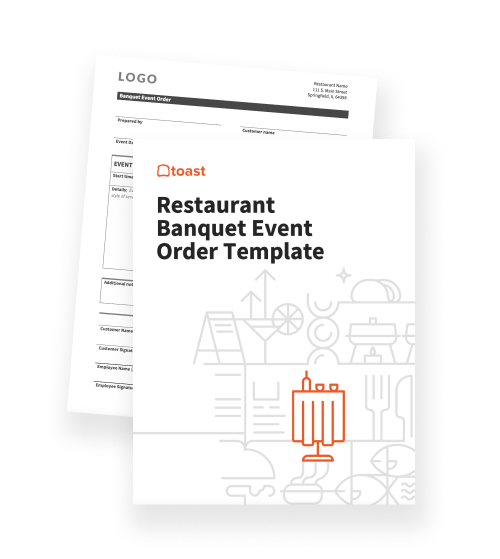
Restaurant Banquet Event Order (BEO) Template
This free BEO template can help your restaurant optimize incoming catering requests and streamline documentation.
Get Free DownloadCatering for the holidays lets restaurants turn familiar menu favorites into group meals for family dinners, office celebrations, and seasonal parties. A strong offer makes hosting easier for customers while giving your kitchen a manageable way to serve a crowd.
To make it work, you’ll need clear packages, realistic ordering deadlines, and prices that account for preparation and fulfillment. Toast Catering & Events helps organize bookings, prep lists, and pack sheets so your team can plan larger orders alongside everyday service.
Here’s how to choose your holiday catering dishes, put the offer together, and price each order.
Key takeaways
Holiday catering menus include complete dinners, office lunches, party platters, brunch packages, and sides or desserts.
Clear catering packages specify serving sizes, inclusions, preparation instructions, and ordering deadlines based on kitchen capacity.
Holiday catering prices should cover food, labor, packaging, fulfillment, and overhead, with room for profit.
Restaurants can price catering per person, per package, or per tray to match the menu and service provided.
Restaurant Event Agenda template
Download this template to stay organized during your restaurant's events.

Holiday catering menu ideas and examples
The best catering menu ideas for the holidays match the occasion and the amount of help the host needs. Some customers want the entire dinner handled. Others need lunch for their team or a dessert to bring to a party.
Menu format | What to include | Best suited to |
Complete holiday dinners | Main course, sides, bread, and optional dessert | Family celebrations |
Office holiday lunches | Entrée trays, salads, sides, and individual desserts | Workplace gatherings |
Holiday party platters | Mini sandwiches, skewers, dips, and small bites | Open houses and New Year’s parties |
Holiday brunch packages | Breakfast entrée, pastries, fruit, and beverages | Morning celebrations |
Sides and dessert packages | Vegetable dishes, baked sides, pies, or cookies | Potlucks and hosts preparing their own main |
Complete holiday dinners
Complete holiday dinners combine a main course and sides, often with bread and dessert options. Build the package around your best-selling dishes, with clear serving sizes and reheating instructions so customers know what to expect.
Choose a main: Roast chicken, braised beef, baked pasta, or stuffed squash.
Round out the meal: Add complementary sides, bread, and an optional dessert.
Explain the preparation: State whether everything arrives hot, chilled, or ready to reheat.
Example: Cracker Barrel’s 2026 Thanksgiving announcement includes a turkey dinner for four to six people and a larger feast for eight to ten. The larger package includes additional food and two pies, giving customers a clear choice based on their gathering’s size.
Office holiday lunches
Adapt your strongest lunch specials into packages that are easy to portion, set out, and serve. Keep the menu recognizable while adding a seasonal dish or presentation.
Offer complete combinations: Pair entrées with rice, pasta, vegetables, or salads.
Make dietary choices visible: Identify vegetarian options and provide ingredient and allergen information.
Clarify the setup: List serving sizes, utensils, and anything the customer needs to provide.
Example: Miguel’s Jr.’s 2026 holiday tamale offering includes single-flavor or mixed dozens, with chicken, pork, and green chile and cheese options. The announcement specifically includes office parties among the occasions it serves.
Holiday party platters
Build party platters around appetizers that guests can share while mingling. For open houses and New Year’s gatherings, easy handling matters as much as presentation.
Mix the selection: Combine dips, skewers, miniature sandwiches, or other small bites.
Clarify portions: Explain whether the platter serves as an appetizer or part of a full meal.
Include serving supplies: Add picks, tongs, or other utensils where needed.
Example: In 2025, Feasts of Persia and Graze by Lakeland BBQ announced a vegetarian catering spread featuring hummus, tzatziki, stuffed grape leaves, and fruit-and-cheese skewers. It’s a great example of building a cohesive platter around a cuisine.
Holiday brunch packages
Give morning celebrations a focused breakfast offer. A clear breakfast menu can help customers choose a combination of savory food, something sweet, and beverages.
Anchor the package: Use quiche, breakfast sandwiches, or another dish that works in batches.
Add variety: Include pastries, fruit, or a breakfast side.
Remember drinks: Offer coffee and juice in clearly stated quantities.
Example: Biscuitville’s 2025 announcement highlighted miniature biscuits with fillings such as sausage, ham, and bacon, alongside sausage balls and coffee boxes. It shows how a breakfast restaurant can turn familiar items into a group offer.
Sides and dessert packages
Help customers fill the gaps in a meal they’re already planning. Organize your sides and dessert menu so guests can order a single contribution or a coordinated assortment.
Sell by tray or assortment: Offer vegetable dishes, baked sides, pies, cookies, or dessert boxes.
State the serving size: Help customers judge quantities alongside the rest of their meal.
Create useful combinations: Pair complementary sides or offer mixed dessert selections.
Example: Polly’s Pies accepted Thanksgiving catering preorders for holiday feasts and pies in 2026, according to FSR magazine. A separate pie or dessert offer gives customers a way to order from your restaurant even when they’re preparing dinner themselves.
Restaurant Event Planning Checklist
Download our easy-to-use checklist to help you stay organized, on-track, and calm through every step of the restaurant event planning process. From early prep weeks out to the day-of, this checklist is built to make your events shine.
How to build your holiday catering menu
Use menu engineering to choose dishes that balance customer appeal, manageable preparation, and profitability. Then make the offer easy to order and organize the work behind it.
Choose dishes your kitchen can deliver consistently
Test each dish at catering quantities and through the full customer experience. Recipe cards help your team prepare consistent batches, even when several people share the work.
Standardize portions: Document ingredient amounts, batch yields, and serving sizes.
Test the journey: Pack the food, allow for transport time, and follow your serving or reheating instructions.
Check the details: Look for leaking sauces, wilted garnishes, and awkward serving portions.
Share ingredients where practical: One vegetable preparation might work across dinner and vegetarian lunch packages.
Keep the selection manageable alongside regular service. Before adding a dish, check whether you have the equipment, storage, and staff time to produce it at the quantities you plan to sell.
Turn dishes into clear packages
Every package should answer three questions: What’s included? How many people does it serve? What does the customer need to do?
For example, “holiday dinner for six” becomes more useful when the menu description lists one main, three sides, six rolls, and a dessert, along with preparation instructions.
Contents: Main course, sides, bread, dessert, and available choices.
Serving size: The number of people the package is designed to feed.
Preparation: Whether food arrives hot, chilled, or ready to reheat.
Extras: Prices for additional portions, premium substitutions, and serving supplies.
Set ordering deadlines and production limits
Work backward from purchasing, preparation, staffing, storage, and fulfillment to decide how much notice you need. Count the work behind each booking. Ten family dinners create a different workload from ten office lunches.
Order cutoffs: The last date and time customers can book.
Changes: When quantities and menu selections must be final.
Minimums: The smallest order your team can prepare and fulfill economically.
Capacity: How many portions, trays, or orders you can handle in each fulfillment window.
Toast Catering & Events Pro’s holiday ordering controls let restaurants set lead times and order limits for special menus, helping match incoming orders to preparation needs.
Promote your offers and organize fulfillment
Use email marketing, your website, social posts, and in-restaurant messaging to introduce the offer. Give customers one clear place to view packages, check availability, and order.
Publish the essentials: Include prices, serving sizes, dates, deadlines, and fulfillment instructions.
Match the message to the occasion: Highlight delivery and headcounts for offices, or inclusions and reheating for family dinners.
Plan reminders: Schedule messages around your actual order cutoff and remaining availability.
Coordinate the team: Keep order details in a shared record and assign preparation, packing, and handoff responsibilities.
Marketing can also help existing guests discover more of what your restaurant offers. With Toast IQ Grow, Snowy Owl Coffee Roasters has increased marketing-attributed sales from email and SMS by 90% year over year.¹
Before each order leaves, check the food, sauces, utensils, labels, and instructions against the confirmed order. That final review helps make the meal as straightforward to serve as it was to buy.
Menu Engineering Worksheet
Use this menu engineering worksheet, complete with intricate menu engineering formulas, to determine areas of strength and weakness in your restaurant's menu.
How to price holiday catering
Your catering prices need to cover the food and the work required to prepare, pack, and fulfill the order. Calculate those costs first, then choose a selling price and format customers can understand.
Calculate the full cost of each order
Start with plate costs, using actual recipes, portions, and realistic yields. Include normal trimming and preparation waste.
Labor: Preparation, cooking, packing, coordination, and cleanup.
Packaging: Trays, lids, bags, labels, and serving supplies.
Fulfillment: Transportation, delivery time, setup, and on-site service.
Other expenses: Applicable order costs and an appropriate share of overhead.
Update your numbers before carrying over last year’s prices. A change in ingredient prices, packaging, or preparation time can affect what remains from each sale.
xtraCHEF by Toast tracks ingredient and recipe costs, helping you see how purchase-price changes affect menu margins.
Choose a pricing model that fits the offer
Match your pricing model to how customers choose and order the food. You can use more than one model across the menu. A complete dinner might have a package price, while extra sides are sold by the tray.
Per person: Useful when the guest count determines portions and service. State the minimum headcount and inclusions.
Per package: Useful for complete meals with a defined serving range.
Per tray or platter: Useful for customers building their own spread. Explain whether the serving estimate assumes an appetizer, side, or main course.
Set minimum quantities or order amounts where needed to cover the fixed work involved. Keep those minimums visible while customers choose their food.
Set your selling price and check profitability
Once you know your costs, calculate a price that leaves your intended margin. Margin measures the amount remaining as a percentage of the selling price. Markup measures the amount added as a percentage of cost.
For a simplified example, suppose an order has $350 in included costs and you want a 30% margin after those costs:
Selling price = Included costs ÷ (1 − Target margin)
$350 ÷ (1 − 0.30) = $500
At a $500 selling price, $150 remains after the included costs, equal to 30% of revenue. A 30% markup would produce a $455 selling price and a margin of about 23.1%. That target is illustrative, not a recommendation.
Compare similar offers: Look at portions, service, convenience, and inclusions.
Adjust the package if needed: Revisit ingredients, customization, or service requirements when costs and customer budgets don’t align.
Review actual results: Compare estimated costs with ingredient use and labor hours after fulfillment.
Account for holiday extras and additional charges
Price additional services according to the work and resources they require. Calculate the labor costs involved, including extra staffing expenses that actually apply to the date or service.
Delivery: Travel distance, transportation, and staff time.
Setup: Unloading, arranging food, and preparing the service area.
Staffing: On-site servers or other event support.
Rentals and supplies: Equipment, tableware, and serving pieces.
Menu upgrades: Premium substitutions or additional portions.
Decide which costs belong in the package and which appear separately. Count each expense once, and explain how changes in guest count, location, or service affect the total.
Give customers a clear quote
A useful quote lets customers confirm the order without piecing together several conversations. Toast Catering & Events supports quotes, invoices, and payment tracking, helping your team keep the agreed order and payment status organized.
Jenny Cauhorn, CEO of EVT Management, describes the benefit of keeping those details together: “From custom menus and estimates to final invoices and payments, it gives us the flexibility to manage everything in one place.”
The food: Menu selections, quantities, and serving count.
The price: Package cost, additional charges, applicable taxes, and total.
The fulfillment: Date, time, address, and pickup or delivery details.
The payment terms: Deposit, balance, and due dates.
The deadlines: Quote validity, final changes, and cancellation terms.
Catering Opening & Closing Checklist
The beginning and end of a shift can be frantic. Use this free PDF checklist to set your catering staff up for success.
Give holiday hosts one less thing to worry about
Customers book holiday catering to make a busy season easier. Give them packages they can understand, clear prices, and a straightforward way to order. Behind the scenes, build those offers around food your kitchen prepares well and quantities your team can confidently handle.
As bookings come in, Toast Catering & Events helps you manage orders, quotes, invoices, and payments in one place. That gives your team a shared view of each booking, making it easier to coordinate prep, track outstanding payments, and keep holiday orders on schedule.
FAQ
How should restaurants price holiday catering?
Holiday catering prices should cover food, labor, packaging, fulfillment, and overhead, plus the intended profit. Charge per person, package, or tray.
How far in advance should restaurants take holiday catering orders?
Lead times depend on purchasing, preparation, staffing, and kitchen capacity. Require more notice for large or customized orders, and publish clear order cutoffs.
What should a holiday catering menu include?
Offer complete dinners, office lunches, party platters, brunch, or sides and desserts. Each package should list its contents, serving size, dietary information, and preparation instructions.
What are the busiest times for holiday catering?
Holiday catering is typically busiest around Thanksgiving, Christmas, and New Year’s. Office parties and family gatherings also drive orders in the weeks leading up to these holidays.
¹ Based on Toast internal data comparing SMS/email marketing-attributed sales in May 1-August 31, 2025 (pre Toast IQ Grow implementation) v. May 1-August 31, 2026 (post Toast IQ Grow implementation). Individual results will vary.
Restaurant Operations Manual Template
Use this free template to easily outline all of your operating procedures and make day-to-day operations as consistent as possible.
Is this article helpful?
DISCLAIMER: This information is provided for general informational purposes only, and publication does not constitute an endorsement. Toast does not warrant the accuracy or completeness of any information, text, graphics, links, or other items contained within this content. Toast does not guarantee you will achieve any specific results if you follow any advice herein. It may be advisable for you to consult with a professional such as a lawyer, accountant, or business advisor for advice specific to your situation.
 Trending



Subscribe to On the line
Sign up to get industry intel, advice, tools, and honest takes from real people tackling their restaurants' greatest challenges.
By submitting, you agree to receive marketing emails from Toast. We’ll handle your info according to our privacy statement. Additional information for California residents available here.