
Bulk Purchasing: How It Works & When to Use It
Bulk purchasing lowers your cost per unit and keeps key items in stock. Learn how it works and when to use it to improve margins and efficiency.
Author
 RESOURCE
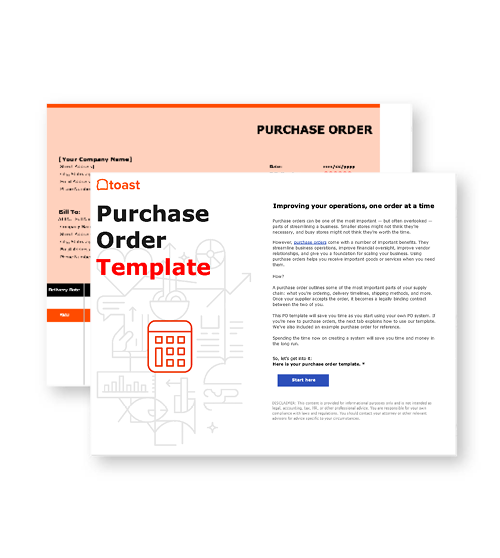
 Purchase Order Template
Use this template to create standardized purchase orders for requesting goods or services from vendors.
Get Free DownloadBulk purchasing is a procurement strategy businesses use to buy products in larger quantities to reduce costs and streamline ordering. It directly impacts how much you pay for inventory, how often you reorder, and how reliably you can keep key items in stock.
Those savings can add up quickly—Amazon Business reports that quantity discounts helped U.S. organizations save over $150 million in just the first half of 2025. When you use it alongside approaches like just-in-time inventory, you can balance cost savings with flexibility.
In this guide, you’ll learn what bulk purchasing is, why it matters, and how to use it effectively in your business.
Key takeaways
Bulk purchasing helps you lower your cost per unit, reduce ordering frequency, and keep key items consistently in stock.
You can balance bulk purchasing with just-in-time inventory to manage costs while staying flexible with demand.
Buying in bulk improves efficiency by saving time on ordering and helping you avoid stockouts during peak periods.
Different approaches—like direct sourcing, wholesalers, and GPOs—offer varying levels of cost savings and flexibility.
You get the best results by using sales data, focusing on high-turn items, and scaling your bulk strategy over time.
Grocery and Food Inventory Template
Use this Excel spreadsheet template to stay organized and manage your store's inventory with ease.

What is bulk purchasing?
Bulk purchasing is when a business buys products in larger quantities at once, typically to lower the cost per unit and reduce how often they need to reorder.
For restaurants and retailers, this can include everything from ingredients and packaging to inventory and supplies. Instead of placing frequent small orders, businesses purchase higher volumes upfront to save money and keep key items consistently in stock.
Bulk purchasing vs. just-in-time (JIT) inventory
Bulk purchasing and just-in-time (JIT) inventory are two different approaches to managing inventory. Bulk purchasing focuses on buying larger quantities upfront to reduce costs and ensure availability, while JIT prioritizes ordering smaller amounts more frequently to stay flexible and keep inventory low.
In practice, businesses often use bulk purchasing for high-volume or non-perishable items and rely on JIT for perishable goods or items with less predictable demand—balancing cost savings with flexibility.
Cost vs. flexibility: Bulk purchasing lowers cost per unit, while JIT prioritizes flexibility and responsiveness.
Inventory levels: Bulk requires more storage space, while JIT keeps inventory lean.
Cash flow: Bulk involves higher upfront costs, while JIT spreads spending over time.
Risk: Bulk reduces the risk of stockouts, while JIT increases reliance on timely deliveries.
Why is bulk purchasing important?
Bulk purchasing helps you run a more efficient, cost-effective operation by reducing how often you order and lowering what you pay per item. When you use it strategically, it makes it easier to stay stocked, save time, and protect your margins.
Cost savings: You pay less per unit when you buy larger quantities.
Operational efficiency: You spend less time placing orders and restocking.
Inventory consistency: You keep key items on hand and avoid running out during peak demand.
Profit margin impact: Lower costs and better availability help you increase your margins.
Just keep in mind that the benefits of bulk purchasing depend on how well you plan—factors like storage space, product shelf life, and accurate demand forecasting all play a role. Overstocking can lead to waste, while underestimating demand can mean missed savings.
Types of bulk purchasing
You can approach bulk purchasing in a few different ways depending on your business model, volume, and supplier relationships. Each method offers different advantages, from better pricing to more flexibility.
Direct from suppliers: Buy large quantities directly from manufacturers or distributors, often at the lowest possible cost per unit. This approach works best if you have consistent demand and the storage space to handle larger orders.
Wholesale purchasing: Purchase products through wholesalers who offer bulk pricing across a range of items. This gives you flexibility to order multiple products at once without needing to meet manufacturer minimums.
Group purchasing organizations (GPOs): Join a group of businesses that pool their buying power to access better pricing and terms from suppliers. This is especially useful if you want bulk pricing without committing to very large individual orders.
Seasonal or demand-based bulk buying: Stock up ahead of peak periods or promotions based on expected demand. This helps you secure better pricing and avoid stockouts during busy times.
How can your business make bulk purchases?
To get the most out of bulk purchasing, you need to plan ahead and focus on the right products. The goal is to buy in larger quantities without overstocking, tying up too much cash, or running into storage issues.
Retailers are also adapting to this demand. For example, JCPenney recently launched a B2B platform to support bulk buyers, noting that more businesses are turning to retailers to fulfill their operational needs with bulk purchasing.
Use sales data to forecast demand: Look at past sales trends to estimate how much you’ll actually need.
Focus on high-turn or non-perishable items: Prioritize products you sell quickly or can store for longer periods.
Plan storage space ahead of time: Make sure you have room to handle larger orders without clutter or waste.
Negotiate with suppliers: Ask for better pricing, discounts, or terms when buying in larger quantities.
Set reorder points and par levels: Define when and how much to reorder to stay consistently stocked.
Start small and scale: Test bulk purchasing with a few items, then expand as you refine your approach.
Buy smarter, not just bigger
Bulk purchasing gives you a practical way to lower your cost per unit, reduce how often you reorder, and keep your most important items consistently in stock. When you combine it with a just-in-time approach for perishable or less predictable products, you can balance cost savings with flexibility.
The key is to be intentional—use your sales data, focus on high-turn items, and make sure you have the space and cash flow to support larger orders. Start with a few products, refine your approach, and build from there to create more efficient operations.
Retail Store Opening and Closing Checklist
Use this free PDF checklist to set your staff up for success, every shift.
FAQ
What is the difference between bulk purchasing and wholesale purchasing?
Bulk purchasing refers to buying large quantities to reduce cost per unit, while wholesale purchasing means buying from a wholesaler at discounted rates. In practice, many businesses do both by buying in bulk through wholesale suppliers.
How do I know which products are worth buying in bulk?
Focus on high-turn, non-perishable items with consistent demand. Using sales data can help you identify which products sell quickly and won’t sit in storage.
How does bulk purchasing affect cash flow?
Bulk purchasing requires higher upfront spending, which can impact short-term cash flow. However, it often leads to long-term savings through lower unit costs and fewer orders.
What role does a POS system play in bulk purchasing decisions?
A POS system provides sales data and trends that help you forecast demand and decide which products to buy in bulk. This reduces the risk of overstocking or underordering.
Can small retailers negotiate minimum order quantities with suppliers?
Yes, many suppliers are open to negotiation, especially if you’re building a long-term relationship. Smaller businesses can often secure better terms by ordering consistently or combining orders over time.



Is this article helpful?
DISCLAIMER: This information is provided for general informational purposes only, and publication does not constitute an endorsement. Toast does not warrant the accuracy or completeness of any information, text, graphics, links, or other items contained within this content. Toast does not guarantee you will achieve any specific results if you follow any advice herein. It may be advisable for you to consult with a professional such as a lawyer, accountant, or business advisor for advice specific to your situation.
 Trending

Subscribe to On the line
Sign up to get industry intel, advice, tools, and honest takes from real people tackling their restaurants' greatest challenges.
By submitting, you agree to receive marketing emails from Toast. We’ll handle your info according to our privacy statement. Additional information for California residents available here.