
What Is a Wholesaler? Why Buying in Bulk Lowers Costs
Wholesalers help restaurants and retailers stay stocked and lower costs at scale. Learn what wholesalers are and how bulk buying works.
Author
 RESOURCE
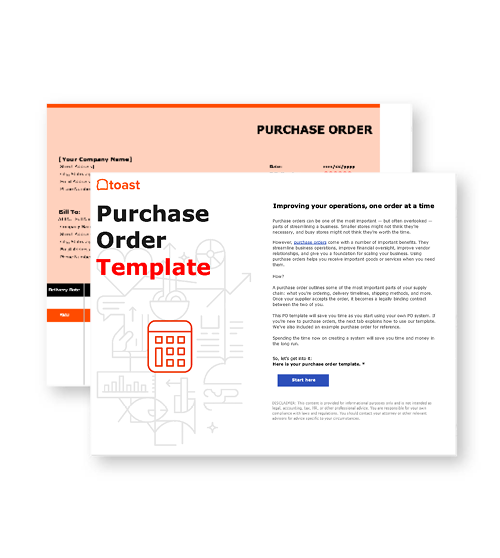
 Purchase Order Template
Use this template to create standardized purchase orders for requesting goods or services from vendors.
Get Free DownloadBehind every stocked shelf and fully prepped kitchen is a steady flow of products arriving on time. For restaurants and retail businesses, that flow often depends on wholesalers.
In recent years, direct-to-consumer (DTC) brands have attracted attention for their ability to offer personalized products and seamless online experiences. As Gil Shiff, co-founder and COO of 40Seas, notes:
“We’ve seen how consumers today are becoming conditioned to unique, tailored products and seamless online shopping experiences, which D2C brands can provide.”
But that shift doesn’t mean wholesale is disappearing. Instead, wholesale remains a critical part of how businesses access inventory at scale—often working alongside DTC channels rather than competing with them.
This guide breaks down what wholesalers are, how they work, and why restaurants and retailers rely on them as part of the supply chain.
Key takeaways
Wholesalers sell products in bulk to businesses, helping restaurants and retailers access inventory at lower per-unit costs.
By acting as a link between manufacturers and businesses, wholesalers simplify sourcing and distribution.
Buying in bulk through wholesalers helps businesses save money and maintain consistent inventory levels.
Wholesalers streamline ordering and logistics by serving as a single source for many products.
Restaurants and retailers often work with different types of wholesalers depending on their product and volume needs.
Grocery and Food Inventory Template
Use this Excel spreadsheet template to stay organized and manage your store's inventory with ease.

What is a wholesaler?
A wholesaler is a business that sells products in large quantities to other businesses, like restaurants and retail stores. Instead of selling directly to shoppers, wholesalers focus on supplying the products businesses need to keep things running.
Think of wholesalers as the middle step between manufacturers and businesses. They buy products in bulk, store them, and make it easier for restaurants and retailers to order what they need in the right quantities.
The key difference between wholesale and retail comes down to who they serve. Wholesalers sell to businesses, while retailers sell to customers. Because wholesalers sell in larger volumes, they can usually offer lower per-unit prices.
Buying in bulk is a big part of how wholesale works. Businesses place larger orders to save money and avoid running out of inventory. Wholesalers are set up for this kind of buying, which is why they sell to businesses rather than individual consumers.
Why do restaurants and retailers use wholesalers?
Wholesalers help restaurants and retailers stay stocked, save time, and control costs. By offering products in bulk and acting as a single source for many items, wholesalers simplify purchasing and reduce the complexity of day-to-day operations.
Cost savings through bulk pricing: Buying larger quantities usually means a lower cost per unit, which helps protect margins.
Reliable access to inventory: Wholesalers keep products consistently available so businesses can reorder with confidence.
Simplified ordering and logistics: Working with a wholesaler reduces the need to manage multiple vendors and deliveries.
Broader product variety and consistent supply: Many wholesalers carry a wide range of products, making it easier to source what you need in one place.
How do wholesalers work?
Wholesalers help move products from manufacturers to restaurants and retailers in an efficient, repeatable way. They handle purchasing, storage, and delivery so businesses don’t have to manage those steps themselves.
Where wholesalers source products: Wholesalers purchase products directly from manufacturers or producers in large quantities.
How businesses place wholesale orders: Restaurants and retailers order through sales representatives, online ordering platforms, or standing weekly orders.
Typical order sizes and minimums: Orders are usually placed in bulk, such as by the case or pallet, and often include minimum order requirements.
Pricing structure and delivery expectations: Products are priced lower than retail, with deliveries scheduled on regular routes or set delivery days.
How wholesale pricing works: Lower prices are possible because wholesalers sell larger volumes and serve repeat business customers.
Types of wholesalers
Not all wholesalers operate the same way. Different types of wholesalers serve different business needs, but all play a role in helping restaurants and retailers access products efficiently.
Merchant wholesalers: Merchant wholesalers buy products in bulk, store them, and sell directly to businesses. This is the most common type of wholesaler used by restaurants and retail stores.
Distributor wholesalers: Distributors often work closely with specific brands or manufacturers and focus on moving products efficiently through the supply chain.
Specialty or niche wholesalers: Specialty wholesalers focus on specific product categories, such as foodservice ingredients, beverages, or retail merchandise.
Remember, businesses often work with a mix of wholesaler types depending on their product needs, order volume, and sourcing preferences.
The case for wholesale
Wholesalers play a key role in helping restaurants and retailers operate efficiently. By supplying products in bulk, managing storage and delivery, and offering reliable access to inventory, wholesalers simplify purchasing and help businesses control costs.
The impact of wholesale goes beyond day-to-day ordering. For example, workwear brand Brunt recently expanded into wholesale after building a strong direct-to-consumer business, nearly doubling its market reach by partnering with established retailers. As CEO Eric Girouard put it, “This is the most transformative moment in company history since the day we launched it.”
Ultimately, understanding how wholesalers work—and why businesses rely on them—can make it easier to plan and support sustainable growth as your business scales.
Retail Store Opening Costs Calculator
This free calculator lays out some of the fundamental financial costs of opening a retail store, so you can start planning and bring your dream business to life.
FAQ
What’s the typical minimum order for wholesale purchases?
Minimum order requirements vary by wholesaler, but they’re often based on case quantities, dollar minimums, or pallet sizes. Some wholesalers set lower minimums for smaller businesses or repeat customers.
Can small retailers access wholesale pricing?
Yes, many wholesalers work with small retailers and restaurants. As long as you’re buying for business use and meet minimum order requirements, you can often access wholesale pricing.
How do I verify a wholesaler is legitimate?
Legitimate wholesalers usually require a business license or resale certificate, have clear contact information, and operate through established sales channels or websites. Checking reviews and industry references can also help confirm credibility.
Should I use one wholesaler or multiple suppliers?
Many businesses use a mix of wholesalers to balance pricing, availability, and product variety. Using multiple suppliers can reduce risk, while a primary wholesaler can simplify ordering and logistics.
Liquor Store Inventory Template
Use this Excel spreadsheet template to stay organized and manage your store's inventory with ease.



Is this article helpful?
DISCLAIMER: This information is provided for general informational purposes only, and publication does not constitute an endorsement. Toast does not warrant the accuracy or completeness of any information, text, graphics, links, or other items contained within this content. Toast does not guarantee you will achieve any specific results if you follow any advice herein. It may be advisable for you to consult with a professional such as a lawyer, accountant, or business advisor for advice specific to your situation.
 Trending

Subscribe to On the line
Sign up to get industry intel, advice, tools, and honest takes from real people tackling their restaurants' greatest challenges.
By submitting, you agree to receive marketing emails from Toast. We’ll handle your info according to our privacy statement. Additional information for California residents available here.