
Beer and Wine License: An Accessible Liquor License Alternative
A beer and wine license helps restaurants serve alcohol without a full liquor license. Explore requirements, restrictions, and how to apply.
Author
 RESOURCE
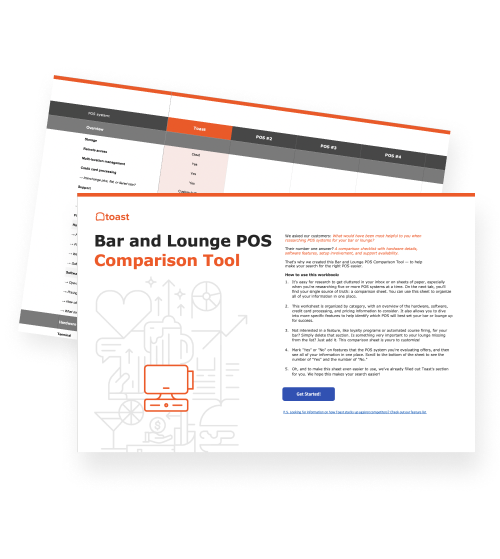
 Bar and Lounge POS Comparison Tool
A free, customizable Bar and Lounge POS Comparison Tool to research and compare point of sale systems in one Excel spreadsheet or editable PDF.
Get Free DownloadServing beer or wine can be a great revenue driver for restaurants, cafes, and hospitality businesses—but doing so requires the right license. A beer and wine license allows businesses to sell specific types of alcohol while operating within clearly defined regulatory limits.
Licensing requirements vary widely by state and locality, and the rules can affect everything from what you’re allowed to serve to how and where alcohol can be sold. Understanding the basics early can help operators avoid delays, unexpected costs, or compliance issues down the line.
In this guide, we’ll break down what a beer and wine license is, what it allows and restricts, who needs one, and how the application process typically works.
Key takeaways
A beer and wine license allows businesses to serve fermented alcohol while avoiding the cost and complexity of a full liquor license.
What you can sell, where you can sell it, and how alcohol is served all depend on state and local licensing rules.
Beer and wine licenses are widely used by restaurants, cafes, breweries, and hospitality businesses across many service models.
The application process varies by state but typically involves permits, inspections, background checks, and regulatory approvals.
Planning early and understanding ongoing compliance requirements can help businesses avoid delays, fines, or operational disruptions.
Restaurant Incident Reporting Template
Use this free template to keep a clear, consistent record of accidents, employee issues, and guest complaints while protecting your business in the process.

What is a beer and wine license?
A beer and wine license allows a business to sell specific types of alcoholic beverages—typically beer, wine, and other fermented products—without permitting the sale of distilled spirits. It’s a common option for restaurants and hospitality businesses that want to offer alcohol while avoiding the higher cost and stricter requirements of a full liquor license.
Compared to a full liquor license, a beer and wine license is more limited in scope but often easier to obtain. It generally comes with lower application fees, fewer regulatory hurdles, and broader availability, though the exact rules and eligibility requirements vary by state and local jurisdiction.
For instance, Pennsylvania limits the number of traditional liquor licenses available to one per every 3,000 residents per county, which can make full liquor licenses scarce, expensive, and difficult to obtain. Beer and wine licenses, on the other hand, are generally more accessible and are not subject to the same population-based caps.
In recent years, the state has also expanded the flexibility of beer and wine licensing through additional permits. Licensed restaurants and hotels can apply for Wine Expanded Permits, which allow limited wine sales to go, and newer updates to the liquor code have introduced options that further broaden what beer and wine–licensed businesses can offer.
What can you sell with a beer and wine license?
Beer, wine, cider, and related fermented beverages: Most beer and wine licenses cover alcoholic drinks produced through fermentation rather than distillation, including beer, wine, cider, and similar products.
Alcohol sold by the glass or by the bottle: Depending on local regulations, businesses may be allowed to sell beer and wine for on-site consumption, packaged sales, or both.
On-premise vs. off-premise sales: Some beer and wine licenses permit alcohol to be consumed on-site, while others allow off-premise sales for takeout or retail. The allowed use depends on the license type and local laws.
What can’t you sell with a beer and wine license?
Spirits and hard liquor: Distilled alcohol such as vodka, whiskey, rum, and tequila is not permitted under a beer and wine license.
Mixed drinks or cocktails with distilled spirits: Cocktails that include hard liquor typically require a full liquor license.
Limitations on alcohol content or service hours: Many jurisdictions impose restrictions on alcohol by volume (ABV), hours of service, or how beer and wine can be prepared and served.
Who needs a beer and wine license?
Any business that plans to sell beer or wine—whether for on-site consumption or off-premise sales—typically needs a beer and wine license. The exact requirements depend on where the business operates, but the license is common across a wide range of hospitality and retail concepts.
Restaurants serving beer or wine on-site: Most full-service and casual restaurants that offer beer or wine to guests need this license, even if alcohol is not the primary focus of the menu.
Cafes, breweries, and wine-focused businesses: Coffee shops, tasting rooms, breweries, and wine bars often use beer and wine licenses to serve fermented beverages without offering distilled spirits.
Businesses offering on-premise or off-premise alcohol sales: Depending on the license type, businesses may sell beer and wine for consumption on-site, to-go, or both.
Eligibility varies by location: Zoning laws, minimum food sales, seating capacity, and business type can all affect eligibility. Local regulations may also set limits on where alcohol can be sold and how it must be served.
How to obtain a beer and wine license
The process for obtaining a beer and wine license varies by state and locality. For example, in Florida, beer and wine licenses are generally not subject to caps, making them relatively straightforward to obtain. Most restaurants can apply directly through the state, with predictable fees and timelines.
On the other hand, states like Virginia regulate alcohol more tightly through the Virginia Alcoholic Beverage Control Authority (ABC). Businesses must comply with stricter state oversight, including detailed application requirements, ABC approval, and ongoing compliance rules around sourcing, storage, and sales.
However, most applications follow a similar set of steps. Planning ahead is essential, as approvals can take time and may involve multiple agencies.
Complete the license application: Businesses typically apply through a state or local alcohol control board, providing details about ownership, location, and operations.
Submit required documents and background checks: Applications often require business registration records, floor plans, lease agreements, and background checks for owners or managers.
Schedule inspections and approvals: Health, fire, and zoning inspections may be required before a license is issued, depending on local regulations.
Work with state and local alcohol control boards: Alcohol licensing is overseen by government agencies that review applications, conduct hearings if needed, and issue approvals.
Plan for costs and timelines: Fees vary widely by location, ranging from a few hundred to several thousand dollars. Approval timelines can take weeks or several months.
Prepare for renewals and ongoing compliance: Beer and wine licenses typically require annual renewal. Businesses must continue to meet service, training, and reporting requirements to remain compliant.
Brew-racy made simpler
Getting a beer and wine license can be a practical way for restaurants to expand their offerings without the cost and complexity of a full liquor license. Because requirements vary by state and local jurisdiction, it’s important to research regulations well before opening or updating your menu.
Taking the time to plan ahead—and staying compliant after approval—can help avoid delays, unexpected costs, and operational disruptions.
Restaurant Equipment Checklist
Opening or upgrading a restaurant? Don't miss any essential equipment! Download our free, comprehensive restaurant equipment checklist.
FAQ
How long does it take to get a beer and wine license?
Timelines vary by state and locality, but most applications take several weeks to a few months. Processing time depends on inspections, background checks, public notice requirements, and regulatory review.
Can I operate while my license application is pending?
In most cases, no. Businesses generally must wait until the beer and wine license is approved before selling alcohol. Some jurisdictions offer temporary or provisional permits, but these are not guaranteed and come with restrictions.
What happens if my beer and wine license application is denied?
If an application is denied, regulators typically provide a reason, such as zoning issues, incomplete documentation, or background concerns. Some jurisdictions allow applicants to appeal, correct deficiencies, or reapply after a waiting period.
Do I need a separate federal license for beer and wine?
Most retail businesses do not need a federal alcohol permit to sell beer and wine. Federal licensing typically applies to manufacturers, importers, and wholesalers, while retailers are regulated at the state and local level.
Can beer and wine licenses be transferred to new owners?
License transfer rules vary by state. Some jurisdictions allow licenses to be transferred as part of a business sale, while others require new owners to apply for a new license or receive regulatory approval before operating.
What are the consequences of operating without a proper license?
Operating without a valid beer and wine license can result in fines, forced closure, denial of future license applications, and potential criminal penalties. Violations can also jeopardize other business permits and long-term operations.

Is this article helpful?
DISCLAIMER: This information is provided for general informational purposes only, and publication does not constitute an endorsement. Toast does not warrant the accuracy or completeness of any information, text, graphics, links, or other items contained within this content. Toast does not guarantee you will achieve any specific results if you follow any advice herein. It may be advisable for you to consult with a professional such as a lawyer, accountant, or business advisor for advice specific to your situation.
 Trending

Subscribe to On the line
Sign up to get industry intel, advice, tools, and honest takes from real people tackling their restaurants' greatest challenges.
By submitting, you agree to receive marketing emails from Toast. We’ll handle your info according to our privacy statement. Additional information for California residents available here.