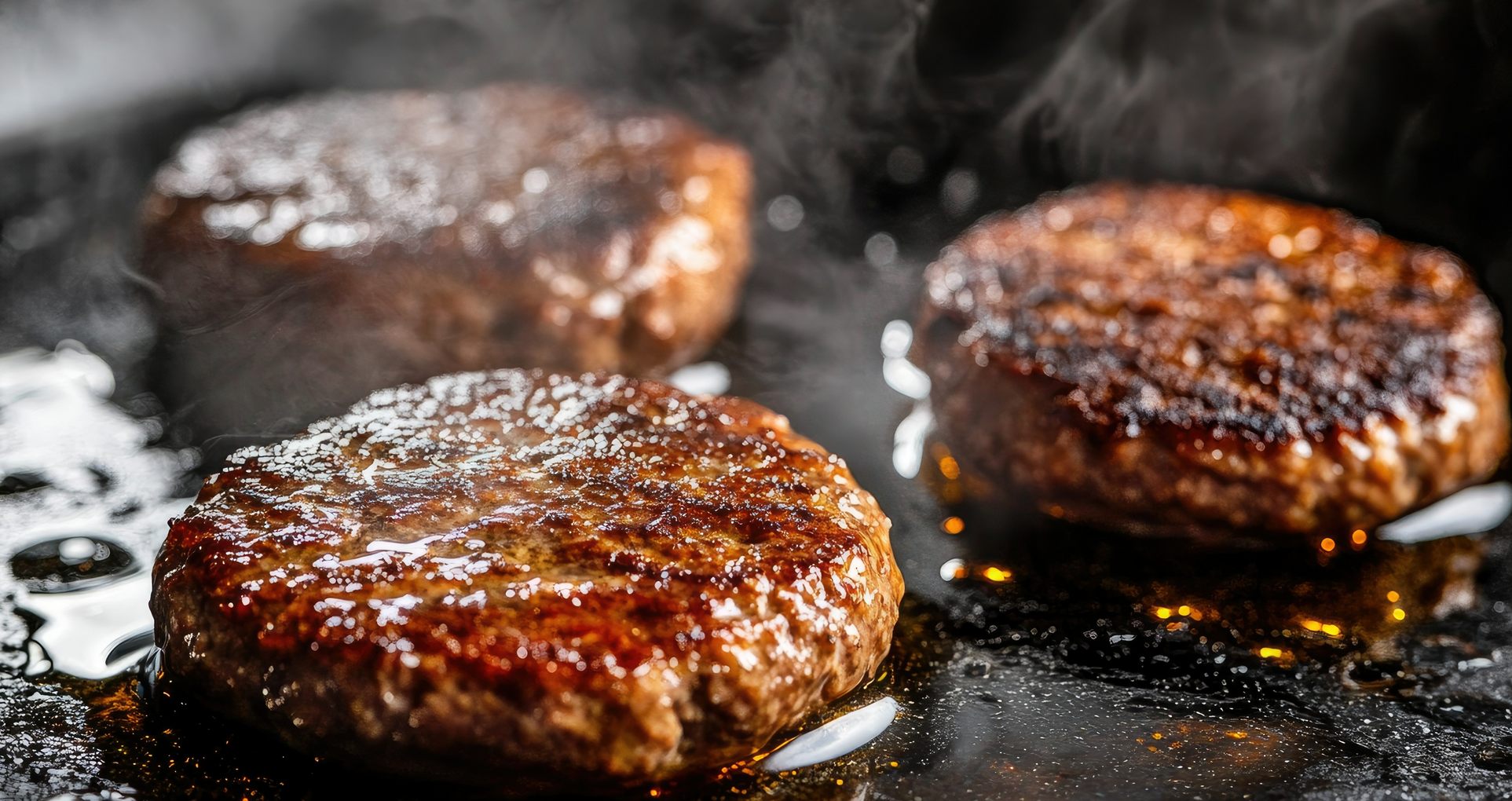
Why Is Ground Beef So Expensive? 7 Factors Driving Up Prices
Burger meat costs are on the rise across the United States. Discover the key reasons why ground beef has become so expensive in recent years.

Author
 RESOURCE
 Purchase Order Template
Use this template to create standardized purchase orders for requesting goods or services from vendors.
Get Free DownloadAccording to recent Toast data, the median burger price on U.S. restaurant menus hit $14.48 in September 2025 — up 3.1% from a year earlier. And it’s not just restaurants feeling the pinch. Government data shows the average price of a pound of ground beef rose to $6.12 in June 2025, nearly 12% higher than a year ago.
Whether you’re grilling at home or serving signature burgers in your restaurant, you’re likely wondering: why is ground beef so expensive right now? The answer lies in a mix of climate challenges, global demand, and higher costs at nearly every step of production.
Key takeaways
Ground beef prices are climbing due to overlapping environmental, economic, and supply chain pressures.
Drought and feed costs continue to tighten cattle supplies and raise production expenses.
Smaller herds and higher labor and fuel costs have ripple effects across the entire beef supply chain.
Strong global demand and inflation keep prices elevated for both restaurants and home cooks.
Restaurant Competitive Analysis Template
Use this free template to size up your competitors, analyze your market, and identify your restaurant’s strengths, all in one place.

1. Drought and feed costs
When weather patterns turn dry, ranchers feel it first. Prolonged droughts across major cattle-producing regions reduce the amount of grass available for grazing and forces ranchers to buy more feed. But feed ingredients like corn and soybeans have also become more expensive due to higher fuel and fertilizer costs.
That one-two punch—less natural pasture and pricier feed—makes raising cattle costlier from the start. Many producers respond by selling off part of their herds early, tightening future beef supplies and driving up prices across the board.
At the same time, the livestock sector is trending toward fewer but larger operations, concentrating animals in smaller areas. This shift brings new challenges beyond cost — including air and water quality concerns, waste management, and worker health risks.
2. Shrinking cattle herds
The U.S. cattle inventory recently hit its lowest level in decades. Years of drought and elevated production costs have led many ranchers to scale back breeding, reducing the number of calves entering the market.
Fewer cattle mean less ground beef available for processors, grocers, and restaurants. That tighter supply chain keeps wholesale prices high—and those increases inevitably trickle down to restaurant menus and grocery store shelves.
According to the U.S. Department of Agriculture (USDA), this dip is part of a natural cattle cycle that plays out over roughly ten years. After reaching a low point in 2025, inventories are expected to rise to about 91.6 million head by 2034. Low supplies in 2026 could drive prices to a record high, before easing slightly and then climbing again toward the end of the decade.
3. Rising production and processing costs
The cost of getting beef from pasture to plate has climbed sharply. Energy and fuel prices affect every stage of the process—from operating farm equipment to running refrigeration and shipping trucks. Add in more expensive packaging materials and higher insurance premiums, and overall production costs stack up fast.
At the same time, labor shortages in meatpacking and processing plants have pushed wages higher. With fewer workers available, plants operate below capacity, slowing output and raising per-pound costs for everyone down the line.
4. Supply chain disruptions
The pandemic’s ripple effects are still being felt in the beef industry. Temporary plant closures, transport bottlenecks, and equipment backlogs disrupted the normal flow of meat production—and recovery hasn’t been uniform across regions.
Even small hiccups at processing facilities can create nationwide slowdowns, causing inventories to thin and prices to rise. These lingering inefficiencies make it harder for producers and restaurants to predict costs, often leading to higher menu prices for customers.
5. Global demand and export pressures
Beef isn’t just in high demand at home—international buyers are driving prices up, too. Countries like China, Japan, and South Korea have ramped up imports of U.S. beef in recent years, drawn by its quality and consistency. When export demand rises, less product remains available for domestic buyers, tightening supply even further.
A weaker U.S. dollar can also make American beef more affordable for overseas markets, fueling even greater export volume. For U.S. restaurants and consumers, that means competing with global buyers—and paying more as a result.
6. Inflation across the food industry
Rising costs aren’t limited to beef. Inflation has pushed up prices on everything from fertilizer and packaging to utilities and transportation. These expenses ripple through every part of the food supply chain, raising the cost of doing business for farmers, processors, and distributors alike.
Restaurants and retailers are left with tough choices: absorb the hit or raise prices to protect already slim margins. For many operators, small menu price adjustments are the only way to stay profitable while maintaining quality.
7. Seasonal and Weather Fluctuations
Mother Nature plays a bigger role in beef prices than many realize. Extreme heat, cold snaps, and unpredictable storms can impact cattle health and limit access to quality feed. When conditions worsen, ranchers spend more on feed and veterinary care, adding to production costs.
Seasonality also matters. As the grilling season kicks in each summer, demand for ground beef rises sharply—just as supply tightens from weather challenges. The result? Temporary price spikes that can ripple from the butcher counter to the restaurant menu.
Make no mis-steak, ground beef is expensive
The high cost of ground beef isn’t driven by a single factor—it’s the result of intersecting pressures across the entire supply chain. Drought, shrinking herds, and rising production costs have all tightened supply, while global demand and inflation have pushed prices higher.
Ultimately, the reason food costs more comes down to simple economics: higher expenses mean pricier patties.
FAQ
How long will ground beef prices stay high?
Industry analysts expect elevated ground beef prices to persist through at least 2026–2027. The USDA projects that cattle inventories will bottom out in 2025, with recovery taking several years due to the natural breeding and growth cycles of cattle.
Why is ground beef more expensive than it used to be?
It’s a mix of long-term and short-term pressures. Drought, shrinking herds, and higher feed and fuel costs have raised production expenses. Add in global demand, inflation, and supply chain challenges that started during the pandemic, and you get consistently higher prices from pasture to plate.
Are imported beef tariffs affecting prices?
Not significantly. The U.S. both exports and imports beef to balance supply and meet demand for different cuts and grades. As Newsweek notes, “analysts say imports are unlikely to lower steak or roast prices.”
How much does ground beef cost for restaurants?
Wholesale ground beef prices vary by region and grade, but most restaurants have seen steady increases over the past two years. The average retail price for consumers hit $6.12 per pound in June 2025 (AP), while restaurant menu prices have followed suit — the median burger price reached $14.48, according to Toast data.


Is this article helpful?
DISCLAIMER: This information is provided for general informational purposes only, and publication does not constitute an endorsement. Toast does not warrant the accuracy or completeness of any information, text, graphics, links, or other items contained within this content. Toast does not guarantee you will achieve any specific results if you follow any advice herein. It may be advisable for you to consult with a professional such as a lawyer, accountant, or business advisor for advice specific to your situation.
 Trending


Subscribe to On the line
Sign up to get industry intel, advice, tools, and honest takes from real people tackling their restaurants' greatest challenges.
By submitting, you agree to receive marketing emails from Toast. We’ll handle your info according to our privacy statement. Additional information for California residents available here.