Selling Restaurant Equipment: 7 Ways To Get the Best Price Fast
Discover strategies for selling your restaurant equipment, whether you need a fast sale or top dollar. Learn how to assess its value and prepare for buyers.
Author
 RESOURCE
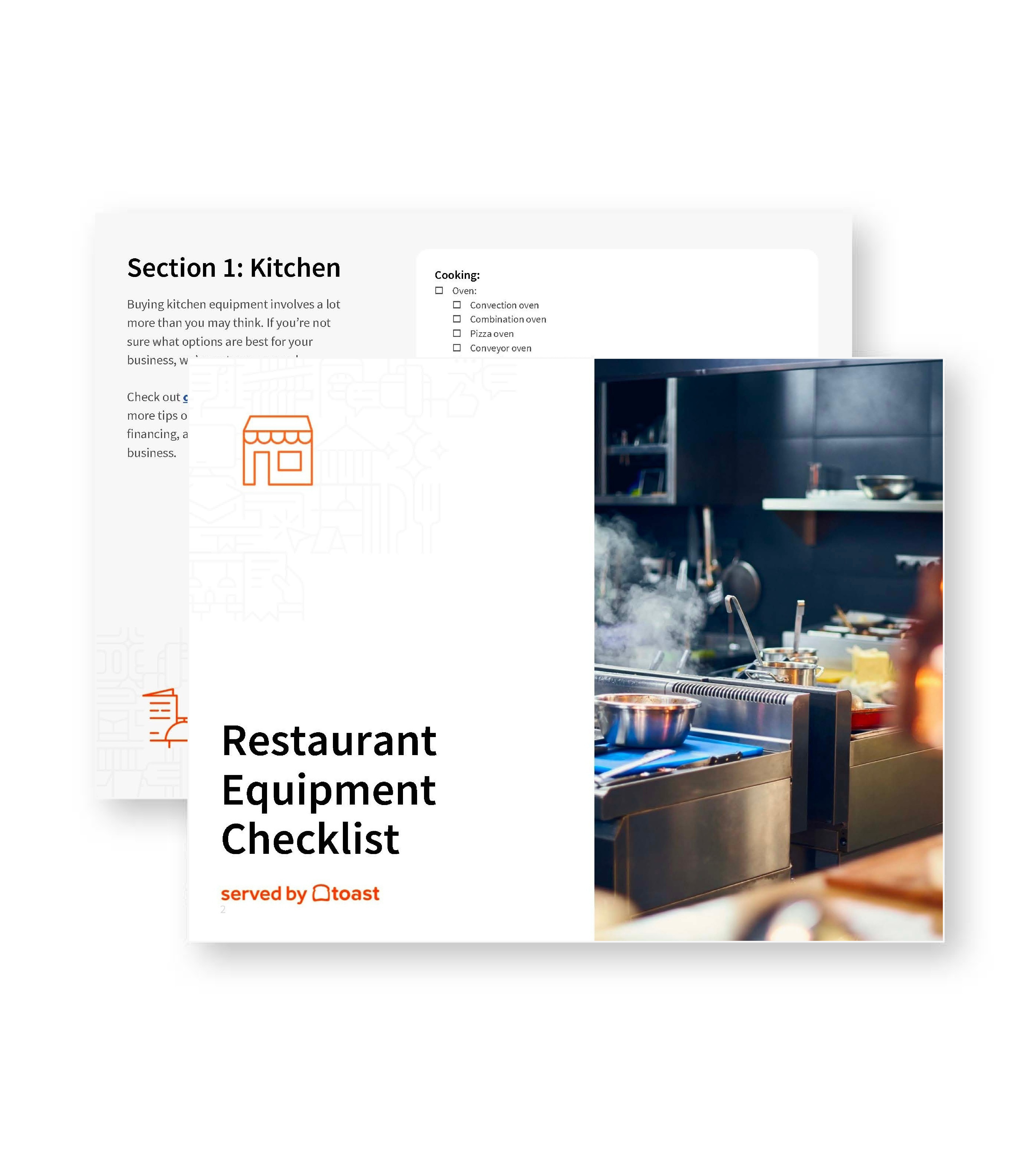
 Restaurant Equipment Checklist
Opening or upgrading a restaurant? Don't miss any essential equipment! Download our free, comprehensive restaurant equipment checklist.
Get Free DownloadHow to Sell Restaurant Equipment: What You Need to Know
Thinking about selling your restaurant equipment? You’re not alone. The used restaurant equipment market is booming, growing from $6.34 billion in 2024 to a projected $8.51 billion in 2028—a 7.6% increase every year.
Why? More food businesses are opening, and owners are looking for high-quality equipment at lower prices. With over 700,000 food service establishments in the U.S., up more than 15,000 from just a few months prior, there’s a growing demand for everything from ovens and fryers to prep tables and refrigerators.
That’s good news for sellers like you! Whether you're upgrading your kitchen, closing a location, or just clearing out extra gear, there are plenty of buyers out there. But selling restaurant equipment isn’t as simple as snapping a photo and posting a listing.
So, let’s take a look at everything you need to know to sell your restaurant equipment quickly and for the best price. We’ll cover how to determine if your equipment is worth selling, how to clean, document, and price it, and the best ways to sell—whether online, through resellers, at auctions, or in your local community.
Key takeaways
Not all equipment retains value, so assess condition, brand reputation, and demand before investing time in the selling process.
Cleaning, testing, and gathering documentation (like maintenance records and manuals) can increase buyer confidence and help you secure a better price.
Research similar listings, factor in age and condition, and be ready to negotiate. Bundling multiple items may attract bulk buyers.
Online marketplaces work well for individual sales, while resellers, auctions, and consignment shops offer faster or more convenient alternatives.
Providing accurate dimensions, arranging proper loading equipment, and discussing removal requirements can help avoid last-minute complications.
How to determine your restaurant equipment’s value
Before diving into the selling process, it’s important to determine whether your equipment is worth the time and effort to sell. Restaurant equipment depreciates over time, and factors like condition, brand reputation, and market demand all impact resale value. As Jay King writes for Upstate Business Journal:
“When a restaurant does close, the chances of recouping much of the tens or hundreds of thousands of dollars invested in equipment are pretty slim, according to Jon Buck, a James Beard award-winning chef and consultant who is based in Greenville… The other challenge is depreciation, he said. Even though commercial kitchen equipment is made to stand up to heavy use and last years, the value can plummet to as little as 10% of what the equipment cost new.”
Ask yourself:
Is the equipment in good working order? Items in excellent condition with minimal wear will fetch a higher price.
Is it a well-known brand? Buyers are more likely to pay for trusted brands with a reputation for durability and performance.
Is there demand for this type of equipment? Some items—like deep fryers, refrigerators, and prep tables—always have a market, while niche or highly specialized equipment may take longer to sell.
By assessing the value first, you’ll make sure your efforts go toward the most worthwhile selling opportunities. If selling isn’t worth your time, consider these alternatives:
Scrap it: Severely damaged equipment may not be worth reselling, but scrap metal dealers can offer a small payout.
Donate it: Culinary schools, food banks, or nonprofit organizations may be able to give your old equipment a second life.
Hire a removal service: Some companies specialize in clearing out and disposing of used commercial kitchen equipment, saving you time and hassle.
How to prepare your restaurant equipment for sale
Once you've determined that your equipment is worth selling, the next step is to get it ready for potential buyers. A little effort upfront can make your items more appealing and help you secure a better price.
Test, clean, and photograph
Buyers want assurance that what they’re purchasing actually works, so test each piece to confirm it operates as expected. If anything needs repairs, consider whether fixing it will add enough value to justify the cost. Likewise, no one wants to buy equipment covered in grease, grime, or food residue. Give everything a deep clean, paying special attention to:
Stainless steel surfaces: Polish to remove smudges and restore shine.
Ovens, fryers, and grills: Degrease and scrub off baked-on residue.
Refrigeration units: Defrost, wipe down shelves, and clear out any lingering odors.
Good pictures are also essential for helping your listing stand out. When taking photos, be sure to:
Use good lighting to highlight details.
Capture different angles, including close-ups of serial numbers and key features.
Show the equipment in use (if possible) to prove it works.
Gather documentation
Having the right documentation can increase buyer confidence and help you secure a better price. Collect any of the following that apply:
Original purchase information: Helps establish the equipment’s age and value.
Maintenance history: Shows that the equipment has been well cared for.
Technical specifications: Provides important details buyers may need.
Recent repairs or upgrades: Highlights improvements that add value.
Operating manuals: Ensures buyers can easily set up and use the equipment.
Warranty information: Can make the equipment more appealing if still valid.
If you don’t have some of these documents, check the manufacturer’s website—many offer downloadable manuals and specs.
Restaurant Equipment Checklist
Opening or upgrading a restaurant? Don't miss any essential equipment! Download our free, comprehensive restaurant equipment checklist.

Determine a fair price
Pricing your equipment correctly is key to a successful sale. Research similar listings to gauge market value, and consider:
Age and condition: Newer, well-maintained equipment will command higher prices.
Brand and model: Well-known, high-quality brands tend to hold their value better.
New retail price vs. used pricing trends: Check industry listings to see how similar equipment is priced.
Market demand: Common equipment like fryers and refrigeration units tend to sell faster than niche or custom-built items.
If you need to sell quickly, pricing slightly below market value can attract more buyers and speed up the process. Be prepared to negotiate, but know your minimum acceptable price beforehand. To strengthen your position:
Have documentation ready: Maintenance records, original purchase receipts, and proof of recent repairs help justify your asking price.
Use market data: Show buyers comparable listings to support your price point.
Consider package deals: If selling multiple pieces, bundling them together can attract bulk buyers.
Plan for transportation
Before finalizing a sale, discuss logistics with your buyer to avoid last-minute complications. Factors to address include:
Provide accurate dimensions and weights: Buyers may need this for transportation planning.
Know access restrictions: If your equipment is in a tight space or upper floor, inform the buyer in advance.
Consider disassembly requirements: Large items may need to be taken apart for transport.
Plan for professional removal: Some buyers prefer to hire professional movers.
Arrange proper loading equipment: Heavy items may require forklifts or dollies for safe transport.
Ensure adequate insurance coverage: If hiring movers, check if they provide insurance for potential damages.
7 best ways to sell restaurant equipment
Now that your equipment is cleaned, tested, and priced, it’s time to find the right buyer. While it might seem overwhelming, selling restaurant equipment can be straightforward if you use the right channels. Whether you’re looking for a quick sale or aiming to maximize your return, here are the best ways to sell your equipment.
1. Online marketplaces
If you have time and want to get the highest return, online marketplaces are your best bet. These platforms let you connect directly with buyers without having to go through a middleman, meaning you keep all the profits.
Best for: Individual sellers who want full control over pricing and are comfortable handling the selling process.
Challenges: Requires time and effort to manage listings, respond to inquiries, and coordinate sales.
Popular online marketplaces
Facebook Marketplace: Ideal for quick local sales with no listing fees. Many restaurant owners search here for deals on used equipment.
Local restaurant Facebook groups: Cities often have private groups where industry professionals buy and sell equipment.
Craigslist: Great for reaching buyers in your city or region, but requires caution when dealing with potential scams.
eBay: Best for specialized or high-value equipment, as it reaches a nationwide audience. However, shipping logistics and fees apply.
Food truck and catering forums: If you’re selling portable equipment, you might find a buyer in these niche communities.
2. Restaurant equipment resellers
If you don’t have the time or patience to find a buyer, selling to a used restaurant equipment dealer is a convenient option. These businesses specialize in buying and reselling commercial kitchen gear, making the process quick and straightforward.
For example, Fred Bush & Associates, a used restaurant equipment dealer, specializes in buying, restoring, and reselling kitchen gear from restaurants that have closed. While a restaurant closure is typically seen as bad news, businesses like Bush’s see it as an opportunity.
Best for: Owners who need to sell quickly and don’t want to deal with listing, negotiating, or shipping.
Challenges: You may get a lower price than selling directly, as resellers need to make a profit.
How it works
You bring your equipment to a reseller, or they may offer pickup services.
They inspect and assess the value of your items.
You receive a cash offer on the spot or enter a consignment agreement (where they sell it for you and take a commission).
Where to find resellers
Local restaurant supply stores that sell used equipment.
Online platforms specializing in restaurant resales.
Business liquidators who handle restaurant closures and surplus inventory.
3. Auction houses
If you’re selling multiple pieces of equipment—like an entire kitchen setup—an auction house can help move everything at once. Restaurant equipment auctions attract buyers looking for bulk deals, making it one of the fastest ways to sell.
For example, in May 2024, Red Lobster abruptly closed over 50 locations across the United States. To manage the closure, the company partnered with a liquidation firm specializing in restaurant asset sales to auction off kitchen equipment, furniture, and fixtures from the shuttered locations. This large-scale auction provided an opportunity for buyers to purchase quality restaurant equipment at competitive prices while helping the company recoup costs quickly.
Best for: Restaurant closures, businesses liquidating assets, or sellers with a high volume of equipment.
Challenges: Prices vary depending on demand, and auction houses take a percentage of the sale as a commission.
How it works
You consign your equipment to an auction house.
They list it in an upcoming auction, either live or online.
Buyers place bids, and the highest bidder wins.
You receive the proceeds after the auction house takes its cut.
Where to find restaurant equipment auctions
Local commercial auction houses.
Online auction platforms
Industry-specific events, like restaurant trade shows and industry expos.
4. Local networking
Sometimes, the easiest way to sell restaurant equipment is to tap into your local foodservice community. Many restaurant owners, food truck operators, and caterers are on the lookout for quality used equipment at a fair price.
For example, Another Round, a kitchen supply store in Pennsylvania, relocated to New Cumberland to expand its ability to serve local buyers and sellers, reinforcing the strong local demand for pre-owned restaurant equipment.
Best for: Selling quickly to trusted buyers without listing fees or third-party involvement.
Challenges: Limited reach—your network may not always have interested buyers.
How to spread the word
Talk to other restaurant owners: Nearby businesses might need replacement equipment or know someone who does.
Reach out to food truck operators and caterers: They often need affordable, portable equipment.
Tell your suppliers and vendors: They work with multiple restaurants and may connect you with a buyer.
Put up a sign in your restaurant: If you’re still open, advertise your sale to customers or employees who might be interested.
5. Trade-ins with equipment suppliers
If you’re replacing old equipment with new models, some restaurant equipment suppliers offer trade-in programs. Instead of selling your equipment outright, you can apply its value toward your next purchase.
While this option won’t maximize profits, it’s a hassle-free way to save money on new purchases, especially if your equipment still has decent resale value.
Best for: Restaurants upgrading equipment who want to reduce the cost of new purchases.
Challenges: Trade-in values are usually lower than what you’d get from selling directly.
How it works
Contact your equipment supplier to see if they accept trade-ins.
Get an estimate of your equipment’s trade-in value.
Apply the trade-in amount toward your new equipment purchase.
Suppliers that may offer trade-ins
Large online restaurant equipment dealers.
Local restaurant supply stores.
Manufacturers that offer trade-in promotions for upgrading to newer models.
6. Professional liquidators
If you’re closing a restaurant, remodeling, or liquidating a large inventory of equipment, working with a professional liquidator can save time and effort. These companies specialize in quickly selling off assets, often handling everything from valuation to removal.
Best for: Restaurant owners looking to sell a large amount of equipment quickly with minimal effort.
Challenges: Liquidators often offer lower prices than direct sales, as they need to turn a profit on resale.
How it works
A liquidator assesses your equipment and offers an upfront cash payment or organizes a bulk sale.
Some liquidators host on-site liquidation sales, where buyers visit your restaurant to purchase items directly.
Others list your equipment on their own resale platforms or include it in their next big auction.
Where to find liquidators
Local restaurant liquidators.
National liquidation services.
Auction houses with liquidation services.
7. Consignment shops
If you’re not in a rush to sell, restaurant equipment consignment shops can help you get a better price without the hassle of handling the sale yourself. Unlike liquidators (who typically buy your equipment upfront), consignment shops display and sell your equipment on your behalf, taking a commission when it sells.
Best for: Sellers who don’t need immediate cash and are willing to wait for a higher payout.
Challenges: Items may take weeks or months to sell, and consignment shops take a percentage of the final sale price.
How it works
You drop off your equipment at a consignment store.
They inspect, price, and list it for sale in their showroom or online.
When the item sells, they take a cut (often 20-50%) and pay you the remaining amount.
Where to find consignment shops
Local used restaurant equipment stores.
Online consignment platforms.
What’s the best method for selling restaurant equipment?
The best way to sell your restaurant equipment depends on how quickly you need to move it and how much effort you want to put in. If speed’s your priority, auctions or resellers are your best bet. If you want top dollar, direct sales through online marketplaces or networking will yield the best results.
With the right approach, you’ll turn your old restaurant equipment into cash while helping another business put it to good use!
Is this article helpful?
DISCLAIMER: This information is provided for general informational purposes only, and publication does not constitute an endorsement. Toast does not warrant the accuracy or completeness of any information, text, graphics, links, or other items contained within this content. Toast does not guarantee you will achieve any specific results if you follow any advice herein. It may be advisable for you to consult with a professional such as a lawyer, accountant, or business advisor for advice specific to your situation.

Subscribe to On the line
Sign up to get industry intel, advice, tools, and honest takes from real people tackling their restaurants' greatest challenges.
By submitting, you agree to receive marketing emails from Toast. We’ll handle your info according to our privacy statement. Additional information for California residents available here.