
Sales Tax on Restaurant Food: A Simple Guide
Sales tax on restaurant food can be confusing, but it's essential for staying compliant. Learn what to look out for.

Author
 RESOURCE
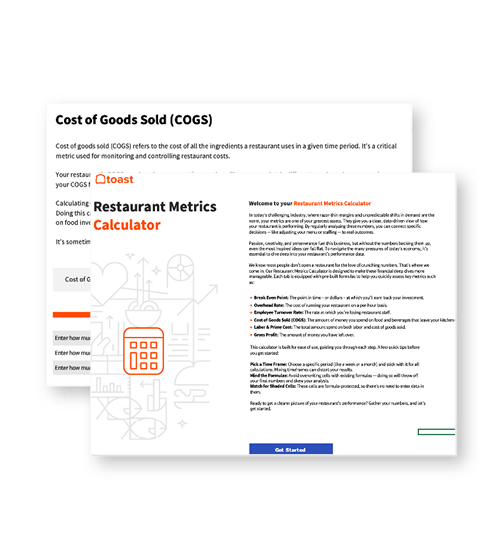
 Restaurant Metrics Calculator
Use this free calculator to calculate the key restaurant metrics needed to understand the health and success of your business.
Get Free DownloadBetween differing state rules, local add-ons, and special categories like alcohol or delivery fees, restaurant sales tax can be confusing. Fortunately, with a clear understanding of how taxes apply to restaurants, you can charge customers correctly, stay compliant, and avoid costly surprises.
In this article, we’ll break down what sales tax is, why it varies so much, and how you can set up your restaurant to handle it smoothly.
Key takeaways
Sales tax on restaurant food varies widely depending on state, city, and even the type of food or service offered.
Prepared meals are usually taxable, while groceries often are not, reflecting how lawmakers distinguish between essentials and discretionary spending.
Complexity comes from exceptions like alcohol, delivery fees, and constant updates to tax laws, which can catch operators off guard.
Compliance is manageable with the right systems—clear POS settings, trained staff, accurate records, and on-time filings keep your restaurant protected.
What is sales tax on restaurant food?
Sales tax on restaurant food is a state or local tax added to the cost of prepared meals and beverages. While guests ultimately pay it at the register, it’s the restaurant’s responsibility to calculate, collect, and remit the tax to the proper authorities.
At its core, sales tax is designed to fund state and local services, but how it applies to food can vary widely. Most states make a clear distinction between prepared food (like a sandwich made to order) and groceries (like a loaf of bread from a store). Prepared food is almost always taxable, while groceries often are not.
The differences in sales tax rates go back to how lawmakers have historically balanced revenue needs with fairness. Groceries are often treated as necessities and left untaxed to ease the burden on households, while restaurant meals and prepared foods are considered discretionary spending and therefore taxable.
For restaurants, this means that nearly every item sold for immediate consumption—whether dine-in, takeout, or delivery—will include sales tax. However, the exact rate and rules depend on your location and the type of food or beverage being sold.
Why sales tax can be complicated for restaurants
Sales tax may seem simple on the surface—add a percentage to each sale—but in practice, restaurants face a maze of rules and exceptions. A few reasons it gets tricky:
State and local differences: Each state sets its own sales tax laws, and some cities or counties add their own rates. For example, Pennsylvania has a 6% state sales tax, but Philadelphia adds an extra 2%. The same meal could have the same pre-tax subtotal, yet the guest in Philadelphia pays more tax than the guest in another city.
Prepared food vs. groceries: Some states exempt grocery items but tax prepared meals, making the distinction critical if you sell both.
Alcohol rules: Beer, wine, and spirits are often taxed at higher rates or under separate regulations, adding another layer of complexity.
Delivery and service charges: Depending on the state, fees for delivery, packaging, or even certain service charges may also be taxable.
Constant updates: Tax laws and rates can change regularly, requiring restaurants to keep a close eye on compliance.
Best practices with restaurant sales tax
Sales tax rules can be confusing, but staying compliant doesn’t have to be overwhelming. A few best practices can help your restaurant avoid penalties and keep operations running smoothly:
Know your local rules: State and municipal tax codes vary, so check with your local tax authority or a trusted advisor. For example, Delaware doesn’t collect any sales tax, while in cities like Chicago, combined state and local rates can exceed 10%.
Separate taxable and non-taxable items: Configure your POS system to distinguish between categories (e.g., hot food vs. groceries, alcohol vs. non-alcoholic beverages). This prevents errors at checkout.
Train your team: Make sure staff understand which items are taxable, how to apply tax to delivery or service charges, and how to answer guest questions.
Keep detailed records: Accurate, organized records of sales and taxes collected are essential for reporting and audit protection.
File and pay on time: States set specific filing schedules (monthly, quarterly, or annually). Missing deadlines can result in penalties and interest.
Restaurant sales tax doesn’t have to be taxing
Sales tax on restaurant food may not be the most exciting part of running a business, but it’s one of the most important. With rules that shift by state, city, and even food type, staying compliant takes attention to detail.
The good news: with the right systems in place—clear processes, staff training, and reliable POS tools—you can handle sales tax smoothly while focusing on what really matters: serving guests.
Restaurant Metrics Calculator
Use this free calculator to calculate the key restaurant metrics needed to understand the health and success of your business.

Frequently asked questions
Do all restaurants have to collect sales tax on food?
In most states, yes. Prepared food is generally taxable, so restaurants are required to collect sales tax from guests and remit it to the state or local authority. The exact rules depend on your location.
Is sales tax the same for dine-in and takeout orders?
Not always. Many states treat them the same, but some have different rules for takeout or delivery, especially when it comes to packaging or delivery fees.
How often do restaurants need to remit collected sales tax?
Filing schedules vary by state. Some require monthly filings, while others use quarterly or annual deadlines. Staying on top of your schedule is key to avoiding penalties.
What happens if a restaurant fails to collect or remit sales tax properly?
Mistakes can lead to fines, interest, or even audits. Consistent record-keeping and timely filings are the best safeguards.
Can restaurants use the same sales tax rate for all menu items?
Not always. Alcohol, soft drinks, and prepared meals may be taxed differently than grocery-type items or exempt beverages. A well-configured POS system helps apply the correct rates automatically.
Is this article helpful?
DISCLAIMER: This information is provided for general informational purposes only, and publication does not constitute an endorsement. Toast does not warrant the accuracy or completeness of any information, text, graphics, links, or other items contained within this content. Toast does not guarantee you will achieve any specific results if you follow any advice herein. It may be advisable for you to consult with a professional such as a lawyer, accountant, or business advisor for advice specific to your situation.
 Trending


Subscribe to On the line
Sign up to get industry intel, advice, tools, and honest takes from real people tackling their restaurants' greatest challenges.
By submitting, you agree to receive marketing emails from Toast. We’ll handle your info according to our privacy statement. Additional information for California residents available here.