
Retail Price Monitoring: How To Be Profitable in a Volatile Market
Retail price monitoring helps you stay profitable in an unpredictable market. Learn how to track, adjust, and optimize prices to protect your margins.
Author
 RESOURCE
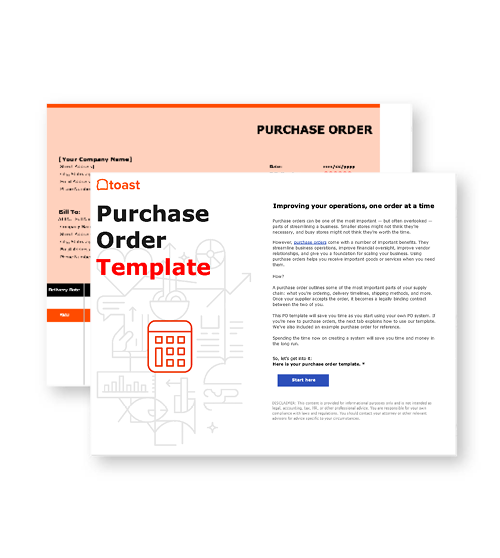
 Purchase Order Template
Use this template to create standardized purchase orders for requesting goods or services from vendors.
Get Free DownloadPrices don’t stay still, and neither does the world around them. From supplier cost changes to competitor promos, even small shifts can ripple through your margins. And in today’s economy, pricing strategies are more complex than ever.
“It’s some of the highest levels of uncertainty that I’ve seen over my 25-year career,” explained Robert Haslehurst, leader of global pricing practice at L.E.K. Consulting. He said that only the first weeks of COVID-19 and the 2008 financial crisis compare to the unpredictability businesses face now, with tariffs, global supply chain shifts, and evolving consumer behavior all in play.
That’s why retail price monitoring has never been more important. Whether you run a restaurant or a retail shop, staying on top of your pricing helps you stay competitive, protect your margins, and respond quickly when things change. In this guide, we’ll break down what price monitoring is, why it matters, and how to put it into action.
Key takeaways
Price monitoring protects your margins by helping you respond quickly to supplier cost changes, shifting demand, and competitor moves.
Smart pricing isn’t just reactive—it’s strategic, using audits, rules, and data to guide decisions rather than guesswork.
Align prices with real-time costs and inventory levels to avoid margin loss and move unsold stock before it becomes dead weight.
Customer perception matters—use feedback and sales data to find the pricing sweet spot that drives profit without scaring people off.
The right tools make all the difference, from POS systems that track margins to automated alerts that flag pricing issues before they snowball.
Retail Marketing Plan
Create a marketing plan that'll drive repeat business with this customizable marketing playbook template and interactive calendar.

What is retail price monitoring?
Retail price monitoring means keeping a close eye on your prices and adjusting them when needed. It applies to both in-store and online pricing and helps make sure your prices stay competitive, profitable, and aligned with your costs.
After all, prices can shift quickly. Ingredient costs change, customer demand goes up and down, and competitors run sales. Regular price monitoring helps you catch outdated prices, avoid lost revenue, and make confident decisions about what to charge.
Why is retail price monitoring important?
Staying on top of your pricing isn’t just about staying competitive—it’s about protecting your margins and making smarter decisions every day. Here’s why it matters:
Avoid lost revenue: Outdated prices can mean selling items for less than they’re worth, or more than customers are willing to pay.
Keep pricing consistent: Customers notice when prices jump around. Monitoring helps build trust by keeping pricing fair and aligned across locations and channels.
React quickly to change: Ingredient costs rise, competitors run promos, or a product suddenly takes off. Price monitoring helps you respond fast without scrambling.
Support smarter promotions: When you know your margins and how pricing affects sales, it’s easier to create discounts that drive traffic without eating into profits.
Key retail pricing metrics to monitor
Tracking the right metrics helps you fine-tune pricing without guesswork. Keep an eye on these to help you avoid pricing blind spots—and make changes that boost your bottom line:
Cost of goods sold (COGS): The baseline for your pricing strategy. If supplier costs change, your prices may need to follow.
Competitor pricing: Stay aware of what similar businesses are charging—both locally and online—so you can stay competitive without racing to the bottom.
Inventory levels and turnover: High stock with slow sales? You may need to lower prices. Low stock that flies off the shelves? Consider raising them.
Price elasticity: How sensitive are your customers to changes in price? If a small increase drops sales, your items might be price-sensitive.
Sales velocity: Track how fast each item sells. If a bestseller slows down, pricing may be the issue.
How to set up your retail price monitoring process
Price monitoring doesn’t have to be overwhelming, especially when you break it into clear, manageable steps. Here’s how to build a system that helps you stay competitive, protect margins, and adapt fast when things change.
1. Start with a pricing audit
Before adjusting prices, you need a clear picture of where things stand. A pricing audit helps you spot outdated prices, inconsistencies across locations or channels, and items that may be underperforming. Look for:
Items with stagnant sales or shrinking margins.
Pricing that doesn’t reflect recent supplier cost changes.
Menu or product prices that vary across in-store and online platforms.
Regular audits give you the insight to make smarter pricing decisions—and catch small issues before they become bigger problems.
2. Set price rules and thresholds
Once you’ve audited your prices, it’s time to put systems in place. Setting rules and thresholds helps you stay consistent and avoid reactive decisions. For example:
Flag items when profit margins drop below a set percentage.
Set upper and lower price limits based on customer sensitivity.
Create automatic alerts for items with sudden cost changes.
These rules act as guardrails, keeping your pricing aligned with your business goals while still leaving room to adapt when needed.
3. Align prices with inventory and vendor costs
Your prices should reflect what it actually costs to sell each item—otherwise, your margins could shrink without you even realizing it. That’s why it’s essential to sync pricing updates with both inventory levels and vendor costs.
If ingredient or supply costs rise, adjust prices accordingly to protect your bottom line.
If a product isn’t selling, consider a price drop or promotion to move it before it becomes dead stock.
For restaurants, menu pricing should account for food cost percentages and portion sizes.
This balance between cost pressures and pricing strategy is playing out in real time for global retailers. H&M, for example, recently flagged higher freight and purchasing costs due to a stronger U.S. dollar and ongoing tariff uncertainty.
The fashion retailer is closely tracking competitor pricing and weighing strategic price hikes to offset those increases, while staying mindful of customer price sensitivity. As CEO, Daniel Erver put it:
“With good flexibility in the supply chain and through the pricing of the customer offering, there are opportunities to adapt the business to changed conditions.”
When pricing is informed by real-time data—and paired with a flexible, customer-aware approach—you can avoid surprises and make smarter, faster adjustments.
4. Fine-tune with customer feedback and sales data
Pricing isn’t just about math—it’s also about perception. What customers are willing to pay, how they respond to price changes, and which items they consistently skip can all offer valuable insight.
Use sales reports to identify bestsellers and slow movers.
Listen to customer feedback—if people are constantly calling a dish “overpriced,” it might be time to re-evaluate.
Test small pricing adjustments to see how they impact demand.
Some companies even go beyond current data to predict pricing trends. Kayla Inserra DeLoache, consumer travel trends expert at Kayak, explains, “We use data to determine what will happen to prices in the next few days to help you know the right time to book.”
Their price alerts use predictive analytics to recommend the ideal booking time. The goal is to find the sweet spot where your prices make sense to customers and support healthy profit margins.
5. Use POS systems and price monitoring tools
Modern POS systems go way beyond ringing up sales—they’re your pricing command center. With the right tools, you can track real-time sales, adjust prices across locations, and even set alerts for margin dips or pricing mismatches.
For restaurants: Choose a POS with menu engineering tools that factor in food cost percentages, portion sizes, and vendor prices.
For retailers: Look for POS systems that integrate with inventory tracking and support bulk pricing updates or markdown rules.
Across the board: Use built-in analytics to spot trends, compare performance across SKUs or dishes, and make data-driven pricing changes.
6. Know when to adjust prices
Retail price monitoring isn’t just about watching numbers—it’s about knowing when to act. While staying agile is essential, it’s just as important to avoid impulsive decisions that could undermine long-term growth. Marc Harris, head of finance at Ickle Bubba, a baby product and pushchair retailer, puts it plainly:
“Cost-cutting measures must be approached with caution; overzealous reductions could harm growth opportunities or disrupt plans for new product launches… Balancing immediate challenges with a long-term perspective is essential to maintaining strategic momentum and avoiding unintended consequences.”
With that in mind, here are common triggers that should prompt a pricing review:
Supplier cost changes: If vendor prices go up, your margins can shrink fast. Monitor supplier invoices and adjust your prices accordingly to protect profits.
Shifts in demand: Is a product flying off the shelves—or collecting dust? Use sales velocity data to respond with smart price increases or discounts.
Competitor changes: If your main competitor drops prices, staying competitive might mean adjusting yours (but strategically—don’t race to the bottom).
Seasonal trends and holidays: High-demand seasons are perfect for premium pricing. During slow periods, temporary discounts can drive traffic without permanent price cuts.
Inventory levels: Overstocked? Markdowns can help clear space. Running low? Raising the price slightly can stretch inventory and increase margin.
Price monitoring for retail stores vs. restaurants
While retail and restaurants both rely on smart pricing to stay competitive and profitable, the strategies and tools they use can look a little different. Despite their differences, the goal is the same: set the right price at the right time to drive revenue, protect margins, and give customers a reason to come back.
Menu Engineering Worksheet
Use this menu engineering worksheet, complete with intricate menu engineering formulas, to determine areas of strength and weakness in your restaurant's menu.
Retail stores
In retail, staying on top of pricing is essential for keeping margins healthy and customers coming back. Whether you sell apparel, electronics, or specialty goods, small changes in pricing can have a big impact on sales and profits.
SKU-level pricing: With hundreds (or thousands) of SKUs, even a few outdated prices can lead to lost revenue or confused customers. Price monitoring tools help ensure each item stays competitively and correctly priced.
Seasonal adjustments: Retail is heavily influenced by seasons and trends. Price monitoring helps you plan timely markdowns, roll out sales at the right moment, and avoid getting stuck with unsold seasonal stock.
Competitor tracking: Online and in-store shoppers compare prices constantly. Many retailers use automated tools to track competitor pricing and adjust accordingly.
Demand-based changes: When certain products start flying off the shelves (or collecting dust), real-time sales data helps you adjust pricing to match demand.
Restaurants
For restaurants, pricing isn’t just about covering costs—it’s about crafting a menu that’s both appealing and profitable. With rising ingredient costs and shifting customer preferences, restaurants need to stay adaptable.
Menu costing and food cost percentage: Each dish needs to be priced to maintain a healthy food cost percentage, typically around 28–35%. That means calculating the exact cost of every ingredient, portion size, and prep component.
Vendor cost fluctuations: Ingredient prices change frequently. Price monitoring helps you react quickly when vendor costs rise, so you can adjust pricing or portions to protect margins.
Inventory-linked pricing: Integrating pricing with your inventory system helps you make data-backed adjustments. If a high-cost item isn’t selling or is going to waste, it may be time to reprice or replace it.
Menu engineering: Price monitoring supports smart menu design. You can identify and highlight high-margin bestsellers and reevaluate underperforming or low-margin items.
The price is right—when you monitor it
Whether you run a retail store or a restaurant, retail price monitoring helps you stay agile in an ever-changing market. It gives you the data to make smarter decisions, avoid margin killers, and respond quickly to changes in costs, demand, or competition.
With the right tools and a thoughtful strategy, you’ll do more than just keep up—you’ll get ahead. Start small, stay consistent, and let pricing work for you.


Is this article helpful?
DISCLAIMER: This information is provided for general informational purposes only, and publication does not constitute an endorsement. Toast does not warrant the accuracy or completeness of any information, text, graphics, links, or other items contained within this content. Toast does not guarantee you will achieve any specific results if you follow any advice herein. It may be advisable for you to consult with a professional such as a lawyer, accountant, or business advisor for advice specific to your situation.
 Trending


Subscribe to On the line
Sign up to get industry intel, advice, tools, and honest takes from real people tackling their restaurants' greatest challenges.
By submitting, you agree to receive marketing emails from Toast. We’ll handle your info according to our privacy statement. Additional information for California residents available here.