
Top 10 Most Successful Businesses to Start Right Now
The best business ideas are grounded in real demand. Explore the top 10 most successful businesses to start right now, based on SBA industry data.

Author
 RESOURCE
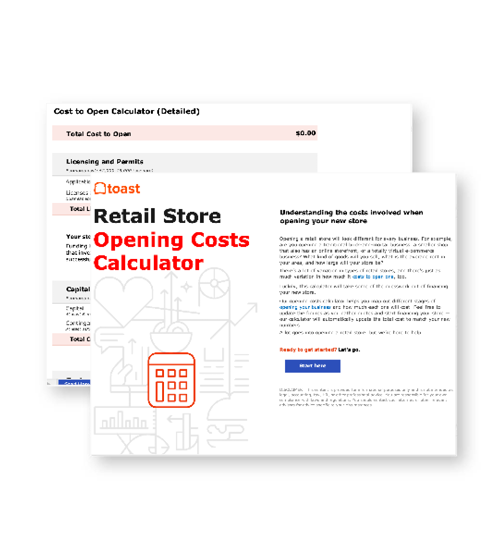
 Retail Store Opening Costs Calculator
This free calculator lays out some of the fundamental financial costs of opening a retail store, so you can start planning and bring your dream business to life.
Get Free DownloadIf you’ve ever dreamed of starting your own business, you’ve probably wondered: what kinds of businesses are actually successful? The good news is, we don’t have to guess. The U.S. Small Business Administration (SBA) tracks how many small businesses exist in each industry, giving us a clear picture of where entrepreneurs are thriving.
We’ve used that data to round up the top 10 most successful types of businesses to start right now. From professional services to food, retail, and creative ventures, these industries are packed with opportunities for anyone ready to take the leap.
Key takeaways
The most successful small businesses thrive in industries that meet everyday, local needs.
Service-based businesses like professional consulting, construction, and personal services dominate the small business landscape.
Essential industries such as health care, transportation, and retail continue to offer stable opportunities regardless of economic cycles.
Hospitality, food, and creative sectors provide room for innovation and community connection despite higher competition.
Aligning your skills and passions with proven, in-demand industries increases your chances of long-term success.
Retail Store Opening and Closing Checklist
Use this free PDF checklist to set your staff up for success, every shift.

1. Professional, scientific, and technical services
This sector is the largest category of small businesses in the U.S., with more than 4.5 million active firms. It covers a wide range of services, from accounting and legal consulting to marketing, graphic design, IT support, and specialized technical consulting.
Why it’s successful
Demand for expertise never goes out of style. Companies of all sizes — from startups to large corporations — often turn to outside professionals instead of hiring in-house. That creates steady client demand while keeping overhead low for service providers.
Examples of businesses you can start in this category
Bookkeeping and tax prep services
Digital marketing and SEO consulting
Web development or IT support
Architectural or engineering services
Management or HR consulting
2. Construction
Construction is the second-largest small business sector in the U.S., with more than 3.6 million active firms. This category covers everything from residential remodeling and homebuilding to specialty trades like roofing, plumbing, and electrical work.
Why it’s successful
Construction is always in demand. Whether it’s homeowners upgrading their spaces, businesses expanding, or cities investing in infrastructure, skilled trades and contractors are essential. Many small construction firms thrive on local projects, referrals, and repeat customers.
Examples of businesses you can start in this category
Residential remodeling or renovation
Roofing or siding installation
Plumbing or HVAC services
Electrical contracting
General handyman services
3. Other services (except public administration)
With more than 3.5 million small businesses, this category is a catch-all for many service-oriented companies that don’t fit neatly into other sectors. It often includes personal services like salons, auto repair shops, dry cleaners, pet care, and repair/maintenance services.
Why it’s successful
These businesses thrive because they meet everyday, local needs that can’t easily be outsourced or automated. Whether it’s fixing a car, grooming a pet, or tailoring clothes, communities rely on these services regularly, creating stable demand.
Examples of businesses you can start in this category
Auto repair or detailing shop
Hair or nail salon
Pet grooming or boarding service
Dry cleaning or alterations
Home and appliance repair
4. Transportation and warehousing
This sector accounts for 3.4 million small businesses in the U.S., covering everything from delivery services and trucking companies to logistics, moving services, and storage facilities.
Why it’s successful
With the continued rise of e-commerce and just-in-time supply chains, businesses and consumers both rely on fast, reliable transportation and storage. Small operators can carve out niches in local delivery, specialty freight, or warehousing solutions without competing directly with big national carriers.
Examples of businesses you can start in this category
Local courier or last-mile delivery service
Moving company
Freight brokerage or logistics consulting
Self-storage facility
Specialty transportation (e.g., refrigerated or medical supply delivery)
5. Real estate and rental leasing
This sector represents 3.3 million small businesses in the U.S., spanning real estate agents, property managers, equipment rental companies, and short-term lodging operators.
Why it’s successful
Real estate and rentals thrive because people and businesses always need space — whether it’s housing, offices, or equipment. Small players can succeed by focusing on local markets, offering personalized service, or meeting niche rental needs that larger firms overlook.
Examples of businesses you can start in this category
Residential or commercial real estate agency
Vacation rental management
Property management for landlords
Equipment or party supply rental business
Car or truck rental service
6. Administrative and support services
This sector covers 2.9 million small businesses that provide critical behind-the-scenes support to other companies. It includes services like office administration, staffing, travel planning, security, and janitorial or landscaping services.
Why it’s successful
Every business needs reliable support to keep operations running smoothly, but many prefer outsourcing rather than managing these functions in-house. This creates steady demand across industries, with relatively low barriers to entry for entrepreneurs.
Examples of businesses you can start in this category
Virtual assistant or office administration service
Staffing or recruiting agency
Commercial cleaning or janitorial service
Landscaping and grounds maintenance
Travel planning or corporate event coordination
7. Retail trade
Retail trade makes up 2.9 million small businesses in the U.S., covering everything from local boutiques to convenience stores to e-commerce shops.
Why it’s successful
Retail connects directly with consumer demand. Whether selling in-person or online, small businesses can succeed by carving out niches, curating unique products, or serving specific communities with convenience and care.
Examples of businesses you can start in this category
Clothing or specialty boutique
Online store through Shopify, Etsy, or Amazon
Niche retail (candy, books, home décor, etc.)
Thrift, vintage, or resale shop
8. Health care and social assistance
With 2.7 million small businesses, this sector includes everything from private medical practices to counseling, child care, and elder care services. It’s one of the most resilient industries, as people consistently need health and support services.
Why it’s successful
Health care and social assistance thrive on essential demand. Communities rely on accessible providers for everyday needs, and small businesses often fill gaps left by larger institutions. Rising demand for mental health, senior care, and personalized wellness makes this a growing opportunity.
Examples of businesses you can start in this category
Private medical or dental practice
Child care center or home-based daycare
Counseling, therapy, or life coaching
Senior care or home health services
Wellness clinics (physical therapy, nutrition, holistic health)
9. Arts, entertainment, and recreation
This sector includes over 1.5 million small businesses spanning fitness studios, performing arts, independent artists, museums, amusement and recreation activities, and more. It’s a diverse category fueled by people’s desire for culture, creativity, and wellness.
Why it’s successful
Whether it’s joining a gym, taking a dance class, or attending a concert, this industry thrives on offering customers memorable, enriching, or health-boosting activities. Small businesses have an advantage here by tailoring offerings to local tastes and building strong community connections.
Examples of businesses you can start in this category
Fitness or yoga studio
Art gallery or creative workshop space
Event planning or live entertainment business
Dance, music, or martial arts school
Recreation service like indoor sports, climbing gyms, or guided outdoor activities
10. Accommodation and food services
With about 1 million small businesses, this sector covers restaurants, bars, catering services, hotels, motels, and other hospitality ventures. It’s one of the most visible industries in local communities, providing essential services that people rely on every day.
Why it’s successful
Food, lodging, and hospitality are timeless needs. While competition can be fierce, the industry offers countless niches—from boutique hotels to specialty restaurants—that allow entrepreneurs to carve out loyal customer bases. The rise of delivery, online booking, and experience-driven dining also creates new opportunities for growth.
Examples of businesses you can start in this category
Restaurant, café, or food truck
Bed-and-breakfast or boutique hotel
Catering service for events and corporate clients
Bar, brewery, or wine bar
Specialty dessert or beverage shop
Where passion meets profit
From professional services to food and hospitality, the most successful small businesses share one thing in common: they meet real, everyday needs in their communities. The key is to align your skills and passions with a proven sector that fits your local market.
As business coach Samantha Fackler notes, success isn’t just about picking the right industry—it’s also about adaptability:
“The entrepreneurs who navigate change most effectively have two things going: crystal clear vision and complete flexibility on execution … when market feedback contradicts your assumptions, don’t take it personally—treat it as valuable data.”
Whether you’re starting solo or building a team, there’s no shortage of opportunity to launch a thriving small business.
Retail Marketing Plan
Create a marketing plan that'll drive repeat business with this customizable marketing playbook template and interactive calendar.
FAQ
What makes a business successful?
Successful businesses share two traits: they meet real, ongoing needs and they adapt quickly to changing markets. Choosing an industry with consistent demand gives you a strong foundation, while flexibility keeps you competitive.
How much money do I need to start a successful business?
Startup costs vary widely. Service-based businesses like consulting or bookkeeping can launch with just a few thousand dollars or less, while restaurants, construction firms, or retail shops often require larger investments for equipment, space, and staff.
What are the most profitable industries for small businesses?
Professional services, health care, real estate, and specialty trades tend to be among the most profitable sectors. These industries combine steady demand with opportunities to scale and specialize.
How long does it take for a new business to become profitable?
Most small businesses take 1–3 years to turn a profit, depending on industry, overhead, and market conditions. Service-based businesses often reach profitability faster, while brick-and-mortar operations may take longer due to higher upfront costs.
What's the biggest challenge facing new business owners?
The biggest hurdle is balancing growth with sustainability. Many entrepreneurs underestimate expenses, overestimate early revenue, or struggle with marketing and customer acquisition. Careful planning and realistic budgeting help smooth the path forward.


Is this article helpful?
DISCLAIMER: This information is provided for general informational purposes only, and publication does not constitute an endorsement. Toast does not warrant the accuracy or completeness of any information, text, graphics, links, or other items contained within this content. Toast does not guarantee you will achieve any specific results if you follow any advice herein. It may be advisable for you to consult with a professional such as a lawyer, accountant, or business advisor for advice specific to your situation.
 Trending



Subscribe to On the line
Sign up to get industry intel, advice, tools, and honest takes from real people tackling their restaurants' greatest challenges.
By submitting, you agree to receive marketing emails from Toast. We’ll handle your info according to our privacy statement. Additional information for California residents available here.