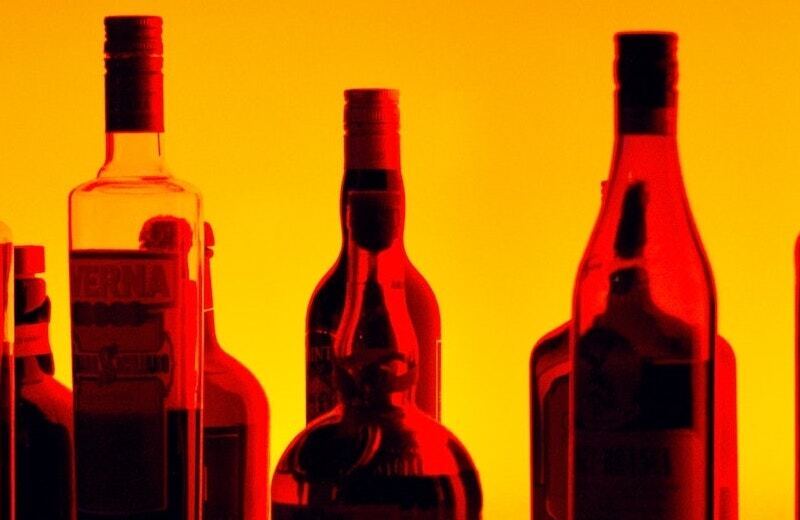
Creative and Practical Bar Lighting Ideas: A Complete Guide
Want to take your bar from good to unforgettable? The secret is in the lighting — here’s how.

Author
 RESOURCE
 Bar Business Plan Template
Use this free bar business plan template to easily create a great business plan that organizes your vision and helps you start, grow, or raise funding for your bar.
Get Free DownloadBar lighting is more than just illumination — it's an essential element that shapes the atmosphere, influences customer behavior, and can make or break the success of your establishment. Whether you're running a cozy neighborhood pub, an upscale cocktail lounge, or a vibrant nightclub, the right lighting can transform your space from ordinary to extraordinary.
Good lighting also ensures safety and functionality, highlights your products, and enhances your guests' experience. When done right, lighting can increase drink sales, encourage longer stays, and even influence customer behavior. Research shows that 74% of customers extend their stay in a bar when the lighting creates a relaxed and inviting atmosphere. This increased time often translates to higher spending on drinks and overall sales, making thoughtful lighting a key factor in boosting revenue.
In this guide, we'll explore practical, implementable lighting ideas that can work for any bar, regardless of size or budget. From essential basics to creative solutions, you'll find ideas that can be implemented immediately or planned for future renovations.
Essential bar lighting ideas
Creating the perfect back bar display
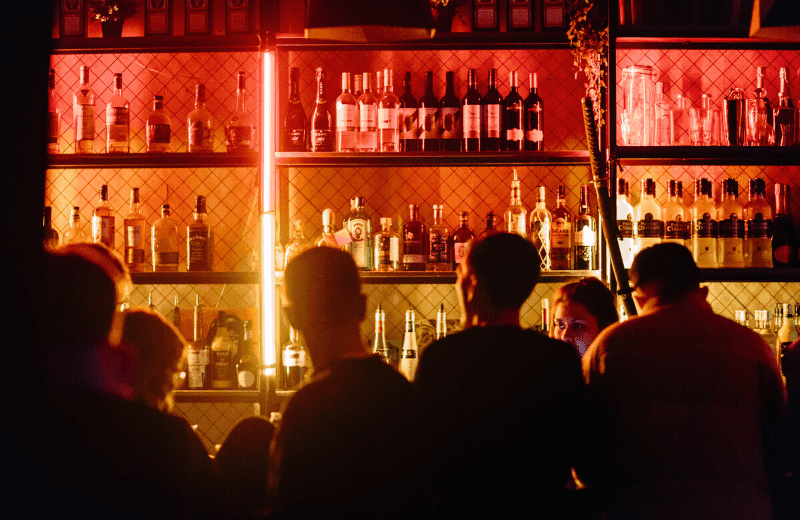
The back bar is the heart of your space — both a showcase for premium spirits and a visual focal point for guests. Thoughtful lighting techniques can enhance bottle presentation, boost premium spirit sales, and create an inviting ambiance. Consider these proven techniques:
LED strip lighting for a floating effect
Install LED strip lights along the edges of glass shelving to create a floating glow that highlights bottle labels. Opt for high-CRI LEDs (90+ rating) in warm white (2700K to 3000K) to keep labels readable while maintaining a cozy, inviting atmosphere.
Backlighting for depth & drama
Position LED panels 4 to 6 inches behind bottles to create soft shadows and visual depth. This technique adds a layered glow that enhances the presentation of premium spirits without creating harsh hot spots.
Accent spotlights for premium spirits
Draw attention to high-margin bottles with narrow-beam accent spotlights (15 to 25 degrees). These focused lights highlight premium selections, making them stand out and encouraging upsells on top-shelf spirits.
Canon in Seattle, WA uses warm, low lighting to create an intimate, sophisticated atmosphere, enhancing its rich wood interiors and vintage aesthetic. Strategically placed accent lighting highlights its extensive spirits collection, balancing elegance with an inviting, cozy ambiance.
Bar counter illumination
A well-lit bar counter needs to strike the perfect balance between practical task lighting for bartenders and atmospheric effects for guests. Thoughtful lighting placement ensures both functionality and visual appeal. Try these smart lighting techniques:
Task lighting for efficiency
Install cool white LED strips (4000K) under the counter on the server side, positioned toward the back to illuminate work areas without creating glare. This enhances visibility for mixing drinks and handling orders efficiently.
Ambient lighting for customer appeal
Use warm white LED strips under the counter overhang on the customer side to create a soft, inviting glow that enhances the bar’s atmosphere and comfort.
Edge-lit bar tops for a sleek look
Install LED strips with aluminum channels and frosted diffusers to create a smooth, even glow without visible dots or hot spots. This technique adds a polished, high-end feel to the bar’s design.
Subtle lighting for natural materials
For wood or stone bar tops, inset LED strips covered with frosted acrylic to create soft, linear highlights that define the counter’s shape while maintaining a refined and natural aesthetic.
8Street Brickell in Miami is a standout example of how strategic bar counter lighting enhances both aesthetics and functionality. The bar’s sleek design incorporates cool white LED strips under the counter on the server side for task lighting, while warm ambient lighting on the customer-facing side creates an inviting glow. This contrast in color temperature ensures bartenders have clear visibility while preparing drinks, while customers experience a cozy, upscale atmosphere.
Seating area solutions
A well-designed seating area does more than provide visibility — it shapes the overall guest experience. In fact, 98% of diners who rated a restaurant’s atmosphere and ambiance as “very good” also gave a positive overall rating, describing their visit as either excellent or good. Thoughtful lighting plays a key role in creating this inviting ambiance, ensuring both comfort and functionality.
The right lighting in seating areas balances comfort, intimacy, and functionality, creating an inviting ambiance while ensuring guests can see clearly. Thoughtful placement of fixtures can eliminate harsh shadows and contribute to a more enjoyable atmosphere. Some solutions include:
Adjustable downlights for balanced illumination
Position adjustable downlights slightly off-center above tables to prevent unflattering face shadows while still providing focused task lighting for drinks and menus.
Wall sconces for warmth & depth
Install wall sconces at seated eye level (5 to 5.5 feet from the floor) to create a cozy, layered glow without being overpowering. Sconces help define seating areas and enhance ambiance while maintaining a comfortable light level.
Booth lighting for a soft, inviting glow
Use LED strip lighting along booth backs to provide gentle, indirect illumination that preserves intimacy. Choose warm white LEDs with high-quality diffusers to prevent harsh contrasts and ensure comfortable menu visibility.
PDT (Please Don’t Tell) in New York City masterfully uses subtle, low-level lighting to enhance its hidden speakeasy ambiance. The warm, intimate glow ensures a cozy, exclusive feel while maintaining the bar’s signature secretive atmosphere.
Creative lighting ideas
Architectural lighting
Caitlin Bucari, Senior Lighting Designer at The Lighting Practice, emphasized the importance of a layered approach to lighting in hospitality spaces. “Layers, layers, layers. A layered lighting design helps bring focus to the important aspects of a space while creating ambiance and drama. It highlights architectural features and reinforces the three-dimensional nature of a building.”
This concept is especially impactful in architectural lighting, where thoughtful placement can transform structural elements into design features, adding depth, personality, and atmosphere to a bar space. By strategically layering different light sources, you can enhance the environment without overpowering it. Create a bold statement by using:
RGB LED strip accents for dynamic ambiance
Install RGB LED strips in ceiling coves or along architectural details to highlight structure and depth. Program slow, subtle color transitions throughout the evening to maintain a sophisticated, ever-evolving atmosphere without creating a distraction.
Pendant lighting clusters for dramatic effects
Use clusters of pendant lights at varying heights to add dimension and visual interest. Mixing different styles and sizes within a cohesive design creates an eye-catching focal point while maintaining balance.
LED filament bulbs for a vintage glow
Opt for LED filament bulbs to combine timeless charm with energy efficiency. Their warm, inviting glow enhances both modern and classic bar designs, making them a versatile choice for pendant fixtures.
The Spare Room in Los Angeles, located inside the Hollywood Roosevelt Hotel, expertly combines vintage charm with sophisticated lighting design. Subtle warm ambient lighting highlights its rich wood interiors and antique decor, while focused accent lighting on the bowling lanes and seating areas creates an inviting and intimate atmosphere.
Special effects
Creative lighting effects can elevate your bar’s atmosphere, adding unique touches that enhance the overall experience. These techniques can help create a signature look, highlight key areas, or set the mood for special events. Try these innovative lighting effects:
Gobo projections for custom patterns
Use gobo projectors to cast logos, patterns, or artistic designs on walls or floors, adding a dynamic, branded element to your space.
Fiber optic starfield for a celestial glow
Install fiber optic starfield effects in dark ceiling areas to create a soft, ambient twinkle, perfect for lounges or VIP sections.
UV lighting for signature cocktails
Introduce UV lighting elements at the bar to make certain drinks glow under black light, adding an interactive and visually striking effect.
Color-changing LED systems for events
Program color-changing LED systems to adjust the lighting scheme for special occasions, holidays, or themed nights, keeping the ambiance fresh and engaging.
The Chandelier Bar at The Cosmopolitan in Las Vegas is a striking example of statement lighting, with a massive, multi-level chandelier of two million crystals enveloping the space. Its layered lighting shifts throughout the day, creating a soft, elegant glow in the afternoon and a vibrant, high-energy spectacle at night.
Seasonal and event lighting
Flexible lighting design allows bars to adapt to different moods, themes, and special occasions with ease. By incorporating both permanent and temporary solutions, you can create dynamic environments that enhance the guest experience. Incorporate lighting design such as:
Programmable lighting presets for versatility
Set up pre-configured lighting scenes for happy hour, evening service, and special events, ensuring effortless transitions throughout the night.
Separate circuits for independent control
Design lighting on separate circuits to control different areas individually — allowing you to adjust bar, seating, and feature lighting independently for maximum flexibility.
Infrastructure for temporary installations
Install built-in power and mounting points to easily accommodate seasonal décor, event-specific lighting, or pop-up activations without disrupting daily operations.
Minus5° Ice Bar in Las Vegas transforms its already unique frozen setting with dynamic LED lighting that enhances its ice sculptures and interiors. For special events, the bar customizes its lighting to match different themes, using color-changing LEDs to create vibrant, immersive atmospheres that shift throughout the night.
Implementation tips
Budget-friendly approaches
A well-designed lighting plan doesn’t have to be expensive — strategic choices and phased upgrades can create a stunning effect while staying within budget. Consider these cost-effective strategies to achieve high-impact bar lighting while staying within budget:
Focus on essential lighting first
Prioritize task lighting, ambient lighting, and feature lighting to create a functional and visually appealing foundation before expanding.
Maximize light with reflective surfaces
Use mirrors, glass, and polished materials to amplify lighting effects without adding extra fixtures, enhancing the space while keeping costs down.
Upgrade existing fixtures with LED retrofits
Swap out older bulbs for LED retrofits to improve energy efficiency while preserving the bar’s existing design. This provides better lighting quality with lower long-term costs.
Technical considerations
Proper installation and planning ensure long-lasting, high-quality lighting performance while maintaining a clean, professional look.
Optimize LED strips with aluminum channels
Use aluminum channels with diffusers to improve heat dissipation, extend LED lifespan, and create a smooth, even light distribution without visible hotspots.
Plan for power needs with a safety buffer
Calculate total power requirements, adding a 20% buffer to accommodate future upgrades or additional fixtures without overloading circuits.
Position power supplies strategically
Install power supplies in accessible yet concealed locations, ensuring easy maintenance while keeping wiring and bulky components out of sight.
Frequently Asked Questions
What's the most important area to light in a bar?
The back bar and service areas are typically the most critical. These areas need both functional lighting for staff and atmospheric lighting to showcase products.
How bright should bar lighting be?
Work areas need 20 to 30 foot-candles for task lighting, while customer areas typically use 5 to 15 foot-candles for ambiance. Exact levels depend on your concept and clientele.
What color temperature is best for bar lighting?
Use warm white (2700K to 3000K) for customer areas and slightly cooler temperatures (3500K to 4000K) for work areas. This balances atmosphere with functionality.
How can I control costs while still creating impact?
Start with essential lighting and expand over time. Use LED technology for efficiency, and consider motion sensors for less-used areas. Quality dimmers can help manage energy use.
Should I hire a professional for installation?
Professional installation is recommended for complex systems and any work involving electrical circuits. Simple plug-and-play LED solutions can often be installed by staff.
How often should bar lighting be updated?
Review lighting annually and update as needed. LED fixtures typically last 5 to 10 years, but styles and technologies evolve more quickly.
Bringing it all together
Effective bar lighting blends creativity with practicality, shaping both ambiance and functionality. Start with the essentials, focusing on work areas and basic ambiance, then layer in feature lighting to enhance atmosphere and visual appeal. Lighting can be implemented in phases, allowing for gradual upgrades that fit your budget. Regular maintenance and occasional updates ensure your lighting remains effective, energy-efficient, and aligned with your bar’s evolving needs. Thoughtfully designed lighting doesn’t just illuminate a space — it elevates the customer experience, encourages longer stays, and boosts sales.
Is this article helpful?
DISCLAIMER: This information is provided for general informational purposes only, and publication does not constitute an endorsement. Toast does not warrant the accuracy or completeness of any information, text, graphics, links, or other items contained within this content. Toast does not guarantee you will achieve any specific results if you follow any advice herein. It may be advisable for you to consult with a professional such as a lawyer, accountant, or business advisor for advice specific to your situation.
 Trending
Subscribe to On the line
Sign up to get industry intel, advice, tools, and honest takes from real people tackling their restaurants' greatest challenges.
By submitting, you agree to receive marketing emails from Toast. We’ll handle your info according to our privacy statement. Additional information for California residents available here.