Foodservice & Retail Point of Sale System: 10 Essential Features
Food service and retail used to mean different POS systems... not anymore. You can manage both your food service and retail businesses with Toast. Here's how.

Author

 RESOURCE
 Retail POS Comparison Tool
This customizable Retail POS Comparison Tool enables you to research, evaluate, and compare point of sale systems side by side in one Excel spreadsheet.
Get Free DownloadRetail point of sale systems help businesses ring up sales, accept payments, manage products, and track inventory. But for cafés, markets, bakeries, delis, and other businesses that sell both prepared food and retail items, a standard retail POS may not be enough.
Foodservice and retail hybrids need a system that can handle menu items, modifiers, SKUs, barcodes, inventory, online ordering, and reporting in one place. For example, Toast Hybrid POS is built to bring restaurant and retail items under one roof.
This kind of integration is especially important as retailers increasingly blending foodservice with retail. According to FMI, retail foodservice dollar sales reached $52.1 billion during the 12 months preceding October 2025, highlighting growing consumer demand for prepared foods and convenient meal options.
In this guide, you’ll learn what to look for in a point of sale system for foodservice and retail businesses, including features that can help simplify checkout, inventory, reporting, and growth.
Key takeaways
Toast Hybrid POS can help foodservice and retail businesses manage menu items, retail SKUs, checkout, inventory, and reporting in one connected system.
With Toast Hybrid POS, guests can pay for prepared food and retail items in one transaction, helping create a smoother checkout experience.
Toast supports barcode scanning, SKU creation, barcode generation, bulk tools, and real-time price and cost updates to help reduce manual product management.
Toast lets operators view sales and inventory numbers in the same system, helping teams spend less time consolidating reports manually.
Toast’s online ordering, shipping beta options, flexible hardware, 200+ integrations, and eligible Toast Capital Loans can help hybrid businesses support growth over time.
10 essential features for restaurant retail
1. One checkout for food and retail items
Hybrid businesses need a checkout experience that works for everything they sell. A guest should be able to buy a sandwich, bottled drink, packaged snack, and branded tote in one transaction without being sent to a separate register or system.
A hybrid POS should let your team ring up menu items and retail SKUs together. With Toast, guests can pay for food and retail items in one place, helping deliver a smoother checkout experience.
2. SKU and menu item management in one system
Retail items and menu items are managed differently, but foodservice and retail hybrids need visibility into both. A bakery, café, or deli may need to manage prepared foods with modifiers alongside packaged goods, beverages, merch, or seasonal retail items.
Toast Hybrid POS allows operators to manage SKUs and menu items in one place, helping teams keep foodservice and retail workflows connected.
3. Barcode scanning and barcode creation
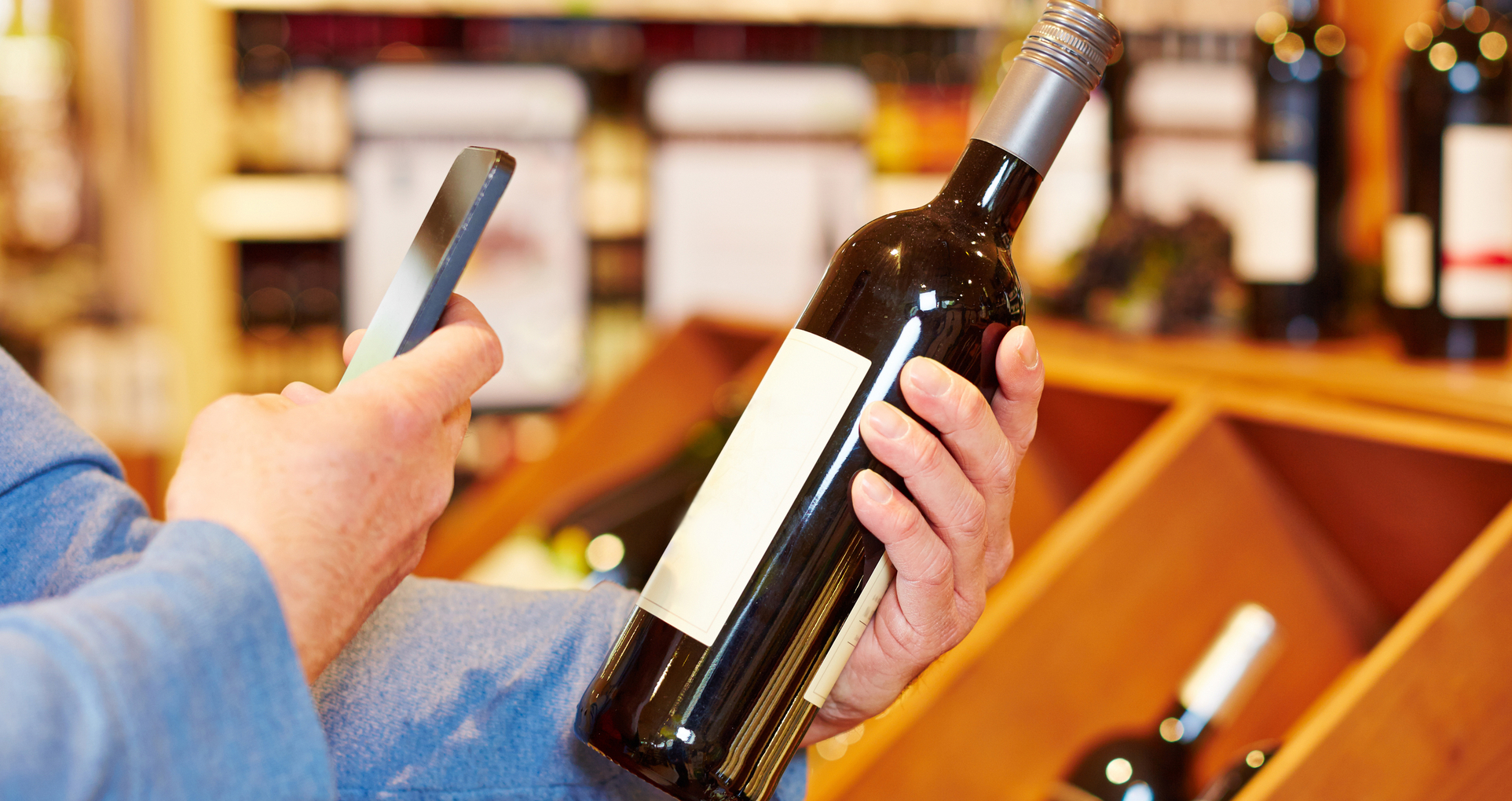
Retail workflows often depend on barcodes, especially when your business carries packaged goods, beverages, pantry items, merch, or other retail products. A hybrid POS should make it easy to scan items, create new SKUs, and keep product information organized.
Toast supports creating new SKUs with the scan of a barcode, along with barcode generation and printing for products. That can help foodservice and retail businesses manage more items without adding unnecessary admin work.
4. Make inventory management easier for new stock
Accurate inventory records can have a direct sales impact. One grocery store study covering about 24,000 SKUs across 11 stores found that inventory audits led to an 11% store-wide sales lift, with gains concentrated on items where system inventory was higher than actual inventory.
Customers report significant time savings in inventory management after switching to Toast for Restaurant Retail, particularly when it comes to receiving and logging new stock. Kris Larson of Becket’s Restaurant & Wagner Market said,
“Once getting Toast at our restaurant, we loved it so much that we could not WAIT to be able to use the platform at our retail market. [The] Mobile Inventory tools have taken the adding of data from the administrative office to when it comes off the truck. That’s huge and removes the most annoying part of the adding new inventory process.”
5. Bulk tools for large product catalogs
Some foodservice and retail businesses manage hundreds or even thousands of items. When every item has to be updated one at a time, small changes can turn into hours of manual work.
A strong retail POS should support bulk actions, imports, and exports so operators can make large-scale changes more efficiently. Toast offers bulk inventory tools that help teams update many items at once, making it easier to manage larger product catalogs.
6. Real-time pricing and cost updates
Prices and costs can change quickly, especially for packaged goods, specialty foods, alcohol, market items, and seasonal products. If your POS is not easy to update, staff may be working from outdated information at checkout or while managing inventory.
Toast supports real-time price and cost updates on new stock, helping keep product information current while reducing manual work behind the scenes.
7. Unified sales and inventory reporting
If food sales live in one system and retail sales live in another, reporting gets harder. Operators may need to pull separate reports, compare numbers manually, and spend extra time figuring out how foodservice and retail are performing together.
Toast lets operators view sales and inventory numbers in the same system, giving teams a clearer view of performance across food and retail.
8. Online ordering and shipping options
Retail-focused foodservice businesses may want to sell more than prepared food online. Food & Wine highlighted restaurants selling packaged goods such as coffee, sauces, spices, drinks, pasta, frozen pizzas, dumplings, mole starters, and olive oil for nationwide shipping.
Tools like Toast Online Ordering can help businesses reach more customers and generate more sales.
9. Flexible hardware for different service models
Hybrid businesses may need more than one checkout setup. A café counter, retail shelf, self-service kiosk, and inventory receiving area may all require different tools, even though they are part of the same business. Common hardware needs can include:
Counter terminals for café service
Handhelds for line busting
Kiosks for self-ordering
Toast offers terminals, handhelds, kiosks, and other essential hardware, helping businesses serve guests, manage inventory, and keep orders moving.
10. Growth tools and integrations
As hybrid businesses grow, they may need more than basic checkout. A small café with a retail shelf may eventually add online ordering, delivery, packaged products, or more advanced reporting. As you compare POS systems, consider whether the platform can support:
Payment processing
Integrations
Financing
Inventory partners
Online ordering
Reporting
Toast offers 200+ integrations with popular restaurant and retail partners, secure credit card processing with custom-built rates, and eligible Toast Capital Loans from $1,000 to $300,000.
Where food meets SKU
When menu items, retail SKUs, inventory, reporting, and online orders live in separate systems, it can create extra work for staff and make it harder to understand the full business. A connected retail POS can help bring those workflows together.
With the right system, your team can ring up food and retail items, manage products, update pricing, track inventory, and view sales data more easily from one place.
FAQs
Is Toast just for restaurants?
No, Toast is designed to work for retail, food service, or the increasing number of concepts that include both.
While you’ll currently find Toast in 171,000+* restaurants, we’ve also served thousands of retail stores (and counting!). Our experience in the restaurant industry has allowed us to create a retail platform that meets the evolving needs of stores that also offer some form of food or beverage service, from wine tastings to sandwiches, to coffee, to full-blown restaurants.
I offer a combination of retail and food service. Can Toast handle both?
Yes, Toast allows you to serve both retail shoppers and diners all on the same platform, eliminating the need for multiple POS systems or separate terminals. That means guests can check out anywhere, no matter what they’re purchasing, and you can have all your data in one place.
Does Toast support scales and barcode scanners for retailers?
Yes, we support a variety of scales and barcode scanners. You can also use SmartScan to scan any item right from your phone. And with the Toast Go® 3, staff can scan barcodes right from the floor to ring up items on the spot, no extra equipment, no delays.


Is this article helpful?
DISCLAIMER: This information is provided for general informational purposes only, and publication does not constitute an endorsement. Toast does not warrant the accuracy or completeness of any information, text, graphics, links, or other items contained within this content. Toast does not guarantee you will achieve any specific results if you follow any advice herein. It may be advisable for you to consult with a professional such as a lawyer, accountant, or business advisor for advice specific to your situation.

Subscribe to On the line
Sign up to get industry intel, advice, tools, and honest takes from real people tackling their restaurants' greatest challenges.
By submitting, you agree to receive marketing emails from Toast. We’ll handle your info according to our privacy statement. Additional information for California residents available here.