
Tea Shop Inventory Management: 7 Steps to Optimize Your Stock
Optimize your tea shop inventory with smart management strategies. Reduce waste, improve efficiency, and ensure you always meet customer demand.
Author
 RESOURCE
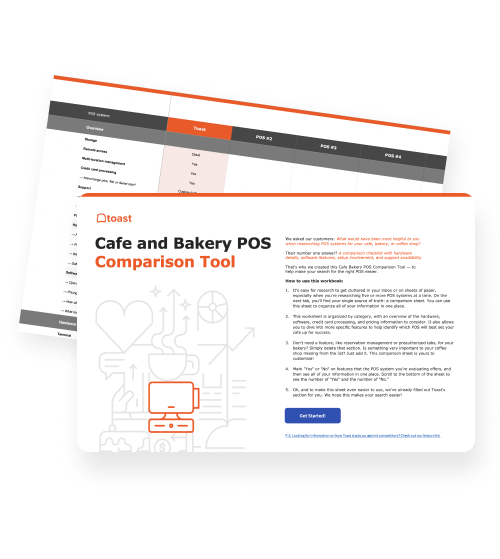
 Cafe and Bakery POS Comparison Tool
A free, customizable Cafe and Bakery POS Comparison Tool to research and compare point of sale systems in one Excel spreadsheet or editable PDF.
Get Free DownloadGuide to Tea Shop Inventory Management
While tea isn’t perishable, it still loses its freshness and flavor over time, making effective inventory management essential. Beyond tea leaves, you’ll need to manage highly-perishable ingredients like milk, fruit, and even tapioca pearls if you’re opening a boba shop.
Additionally, at an average cost per cup of just $3.74 in Q1 2024, tea is often more affordable compared to other caffeinated beverages. This means success isn’t just about pricing—it’s about keeping costs under control and driving higher sales volume. A well-organized inventory system ensures you always have the right ingredients on hand while minimizing waste, stockouts, and unnecessary expenses.
Whether you're running a traditional tea house or a modern grab-and-go concept, smart inventory practices help you maintain quality, reduce costs, and keep customers coming back. In this guide, we’ll break down the key strategies you need to streamline your inventory and optimize your tea shop’s operations.
Key takeaways
Stock teas and ingredients that reflect your brand identity while balancing customer favorites with unique offerings.
Use airtight containers, control temperature and humidity, and follow FIFO (First In, First Out) to maintain freshness and minimize waste.
Compare vendors, negotiate bulk discounts, and establish backup suppliers to ensure consistency and cost-effectiveness.
Leverage POS insights to track bestsellers, monitor ingredient usage, and adjust inventory based on demand trends.
Conduct routine stock checks to identify discrepancies, minimize spoilage, and maintain an efficient, well-stocked tea shop.
1. Align your offerings with your tea shop’s concept
Your inventory should reflect the unique identity of your tea shop. Whether you're running a traditional tea house with an extensive collection of loose-leaf teas or a wellness-focused shop specializing in herbal blends, every item should support your brand’s story and meet customer expectations. Before making bulk purchases, take a step back and consider:
What tea varieties best fit your menu?
Are your customers looking for classic teas, trendy blends, or functional wellness teas?
Do you need specialty ingredients like fresh fruit, milk alternatives, or sweeteners?
If you plan to sell retail products—such as loose-leaf tea tins, teapots, or accessories—make sure they complement your offerings. For example, in addition to offering matcha drinks, traditional sweets, and tea ceremonies, Setsugekka East Village in New York City also sells traditional Japanese matcha whisks and house-made matcha powder.
2. Strategically design ingredient and tea storage systems
Proper storage is key to maintaining the freshness and quality of your teas while minimizing waste. A well-organized inventory system also makes it easier for your staff to find what they need and keep track of stock levels. To design an efficient system, be sure to:
Control storage conditions for maximum freshness: Tea is highly sensitive to light, temperature, humidity, and air exposure.
Keep teas in airtight containers to prevent moisture and odor absorption.
Store away from direct sunlight to avoid degradation of delicate flavors.
Maintain a cool, dry environment with stable temperature and humidity levels.
Store perishable add-ins like fresh fruit, dairy, or syrups at proper refrigeration temperatures.
Label everything clearly: Ensure that staff can quickly identify products and that older stock is used before newer shipments—following FIFO (First In, First Out) inventory rotation. Every tea variety should be labeled with:
The name and type of tea.
Date of arrival or expiration date.
Any special storage instructions (e.g., “Keep refrigerated” or “Use within 30 days”).
Train your staff on proper inventory procedures: Regular training and clear protocols help maintain consistency and reduce costly mistakes. Make sure employees are trained on:
How to properly store and handle different types of tea and ingredients.
How to update stock levels and expiration dates.
The importance of FIFO to prevent waste.
3. Negotiate with suppliers
Building strong relationships with reliable tea suppliers is essential to securing high-quality ingredients at competitive prices. Sourcing the right products at the right cost ensures consistency in your offerings while maximizing profitability. When selecting and negotiating with suppliers, consider the following:
Compare multiple vendors: Research different suppliers to evaluate pricing, quality, and delivery reliability. Consider both local tea importers and international sources to find the best fit for your shop’s needs.
Order sample batches first: Before committing to large orders, request sample teas to evaluate taste, aroma, and overall quality. This helps you refine your menu and ensure that your offerings meet customer expectations.
Negotiate bulk discounts: Many suppliers offer lower prices for higher-volume purchases. If you have the storage capacity and demand, bulk buying can reduce costs. However, balance this with your inventory turnover rate to avoid spoilage.
Clarify minimum order quantities and lead times: Understanding order requirements and delivery schedules helps you avoid shortages or overstocking. Ensure that your supplier can meet your demand without excessive delays.
Build flexibility into your supply chain: Having backup suppliers for key ingredients—especially seasonal or specialty teas—ensures that your menu stays consistent even if one vendor experiences delays.
4. Purchase initial inventory
Your budget constraints play a crucial role in inventory decisions. While maintaining adequate stock is essential, tying up too much capital in inventory can strain cash flow. To manage costs effectively, be sure to:
Balance stock levels with cash flow: Overstocking can lead to waste, especially with perishable add-ins like fresh fruit and dairy. On the other hand, running out of popular teas could mean lost sales and disappointed customers. Assess demand patterns and order accordingly.
Combine customer favorites with new offerings: Stock tried-and-true crowd-pleasers like jasmine green tea or classic Earl Grey to maintain consistency. At the same time, introduce small batches of limited-time or specialty teas to gauge customer interest without overcommitting resources.
Once you've finalized agreements with suppliers, start with an initial inventory order based on projected demand in the financial section of your tea shop’s business plan.
5. Set up inventory management software
Inventory management software helps you track stock levels, minimize waste, and streamline reordering. As Lauren Noreen, senior product marketing manager of Back Office, told the National Restaurant Association:
“A good inventory management system should provide detailed reporting on cost of goods sold, waste tracking, and usage trends over time… It should support recipe management by calculating ingredient costs based on current prices and tracking variances between actual and theoretical inventory levels. These insights help identify inefficiencies, control costs, and maximize profitability.”
Key features to look for include:
Integration with POS system: A seamless connection between your point-of-sale (POS) system and inventory software allows for accurate sales tracking and automatic stock adjustments.
Real-time stock tracking: Automatically update inventory counts when items are used or sold. This prevents stockouts and ensures that you never run low on popular teas.
Expiration date monitoring: Set alerts for perishable ingredients and seasonal products so you can use them before they go to waste.
Reorder notifications: Get automated reminders when inventory levels drop below a certain threshold (par levels), helping you restock efficiently.
Par Inventory Sheet Template
Seamlessly track inventory with the help of this customizable par inventory sheet template.

6. Refine inventory decisions with POS data
Your POS system is a powerful tool for tracking inventory trends and making data-driven purchasing decisions. Joanna Fantozzi, Senior Editor for Nation’s Restaurant News, explains why data is so important:
“For the modern restaurant, data is power. Data can tell you approximately how much beef you need to purchase for a typical Saturday evening shift, and it can tell you how many employees to put on the schedule for that evening, and perhaps most crucial of all—it can tell you what percentage of customers are ordering a beef entree, where they come from, and how likely they are to return on the following Saturday night… But despite the importance of data, it remains largely an untapped opportunity for operators.”
Here’s how to use POS insights to guide your purchasing decisions:
Identify bestsellers and slow movers: Track which teas and add-ins sell the most and which sit on the shelves. Reduce orders for underperforming items and consider promotions or limited-time discounts to move excess stock.
Adjust ordering based on peak sales times: Use historical sales data to anticipate demand fluctuations, especially during seasonal trends. For example, iced teas may surge in summer, while spiced chai and herbal blends gain popularity in colder months.
Monitor ingredient usage rates: Keep a close eye on perishable ingredients like fresh fruit, milk alternatives, and syrups. If a certain add-in is frequently wasted, consider adjusting portion sizes or finding shelf-stable alternatives.
Streamline menu updates: If sales data reveals that a specific tea isn’t resonating with customers, it may be time to swap it out for a more in-demand option. Experiment with limited-run offerings based on customer feedback to keep your menu fresh and exciting.
7. Conduct regular inventory audits and stock counts
Even with a well-organized inventory system, discrepancies can occur. Conducting routine inventory audits ensures accuracy, prevents losses, and helps maintain optimal stock levels. As Daniel Kezner, who owns a hospitality consulting business, writes:
“Regular audits also help you uncover inefficiencies in your processes so you can streamline operations and increase revenue. For example, if your audit reveals you’re consistently running out of a specific item because the supplier never seems to have it in stock, it may be time to switch to another supplier.”
Establish a regular audit schedule including:
Daily spot checks: For high-turnover items like popular teas and perishable add-ins, quick daily checks help catch shortages early.
Weekly stock reviews: Conduct full inventory checks on essential ingredients and retail products to identify inconsistencies and ensure proper rotation.
Monthly deep audits: A comprehensive audit comparing POS records to physical stock helps detect trends in waste, theft, or miscounted inventory.
If stock counts don’t match POS records, determine the cause. It could be due to inaccurate sales tracking, accidental waste, or supplier errors. Addressing these issues early prevents future losses.
Infuse your tea shop with smart inventory management
Effectively managing your tea shop’s inventory creates a seamless operation that supports your brand, delights your customers, and keeps your business running smoothly. By aligning your inventory with your concept, building strong relationships with suppliers, leveraging POS data, and staying on top of audits, you’ll set yourself up for long-term success.
Inventory management might seem overwhelming at first, but with the right systems in place, it becomes second nature. Small improvements—like refining your ordering process, organizing your storage, or analyzing sales trends—can make a big difference in efficiency and profitability.
As you fine-tune your approach, remember that flexibility is key. Customer preferences shift, seasonal trends come and go, and new tea varieties emerge. Stay open to adjusting your inventory strategy as your business grows, and don’t be afraid to experiment with new offerings to stand out and keep customers coming back!


Is this article helpful?
DISCLAIMER: This information is provided for general informational purposes only, and publication does not constitute an endorsement. Toast does not warrant the accuracy or completeness of any information, text, graphics, links, or other items contained within this content. Toast does not guarantee you will achieve any specific results if you follow any advice herein. It may be advisable for you to consult with a professional such as a lawyer, accountant, or business advisor for advice specific to your situation.
 Trending


Subscribe to On the line
Sign up to get industry intel, advice, tools, and honest takes from real people tackling their restaurants' greatest challenges.
By submitting, you agree to receive marketing emails from Toast. We’ll handle your info according to our privacy statement. Additional information for California residents available here.