
The Ultimate List of Seed Oil Free Restaurants for 2025
Explore the ultimate list of seed oil free restaurants. See how chefs and brands are swapping industrial oils for olive, avocado, and tallow.

Author
 RESOURCE
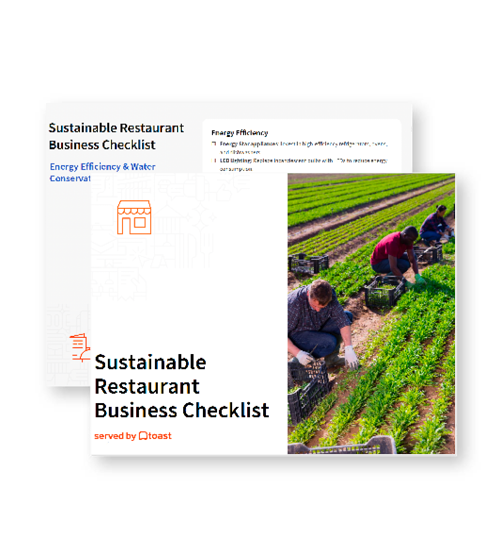
 Sustainable Restaurant Business Checklist
Use this free checklist to help your restaurant run efficiently while minimizing its environmental impact.
Get Free DownloadSeed oils — such as canola, soybean, and sunflower — have long been staples in restaurant kitchens because they’re inexpensive, neutral-tasting, and easy to source. But growing awareness about how these industrial oils are processed has sparked a culinary shift.
More chefs and consumers are now favoring traditional fats like olive oil, avocado oil, coconut oil, beef tallow, and ghee, citing potential benefits for flavor, digestion, and overall health. What started as a wellness niche has become a nationwide movement, with restaurants of all sizes rethinking their cooking oils to meet the demand for cleaner, more transparent ingredients.
In this article, we’ll explore the national brands and local pioneers leading the charge toward a seed-oil-free dining future.
Key takeaways
Seed-oil-free dining is going mainstream, as chefs and diners push for cleaner, more transparent ingredients.
National brands like Sweetgreen and True Food Kitchen are proving large-scale restaurants can prioritize quality oils.
Independent restaurants across the U.S. — from Malibu Farm to TownHall — are leading the shift toward olive, avocado, tallow, and coconut oils.
Health, flavor, and sustainability are driving the move away from industrial seed oils in restaurant kitchens.
Restaurant Cleaning Checklist
Download the Restaurant Cleaning Checklist, created in partnership with RestaurantSupply.com, to keep track of the cleaning tasks that need to be completed in your restaurant.

National and multi-city seed oil free restaurants
While few national restaurant brands have gone fully seed oil–free, several are taking meaningful steps toward cleaner, more transparent cooking oils. These brands are leading the way in showing that large-scale operations can still prioritize quality ingredients and healthier fats.
Sweetgreen
In October 2023, Sweetgreen announced a major move toward cleaner ingredients by switching to extra virgin olive oil (EVOO) as its primary cooking oil for all proteins, veggies, and grains nationwide. The change reinforces the brand’s long-standing commitment to minimally processed, high-quality ingredients and transparent sourcing.
“Reimagining fast food goes beyond the kitchen and starts with a strong, transparent supply chain,” said Nicolas Jammet, Sweetgreen’s Co-Founder and Chief Concept Officer. With the EVOO transition, guests can now enjoy Sweetgreen’s signature salads and warm bowls knowing that the oil used meets the brand’s elevated sourcing standards.
True Food Kitchen
True Food Kitchen has taken a strong stance on ingredient integrity, committing to eliminate all seed oils from its restaurants. The brand now cooks exclusively with avocado and olive oils, ensuring that about 98% of its ingredients are seed oil–free.
Guided by its mission to serve “real food that nourishes, fuels, and supports a better lifestyle,” True Food Kitchen leads the industry in showing that clean, flavorful dining can scale nationally without compromise.
Chipotle (honorable mention)
While Chipotle hasn’t fully transitioned away from seed oils yet, it’s investing in the future of cleaner cooking. Through its venture fund, Cultivate Next, the brand has backed Zero Acre Farms, a company developing sustainable, cultured oils designed to replace traditional vegetable and seed oils.
“We have a clear mission: to remove destructive vegetable oils from the food system,” said Jeff Nobbs, COO and co-founder of Zero Acre Farms. Chipotle’s CTO Curt Garner echoed the sentiment, noting, “Zero Acre Farms is redefining cooking oil with healthier and more environmentally friendly offerings.”
Seed oil free restaurants by region
While national chains are beginning to embrace cleaner cooking, many of the most dedicated seed-oil-free pioneers are local favorites leading the change city by city. Across the country, independent restaurants are swapping industrial oils for olive, avocado, tallow, and coconut.
Many have gone entirely seed-oil-free, while others are making major strides to reduce their reliance on processed oils. From California’s coastal cafés to Nashville’s community kitchens, here are some of the regional standouts leading the way.
Northeast
Hu Kitchen (NY): A pioneer in the “back-to-human” movement, Hu Kitchen has long been at the forefront of clean dining. The restaurant’s menu is entirely seed-oil-free, featuring dishes prepared with olive, coconut, and avocado oils instead of industrial oils.
Woods Hill Pier 4 (MA): At Woods Hill Pier 4, seed-oil-free cooking meets fine dining. The restaurant uses tallow, olive oil, and other traditional fats across its seasonal menu, sourced directly from its own regenerative farm.
Ron’s Original Bar & Grille (PA): Ron’s Original is in the process of becoming 100% seed-oil-free by 2025, switching exclusively to cold-pressed avocado oil, extra virgin olive oil, and ghee.
Midwest
TownHall (OH): One of the first restaurants in the U.S. to go fully seed-oil-free, TownHall is committed to using avocado, coconut, and olive oils across its menu. The restaurant markets itself as 100% non-GMO, organic, and free of refined sugars or seed oils.
The Publican (IL): A Chicago staple known for its beer hall ambiance and nose-to-tail dining philosophy, The Publican has embraced traditional fats like beef tallow. The result is a hearty, flavor-driven menu that’s both old-school and health-conscious.
Sahara Bar & Grill (MI): Sahara Bar & Grill recently announced its complete transition away from seed oils, replacing them with beef tallow and avocado oil. This commitment to higher-quality fats pairs perfectly with the restaurant’s Mediterranean-inspired menu.
South
Picnik (TX): Picnik is one of the South’s most vocal advocates for seed-oil-free dining, proudly cooking with avocado oil, olive oil, and coconut oil. The restaurant’s allergen-friendly menu features everything from grass-fed butter coffee to vibrant bowls.
Flower Child (TX, AZ, GA, FL): This fast-casual concept from Fox Restaurant Group focuses on fresh, customizable meals made with wholesome ingredients. Flower Child uses olive and avocado oils in many dishes.
The Well (TN): The Well combines a mission-driven coffeehouse with a health-conscious kitchen, offering seed-oil-free cooking and ethically sourced ingredients.
West Coast
Malibu Farm (CA): With a tagline that proudly highlights seed-oil-free cooking, Malibu Farm serves up coastal California cuisine that’s as clean as it is scenic. The restaurant’s focus on whole ingredients, olive oil, and local produce has made it a favorite among health-minded diners looking to enjoy the beach without the canola.
Nectar Café (OR): Tucked in the Pacific Northwest, Nectar Café offers 100% plant-based dishes prepared without processed seed oils. Using olive, coconut, and avocado oils, the café has earned a following for its hearty, health-conscious approach.
Root Down (CO): Housed in a converted gas station, Root Down is a Denver staple built on a farm-to-table philosophy that prioritizes sustainability and clean cooking. Many of its dishes feature avocado and olive oils rather than industrial seed oils.
Seed change, seed-oil free
From national brands testing the limits of large-scale clean cooking to local chefs reimagining neighborhood favorites, the seed-oil-free movement is gaining serious momentum.
Whether it’s Sweetgreen switching to EVOO nationwide or independent restaurants embracing avocado oils, the trend is clear: guests are paying attention to what goes into every dish — right down to the oil it’s cooked in.
FAQ
Are all seed oils unhealthy?
Not necessarily. Seed oils like sunflower and canola aren’t harmful in moderation, but many chefs and nutrition-conscious diners prefer minimally processed fats such as olive, avocado, or tallow. These alternatives often retain more natural flavor and nutrients.
Can I eat French fries on a seed oil free diet?
Yes — it just depends on the restaurant. Some seed-oil-free kitchens fry in beef tallow, coconut oil, or avocado oil instead of canola or soybean oil, giving fries a richer flavor and crispier texture.
Do seed oil free restaurants cost more?
Sometimes. High-quality fats like avocado and olive oil are more expensive than industrial seed oils, but many restaurants see it as an investment in better flavor, transparency, and customer trust.
What about peanut oil?
Peanut oil is technically a legume oil, not a seed oil, but it’s often lumped into the same category. While it’s less processed than many vegetable oils, some diners still avoid it due to allergies or oxidation concerns.
How do I know if a restaurant is truly seed oil free?
The best way is to ask. Many restaurants proudly note their oil choices on menus or websites. You can also check community resources like Seed Oil Scout, where diners share verified restaurant details.
Are there seed oil free fast food options?
They’re becoming more common. Sweetgreen and True Food Kitchen are proving that fast, casual, and clean can coexist — though traditional fast-food chains are slower to adapt.
Can restaurants accommodate seed oil free requests?
Many can. Some chefs are happy to cook proteins or vegetables in butter, olive oil, or no added fat upon request — just give them a heads-up when ordering.
What certification should I look for?
There’s no universal “seed-oil-free” certification yet, but transparency is key. Look for restaurants that list specific oils used or partner with verified clean-oil suppliers.

Is this article helpful?
DISCLAIMER: This information is provided for general informational purposes only, and publication does not constitute an endorsement. Toast does not warrant the accuracy or completeness of any information, text, graphics, links, or other items contained within this content. Toast does not guarantee you will achieve any specific results if you follow any advice herein. It may be advisable for you to consult with a professional such as a lawyer, accountant, or business advisor for advice specific to your situation.
 Trending

Subscribe to On the line
Sign up to get industry intel, advice, tools, and honest takes from real people tackling their restaurants' greatest challenges.
By submitting, you agree to receive marketing emails from Toast. We’ll handle your info according to our privacy statement. Additional information for California residents available here.