Restaurant Reservation Cancellation Fees: The Complete Guide for 2025
A complete guide to implementing restaurant cancellation fees that work — plus tips, examples, and best practices for 2025.

Author
 RESOURCE
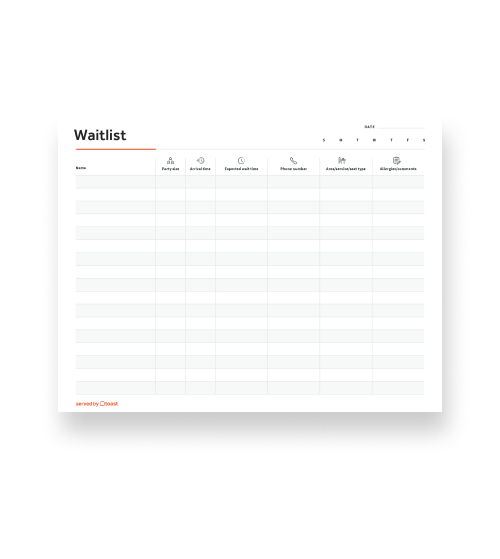
 Restaurant Waitlist Template
A template to help your host keep track of walk-ins and provide estimated wait times, keeping guests happy and staff organized.
Get Free DownloadRestaurant reservation cancellation fees have become a critical tool for operators fighting against revenue losses from no-shows and last-minute cancellations. With guests canceling reservations 19% less often in 2024 than in 2023, the growing implementation of cancellation fees is proving effective in encouraging guest commitment and protecting restaurant profitability.
The practice has expanded rapidly across the industry, with only 4% of restaurants implementing cancellation fees in 2019, now rising to 17% in 2024. These fees serve as both a financial safeguard and a behavioral deterrent, helping restaurants maintain consistent revenue streams in an increasingly challenging operating environment.
What are restaurant reservation cancellation fees
Restaurant reservation cancellation fees are charges applied when guests fail to show up for their reservation or cancel within a specified timeframe, typically 24 hours before their scheduled dining time. These fees protect restaurants from revenue loss while encouraging responsible booking behavior.
The fees operate on a simple principle — guests provide credit card information when booking, and charges are automatically processed if cancellation policies aren't followed. When guests show up as planned, fees are typically deducted from the final bill, making the system transparent and fair for committed diners.
Restaurant Waitlist Template
A template to help your host keep track of walk-ins and provide estimated wait times, keeping guests happy and staff organized.

The impact of no-shows on restaurant operations
No-shows create significant financial strain on restaurants operating with razor-thin profit margins.
Financial consequences
According to OpenTable data, 28% of Americans made a reservation and didn't honor the booking in 2021, with restaurant industry analysis showing that just six no-shows can wipe out the slim profits of a 40-seat restaurant.
The problem is particularly acute during peak dining periods when restaurants must turn away walk-in customers to hold reserved tables. A May 2023 Barclaycard Payments survey found that 60% of diners cancel reservations within 24 hours or less, with no-shows being the most frequent form of cancellation at 19%.
Chef and restaurateur Lawrence Weeks, owner of North of Bourbon in Louisville, Kentucky, says the challenge isn’t always full no-shows — sometimes it’s last-minute drops in party size. Weeks explains, “People will book a bigger reservation so they can get in the door, because there aren’t any other reservations available. And then when they show up it’s ‘Oh, four people couldn’t come.’”
These partial no-shows leave tables under-filled and revenue lost, even though the restaurant held space and staffed for the original booking.
Operational disruptions
No-shows don’t just cost money — they disrupt the flow of service. Restaurants staff their teams, order ingredients, and prep stations based on expected reservations. When guests fail to show, those resources go unused while costs remain.
Server schedules, in particular, are built around peak periods. Empty tables during busy times lead to uneven workloads and wasted labor, which can impact both morale and the overall guest experience.
How cancellation fees work
From setup to execution, cancellation fees rely on clear systems and thoughtful structures to be effective — both in collecting payments and maintaining guest trust.
Implementation methods
Most restaurants collect cancellation fees through integrated reservation platforms like Toast Tables, which allow seamless collection and management of customer credit card information. The system automatically processes charges when cancellation policies are violated.
Restaurant reservation systems should include clear terms about no-show fees, special events, and cancellation policies to ensure transparency and avoid customer disputes.
For example, Nightbird in San Francisco requires 48 hours’ notice for cancellations and charges $195 per person for missed reservations or cancellations made less than 48 hours in advance. This policy is clearly stated during booking and reinforced in confirmation emails, helping set guest expectations while protecting the restaurant from last-minute losses.
Fee structures
Cancellation fees vary significantly based on restaurant type and location. Fees can range from $10 to more than $50 per person, with fine dining establishments typically charging higher amounts to reflect their greater investment in preparation and lost opportunity costs.
Some restaurants implement tiered systems where deposits may be fixed or variable, with variable fees fluctuating based on factors like party size or reservation time.
At Kaiseki Yu-zen Hashimoto in Toronto — a Michelin-starred Japanese restaurant offering intricate multi-course meals — no-shows or late cancellations can incur a $300 per person fee. Given that each seating involves hours of preparation, specialty ingredients, and limited capacity, this steep penalty reflects both the exclusivity of the dining experience and the significant loss caused by an unused reservation.
Benefits of implementing cancellation fees
When applied thoughtfully, cancellation fees do more than recover lost revenue — they improve planning, boost guest accountability, and support long-term restaurant success.
Revenue protection
Cancellation fees provide crucial revenue protection for restaurants. The growing number of restaurants implementing cancellation fees has contributed to guests canceling reservations less often, demonstrating their effectiveness as a deterrent.
While fees may not fully compensate for lost revenue from large party no-shows, they help offset costs and soften the financial blow. More importantly, they encourage behavioral change that reduces cancellations overall.
Improved operational planning
With more predictable guest behavior, restaurants can better plan staffing, inventory, and table management. Automated notifications and back-and-forth messaging through reservation systems help avoid no-shows while improving communication between restaurants and guests.
This predictability allows restaurants to optimize table turnover and accommodate walk-in guests more effectively, maximizing revenue potential during peak dining periods.
Enhanced guest commitment
Cancellation fees create accountability that encourages guests to honor their reservations or cancel with appropriate notice. The Barclaycard survey showed that 27% of diners admit they would cancel bookings earlier if they knew it directly impacted the restaurant and its staff.
Setting appropriate fee amounts
The right cancellation fee strikes a balance between protecting your business and maintaining guest goodwill — so it’s important to tailor your approach to your concept, audience, and timing.
Market positioning considerations
Fee amounts should reflect your restaurant's market position and guest demographics. High-end establishments can typically charge higher fees — some fine dining restaurants charge $25 to $50 per person while maintaining customer acceptance.
At The French Laundry in Yountville, California, cancellation fees vary based on timing and demand. Guests make a prepayment starting at around $425 per person, which is non-refundable and cannot be canceled, though it can be transferred to another individual.
Consider playing around with the deposit amount until you find your sweet spot that is most palatable to your guest market. For example, $20 per person may be too high for casual dining, but $5 to $10 per person might be appropriate.
Peak time adjustments
Some restaurants implement higher fees during peak dining periods or special events. This pushes guests to book earlier and later times to avoid the deposit, while those serious about peak time slots show a higher willingness to pay.
Consider adjusting fees based on demand patterns, with higher charges for prime Saturday night slots and lower fees for weeknight reservations.
Best practices for implementation
Clear communication, smart technology, and flexible enforcement are key to making cancellation fees effective without alienating guests.
Clear communication
Transparency is essential for successful fee implementation. Communication is key when it comes to deposits — consider adding information about why this is necessary to help guests understand the policy's purpose.
Ensure cancellation policies are prominently displayed on your website, reservation confirmations, and reminder communications. Clear terms help prevent disputes and build guest understanding.
Technology integration
Modern reservation platforms offer comprehensive analytics to view performance and manage no-show fees effectively. Choose systems that integrate with your POS to streamline operations and provide real-time updates on table status.
SMS messaging can help make the check-in process smoother, allowing guests to communicate schedule changes and helping you seat walk-ins or waitlist guests more efficiently.
Flexible enforcement
While policies should be clear, consider maintaining flexibility for legitimate emergencies. Many restaurants waive fees when guests call to explain extenuating circumstances, building goodwill while maintaining the deterrent effect.
Toast Tables enables personalized SMS messaging to guests to help communicate changes and avoid no-shows, providing opportunities for proactive customer service.
Legal and compliance considerations
Well-defined, legally sound policies help ensure your cancellation fees are enforceable, transparent, and compliant with local regulations.
Policy documentation
Ensure cancellation fee policies are legally sound by clearly documenting terms and conditions. When customers make reservations, they enter into an implicit agreement, so clearly communicating fees, amounts, and timeframes provides a legal foundation.
For example, Eleven Madison Park in New York City clearly outlines its cancellation policy on its website and through its reservation platform. Guests are informed at booking that canceling within 7 days — or failing to show — results in a charge of the full prepayment amount. This transparency helps prevent disputes and ensures the policy is enforceable under local regulations.
Consult with legal advisors familiar with local laws, as requirements for cancellation policies can vary significantly by jurisdiction.
Credit card processing
Work with payment processors experienced in handling reservation deposits and cancellation charges. Ensure your system can properly distinguish between deposits applied to bills and actual cancellation fees for accounting purposes.
Maintain detailed records of all transactions and fee applications to handle any potential disputes professionally and legally.
Alternatives to traditional cancellation fees
For restaurants hesitant to charge standard cancellation fees, there are creative alternatives that still reduce no-shows and encourage guests to commit.
Prepaid dining experiences
Some restaurants implement prepaid reservation systems where guests purchase their entire dining experience upfront. This eliminates no-show risk entirely while creating a ticket-style dining model similar to entertainment venues.
For example, chef Grant Achatz’s acclaimed restaurants — Alinea, Next, and The Aviary — use a prepaid ticketing system through Tock. Guests pay in full when booking, and tickets are non-refundable but transferable to another party. This approach ensures every seat is filled, covers the restaurant’s preparation costs, and still provides flexibility for diners who can no longer attend.
Loyalty program integration
Consider implementing loyalty programs that waive reservation deposits for customers who have earned certain points or visit frequency, rewarding committed guests while maintaining deterrents for occasional diners.
Flexible timing incentives
Rather than charging fees, some restaurants offer incentives for off-peak reservations or early bookings, encouraging behavior that reduces operational disruption without penalizing guests.
Measuring success and adjusting policies
Tracking key metrics and listening to guest feedback allows you to fine-tune your cancellation policy for maximum effectiveness and fairness.
Key metrics to track
Monitor reservation confirmation rates, no-show percentages, and customer feedback to evaluate fee effectiveness. Track confirmed and canceled reservations to make the best decisions for your restaurant.
Compare revenue per available seat before and after implementation to quantify the financial impact of reduced no-shows and improved table utilization.
Guest feedback management
Unhappy customers may express dissatisfaction through online reviews or social media, so monitor feedback channels closely and respond professionally to concerns.
Use feedback to refine policies and communication strategies, ensuring fees are perceived as fair rather than punitive.
Final thoughts
Restaurant reservation cancellation fees have evolved from a defensive measure into a strategic tool for modern restaurant management. When implemented thoughtfully — with clear communication, appropriate technology, and a touch of flexibility — these fees protect revenue, improve operational efficiency, and encourage responsible guest behavior.
As dining patterns continue to shift, the most successful operators will be those who strike the right balance between enforcing policy and delivering exceptional hospitality. By making cancellation policies part of a transparent, guest-focused approach, restaurants can safeguard their bottom line while building the trust and loyalty that keep tables full.
FAQ
How much should I charge for cancellation fees?
Cancellation fees typically range from $10 to $50 per person, depending on your restaurant's positioning. Casual dining establishments often charge $10 to $20 per person, while fine dining restaurants may charge $25 to $50 or more. Test different amounts to find the sweet spot that deters no-shows without alienating customers.
When should I implement cancellation fees?
Consider implementing fees if you experience no-show rates above 10% or during high-demand periods like weekends and holidays. Restaurants with limited seating, tasting menus, or high per-guest preparation costs benefit most from these policies.
How do I communicate cancellation policies to guests?
Display policies prominently on your website, reservation confirmations, and reminder messages. Explain the purpose — protecting the restaurant and ensuring table availability for other guests — rather than presenting fees as purely punitive measures.
Can I waive cancellation fees for emergencies?
Yes, maintaining flexibility for legitimate emergencies builds customer goodwill while preserving the deterrent effect. Many restaurants waive fees when guests proactively call to explain extenuating circumstances like illness or family emergencies.
What technology do I need to collect cancellation fees?
Use integrated reservation systems like Toast Tables that connect with your POS and payment processing. These platforms automatically collect deposits, apply fees when policies are violated, and provide analytics to track effectiveness.
Is this article helpful?
DISCLAIMER: This information is provided for general informational purposes only, and publication does not constitute an endorsement. Toast does not warrant the accuracy or completeness of any information, text, graphics, links, or other items contained within this content. Toast does not guarantee you will achieve any specific results if you follow any advice herein. It may be advisable for you to consult with a professional such as a lawyer, accountant, or business advisor for advice specific to your situation.
 Trending


Subscribe to On the line
Sign up to get industry intel, advice, tools, and honest takes from real people tackling their restaurants' greatest challenges.
By submitting, you agree to receive marketing emails from Toast. We’ll handle your info according to our privacy statement. Additional information for California residents available here.