
Matcha Recipes: From Matcha Tea Drinks to Desserts & More
Matcha has grown in popularity, becoming a must-have on any café menu. Discover matcha recipes to craft your own matcha-based drinks, desserts, and more.
Author
 RESOURCE
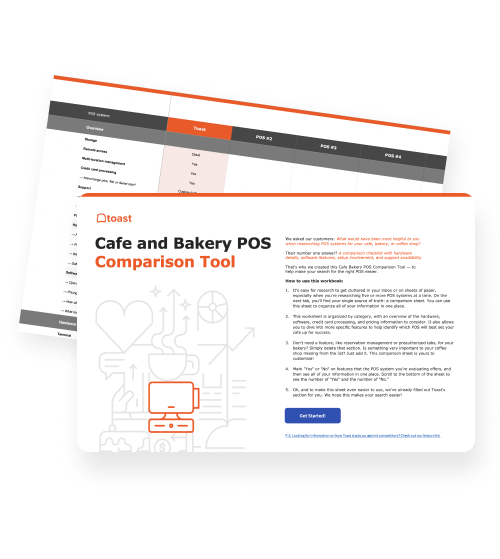
 Cafe and Bakery POS Comparison Tool
A free, customizable Cafe and Bakery POS Comparison Tool to research and compare point of sale systems in one Excel spreadsheet or editable PDF.
Get Free DownloadMatcha has quickly become a staple on modern café menus. This type of tea made its way from traditional Japanese ceremonies to coffee shops and bakeries around the world, where it’s now a popular alternative to coffee and a versatile ingredient in drinks, desserts, and even savory dishes.
Driven by the rising global interest in Asian food culture, like mochi and bubble tea, the matcha market is booming. It’s projected to grow from $2.3 billion in 2024 to $2.9 billion by 2028, largely fueled by demand for healthier menu options.
Whether you run a coffee shop or you’re looking for inspiration in your home kitchen, read on to explore everything from classic matcha lattes to more inventive matcha recipes.
Key takeaways
Matcha is a vibrant, nutrient-rich tea that's become a go-to coffee alternative on modern café menus.
It pairs well with milk, citrus, espresso, and more, making it perfect for everything from lattes to smoothies.
Matcha shines in desserts like cookies, cakes, soft serve, and parfaits that are as eye-catching as they are flavorful.
Savory matcha recipes, like noodles and granola, offer a creative twist for brunch and fusion-style dishes.
Choosing the right grade, balancing flavor, and leaning into presentation are key to making the most of your matcha recipes.
What is matcha?
Matcha is a vibrant green powder made from finely ground tea leaves. Like green tea, it comes from the Camellia sinensis plant, but it’s grown and processed differently.
Farmers shade the plants for most of their growth cycle, which boosts chlorophyll and amino acid levels, then harvest, dry, and stone-grind the leaves into a fine powder. The result is a bold, earthy tea that’s whisked into water or milk instead of steeped, so you’re consuming the whole leaf.
That means matcha offers a concentrated source of nutrients. It’s rich in antioxidants like catechins, which help protect cells from damage caused by free radicals. Research suggests matcha may also:
Support heart health.
Protect the liver.
Aid in weight management.
Improve brain function thanks to its caffeine and L-theanine content.
Additionally, as Max Ando, co-founder of matcha company Nekohama, explains:
“Matcha was first brought to the southern island of Kyushu and it was started off as something that monks would use to heighten their focus during meditation.”
Plus, it’s easy to prepare and incorporate into drinks, desserts, and other recipes. This makes it a smart and versatile addition to your café menu.
Recipe Card Template
Train your team with this recipe card template, a customizable Excel sheet that outlines recipe requirements for chefs and back of house staff.

Matcha drink recipes
Matcha’s versatility really shines in beverages, from classic lattes to creative seasonal specials. Whether you run a coffee shop, a bakery, or a full-service restaurant, matcha drinks can bring visual flair and functional benefits to your menu.
Classic matcha latte (hot or iced): A classic matcha latte combines matcha powder with steamed (or cold) milk and a touch of sweetener. Use oat, almond, or coconut milk for a plant-based twist.
Iced matcha lemonade: A refreshing, tangy spin that balances the earthiness of matcha with the brightness of citrus. Mix matcha with water and simple syrup, then shake with fresh lemon juice and ice.
Matcha smoothies: Blend matcha into smoothies for a nutrient-packed upgrade. Popular combinations include matcha with banana, spinach, oat milk, protein powder, or vanilla yogurt.
Dirty matcha (matcha with espresso): The dirty matcha blends matcha with a shot of espresso, creating a layered drink with bold flavor and serious caffeine appeal. Serve it hot or iced.
Seasonal or signature matcha drinks: Matcha pairs well with a wide range of flavors, so use it as a canvas for seasonal or house-made specialties. Think pumpkin spice matcha in fall or a rose cardamom matcha for a romantic February promo.
Matcha dessert recipes
Matcha’s rich, earthy flavor pairs beautifully with sweet ingredients, making it a standout in baked goods and frozen treats. These desserts don’t just taste good—they look great too, giving your menu (and Instagram feed) an eye-catching boost.
Matcha soft serve or ice cream: Matcha soft serve is a natural fit for cafés and ice cream shops. Consider seasonal matcha swirls or pairings like matcha-vanilla or matcha-black sesame.
Matcha cookies: Add a twist to a classic with matcha chocolate chip, white chocolate, or buttery shortbread cookies. The subtle bitterness of matcha balances sweet add-ins, and the green hue makes these cookies stand out in your pastry case.
Matcha cake or swiss roll: Whether it’s a layered cake or a matcha-flavored sponge roll with whipped cream or red bean filling, these desserts offer a visually striking centerpiece for display.
Matcha cheesecake or parfaits: A rich, creamy dessert with a hint of matcha creates a sophisticated flavor profile. Use layers of matcha cream cheese, crushed graham crackers, and mochi or berries for parfaits that are both decadent and portable.
Matcha donuts or muffins: Baked donuts dusted with matcha sugar or glazed with a matcha-white chocolate drizzle can be made in batches and stored easily. Pair matcha muffins with citrus zest or white chocolate chips for extra flavor.
Savory matcha recipes
While matcha is best known for its role in drinks and desserts, it can also bring a subtle, earthy complexity to savory dishes—especially in modern, fusion-forward menus. If your brand leans creative or health-conscious, these ideas can offer a fresh twist on familiar flavors.
Matcha pancakes or waffles: Give your brunch menu a glow-up with matcha-infused batter. The flavor pairs well with citrus toppings, whipped cream, or a drizzle of honey. For added flair, try stacking with mascarpone or layering with yuzu curd.
Matcha granola or overnight oats: A great grab-and-go item for cafes. Add matcha powder to your granola clusters or overnight oat base for a visually distinctive, antioxidant-rich breakfast. Pair with berries, coconut flakes, or a swirl of yogurt to balance the flavor.
Matcha noodles or sauce (fusion dishes): For full-service restaurants or bold café menus, matcha can be worked into pasta doughs, soba noodles, or creamy sauces. It’s a subtle but striking addition to dishes like matcha alfredo, poke bowls, or even ramen-inspired plates.
Tips for incorporating matcha into your menu
Matcha offers a lot of creative potential, but a few smart choices can make the difference between a standout menu item and one that falls flat. Here’s how to get the most out of this bold green ingredient:
Choose the right grade: Ceremonial-grade matcha is smoother, more vibrant, and ideal for premium drinks. Culinary-grade is more affordable and works well in lattes, baked goods, and savory recipes. Use ceremonial where flavor and texture matter most, and culinary when matcha is one component of a larger dish.
Store it properly: Matcha is sensitive to light, air, and heat. Keep it in an airtight container, stored in a cool, dark place. This helps preserve its color, flavor, and nutrient content.
Balance the flavor: Matcha’s flavor can be intense on its own. Pair it with complementary ingredients like vanilla, citrus, coconut, or white chocolate to create a more approachable profile. For savory dishes, matcha works well with umami-rich ingredients like miso, soy sauce, or aged cheese.
Prioritize presentation: One of matcha’s biggest selling points is its color, so lean into that visual appeal. Serve drinks in clear cups, dust desserts with extra matcha powder, or add fresh fruit and edible flowers for social media–friendly flair.
Menu Engineering Worksheet
Use this menu engineering worksheet, complete with intricate menu engineering formulas, to determine areas of strength and weakness in your restaurant's menu.

Subscribe to On the line
Sign up to get industry intel, advice, tools, and honest takes from real people tackling their restaurants' greatest challenges.
By submitting, you agree to receive marketing emails from Toast. We’ll handle your info according to our privacy statement. Additional information for California residents available here.


Go green with these great matcha recipes
Matcha brings more than just bold color to the table. It offers flavor, function, and endless creative potential! From lattes and lemonades to desserts and savory dishes, this vibrant tea trend is here to stay, and it’s become a must-have on any coffee shop menu.
Is this article helpful?
DISCLAIMER: This information is provided for general informational purposes only, and publication does not constitute an endorsement. Toast does not warrant the accuracy or completeness of any information, text, graphics, links, or other items contained within this content. Toast does not guarantee you will achieve any specific results if you follow any advice herein. It may be advisable for you to consult with a professional such as a lawyer, accountant, or business advisor for advice specific to your situation.
 Trending

Subscribe to On the line
Sign up to get industry intel, advice, tools, and honest takes from real people tackling their restaurants' greatest challenges.
By submitting, you agree to receive marketing emails from Toast. We’ll handle your info according to our privacy statement. Additional information for California residents available here.