
How to Start a Food Business from Home
There’s so much more to the food and beverage industry than just full-service restaurants. Learn about the different types of home food businesses and how you can start the food business of your dreams.

Author
 RESOURCE
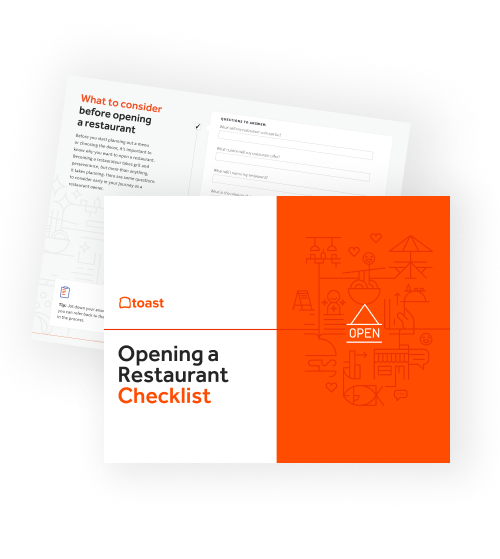
 Opening a Food Business Checklist
So many things go into opening a food business. Use this free PDF checklist to set your new business up for success.
Get Free DownloadStarting a home-based food business allows entrepreneurs to turn culinary passion into profit without the high overhead of commercial kitchens. This trend is only growing, attracting many aspiring cooks to launch profitable ventures from home.
The cottage food market has grown from a value of $5 billion in 2008 to an estimated $20 billion in 2019 and continues increasing. This explosive growth demonstrates the viability and appeal of home-based food operations, driven by lower startup costs, flexible scheduling, and the ability to test market demand before committing to commercial space.
Want to learn more? Let’s dive in.
Understanding cottage food laws and regulations
The foundation of any successful food business from home lies in understanding cottage food laws—the legal framework that enables home-based food entrepreneurs to operate legally without commercial kitchen requirements. Cottage food laws, sometimes referred to as "food freedom laws," allow a person to make specific food products in the comfort of their own home, and then sell them locally.
What cottage food laws allow
Cottage food regulations are the legal loopholes that allow almost anyone with a kitchen in their home to legally cook, bake, and prepare foods and sell them to the general public without the expense of a commercial kitchen or restaurant. These laws typically cover non-potentially hazardous foods that don't require refrigeration for safety.
Common cottage food items include:
Baked goods like breads, cookies, and cakes
Jams, jellies, and preserves
Granola and snack mixes
Spice blends and seasonings
Candies and confections
Pickled vegetables (in some states)
State-by-state variations
Cottage food laws vary significantly by state, with different requirements for licensing, sales limits, and approved products. According to LawAtlas.org, eight states require cottage food operations to obtain a license or permit before starting operation, while only 15 states require some form of training.
Sales limits vary dramatically:
Wisconsin limits cottage food revenue to $5,000 annually
Texas, California, and Missouri allow sales up to $50,000
Colorado limits sales to $10,000 per product
Illinois restricts sellers to $1,000 per month
Some states have no license or permit requirements to get started, meaning you could start cooking, baking and making money right now.
Recent legislative updates
Effective July 1, 2025, Georgia's House Bill 398 brings important updates to the state's cottage food program, making it easier for home-based food producers to sell their goods, including allowing sales to retail stores and removing the state licensing requirement.
Essential licenses and permits
While cottage food laws simplify the regulatory landscape, home food businesses still require specific permits and licenses to operate legally.
Basic licensing requirements
Start by thoroughly researching and understanding the local regulations governing home-based food businesses in your area, including zoning laws, ingredient restrictions, and any limitations on the scale of your operation.
Most cottage food operations need:
Business license (varies by municipality)
Cottage food permit or registration
Food handler's certification
Home occupation permit (if required by local zoning)
Food handler certification
To get a food handler's card, employees must pass a test about food safety and preparation with a grade of at least 70%, with state law requiring that the test and license not cost more than $15.
Labeling and packaging compliance
Ensure your products comply with packaging and labeling regulations, including providing accurate ingredient lists, nutritional information, and any required allergy warnings. Most states require cottage food labels to include:
Product name
Ingredient list in descending order by weight
Producer name and address
"Made in a home kitchen" statement
Allergen warnings when applicable
Opening a Food Business Checklist
So many things go into opening a food business. Use this free PDF checklist to set your new business up for success.

Setting up your home kitchen for business
Transforming your home kitchen into a food business operation requires careful planning and adherence to food safety standards.
Kitchen safety and sanitation
Prioritize rigorous health and safety standards by maintaining a clean and sanitary kitchen, adhering to proper food handling practices, and familiarizing yourself with guidelines related to storage and food preparation.
Key food safety practices include:
Implementing HACCP (Hazard Analysis Critical Control Points) principles
Maintaining proper food storage temperatures
Using separate cutting boards for different food types
Regular sanitization of all surfaces and equipment
Proper hand washing protocols
Equipment and storage
Adhere to guidelines for proper food storage and transportation, maintaining optimal conditions to prevent spoilage or contamination, including appropriate temperatures during storage and transportation.
Essential equipment typically includes:
Commercial-grade thermometers
Adequate refrigeration and freezer space
Proper storage containers
Scales for accurate measurements
Packaging materials and supplies
Developing your product line
To succeed in a home food business, it’s best to develop products that align personal passion with market demand.
Market research and validation
Before committing to specific products, conduct thorough market research to understand local demand and competition. Try meeting directly with potential customers, doing taste tests, exploring the community around your product, researching customer pain points, and exploring market demands to gain a deeper understanding of the potential for your idea.
Product differentiation strategies
With the market for savory snacks in North America expected to reach $71 billion in 2025, there's a significant opportunity for unique products that stand out from established brands.
Focus on:
Unique flavor combinations or dietary restrictions (gluten-free, vegan, keto)
Local or seasonal ingredients
Artisanal production methods
Heritage or family recipes
Sustainable packaging options
Marketing strategies for home food businesses
Home food businesses heavily rely on effective marketing strategies to establish and maintain a direct connection with customers.
Building brand identity
Establish a clear and consistent brand identity that communicates your uniqueness, crafting a compelling brand story and reflecting it across all touchpoints, from packaging to online presence.
Key branding elements include:
Professional logo and visual identity
Consistent messaging across all platforms
Quality product photography
Authentic brand story that resonates with customers
Digital marketing channels
Leverage platforms like Instagram and Facebook for visual engagement, sharing high-quality visuals, running promotions, and interacting actively with followers to build a direct and personal connection.
There are over 200 million posts tagged #food and 23 million with #drinks on social media, demonstrating the platform's importance for food businesses.
Effective digital strategies include:
Instagram and Facebook for visual content
Email marketing for customer retention
Website with e-commerce capabilities
Local SEO optimization
Content marketing through blogs or videos
Community engagement
Boost engagement by connecting with your local community through events and collaborations. Partner with nearby businesses and influencers, ensuring these collaborations align with your brand's values and target audience to maximize your reach.
Sales channels and distribution
Understanding where and how to sell your products maximizes revenue potential while staying within legal boundaries.
Direct-to-consumer sales
All cottage food laws allow direct sales to the public, and in more than a dozen states, you can also sell products through indirect or wholesale channels, such as restaurants, specialty food shops, and local cooperatives like farmers' markets.
Popular direct sales venues include:
Farmers' markets and craft fairs
Online sales through your website
Social media platforms
Pop-up events and food festivals
Direct delivery to customers
Wholesale opportunities
In most states, you cannot sell your cottage food to businesses such as restaurants or grocery stores, but a few states do allow it. Research your state's specific regulations before pursuing wholesale opportunities.
Online sales
Many states now permit online cottage food sales with specific restrictions. Internet sales are allowed under certain conditions, typically requiring the cottage food operator to personally deliver the food to the consumer and provide required labeling information before accepting payment.
Frequently asked questions
What types of food can I legally make and sell from home? Most cottage food laws allow non-potentially hazardous foods like baked goods, jams, jellies, granola, spice blends, and candies. Foods requiring refrigeration or containing meat, dairy, or other potentially hazardous ingredients are typically prohibited.
How much money can I make with a cottage food business? Revenue limits vary by state, ranging from $5,000 in Wisconsin to $50,000 in states like Texas and California. Many successful cottage food operators reach these limits and transition to commercial operations.
Do I need special insurance for my home food business? While not always legally required, business insurance is highly recommended. Check with your homeowner's insurance about coverage gaps and consider cottage food business insurance policies.
Can I sell my cottage food products online? Many states allow online sales with restrictions, such as requiring personal delivery and providing proper labeling information before payment. Check your state's specific cottage food laws.
What's the difference between cottage food and a commercial food business? Cottage food operations use home kitchens and face restrictions on products, sales venues, and revenue. Commercial food businesses operate in licensed commercial kitchens with fewer restrictions but higher costs and regulatory requirements.
How do I transition from cottage food to commercial food production? When you reach revenue limits or want to expand product lines, consider renting commercial kitchen space, obtaining food manufacturer licenses, and meeting commercial food safety requirements. Many successful restaurants and food companies started as cottage food operations.
Is this article helpful?
DISCLAIMER: This information is provided for general informational purposes only, and publication does not constitute an endorsement. Toast does not warrant the accuracy or completeness of any information, text, graphics, links, or other items contained within this content. Toast does not guarantee you will achieve any specific results if you follow any advice herein. It may be advisable for you to consult with a professional such as a lawyer, accountant, or business advisor for advice specific to your situation.
 Trending


Subscribe to On the line
Sign up to get industry intel, advice, tools, and honest takes from real people tackling their restaurants' greatest challenges.
By submitting, you agree to receive marketing emails from Toast. We’ll handle your info according to our privacy statement. Additional information for California residents available here.