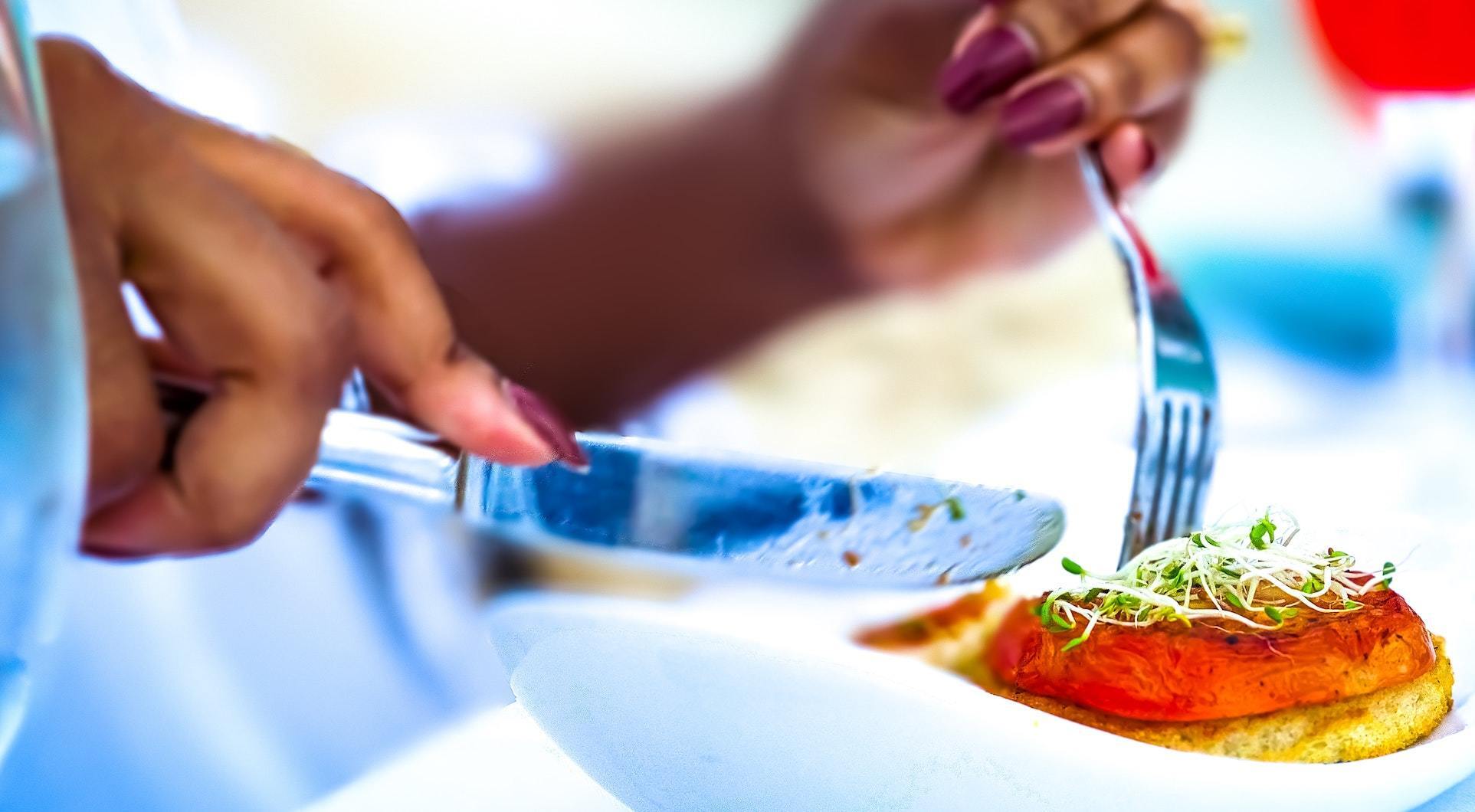
How many Michelin stars can a restaurant have?
Let's dig into this influential rating system that continues to shape restaurants and dining trends in 2025.

Author
 RESOURCE
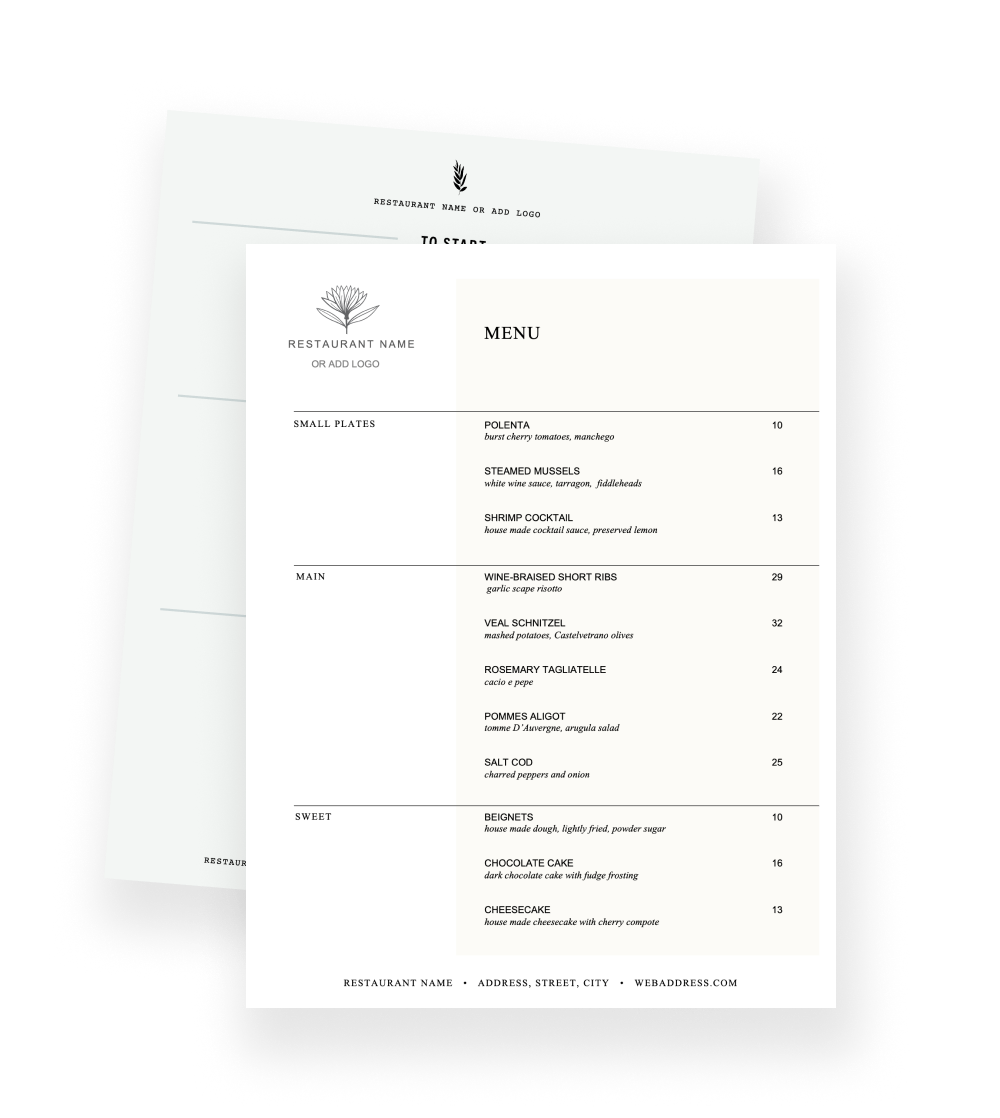
 Fine Dining Menu Templates
Use these fine dining menu templates as a starting point for your menu design or to give your menu a refresh.
Get Free DownloadHow many Michelin stars can a restaurant have?
The Michelin star system stands as one of the most coveted badges of honor in the food world, guiding diners to exceptional culinary experiences worldwide. But what exactly are these stars, and how many can a restaurant actually earn?
Let's dig into this influential rating system that continues to shape restaurants and dining trends in 2025.
The origins of the Michelin Guide
What started as a simple handbook for drivers has become the culinary world's most prestigious award system. Back in 1900, the French tire company Michelin published its first guide to encourage people to hit the road (and buy more tires in the process). Initially given away for free, the guide featured practical travel info like maps, tire repair tips, and listings for mechanics, hotels, and gas stations.
The shift toward restaurant ratings began in 1926 when Michelin started awarding stars to restaurants worth visiting. They began with just a single star, but by 1931, they introduced the three-star system we know today. By 1936, they'd clearly defined the criteria for each level, creating the framework for what would become the world's most influential restaurant rating system.
The Michelin star rating system explained
So, how many Michelin stars can a restaurant earn? The simple answer: a maximum of three. Here's what each level means:
One Star: "A very good restaurant in its category"
Two Stars: "Excellent cooking that is worth a detour"
Three Stars: "Exceptional cuisine that is worth a special journey"
While these descriptions seem straightforward, the journey to earning them is anything but simple.
How Michelin stars are awarded
The secretive nature of Michelin's inspection process adds to the mystique surrounding its stars.
Michelin hires thousands of anonymous inspectors who travel around the world to try the world’s best restaurants. These inspectors are typically restaurant industry veterans who dine undercover to ensure they get the same experience as regular customers.
After inspecting each restaurant, the Michelin team gathers for 'star sessions' where they debate each establishment's rating. These discussions can last for days, with each restaurant considered individually until they reach a unanimous decision.
The assessment criteria focus on five key factors:
Quality of ingredients
Harmony of flavors
Mastery of cooking techniques
Personality of the chef as expressed through their cuisine
Consistency across the entire menu and over time
The rarity of three Michelin stars
Three Michelin stars represent the pinnacle of culinary achievement – and they're incredibly rare.
As of 2025, there are just over 140 three-star restaurants in the entire world. France leads with 34 three-star establishments, with Japan following close behind.
The United States currently has 14 three-star restaurants, concentrated primarily in New York and California. Notable examples include Alinea in Chicago, which has maintained its three stars since the first edition of the Chicago Michelin guide in 2011.
Achieving and maintaining three stars takes incredible dedication, precision, and creativity.
Stars belong to restaurants, not chefs
A common misconception is that Michelin stars are awarded to chefs rather than restaurants. The reality is that stars are awarded to the restaurant itself. If the head chef leaves, the stars stay with the restaurant.
That said, many famous chefs have earned stars across multiple restaurants throughout their careers. The late French chef Joël Robuchon holds the record with an incredible 31 Michelin stars across his various restaurants. Other star-collecting chefs include Alain Ducasse, Gordon Ramsay, and Yannick Alléno.
Beyond the stars: Other Michelin recognitions
While the three-star system gets most of the attention, Michelin has expanded its recognition system to include other awards that highlight different aspects of dining excellence:
The Bib Gourmand
Introduced in 1997, this award celebrates great food at reasonable prices. Named after Bibendum (the Michelin Man), this distinction highlights restaurants that offer good quality, good value cooking.
In France for 2025, Bib Gourmand restaurants offer a full meal (not including drinks) at around 40 euros outside Paris and 45 euros in Paris. In the United States, the price cap was raised from $40 to $49 in 2023 to account for inflation.
The Michelin Green Star
Launched in 2020, the Green Star celebrates restaurants leading the way in sustainable dining. Green stars are awarded independently of the other star ratings – a restaurant can have both a Green Star and anywhere from zero to three regular stars.
Michelin inspectors look for restaurants with "a strong commitment to sustainable gastronomy," considering factors such as the provenance of ingredients, use of seasonal produce, environmental footprint, food waste systems, waste disposal and recycling, and resource management.
There is no rigid checklist for the Michelin Green Star since each restaurant and its environment are unique. The award recognizes places that consistently prioritize sustainability in their day-to-day operations.
The Michelin Plate
Introduced in 2016, the Michelin Plate recognizes restaurants that "simply serve good food". It acknowledges quality restaurants that haven't yet received stars or Bib Gourmand status but still deliver enjoyable dining experiences.
The global reach of the Michelin Guide
The Michelin Guide has grown far beyond its French roots. In 2025, it covers restaurants in more than 35 countries across North America, South America, Europe, and Asia.
However, despite this expansion, many culinary-rich regions and cities remain uncovered – often cited as one of the guide's biggest limitations. Even major food destinations like New York and Tokyo only joined the guide relatively recently.
The guide continues to expand into new markets. For instance, Canada joined in 2022 with guides for Toronto and Vancouver, with Quebec set to be added in 2025.
The world's most famous Michelin-starred restaurants
The Michelin Guide has elevated certain restaurants to legendary status. These culinary temples have not only achieved the highest ratings but have also transformed global dining through their innovation and excellence.
Three-star legends
The French Laundry in Yountville, California, helmed by chef Thomas Keller, has maintained its three-star status since 2007. Known for its nine-course tasting menus that change daily, it's widely considered one of America's most significant restaurants. Keller's classic French techniques applied to American ingredients have influenced an entire generation of chefs.
Osteria Francescana in Modena, Italy, led by chef Massimo Bottura, earned its third star in 2012. Bottura's avant-garde approach reimagines Italian classics with dishes like "Five Ages of Parmigiano Reggiano" and "Oops! I Dropped the Lemon Tart." The restaurant has twice been named the world's best restaurant by the World's 50 Best list.
Restaurant Gordon Ramsay in London has held three Michelin stars since 2001, making it one of the UK's longest-running three-star establishments. Despite celebrity chef Gordon Ramsay's television fame, the restaurant maintains impeccable standards with its modern French cuisine.
Sukiyabashi Jiro in Tokyo became world-famous after the documentary "Jiro Dreams of Sushi". This tiny 10-seat sushi counter in a subway station, led by master chef Jiro Ono (who continued working well into his 90s), exemplifies his dedication to perfection through simplicity.
Rising stars
Atomix in New York City earned its second star in record time. Husband-and-wife team Junghyun and Ellia Park blend Korean culinary traditions with modern techniques, serving a tasting menu where each course comes with a custom card explaining its significance.
SingleThread in Healdsburg, California, earned three stars within just a few years of opening. Chef Kyle Connaughton and his wife Katina operate their own farm, bringing Japanese-influenced farm-to-table dining to new heights in wine country.
Brat in London earned its first star with chef Tomos Parry's open-fire cooking, proving that Michelin excellence doesn't require formal white tablecloths or elaborate service.
Frequently asked questions about Michelin stars
How much does a meal at a Michelin-starred restaurant cost?
Prices vary widely. While three-star restaurants often charge $300-500 per person for tasting menus (excluding drinks), many one-star establishments offer more affordable options. For example, several one-star ramen shops in Tokyo charge around $15-20 for a meal. The most budget-friendly Michelin experiences are found in Asia, where some starred street food vendors in Singapore and Hong Kong sell dishes for under $5.
Can restaurants lose their Michelin stars?
Absolutely. Stars are reassessed annually, and restaurants can lose them due to declining quality, inconsistency, or significant changes in concept or chef. Some restaurants have even voluntarily returned their stars, like chef Sébastien Bras in France, who asked to be excluded from the guide in 2017 because of the pressure.
How do you lose a Michelin star?
Restaurants lose Michelin stars in several ways. The most common reason is inconsistency, when inspectors visit multiple times and find varying quality in food or service. Significant changes in chef or concept can also trigger a reassessment. Sometimes, a restaurant's standards simply slip below what's expected for their star level. Michelin inspectors revisit starred restaurants regularly, and if they find the experience no longer meets the criteria, they'll downgrade or remove stars in the next guide. Restaurants can also lose stars when they close, relocate, or substantially change their concept.
Which states have Michelin-starred restaurants?
As of 2025, Michelin only evaluates restaurants in four U.S. states: California, New York, Illinois (specifically Chicago), and Florida. Washington D.C. also has its own Michelin Guide, despite not being a state. California has the highest concentration of starred restaurants, spread across San Francisco, Los Angeles, and wine country. The Michelin Guide is gradually expanding to more U.S. regions, with Colorado being one of the more recent additions.
Is Michelin the tire company?
Yes, the Michelin that awards stars to restaurants is the same Michelin that makes tires. The Michelin Guide was originally created in 1900 as a marketing tool by the French tire manufacturer to encourage more automobile travel (and thus increase tire sales). The guide initially provided practical information for drivers, including where to find gas stations, mechanics, and places to eat and sleep. The restaurant rating system was introduced in 1926, with the famous star system appearing in 1931. Today, the guide operates independently but is still owned by the Michelin tire company.
Can a restaurant request a Michelin inspection?
Restaurants can't request an inspection, but they can make Michelin aware they exist. The Michelin Guide website has a form where restaurants can submit their information for consideration. However, Michelin inspectors ultimately decide which establishments they visit, and there's no guarantee of being included in the guide.
The enduring prestige of Michelin recognition
Achieving three Michelin stars remains one of the most sought-after achievements in the restaurant world. What makes Michelin recognition special is how it celebrates culinary excellence that goes beyond trends and speaks to lasting quality.
For diners, the stars serve as trusted guides to exceptional dining experiences. For chefs and restaurateurs, they represent the highest form of recognition and a place in culinary history. As restaurants continue to evolve, the allure of those three little stars shows no sign of fading anytime soon.
Is this article helpful?
DISCLAIMER: This information is provided for general informational purposes only, and publication does not constitute an endorsement. Toast does not warrant the accuracy or completeness of any information, text, graphics, links, or other items contained within this content. Toast does not guarantee you will achieve any specific results if you follow any advice herein. It may be advisable for you to consult with a professional such as a lawyer, accountant, or business advisor for advice specific to your situation.
 Trending

Subscribe to On the line
Sign up to get industry intel, advice, tools, and honest takes from real people tackling their restaurants' greatest challenges.
By submitting, you agree to receive marketing emails from Toast. We’ll handle your info according to our privacy statement. Additional information for California residents available here.