How Many Beers Are in a Keg? Your Guide to Keg Sizes
Running a bar or throwing a party and need to know how many beers are in a keg? Explore different keg sizes and how to choose the right one.
Author
 RESOURCE
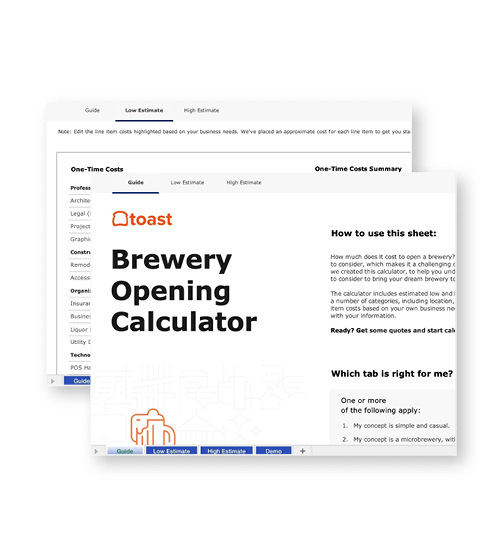
 Brewery Opening Calculator
This calculator lays out some of the fundamental financial costs of opening a brewery, so you can start planning and bring your dream brewery to life.
Get Free DownloadThe rise of craft breweries has transformed bars from simple beer stops to taproom-style destinations, with many now offering 20–40 rotating options on draft. But with greater variety comes more complexity—and more opportunity for things to go wrong.
For example, every time a keg is changed, especially in long-draw systems, a gallon or more of beer can be wasted just from foam clearing the line. In a busy bar, that can add up to over $1,000 in missed profit every month.
Whether you’re running a commercial draft system or just stocking up for your next event, choosing the right keg size—and understanding how to get the most out of it—is crucial. In this guide, we’ll break down the most common keg sizes in the U.S., how many beers each one holds, and how to choose the best fit for your needs.
Key takeaways
Keg sizes range from large half barrels to compact minis, each suited for different spaces and occasions.
Choosing the right keg depends on event size, storage space, and how many beer options you want to serve.
Slim and sixtel kegs are great for variety and tight setups, while half barrels work best for high-volume service.
Not all beers come in all keg sizes—availability varies by brand, style, and local demand, especially for imports and craft brews.
A well-managed draft system reduces waste, improves freshness, and helps you get the most out of every keg.
Brewery Equipment Checklist
Opening or upgrading a brewery? Don't miss any essential equipment! Download our free, comprehensive Brewery Equipment Checklist.

How Many Beers Are in a Keg?
If you’re starting a bar—or just hosting the occasional party—knowing how many beers are in a keg can help you plan smarter. From full-sized kegs to compact options for small-batch brews, each size offers different yields, storage needs, and ideal use cases.
Let’s break down the most common keg sizes used in the U.S., along with how many beers each one contains.
Half barrel keg (full size keg)
The half barrel is the standard "full-size" keg in the U.S.—and the one you’ll most often see in bars and restaurants.
Servings: ~165 12 oz beers or 124 16 oz pints
Capacity: 15.5 gallons (58.7 liters)
Dimensions: 23⅜" height × 16⅛" diameter
Weight: ~160 lbs full (~30 lbs empty)
Best for: Large events, restaurants, and venues serving 100+ beer drinkers
Examples: Popular domestic beers like Miller Lite, Bud Light, Yuengling Traditional Lager, and Pabst Blue Ribbon.
50-liter keg (import keg)
Common for European imports, this keg size sits between a half and quarter barrel.
Servings: ~140 12 oz beers or 105 pints
Capacity: 13.2 gallons (50 liters)
Weight: ~130 lbs full (~27 lbs empty)
Best for: Those who want an imported beer and are looking for a size between quarter and half barrel.
Examples: Popular import brands like Heineken, Guiness, Stella Artois, and Strongbow.
Quarter barrel keg (pony keg)
Short and wide, the pony keg is easy to transport and fits in most home kegerators.
Servings: ~82 12 oz beers or 62 pints
Capacity: 7.75 gallons (29.3 liters)
Dimensions: 13⅞" height × 16⅛" diameter
Weight: ~87 lbs full (~22 lbs empty)
Best for: House parties and casual gatherings with around 30 people
Example: Quarter barrel kegs are usually available with popular beers like Modelo Especial, Miller Lite, Yuengling Traditional Lager, and Coors Light.
Slim quarter keg (tall quarter)
A slim quarter keg is the same volume as the pony keg, but taller and skinnier. This makes it ideal for tight spaces.
Servings: ~82 12 oz beers or 62 pints
Capacity: 7.75 gallons (29.3 liters)
Dimensions: 23⅜" height × 11⅛" diameter
Weight: ~87 lbs full (~22 lbs empty)
Best for: Dual-tap kegerators or narrow coolers with height to spare
Example: Like the pony keg, tall quarter kegs are available with popular brands like Coors Light, as well as craft options like Abita Purple Haze and Bells Two Hearted IPA.
Sixth barrel keg (sixtel)
A go-to for craft breweries and rotating tap selections, the sixtel offers flexibility without the bulk.
Servings: ~55 12 oz beers or 41 pints
Capacity: 5.16 gallons (19.5 liters)
Dimensions: 23⅜" height × 9¼" diameter
Weight: ~58 lbs full (~15 lbs empty)
Best for: Craft beer menus, limited-run brews, and bars offering variety
Example: Sixtels typically feature popular imported and domestic craft beers such as Stella Artois, Dogfish Head 60-Minute IPA, Guinness Draught, and Allagash White.
Mini keg
The smallest commercial keg available, mini kegs usually feature built-in CO2 for easy pouring.
Servings: ~14 12 oz beers or 10 pints
Capacity: 1.32 gallons (5 liters)
Weight: ~13–15 lbs when full (~5 lbs empty)
Best for: Small get-togethers, camping trips, or sampling unique brews at home
Example: Several popular brands offer mini kegs, including Heineken, Shiner Bock, Reissdorf Kolsch, and Bitburger Premium Pilsner.
How to choose the right keg size
Choosing the right keg size isn’t just about volume—it’s about matching your beer setup to your space, event, and service goals. Whether you're hosting a party or building a beer menu, here are a few key factors to consider:
Event size and duration:
Large events (100+ guests): Half barrel keg
Medium events (30–50 guests): Quarter barrel keg
Small gatherings (15–25 guests): Sixth barrel keg
Intimate groups (less than 10 guests): Mini keg
Beer variety: Smaller kegs like sixtels or quarter barrels make it easier to offer multiple beer options without committing to a full keg of each.
Storage space: Short on floor space? Opt for slim quarter kegs, which offer the same volume as a standard quarter barrel but with a smaller footprint.
Freshness: Pasteurized beer stays fresh in a keg for 3–6 months, while non-pasteurized beer lasts around 2 months once tapped. As beer educator and commentator Matt Kirkegaard said, "One of the things that we don't really think about a lot with beer is having a shelf life, and it's a fairly short shelf life at that.”
Weight and transportation: Kegs can weigh over 150 lbs when full. Make sure you have a plan for delivery, setup, and any equipment you'll need to move them.
Equipment compatibility: Most U.S. beers use the D System Sankey coupler, while many European imports require a different type. Always confirm what your keg needs before tapping.
Availability: Not every beer comes in every size. Craft breweries often use sixth barrels for small-batch or seasonal releases. Imports frequently come in 50-liter kegs.
Cost efficiency: Kegs typically offer a lower cost per serving than bottles or cans. For bars and restaurants, a well-managed draft system can significantly improve profit margins.
Pick the perfect keg size and get the party started
Whether you’re serving a packed taproom or a few friends in your backyard, choosing the right keg size is essential for keeping the drinks flowing and minimizing waste. From half barrels to mini kegs, understanding how each type fits into your space and your plans helps you get the most out of each barrel.
Once you've picked the right keg, make sure your draft system is dialed in, your staff or keg operator is trained, and your beer is stored at the right temperature. From there, you’re ready to turn your place into a hotspot—whether you’re running a bar or throwing a rager with your friends!
Is this article helpful?
DISCLAIMER: This information is provided for general informational purposes only, and publication does not constitute an endorsement. Toast does not warrant the accuracy or completeness of any information, text, graphics, links, or other items contained within this content. Toast does not guarantee you will achieve any specific results if you follow any advice herein. It may be advisable for you to consult with a professional such as a lawyer, accountant, or business advisor for advice specific to your situation.
 Trending


Subscribe to On the line
Sign up to get industry intel, advice, tools, and honest takes from real people tackling their restaurants' greatest challenges.
By submitting, you agree to receive marketing emails from Toast. We’ll handle your info according to our privacy statement. Additional information for California residents available here.