Cold Brew Prices: From Cafés to Cans, What's Behind the Cost?
Cold brew prices are higher than drip coffee due to steeping time, extra beans, and premium branding. Learn the key reasons cold brews cost more.
Author
Coffee Shop Profit Margin Calculator
Use this free calculator to help consistently capture and track your profit margin.
Get Free DownloadAccording to the latest Toast data, the median price of cold brew coffee was $5.40 as of April 2025, up 4.2% from the year before. That makes it one of the most premium-priced drinks in most cafés—outpacing drip, Americano, and iced coffee.
So what’s behind the higher cost? From steeping time and ingredient ratios to packaging and presentation, cold brew carries more complexity than it lets on. Whether you’re running a café or just curious why your go-to drink costs more than a hot cup of joe, here’s what really goes into cold brew pricing—and why customers are still happy to pay.
Key takeaways
Cold brew costs more than drip due to higher bean ratios, longer prep time, and specialized equipment.
Nitro cold brew commands a premium thanks to its draft system, rich texture, and novelty appeal.
Flavored and seasonal cold brews are labor-intensive and marketed as indulgent experiences, raising their price.
RTD cold brews and subscriptions offer convenience, but packaging, branding, and fulfillment drive up costs.
Cold brew’s versatility—from cocktails to concentrates—keeps demand high, even as prices climb.
Coffee Shop Profit Margin Calculator
Use this free calculator to help consistently capture and track your profit margin.

1. Classic cold brews
At first glance, cold brew might seem like just another way to enjoy coffee. But when you compare prices—over $2 more on average than standard drip—it’s clear there’s more at play than just serving temperature. Here’s why cold brew costs more to make, and why customers are willing to pay for it:
More coffee, less water: Cold brew uses a higher ratio of coffee to water—sometimes double what you’d use for hot drip coffee. That means every batch requires more beans, driving up the cost before it even hits the cup.
Time-intensive process: Unlike hot coffee that brews in minutes, cold brew needs to steep for 12 to 24 hours. This slow extraction demands advance prep, space to store batches, and tight inventory planning.
Equipment and refrigeration: From large brewing vats to kegerators for nitro pours, cold brew requires specialized equipment. Keeping it cold also means using valuable refrigeration space, which adds overhead costs.
Shorter shelf life: Once a cold brew batch is opened or diluted, it has a relatively short shelf life compared to hot-brewed coffee. That means more frequent brewing, more waste risk, and tighter quality control.
Perceived value and premium positioning: Cold brew is often viewed as a specialty drink, and shops often lean into that with sleek branding, premium glassware, or creative add-ons. The elevated experience supports a higher price point.
2. Nitro cold brews
Nitro cold brew is infused with nitrogen gas, typically served on tap, with a cascading pour and creamy texture that mimics a stout beer. That premium feel comes at a premium price. Most cafes charge $1–$2 more for nitro cold brew than for standard cold brew.
Specialized equipment: Serving nitro cold brew requires a full draft system—kegs, nitrogen tanks, regulators, and tap lines. The upfront investment and ongoing maintenance raise overhead costs.
Higher ingredient and prep costs: Nitro cold brew starts with the same high-ratio coffee base as standard cold brew. Shops often use even more coffee or finer filtration methods to get the ultra-smooth texture nitro demands.
Extra refrigeration and storage: Nitro kegs must be kept cold at all times. That requires designated refrigeration units or space in existing ones.
Limited batch control: Once a keg is tapped, it has a shorter shelf life and must be served quickly to preserve texture and freshness. That makes batch timing and demand forecasting critical to avoid waste.
Elevated customer expectations: Nitro’s creamy texture and beer-like presentation give it a novelty appeal—and many customers see it as a luxury drink worth the splurge.
3. Flavored and seasonal cold brews
Flavored and seasonal cold brews offer a creative twist on the classic. From pumpkin cream cold brews in the fall to vanilla coconut or maple cardamom in the summer, these drinks regularly land in the $6–$7 range.
Added ingredients: Flavor syrups, cold foam, infused milks, or house-made toppings all increase the ingredient cost. Even a simple vanilla sweet cream cold brew can use multiple components.
More labor-intensive prep: Unlike standard cold brew that’s batched and poured, flavored versions often require made-to-order customization. This slows down service during busy hours and raises labor costs per drink.
Marketing and seasonal appeal: Seasonal cold brews often double as limited-time offers (LTOs), which can justify a higher price.
Brand positioning: These drinks are often visually striking and Instagram-ready. Whether it’s layered cold foam, glittery ice cubes, or branded drink toppers, shops may invest extra time and materials to make each drink share-worthy.
Remember, these drinks aren’t just about flavor—they’re positioned as indulgent experiences. When Starbucks released its Cinnamon Caramel Cream Nitro Cold Brew, here's how the company’s beverage developer, Erin Marinan, described it:
“Taking inspiration from salted caramels and gooey sticky buns, the new Cinnamon Caramel Cream Nitro Cold Brew is a lovely balance of decadent baking flavors with a delicate and creamy cold foam topping that seamlessly blends into the coffee with each sip… This velvety smooth Nitro Cold Brew provides customers with a fresh take on the fan-favorite caramel flavor.”
4. Ready-to-drink cold brews
Cold brew is a growing force in the grab-and-go market. From single-serve bottles to canned nitro options, ready-to-drink (RTD) cold brew offers convenience, consistency, and branding power.
In the U.S. alone, the RTD coffee market is expected to generate $12.2 billion in at-home revenue in 2025, with an additional $269.6 million coming from restaurants and bars.
Packaging and distribution: Cans, bottles, labels, and sealing all add manufacturing costs. Whether it's glass for premium presentation or aluminum for wide distribution, packaging is a major driver of price.
Shelf stability and processing: RTD cold brews are often flash pasteurized or use filtration systems to extend shelf life. These processes require specialized equipment and quality control, increasing production overhead.
Brand positioning: RTD cold brews often lean heavily into lifestyle branding—whether it’s minimalist design, sustainability claims, or functional additives like protein or adaptogens. These value-adds justify a higher price point.
Retail and wholesale markups: Whether sold in grocery stores, gas stations, or directly online, RTD cold brew pricing has to account for multiple markup layers—distributor, retailer, and brand.
Convenience pricing: Customers aren’t just paying for coffee—they’re paying to skip the line and grab a consistent favorite from the fridge. For busy professionals or commuters, the price reflects time saved as much as product quality.
5. Bulk cold brews
Whether it’s a growler refill from a local coffee shop or a ready-to-pour carton from the grocery store, buying in bulk can be more cost-effective than picking up a daily café or bottled drink.
Larger upfront cost, lower per-serving price: A 32-oz carton or growler might cost $8 to $14 up front, but that breaks down to $2–$3 per serving—less than a café visit.
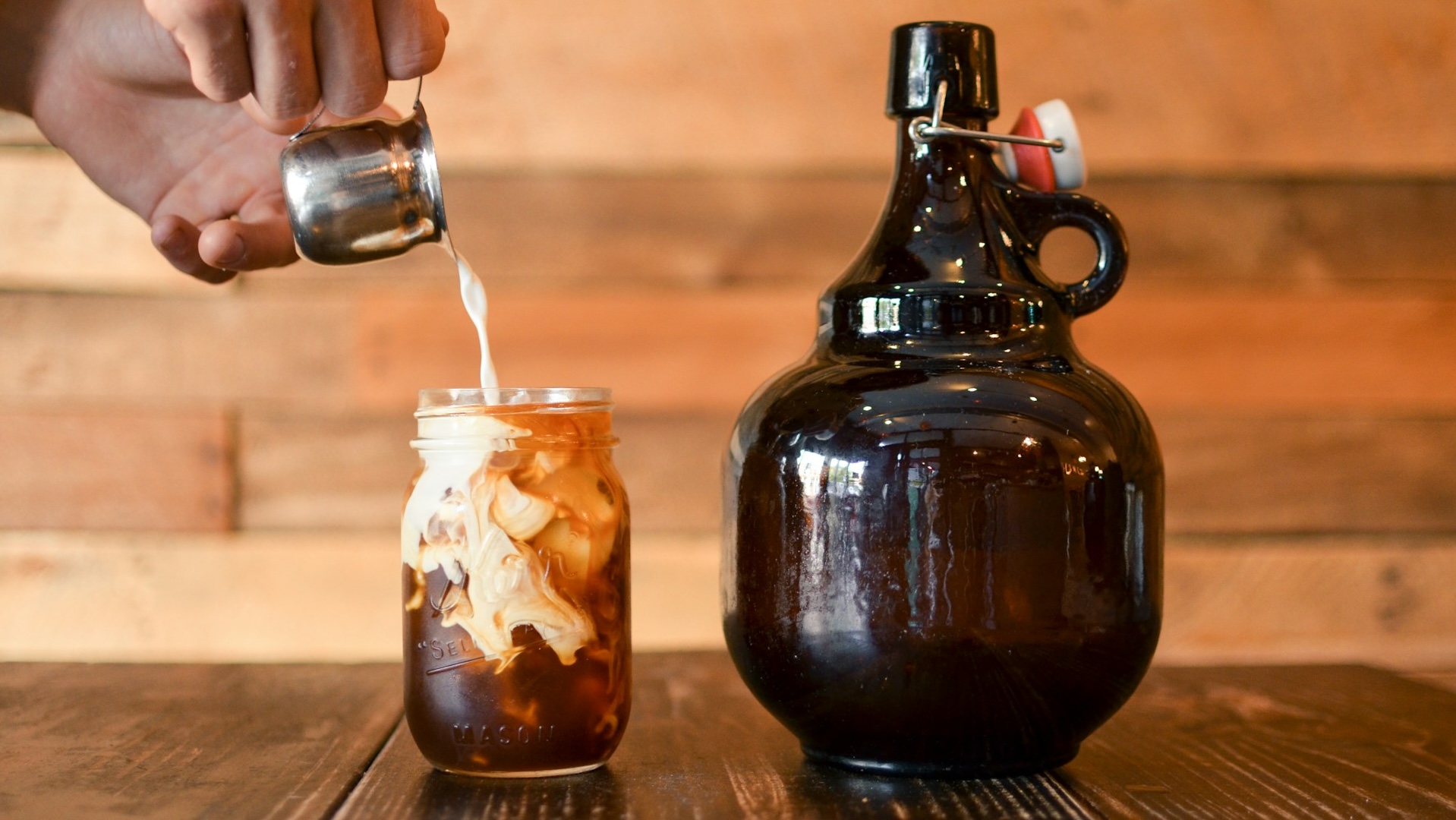
Reusable or specialty packaging: Some cafés offer refillable growlers. Glass containers and eco-friendly packaging also factor into pricing, especially for sustainability-minded brands.
Shelf life and freshness: Cold brew for home use is typically perishable once opened, with a shelf life of about 7 to 10 days. Some brands include preservatives or use advanced filtration to extend usability, which increases processing costs.
Portability vs. freshness tradeoff: Bulk cold brew isn’t designed for on-the-go sipping, but it’s ideal for home offices or households with multiple coffee drinkers. Customers are often willing to pay a bit more for the convenience of having high-quality cold brew ready in the fridge.
6. Cold brew subscriptions
Subscription-based cold brew is booming—whether it’s from independent roasters shipping concentrate to your door or local cafés offering weekly growler refills. These models offer both value and convenience, and can lock in customer loyalty over time.
Lower cost per cup, higher commitment: Subscriptions often bring the per-serving cost down. However, they typically require a larger upfront payment—weekly, monthly, or quarterly—which may feel like a higher barrier to entry for new customers.
Customization and add-ons: Some subscription services allow customers to choose bean origin, roast level, grind type, or cold brew strength. Extras like flavored options, cold foam kits, or branded glassware can raise the price significantly.
Shipping and fulfillment: DTC subscriptions need cold chain logistics or shelf-stable formulations. Between insulated packaging, expedited shipping, and order fulfillment, costs can add up quickly—especially for smaller roasters.
Customer retention value: For cafés, local delivery or refill subscriptions offer predictable income and tighter community relationships. These programs often include discounts or perks to reward regulars, which helps justify slightly higher prices.
Examples across the market highlight just how varied these subscriptions can be. Trade Coffee focuses on variety, offering rotating cold brews like Parlor’s Cold Brew on Tap. Kloo Coffee leans luxe, shipping aged concentrates in glass bottles with single-origin beans. Explorer Cold Brew customizes by caffeine level, and La Colombe keeps it simple with bulk boxes and canned draft lattes.
7. Home-brewed cold brews
For the most budget-conscious cold brew fans, brewing cold brew at home offers the lowest cost per cup. While it requires a bit more effort upfront, home brewing gives you full control over taste, strength, and ingredients.
Low ingredient cost: A $15 bag of coffee beans can yield a week or more of cold brew, especially when brewed in concentrate form. Compared to paying $5+ per cup at a café, the savings add up quickly.
Minimal equipment needed: Home brewers can get started with a mason jar and a fine mesh strainer—or invest in cold brew pitchers, immersion systems, or slow-drip towers. Once purchased, equipment costs are negligible per batch.
No markup or labor cost: Brewing at home eliminates the overhead that cafés and RTD brands factor into pricing—labor, rent, branding, and packaging.
Time tradeoff: Brewing at home requires patience—12 to 24 hours of steep time—and a bit of trial and error.
8. Other specialty cold brews
Cold brew can go beyond the standard café menu, finding its way into cocktails, dessert pairings, and experimental formats. These specialty offerings often command the highest prices—sometimes $8 or more per serving—thanks to premium ingredients, added prep, and unique experiences.
Alcohol-infused cold brew: Whether it’s a cold brew martini, spiked canned coffee, or beer-based brew hybrids, alcohol adds both regulatory and material costs. Bars and cafés must consider licensing, ingredient sourcing, and higher margins to stay profitable.
Dessert pairings and affogato-style drinks: Cold brew poured over ice cream or paired with pastries turns a drink into a full-fledged dessert. These combinations require extra components, more prep time, and are typically presented with care—justifying a higher price.
Limited-edition collaborations: Some cafés team up with bakeries, distilleries, or specialty brands to release one-off cold brew products. These often feature rare ingredients (like barrel-aged beans or single-origin infusions) and are priced to reflect their exclusivity.
Functional cold brews: Some brands add protein, adaptogens, or nootropics to their cold brew, targeting the wellness or fitness crowd. These “enhanced” brews tend to sit at the higher end of the price spectrum due to added supplements and niche appeal.
Randy Anderson, founder of Cold Brew Consulting, explains the potential in creative twists on cold brew:
“Very recently, cold coffees have started to be supplemented with products such as mushrooms, CBD, non-essential amino acids, extracted botanicals and other ingredients that provide functional benefits to the consumer… There truly is a lot of room to grow in this area.”
Keep your cool by knowing why cold brew costs more
From café classics to canned convenience and creative cocktails, cold brew coffee comes in many forms—and so do the price tags. Whether you’re paying for premium ingredients, added prep, or a brand experience, each variation reflects real behind-the-scenes costs.
Understanding those factors not only helps justify the price—it opens up new ways for cafés to innovate, differentiate, and connect with customers. However you brew it, cold brew isn’t just a trend. It’s a flexible, profitable café menu favorite with staying power.
Is this article helpful?
DISCLAIMER: This information is provided for general informational purposes only, and publication does not constitute an endorsement. Toast does not warrant the accuracy or completeness of any information, text, graphics, links, or other items contained within this content. Toast does not guarantee you will achieve any specific results if you follow any advice herein. It may be advisable for you to consult with a professional such as a lawyer, accountant, or business advisor for advice specific to your situation.
 Trending

Subscribe to On the line
Sign up to get industry intel, advice, tools, and honest takes from real people tackling their restaurants' greatest challenges.
By submitting, you agree to receive marketing emails from Toast. We’ll handle your info according to our privacy statement. Additional information for California residents available here.