
What Is Cold Brew Coffee? From Classic to Nitro & Beyond
Discover what makes cold brew coffee unique. Learn about its flavor, caffeine content, and the most popular styles, like nitro and New Orleans-style.
Author
 RESOURCE
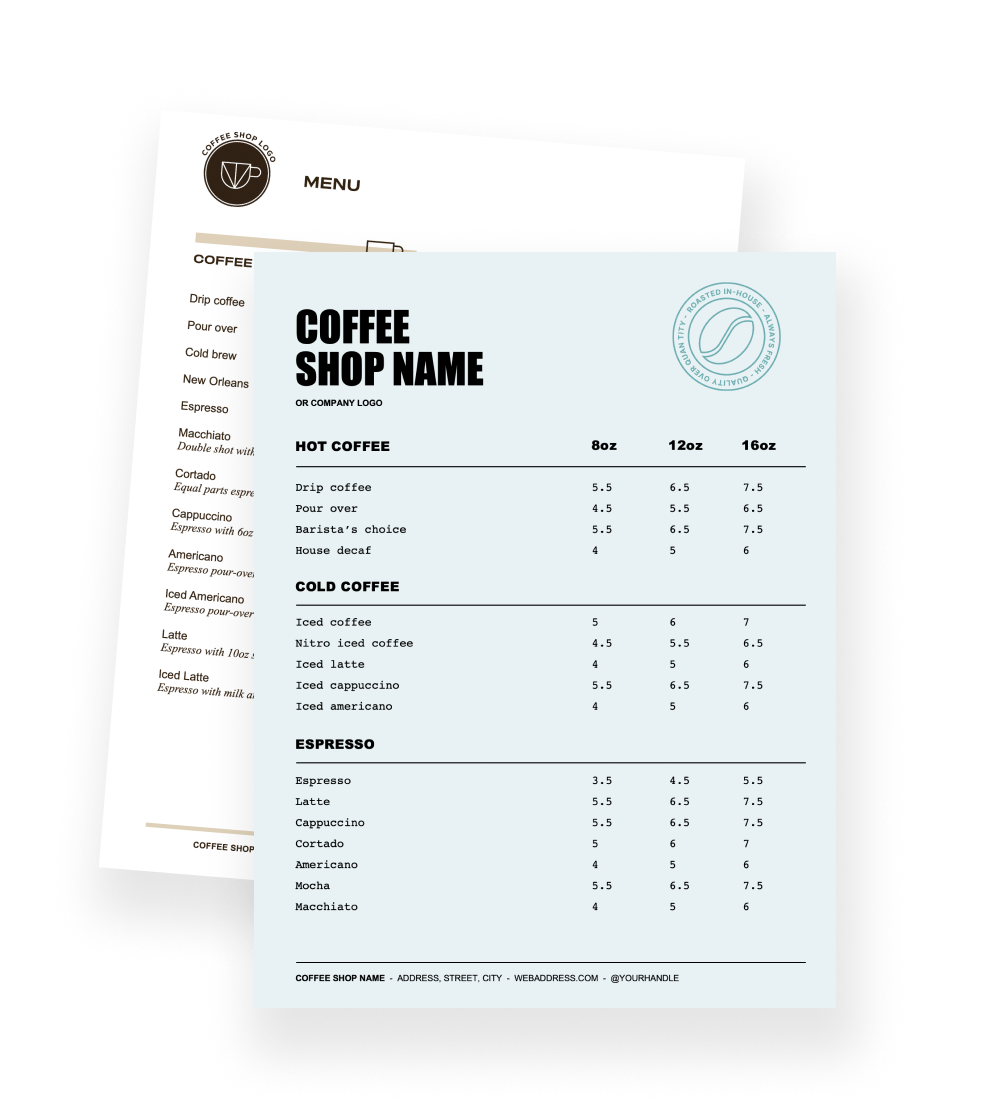
 Coffee Shop Menu Templates
Use these coffee shop menu templates as a starting point for your menu design or to give your menu a refresh.
Get Free DownloadKnown for its smooth flavor, low acidity, and extra caffeine kick, cold brew has gone from niche café favorite to everyday essential. In fact, the global cold brew coffee market is projected to grow 22.7% per year, from $604.47 million in 2024 to $3.81 billion by 2032.
But what exactly is cold brew coffee, how does it differ from other types of coffee, and why has it become so popular? Let’s dive into everything you need to know about this cool, caffeinated favorite.
Key takeaways
Cold brew coffee is smoother and less acidic than hot or iced coffee.
Made without heat, cold brew coffee brewing involves a slow steeping process that brings out natural sweetness and bold flavor.
Cold brew usually has more caffeine than regular coffee, especially when served as a concentrate.
There are several types of cold brew, including nitro, New Orleans-style with chicory, and ready-to-drink bottles and cans.
What is cold brew coffee?
Cold brew coffee is a highly concentrated and slightly sweet style of coffee that’s become a popular alternative to hot brews. It’s served chilled—usually over ice—and often has a richer, bolder flavor with less bitterness.
Unlike other cold coffee drinks, cold brew isn’t just regular coffee or espresso poured over ice. It’s made in a way that creates a naturally mellow taste and a refreshingly smooth finish, making it a favorite for warm days—or really, any day.
As Alex French, CEO of Bizzy Cold Brew Coffee, puts it:
“The need for energy continues to increase – consumers are looking for healthier forms of energy. And cold brew has this beautiful mesh of quality, taste, and health… For the consumer, it’s really about taste, caffeine, and price.”
How is cold brew coffee made?
Cold brew coffee is made by steeping ground coffee in cold or room-temperature water for an extended period—usually 12 to 24 hours. Unlike traditional brewing methods that rely on heat, cold brew takes a slower approach that draws out different flavors from the coffee beans. Here’s how it typically works:
Coarse coffee grounds are combined with cold water, usually at a 1:4 or 1:5 ratio.
The mixture sits for up to a full day, allowing the flavors to slowly infuse into the water.
Once it’s done steeping, the grounds are strained out to create a smooth, concentrated coffee.
That concentrate can be served straight, over ice, or diluted with water, milk, or plant-based alternatives.
How much caffeine is in cold brew coffee?
Cold brew tends to have more caffeine than a typical cup of hot coffee. Since it's often brewed as a concentrate, a single serving can pack a serious kick—especially if you drink it straight.
That said, the exact caffeine content depends on how it’s served. Some cold brews are diluted with water or milk, which lowers the caffeine per ounce. Others are made extra strong for an intense jolt. For example:
Starbucks Cold Brew (16 oz): 205 mg of caffeine
Stumptown Cold Brew Stubby Bottle (10.5 oz): 295 mg of caffeine
La Colombe Cold Brew (9 oz can): 180 mg of caffeine
If you're sensitive to caffeine, it's worth checking the label or asking your barista how strong the brew is.
What does cold brew coffee taste like?
Cold brew coffee is known for its smooth, mellow flavor. Because it’s brewed without heat, it avoids the bitterness and acidity you often get with hot coffee. This is what to expect in a typical cup:
Naturally sweeter: Many people find cold brew has a subtle sweetness, even without sugar.
Lower acidity: It’s easier on the stomach and has a rounder, gentler taste.
Full-bodied flavor: You’ll often pick up chocolate, nutty, or caramel notes, depending on the beans.
Whether you drink it black or with milk, cold brew tends to go down easy—even for people who don’t usually like coffee.
Opening a Coffee Shop Checklist
So many things go into opening a coffee shop. With this free PDF checklist, you'll set your new business up for success.

Cold brew coffee vs. iced coffee
They’re both cold, they’re both served over ice—but they’re not the same drink! Cold brew and iced coffee differ in how they’re made, how they taste, and even how strong they are. The main differences include:
Brewing method: Iced coffee is brewed hot, then chilled and poured over ice. Cold brew is made with cold water over a long period—no heat required.
Flavor profile: Iced coffee tends to taste like traditional drip coffee: a little sharper, more acidic. Cold brew is smoother, less bitter, and often has a richer, slightly sweet flavor.
Caffeine content: Iced coffee usually has less caffeine per ounce, unless extra shots are added. Cold brew is often stronger, especially when served as a concentrate.
Shelf life: Iced coffee is best enjoyed right after it’s brewed. Cold brew can stay fresh in the fridge for several days.
If you’re looking for a softer, smoother coffee with a serious kick, cold brew might be your go-to. If you want something that tastes more like your usual cup, cold iced coffee fits the bill.
Types of cold brew coffee
Cold brew isn’t just one drink—it’s a whole category. From the classic version you’ll find at most cafés to creative twists like nitro or New Orleans-style, there’s more than one way to enjoy this chilled favorite.
1. Classic cold brew
This is the standard version you’ll find just about everywhere—from coffee shops to grocery store shelves. Classic cold brew is made by steeping coarsely ground coffee beans in cold water for 12 to 24 hours, then straining out the grounds. Here’s what sets it apart:
Smooth and mellow flavor: Less bitter than hot coffee, with natural sweetness.
Served over ice: Often diluted with water, milk, or a milk alternative.
Versatile base: Great on its own or as the starting point for flavored drinks and coffee cocktails.
Whether you’re new to cold brew or a longtime fan, classic cold brew is the go-to choice for a chill, dependable pick-me-up.
2. Nitro cold brew
Nitro cold brew takes classic cold brew and infuses it with nitrogen gas, giving it a creamy texture and a foamy, Guinness-like head. It’s usually served on tap and poured without ice to preserve the signature cascade effect. Here’s what makes it unique:
Creamy mouthfeel: The nitrogen adds a silky, velvety texture without any dairy.
Naturally sweet: The smoothness enhances cold brew’s natural sweetness.
Served straight from the tap: Poured cold, often in a pint glass, no ice needed.
Example: Rise Brewing Co.’s Nitro Cold Brew is a popular canned option made with organic coffee and no added sugar—smooth, frothy, and perfect for sipping straight from the can.
If you like your coffee bold but smooth—and with a little extra flair—nitro is your move.
3. New Orleans-style cold brew
New Orleans-style cold brew adds a Southern twist by steeping roasted chicory root along with the coffee grounds. Chicory gives the brew a subtle, earthy sweetness and a slightly woody, spiced flavor. Here’s why it stands out:
Chicory root infusion: Adds depth and a distinct, almost chocolatey bitterness.
Bold and smooth: A bit more robust than classic cold brew.
Often served with milk and sweetener: Traditionally poured over ice with a splash of milk and a touch of sugar or simple syrup.
Example: Grady’s Cold Brew is a true New Orleans-style cold brew—made with a blend of coffee, chicory, and spices, steeped cold for 20 hours.
This style has roots in French-inspired Southern traditions and is a staple in New Orleans coffee culture. It’s a great choice if you’re craving something cold, bold, and a little different.
4. Ready-to-drink (RTD) cold brew
Ready-to-drink cold brew comes pre-packaged in bottles, cans, or cartons—no brewing, diluting, or mixing required. It’s one of the fastest-growing segments in the coffee world, thanks to its convenience and long shelf life. Here are some of the benefits:
Grab-and-go convenience: No prep needed, just chill and drink.
Available in tons of varieties: Black, lightly sweetened, flavored, with milk, plant-based, and more.
Shelf-stable or refrigerated: Great for stocking up at home or on the go.
With more people looking for coffee they can enjoy anywhere, RTD cold brew has become a staple in grocery stores, gas stations, and café coolers. In fact, the global ready-to-drink coffee market is expected to reach $42.36 billion by 2027.
5. Kyoto-style cold brew
Also known as Dutch coffee or slow-drip cold brew, Kyoto-style cold brew is made by slowly dripping cold water over coffee grounds for several hours. It’s often brewed in tall, science lab-style towers that double as eye-catching café decor. This brewing style stands out for several reasons:
Slow-drip method: Water passes through the coffee grounds gradually, drop by drop.
Delicate and refined flavor: Often has floral, tea-like, or fruity notes with incredible clarity.
High-end presentation: Commonly found in specialty cafés and served in small pours, like whiskey.
Kyoto-style cold brew is more of an artisan approach, appealing to coffee enthusiasts who enjoy the ritual and complexity of single-origin beans and slow brewing.
Why is cold brew coffee becoming more popular?
Cold brew coffee may feel like a modern trend, but its roots run deep. According to Bean & Bean Coffee Roasters, the earliest versions date back to 17th-century Japan. Inspired by Dutch traders looking for a fire-free brewing method, the slow-drip brewing process eventually became a symbol of precision and elegance in Japanese café culture.
Fast forward a few hundred years, and cold brew quietly worked its way through global coffee history, popping up in 19th-century Algeria, 20th-century Cuba, and later in American homes.
But it wasn’t until the 2000s that cold brew began to gain serious traction in the U.S., thanks to coffee shops like Stumptown and Blue Bottle. Then came the real boom: by the mid-2010s, cold brew hit the menus of Starbucks, Dunkin’, and grocery shelves everywhere.
So what’s fueling cold brew’s rise? Here are a few key reasons:
Less acidic taste: Cold brew is naturally low in acidity and bitterness, making it easier to drink.
Higher caffeine, less bite: The bold flavor and extra caffeine make it a go-to for people looking for a stronger pick-me-up without the harsh edge.
Ready-to-drink options: Cold brew is easy to package and stays fresh longer.
Versatile base: It plays well with flavored syrups, alternative milks, and creative café recipes—from nitro pours to spiced seasonal blends.
No heat, no problem: Cold brew coffee for the win
Cold brew coffee has come a long way from its slow-drip roots. With its smooth taste, strong caffeine content, and customizable serving options, it’s no wonder cold brew has become a favorite among both casual drinkers and coffee enthusiasts.
Whether you’re sipping a nitro on tap or grabbing a ready-to-drink bottle, cold brew offers a refreshing way to shake up your daily coffee routine—no heat required!
Is this article helpful?
DISCLAIMER: This information is provided for general informational purposes only, and publication does not constitute an endorsement. Toast does not warrant the accuracy or completeness of any information, text, graphics, links, or other items contained within this content. Toast does not guarantee you will achieve any specific results if you follow any advice herein. It may be advisable for you to consult with a professional such as a lawyer, accountant, or business advisor for advice specific to your situation.
 Trending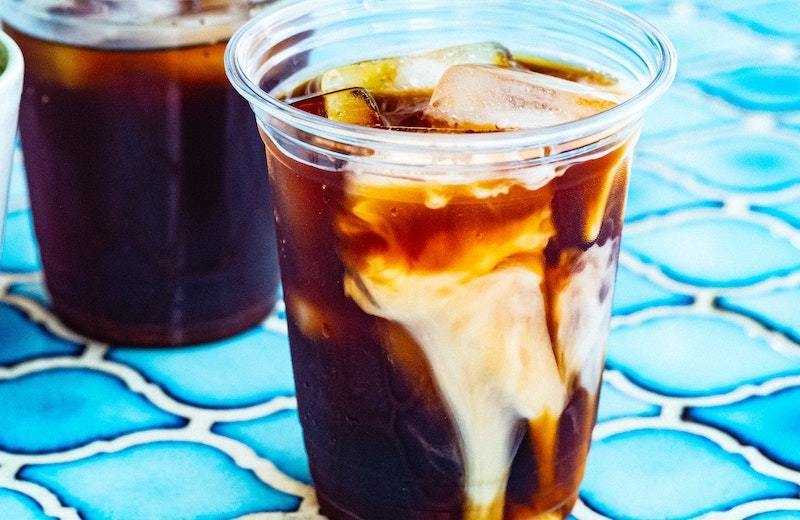

Subscribe to On the line
Sign up to get industry intel, advice, tools, and honest takes from real people tackling their restaurants' greatest challenges.
By submitting, you agree to receive marketing emails from Toast. We’ll handle your info according to our privacy statement. Additional information for California residents available here.