
AI Menu Generator: How to Turn Simple Data Into Smarter Menus
Menu creation requires juggling complex parts—ingredients, pricing, and descriptions. Explore how an AI menu generator simplifies the process.
Author
 RESOURCE
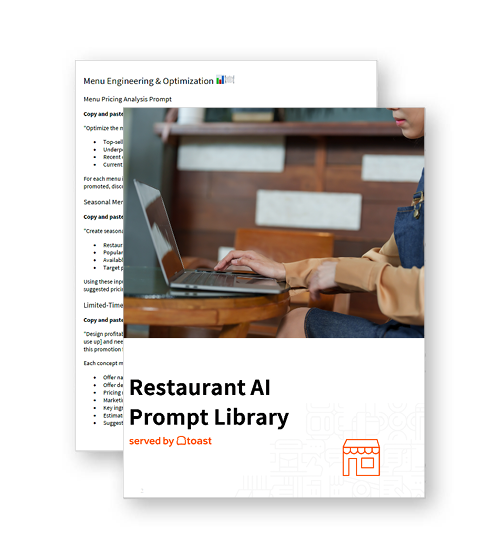
 AI Prompt Library for Restaurants
Use these AI prompts to help get the specific, practical guidance your restaurant needs.
Get Free DownloadAn AI menu generator can take a lot of the guesswork out of building or updating your menu. Instead of starting from scratch, you can quickly generate ideas, refine dishes, and explore new options based on what you already have on hand.
For restaurant operators, that means spending less time brainstorming and more time focusing on what actually drives results—like reducing waste, improving consistency, and creating dishes your customers want to order. As Arpit Dhariwal, Head of Product, Merchant Acquisition & Growth at DoorDash, explains:
“It’s about using automation to enhance the guest experience while keeping the operator’s unique touch front and center… AI-powered tools are built to take everyday tasks off operators’ plates, allowing restaurants to focus on what matters most—delivering great food and service.”
In this guide, you’ll learn what an AI menu generator is, how it works, and how to use it to build and refine your menu more efficiently.
Key takeaways
AI menu generators help you quickly create menu items, descriptions, and pricing ideas based on simple inputs.
You can use AI to turn excess ingredients into new dishes, helping reduce waste and keep your menu fresh.
AI speeds up menu development while improving consistency and supporting more informed decisions.
You can use AI across menu planning, from brainstorming dishes to writing descriptions and testing new concepts.
The best results come from combining AI-generated ideas with your operational knowledge and brand expertise.
Menu Engineering Worksheet
Use this menu engineering worksheet, complete with intricate menu engineering formulas, to determine areas of strength and weakness in your restaurant's menu.

What is an AI menu generator?
An AI menu generator is a tool that uses artificial intelligence to help you create menu items, descriptions, and pricing ideas based on simple inputs. By entering details like cuisine type, ingredients, or target audience, you can quickly generate structured menu content without starting from scratch.
For example, if you have too much of a specific ingredient on hand, you can prompt an AI tool with something like, “Give me dish ideas using excess zucchini” or “Create specials using leftover roasted chicken.”
In seconds, you’ll get multiple ways to turn that inventory into sellable menu items—helping you reduce waste while keeping your menu fresh.
How do AI menu generators work?
AI menu generators analyze patterns from large sets of data—like recipes, menus, and food trends—to turn your inputs into relevant suggestions. When you enter details like ingredients, cuisine type, or pricing goals, the AI uses those patterns to generate menu items, descriptions, and ideas that fit your concept.
They become even more useful when paired with your own restaurant data. By factoring in things like inventory levels, sales performance, and customer preferences, you can generate menu ideas that are practical and aligned with your day-to-day operations.
 Start optimizing your menu
 Toast Menu Checker
Fresh ideas for your restaurant menu in 3 quick steps.
Why consider using an AI menu generator?
An AI menu generator helps you move faster, stay consistent, and make smarter decisions when building or updating your menu. Instead of relying only on manual brainstorming, you can leverage technology to refine ideas and put them into action in a fraction of the time.
You’re probably already seeing this shift in everyday life. AI tools are helping people plan weekly meals, generate grocery lists, stay within budget, and adapt to dietary needs—all based on a few simple prompts. That same approach translates directly to restaurant operations, where you’re working with larger inventories, tighter margins, and constantly changing demand.
In a restaurant setting, this means you can use AI to plan menus around available ingredients, adjust to trends, and make more efficient use of your inventory—without slowing down your workflow.
Saves time and labor: Create menu drafts, descriptions, and specials in minutes instead of hours.
Sparks creativity: Get fresh ideas and combinations you might not have considered on your own.
Improves consistency across menu items: Keep tone, structure, and formatting aligned throughout your menu.
Helps align menus with trends and customer preferences: Incorporate popular ingredients, dietary needs, and formats more easily.
Supports more informed decisions: Use AI-generated ideas as a starting point, then refine them based on your costs, inventory, and sales data.
How can you use an AI menu generator?
You can use AI tools at nearly every stage of menu development—from early brainstorming to refining descriptions and testing new ideas. Here are a few practical ways to put it to work:
Brainstorming new menu items: Generate dish ideas based on your cuisine, concept, or available ingredients—especially useful for turning excess inventory into new specials.
Writing menu descriptions: Turn simple dish names into polished, sales-driven descriptions that highlight ingredients, flavors, and preparation methods.
Optimizing menu pricing: Get suggested price ranges based on dish type or positioning, then refine based on your food costs and margins.
Creating seasonal or limited-time menus: Quickly spin up menus for holidays, promotions, or rotating specials without starting from scratch.
Testing new concepts: Explore new cuisines, formats, or audience segments before committing to a full rollout.
Toast IQ
Menu optimization is one of the most common ways operators are already putting AI to work. According to a Toast survey of over 700 restaurant decision-makers, 26% of operators say they're currently using AI to optimize menus — and the tools making that easiest are the ones connected to real operational data.
Toast IQ is built around that idea. It can flag top-selling items by daypart, add a menu item with a single prompt, and automatically push updates across every service channel — without requiring back-end access or a lengthy approval process.
Let AI support you, not replace you
AI menu generators can speed up menu development, spark new ideas, and help you make better use of your ingredients—but they work best as a starting point, not a finished product.
You still need to validate every idea against your real-world operations. That means checking food costs, confirming ingredient availability, making sure dishes are executable in your kitchen, and refining the tone to match your brand. What looks good on paper has to work on the line—and resonate with your guests.
That’s especially important given how unpredictable AI outputs can be. In one widely shared example, a supermarket AI tool designed to suggest meals from leftovers generated combinations like an Oreo vegetable stir fry—a reminder that not every AI-generated idea is ready for the menu.
The most effective approach is combining AI with your expertise. Use it to generate and refine ideas quickly, then rely on your knowledge of your team, your customers, and your business to turn those ideas into a menu that actually performs.
Restaurant Menu Templates
Use these menu templates as a starting point for your menu design or to give your menus a refresh.
FAQ
What is an AI menu generator?
An AI menu generator is a tool that helps you create menu items, descriptions, and pricing ideas based on inputs like ingredients, cuisine, or target audience.
Can AI write menu descriptions for my restaurant?
Yes, AI can generate polished menu descriptions that highlight ingredients, flavors, and preparation methods, which you can then refine to match your brand voice.
How does AI help with menu pricing?
AI can suggest price ranges based on dish type, ingredients, or positioning, giving you a starting point before factoring in food costs and margins.
Do I need a large restaurant to benefit from AI menu tools?
No, restaurants of any size can benefit from AI tools, whether you’re running a small café or managing a multi-location operation.
What’s the difference between an AI menu generator and menu engineering?
An AI menu generator helps you create and refine menu content, while menu engineering focuses on analyzing performance and optimizing profitability.
How do AI menu tools connect to my POS?
Some AI tools integrate directly with POS systems to pull in sales and inventory data, while others require manual input to guide recommendations.
Are AI-generated menus accurate?
AI-generated menus can be helpful starting points, but you should always review them to ensure they’re practical, cost-effective, and aligned with your operations.
Restaurant Menu Costing 101 Infographic
From ingredients and labor to rent and insurance, help your guests see what really goes into every dish.

For additional information and disclosures, check out how Toast's Menu Checker works.
Is this article helpful?
DISCLAIMER: This information is provided for general informational purposes only, and publication does not constitute an endorsement. Toast does not warrant the accuracy or completeness of any information, text, graphics, links, or other items contained within this content. Toast does not guarantee you will achieve any specific results if you follow any advice herein. It may be advisable for you to consult with a professional such as a lawyer, accountant, or business advisor for advice specific to your situation.
 Trending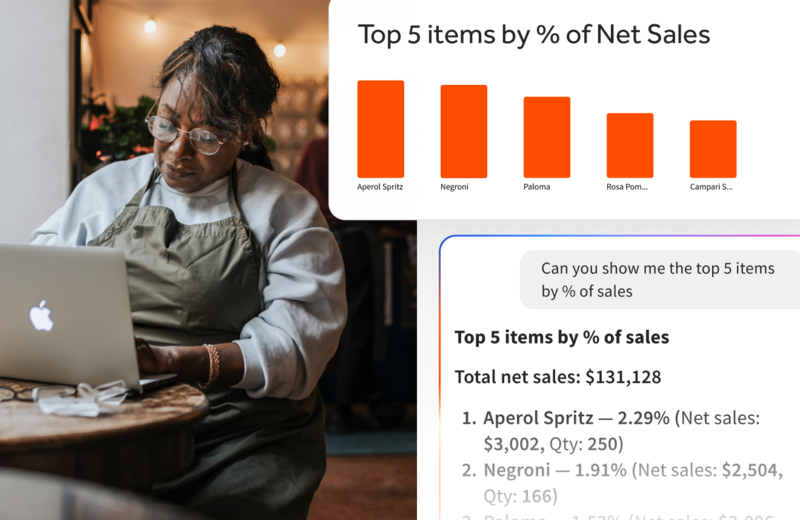

Subscribe to On the line
Sign up to get industry intel, advice, tools, and honest takes from real people tackling their restaurants' greatest challenges.
By submitting, you agree to receive marketing emails from Toast. We’ll handle your info according to our privacy statement. Additional information for California residents available here.