
What Time Does Brunch Start and End?
Brunch is booming. See why Saturday mornings now dominate dining trends and how restaurants are adjusting their hours.

Author
 RESOURCE
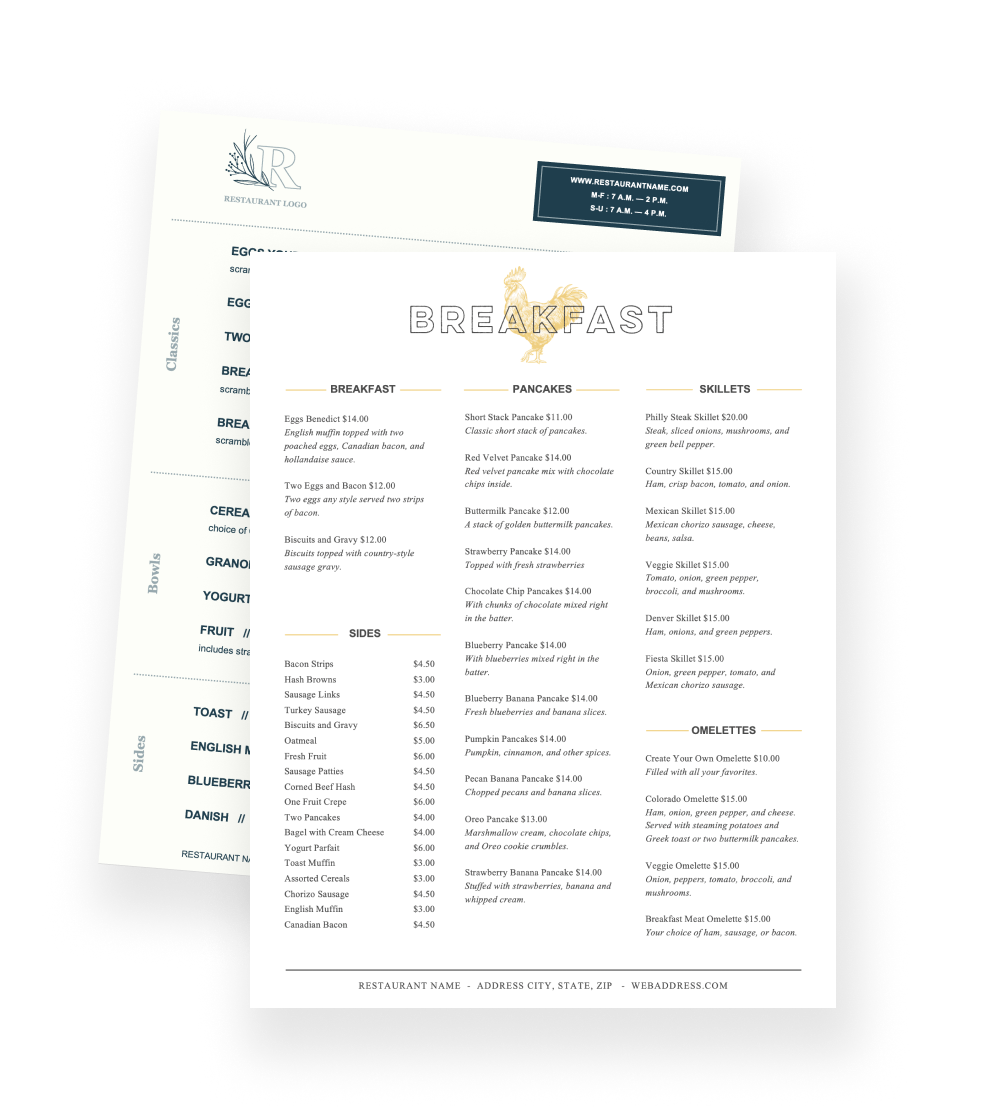
 Breakfast Menu Templates
Use these breakfast menu templates as a starting point for your menu design or to give your menu a refresh.
Get Free DownloadBrunch has become big business. Once a rigid social ritual, it's now a flexible, culture-driven dining experience shaped by location and lifestyle. And it’s paying off — restaurants with well-designed brunch programs have seen weekend revenue increase by 15% to 25%, according to recent industry data.
While traditional guidelines suggest set hours, modern brunch culture embraces flexibility, making it essential to understand both standard timing and how it continues to evolve.
Bottom line: Most restaurants serve brunch between 11 a.m. and 3 p.m. on weekends, though hours can stretch from as early as 9 a.m. to as late as 4 p.m., depending on the venue and local dining norms.
Standard brunch hours
Most restaurants follow a general industry framework for brunch, though exact times vary based on location and audience.
Traditional timing
Restaurants generally start brunch service after 10 or 11 a.m. and end at 3 or 4 p.m. This timing allows kitchens to transition from breakfast service while giving diners the flexibility to arrive at their leisure.
The most common window of time for brunch is between 11 a.m. and 3 p.m.. This schedule accommodates both early risers seeking a substantial meal and late sleepers who prefer a relaxed weekend morning.
Weekend focus
Brunch is predominantly a weekend phenomenon, with most establishments offering special brunch menus on Saturdays and Sundays. Some restaurants expand to include Friday brunch, but Monday through Friday brunch events are rare except in tourist areas or business districts.
Regional and cultural variations
Brunch isn’t a one-size-fits-all meal. Local laws, culture, and lifestyle play a big role in when — and how — people brunch.
Big city differences
In New York City, brunch typically starts at 11 to 11:30 a.m., with alcohol service beginning at noon on Sundays due to local liquor laws. That said, many restaurants push the boundaries of these norms. For example, Sarabeth’s, a popular spot with multiple Manhattan locations, serves brunch from 8 a.m. to 4 p.m., catering to both early risers and tourists looking for a refined, all-day brunch experience
Another prime example is The Smith, a popular neighborhood spot with multiple NYC locations. It offers brunch from 9:30 a.m. to 4 p.m. on weekends, showing how even in a city known for its late starts, demand spans the entire day. This extended window reflects the city’s diverse dining culture — from morning joggers to post-noon mimosa crowds.
International cities show even more variation. In London, many restaurants serve brunch from 11 a.m. to 3 p.m. on weekends, while some extend until 4 p.m. on Sundays. Singapore venues typically present their brunch offerings from 12 p.m. to 3 p.m. on weekends.
Brunch is personal
Individual preferences create wide variations in ideal brunch timing. Some diners prefer 11 a.m. to 2 p.m., incorporating alcohol and non-breakfast foods, while others embrace a broader definition. "Brunch for me starts anywhere between 8 a.m. and ends around 7 p.m.,” says Joëlle Eid, a social media manager. “What I’m saying is there’s never a bad time for brunch.”
Whether you're easing into the day or turning brunch into an all-afternoon affair, personal preference shapes the schedule just as much as the menu.
Menu Engineering Worksheet
Use this menu engineering worksheet, complete with intricate menu engineering formulas, to determine areas of strength and weakness in your restaurant's menu.

Industry trends and market data
Recent restaurant industry analysis reveals significant shifts in brunch popularity and timing preferences, driven by changing work patterns and consumer behavior.
Saturday dominance
According to Square's analysis of approximately 800,000 restaurants, Saturday brunch is now the busiest sales period, overtaking the once dominant Friday lunch.
More than 10% of all dining dollars were spent between 8 a.m. and 1 p.m. on Saturdays in the second quarter, compared to 8.5% in 2019. This represents a significant shift from pre-pandemic patterns when weekday lunch dominated restaurant sales.
Remote work = Weekend brunch boom
The growth in remote work has fundamentally altered dining patterns. With many people continuing to work from home, they're choosing to spend their dining dollars on weekend mornings instead of weekday lunches near offices.
This trend has encouraged restaurants to invest more heavily in weekend brunch offerings, with many establishments expanding their brunch menus and extending service hours to capture this growing market segment.
A prime example is Snooze, an A.M. Eatery, a popular breakfast and brunch chain with locations across the U.S. Snooze offers brunch-style fare seven days a week, appealing to remote workers, freelancers, and shift-based professionals who brunch outside traditional weekend windows. Their weekday brunch model blends diner-style classics with modern twists and daylong availability — showing how remote work has opened the door to more flexible brunch timing.
Factors affecting brunch timing
Several practical and cultural factors influence when restaurants serve brunch and when diners choose to eat.
Alcohol service regulations
Local liquor laws significantly impact brunch timing, particularly for establishments that emphasize cocktails like mimosas and bloody marys. Sunday alcohol service restrictions in many jurisdictions mean restaurants can't serve alcoholic beverages until noon, affecting when full brunch service begins.
Sleep patterns and social coordination
Modern brunch timing often reflects natural weekend sleep patterns. Diner Kyle Nielsen noted, brunch begins "about two hours after everybody wakes up, coordinated by text messages,” highlighting how flexible scheduling has made brunch timing more spontaneous and group-dependent.
Restaurant operations
Kitchen preparation time influences when brunch service can realistically begin. Many establishments need time to transition from breakfast service, prepare brunch-specific items, and ensure adequate staffing for the typically busier weekend periods.
Service models and duration
Different brunch formats affect timing expectations and dining duration, from quick casual meals to elaborate multi-hour experiences.
Traditional à la carte service
Standard restaurant brunch typically lasts 1 to 2 hours per table, allowing for leisurely conversation and multiple courses. This timing works well within the 11 a.m. to 3 p.m. window, accommodating multiple seatings.
Buffet and bottomless options
Brunch buffets and bottomless drink packages often operate on fixed time slots. Many establishments offer 2- to 3-hour time limits to manage capacity while allowing guests sufficient time to enjoy unlimited offerings and a leisurely meal.
A standout example is Hamburger Mary’s in West Hollywood, a well-known drag brunch destination. They host Saturday and Sunday drag brunch shows with 11 a.m. to 1 p.m. and 1 p.m. to 3 p.m. seatings, including bottomless mimosas, brunch fare, and live performances. It’s a model built around high-energy entertainment and tight seat rotation to keep the fun flowing all day.
Other restaurants expand this idea even further. Concepts like “drunch” — where brunch-style menus and drinks are served from 5 p.m. to 7 p.m. — blend dinner and brunch into long, indulgent experiences that stretch traditional meal boundaries.
Planning considerations for diners
Understanding brunch timing helps diners plan successful weekend dining experiences and avoid common scheduling pitfalls.
Reservation strategies
Popular brunch destinations often require reservations, especially during peak hours between 11 a.m. and 1 p.m. Arriving at opening time or toward the end of service can reduce wait times at walk-in only spots.
At Lula Café in Chicago, a beloved neighborhood restaurant known for its seasonal brunch menu, tables during prime hours often book out weeks in advance. For those hoping to avoid the rush, arriving before 10:30 a.m. offers a much better chance of being seated without a reservation. Lula’s consistent brunch crowd reflects how high-demand restaurants rely on timed seating strategies and advanced booking to manage flow.
Knowing a venue’s reservation policy — and planning ahead — can make all the difference in securing your ideal brunch experience.
Restaurant Shift Notes Template
Download our easy-to-use Microsoft Word templates to keep your team organized and informed throughout every shift. From pre-shift planning to end-of-day wrap-up logs, our template helps ensure smooth communication and a well-run restaurant.
Peak vs. off-peak timing
Early brunch between 10 and 11 a.m. tends to attract families and early risers, while later time slots from 1 to 3 p.m. often draw social groups and those recovering from a late night out. Understanding these patterns helps diners choose timing that matches their preferred atmosphere.
Duration planning
Budget 1.5 to 2 hours for typical brunch experiences, or longer for bottomless or buffet options. This timing allows for leisurely dining without feeling rushed, especially important for social gatherings and special occasions.
Modern flexibility and evolution
Contemporary brunch culture emphasizes flexibility over rigid timing rules, reflecting broader changes in dining habits and lifestyle patterns.
State of mind approach
Many food experts now describe brunch as more of a"state of mind" than a specific time period, highlighting the relaxed, social nature of the meal over strict scheduling.
This mindset is reflected in brands like Bluestone Lane, an Australian-inspired café with locations across the U.S. Known for its all-day brunch offerings, Bluestone serves staples like avocado toast, grain bowls, and flat whites seven days a week. Rather than confining brunch to the weekend, they lean into the idea that brunch is a feeling — a leisurely, elevated approach to eating that can happen anytime.
This growing cultural shift continues to reshape expectations around when (and how) brunch is enjoyed.
Extended availability
Some restaurants now offer brunch items throughout the day or extend brunch hours significantly to meet evolving diner preferences.
Lazy Dog, a casual-dining chain with locations across the U.S., serves weekend brunch until 2 p.m., blending traditional comfort foods with creative options like huckleberry mimosas and housemade sangria. The later cutoff appeals to guests easing into their day — especially on Sundays.
Weekday expansion
Urban areas are seeing a rise in weekday brunch options, catering to shift workers, tourists, and remote employees who have flexible schedules outside traditional weekend patterns.
Final thoughts
Brunch may have started as a late-morning weekend ritual, but today it’s a flexible, culturally rich dining experience shaped by location, lifestyle, and evolving trends. Whether you're planning a quick catch-up over pancakes or a leisurely bottomless affair, knowing the typical brunch hours — and how they vary — helps you make the most of the meal.
At the end of the day, brunch isn’t just about timing. It’s about slowing down, connecting with others, and enjoying good food at your own pace.
FAQ
What's the latest I can arrive for brunch?
Most restaurants stop seating new brunch guests 30 to 60 minutes before service ends. If brunch ends at 3 p.m., plan to arrive by 2 p.m. at the latest to ensure full menu availability and unhurried service.
Do brunch hours differ between Saturday and Sunday?
Many restaurants offer identical Saturday and Sunday brunch hours, though some extend Sunday service until 4 p.m. or start earlier on Saturdays. Check individual restaurant policies, especially regarding alcohol service on Sundays.
Can I get brunch items outside official brunch hours?
This varies by restaurant. Some establishments offer all-day breakfast menus with brunch-style items, while others strictly limit specialty brunch items to weekend service hours. Chain restaurants often have more flexibility than independent establishments.
How early should I make brunch reservations?
For popular restaurants during peak times between 11 a.m. and 1 p.m., book 1 to 2 weeks in advance. Special occasions like Mother's Day or holiday weekends may require longer lead times, sometimes 3 to 4 weeks ahead.

Is this article helpful?
DISCLAIMER: This information is provided for general informational purposes only, and publication does not constitute an endorsement. Toast does not warrant the accuracy or completeness of any information, text, graphics, links, or other items contained within this content. Toast does not guarantee you will achieve any specific results if you follow any advice herein. It may be advisable for you to consult with a professional such as a lawyer, accountant, or business advisor for advice specific to your situation.
 Trending
Subscribe to On the line
Sign up to get industry intel, advice, tools, and honest takes from real people tackling their restaurants' greatest challenges.
By submitting, you agree to receive marketing emails from Toast. We’ll handle your info according to our privacy statement. Additional information for California residents available here.