
What Coffee Flavors are Popular: A Comprehensive Look at 2025's Trending Tastes
Explore the most popular coffee flavors of 2025 and discover the emerging trends shaping the future of coffee.
Author
 RESOURCE
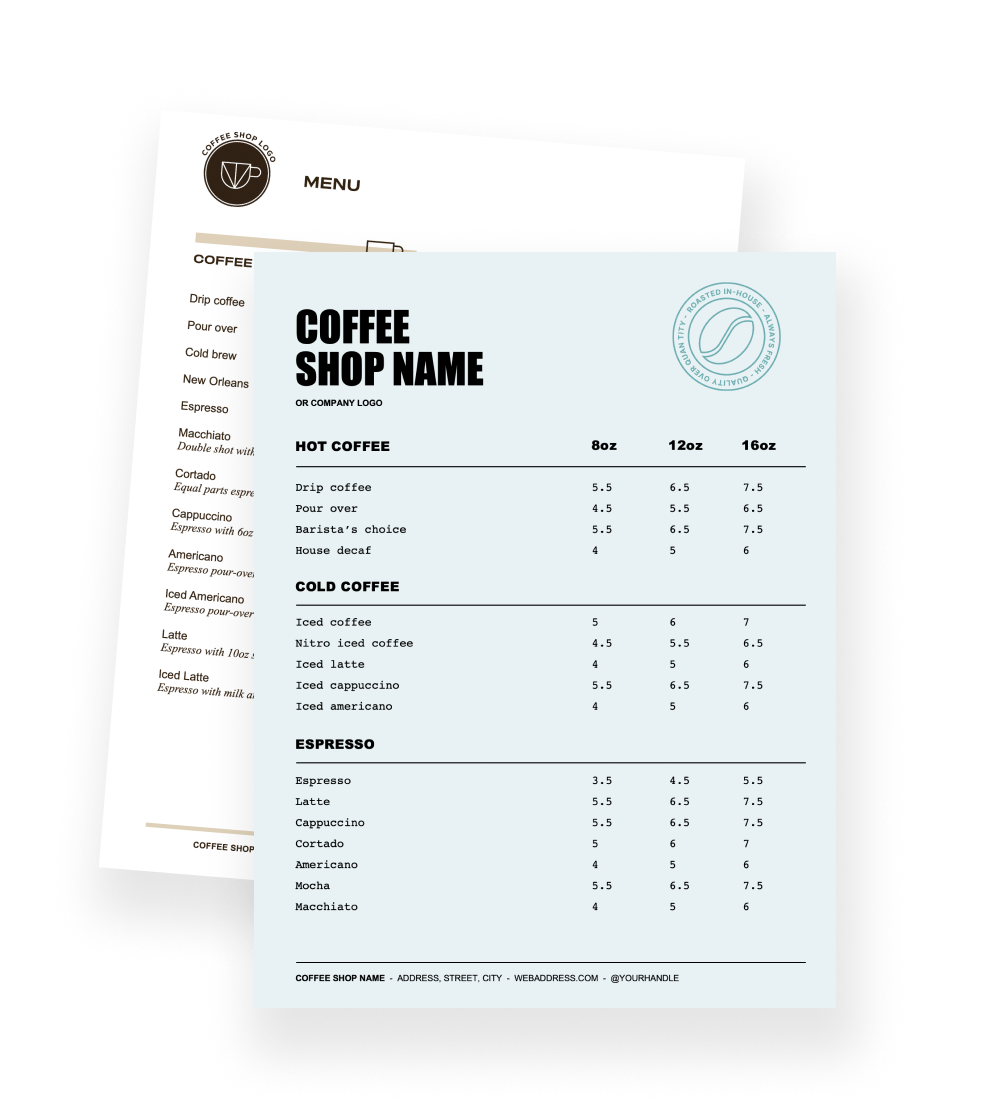
 Coffee Shop Menu Templates
Use these coffee shop menu templates as a starting point for your menu design or to give your menu a refresh.
Get Free DownloadIn 2025, coffee culture continues to evolve beyond simple caffeine delivery to embrace complex flavor profiles, functional ingredients, and experiential consumption. With the global coffee market expected to reach $473.10 billion this year, understanding consumer flavor preferences has never been more important for coffee retailers, manufacturers, and enthusiasts.
This article takes a comprehensive look at the most popular coffee flavors dominating the market — while also exploring how preferences differ across formats, generations, and global regions. From natural flavor sourcing to wellness-driven additions and bold new combinations, these trends reveal how flavor remains central to coffee’s ongoing transformation.
Traditional favorite flavors remain strong
While new and exotic coffee trends are on the rise, classic flavors continue to dominate the market in 2025. Consumers still crave the comfort and familiarity of timeless tastes, with caramel, hazelnut, vanilla, and chocolate leading the charge in both retail and café offerings. According to recent market analysis, these tried-and-true flavors remain strong sellers across all regions:
Caramel
In 2025, caramel continues to top the charts as the most popular coffee flavor. It gained significant traction in 2023, when it appeared in 3.6% of all new coffee product launches.
The appeal:
Nostalgic comfort: Caramel’s sweet and buttery profile evokes a sense of familiarity that resonates with a wide audience.
Flavor enhancer: It enhances coffee’s natural character without masking its depth or complexity.
Balanced indulgence: The flavor strikes a perfect balance between richness and sweetness.
Versatile pairing: Caramel works well with both dairy and plant-based milks, making it a flexible choice across beverage types.
Where you’ll find it:
Flavored coffee beans and pods: A staple in grocery and specialty blends.
Iced lattes and seasonal drinks: Especially popular in cold and festive beverages.
Cold foam and café creations: Used in foams, drizzles, and house-made syrups in specialty cafés.
Coffee Shop Business Plan Template
Use this free coffee shop business plan template to easily create a great business plan that organizes your vision and helps you start, grow, or raise funding for your coffee shop.

Hazelnut
Following closely behind caramel in popularity, hazelnut offers a nutty complexity that complements coffee’s natural bitter notes.
The appeal:
Layered depth: Its warm, roasted flavor adds dimension without overwhelming the coffee itself.
Balanced sweetness: Hazelnut delivers a slightly sweet yet grounded profile that appeals to a broad audience.
Familiar comfort: It evokes a nostalgic, cozy feeling that resonates with long-time coffee drinkers.
Widespread appeal: This flavor remains a favorite across a wide range of consumer preferences and global markets.
Where you’ll find it:
Flavored beans and ground coffee: A go-to flavor in both pre-packaged and artisanal blends.
Coffee shop lattes and seasonal drinks: Commonly featured in hot drinks and rotating café menus.
Syrups, creamers, and instant blends: Widely used in both grocery and café formats.
Hot and iced applications: Hazelnut performs well in all temperatures and formats.
Vanilla
Vanilla holds its place as a perennial favorite coffee flavor, beloved for its ability to enhance coffee without overpowering it. Known for its smooth, sweet profile, vanilla continues to be a mainstay in both classic and contemporary coffee offerings.
The appeal:
Subtle enhancement: Vanilla adds gentle warmth and sweetness without masking the coffee’s natural notes.
Familiar favorite: It offers a sense of comfort and reliability that appeals to a broad audience.
Highly versatile: Vanilla pairs well with a wide variety of flavors, including spices, florals, and other add-ins.
Barista-approved: It’s a go-to for both professional baristas and everyday coffee drinkers alike.
Where you’ll find it:
Flavored brews and coffee pods: A staple in both retail and single-serve options.
Specialty lattes and cold brews: Common in custom café drinks and seasonal menus.
Cold foams and plant-based creamers: Often used to add sweetness and aromatics without heaviness.
Base for signature drinks: Frequently used as a foundation for seasonal and house-made café offerings.
Chocolate and mocha
Chocolate remains one of the most enduring and indulgent coffee flavors, continuing to dominate the hot coffee segment alongside caramel. From classic mochas to chocolate-infused brews, this rich flavor shows no sign of fading.
The appeal:
Rich flavor depth: Chocolate adds luxurious boldness and complexity to coffee drinks.
Comforting sweetness: It brings a familiar sweetness that complements coffee without overwhelming it.
Versatility: Chocolate works well in many variations, including milk chocolate, dark chocolate, and mocha.
Balanced blends: Mocha offers a harmonious mix of chocolate and coffee flavors for a layered, satisfying experience.
Broad appeal: This flavor resonates with coffee drinkers who seek both indulgence and sophistication.
Where you’ll find it:
Espresso drinks and traditional mochas: A staple on café menus worldwide.
Flavored syrups and seasonal brews: Frequently featured in holiday and winter drinks.
Coffee-infused desserts and sweet café specials: Found in drinks with toppings like whipped cream and chocolate drizzle.
Packaged coffee products: Widely used in ready-to-drink beverages, pods, and ground blends across global markets.
Regional flavor preferences
Coffee flavor trends vary significantly across the globe in 2025, shaped by cultural preferences, culinary influences, and regional palates. Here's a look at how flavor favorites differ by market:
North America
Hazelnut continues to lead in popularity, followed by caramel and vanilla. Regional twists like French vanilla and crème brûlée are gaining traction, reflecting a growing appetite for dessert-inspired flavors.
Europe and Middle East
Caramel dominates this region’s coffee scene, mirroring Europe’s long-standing appreciation for sweet, indulgent profiles. Vanilla and chocolate also remain strong, particularly in espresso-based drinks and traditional café offerings.
Asia Pacific
Hazelnut remains a top flavor choice in many parts of the Asia Pacific, often edging out caramel in popularity. At the same time, interest is rising in regionally inspired flavors such as coconut, matcha, and red bean, driven by broader culinary trends and a fusion-friendly palate.
Latin America
Although Latin America is a major coffee-producing region, its flavor preferences often diverge from global trends. In 2025, consumers are embracing culturally rooted flavors like dulce de leche, cinnamon, and spiced chocolate, many of which draw from traditional desserts and beloved local beverages. These flavors bring a sense of heritage and regional identity to coffee menus, creating offerings that feel both familiar and distinctly Latin American.
Emerging flavor trends
While traditional favorites maintain their stronghold, 2025 has seen a rise in bold and inventive coffee flavor profiles that reflect evolving consumer palates and a growing interest in global culinary influences. These emerging trends are expanding what coffee can taste like — often blending comfort with complexity.
One early signal of this shift came from Nespresso, which in 2023 released limited-edition flavors like Café Viennois and Tropical Coconut Flavor Over Ice. These offerings tapped into growing consumer demand for seasonal, globally inspired, and multi-sensory flavor experiences — a trend that continues to shape product innovation in 2025.
Spice-forward profiles
Indulgent and spice-based flavors are gaining momentum, with warm spices like cinnamon, nutmeg, and cardamom experiencing a renaissance in coffee flavor profiles. This shift reflects a growing global appetite for warm, complex, and comforting taste experiences.
The appeal:
Layered flavor complexity: These spices offer familiar yet nuanced notes that enhance depth without relying on overwhelming sweetness.
Global inspiration: Consumers are increasingly drawn to globally influenced flavors that feel both nostalgic and elevated.
Refined alternatives: Spice-forward profiles offer a sophisticated option for coffee drinkers looking to move beyond overly sweet or novelty-based beverages.
Where you’ll find it:
North America: French vanilla and crème brûlée are gaining popularity, delivering rich, dessert-like experiences.
Asia Pacific: Coconut is trending across the region, offering a tropical twist to cold brews and blended coffee drinks.
The Americas: Cinnamon and nutmeg are on the rise, adding warm, spiced depth to lattes, syrups, and cold foam creations.
Middle East and Africa: Cardamom is increasingly featured in spiced espresso drinks and regional café specialties, adding aromatic warmth and cultural depth.
Fruit-infused coffees
Fruit-forward flavors are also on the rise, offering a vibrant contrast to the more traditional “brown” coffee notes of chocolate and caramel. These include berries, citrus, and summer fruits that enhance rather than overpower the coffee experience.
The appeal:
Non-traditional flavor exploration: Reflects growing interest in non-brown flavors like fruits, seeds, and botanicals.
Natural fruit expression: Berries and citrus notes highlight coffee’s inherent fruity undertones, especially in high-quality beans.
Complexity over masking: Appeals to consumers who want to explore coffee’s natural complexity rather than cover it with heavy or artificial flavors.
Refreshing profile: Feels lighter, brighter, and more refreshing — especially in iced or cold brew formats.
Where you’ll find it:
Specialty roasts: Light and medium roasts with natural berry or citrus notes.
Café creations: Drinks featuring fruit-flavored cold foam or infused syrups.
Ready-to-drink (RTD) beverages: Bottled and canned drinks using summer fruit infusions.
Single-origin offerings: Beans that emphasize fruity profiles without added flavoring.
Coffee Shop Opening & Closing Checklist
The beginning and end of a shift can be frantic. Use this free PDF checklist to set your coffee shop staff up for success.
Botanical and floral notes
Delicate botanical and floral flavors are gaining popularity, particularly within premium and specialty coffee segments. Flavors like lavender, rose, and jasmine offer a light, elegant twist that enhances coffee’s natural aromatics.
The appeal:
Refined experience: Appeals to consumers seeking a refined, sensory-driven coffee experience.
Natural complement: Complements the floral notes naturally found in select high-elevation or single-origin beans.
Elevated perception: Adds a sense of elegance and sophistication, often associated with artisanal café offerings.
Lighter alternative: Provides a refreshing option for those who prefer something subtler than rich or overly sweet profiles.
Where you’ll find it:
Signature lattes: Drinks made with lavender or rose syrups.
Seasonal offerings: Café menus featuring floral flavors in spring and summer drinks.
Premium roasts: Whole bean or ground options with natural jasmine aromatics.
Botanical cold brews: Infused with herbs, flowers, or tea-like elements for a delicate finish.
Maple and brown butter
As consumer interest shifts toward natural, indulgent, and functional ingredients, maple and brown butter have emerged as standout flavors. These rich profiles meet the demand for comfort and authenticity without relying on artificial sweetness.
The appeal:
Natural indulgence: Delivers warm, nostalgic richness while feeling more natural than traditional syrups.
Caramelized sweetness: Maple adds deep, sweet notes with earthy, caramelized undertones.
Toasted depth: Brown butter offers a nutty, toasted richness that pairs beautifully with the boldness of coffee.
Wholesome luxury: Appeals to consumers looking for decadent flavors with a wholesome, crafted edge.
Where you’ll find it:
Seasonal drinks: Common in fall and winter beverages, often paired with cinnamon or pecan.
Specialty syrups: Used in lattes, mochas, and other espresso-based café drinks.
Flavored beans and blends: Found in packaged coffee featuring maple or buttery notes.
Plant-based creamers and foams: Used to create dessert-like textures without artificial ingredients.
Functional flavor additions
One of the most significant shifts in coffee flavor preferences has been the integration of functional ingredients — flavors and add-ins that offer benefits beyond taste. From adaptogenic mushrooms to superfood infusions, these additions are transforming coffee into a more health-conscious beverage.
Adaptogenic mushrooms
Coffee used to be just coffee, but now health-conscious coffee options are on the rise, says Michelle Kawahara, Lavazza’s West Coast regional trainer. Expect to see more blends infused with superfoods like turmeric, matcha, and adaptogenic mushrooms.
The appeal:
Functional benefits: Varieties like chaga, lion’s mane, and reishi are being added for their potential health effects, including improved focus, stress reduction, and immune support.
Wellness-forward: These additions align with consumer interest in beverages that support physical and mental well-being.
Earthy, but accepted: Despite their strong, earthy flavor profiles, adaptogenic mushrooms have gained surprising popularity among health-conscious coffee drinkers seeking a functional boost.
In 2023, Starbucks launched its Oleato line, featuring coffee beverages infused with Partanna extra virgin olive oil. The line reflects a growing interest in functional, better-for-you fats and unexpected pairings that deliver health appeal alongside richness and mouthfeel.
Where you’ll find it:
Wellness cafés: Featured in lattes and functional mushroom cold brews.
Ready-to-drink coffee blends: Bottled or canned coffees marketed for focus or stress relief.
Specialty ground coffee and pods: Infused with powdered mushrooms or adaptogenic blends.
Supplement-enhanced mix-ins: Powdered or liquid mushroom extracts designed for at-home brewing.
Turmeric and other anti-inflammatory additions
Golden milk-inspired coffee beverages featuring turmeric, ginger, and other anti-inflammatory ingredients continue to grow in popularity. These additions appeal to consumers seeking both flavor innovation and wellness benefits in their daily coffee ritual.
The appeal:
Holistic wellness support: Turmeric and ginger are known for their anti-inflammatory and antioxidant properties, adding functional value to everyday coffee.
Flavor-forward: These spices offer warm, earthy notes that pair well with coffee, chai, and plant-based milks.
Inspired by tradition: Many consumers recognize these ingredients from Ayurvedic or global health traditions, lending credibility and appeal.
Balanced innovation: The blend of familiar coffee with these vibrant spices creates a unique but accessible flavor experience.
Where you’ll find it:
Golden lattes and turmeric cappuccinos: Served in wellness cafés and specialty coffee shops.
Functional blends and pods: Pre-packaged with turmeric and spice infusions for convenient brewing.
Ready-to-drink options: Bottled beverages that combine turmeric, coffee, and plant-based milks.
DIY spice kits or mix-ins: Powdered blends designed for home brewers and health-conscious consumers.
Collagen and protein enhancements
Protein-enhanced coffee beverages, often featuring collagen or other protein sources, represent a fusion of coffee and functional beverages. These products are designed to offer energy and satiety, often with flavor pairings that enhance taste and mask off-notes.
The appeal:
Added functionality: Collagen and protein support skin, joint, and muscle health while making coffee more satiating.
Convenient nutrition: These drinks appeal to busy consumers seeking a meal replacement or wellness boost in one cup.
Taste-first approach: Flavors like vanilla, chocolate, and caramel are commonly used to create a smooth, enjoyable drinking experience.
Crossover appeal: Combines the daily coffee ritual with the growing demand for on-the-go protein beverages.
Where you’ll find it:
Bottled or canned protein coffees: Available in grocery stores, fitness markets, and convenience channels.
Collagen creamers and powders: Formulated for easy at-home use and compatible with hot or iced coffee.
Smoothie bar and café offerings: Drinks that blend coffee with protein and other functional add-ins.
Specialty blends and pods: Designed for wellness-focused consumers seeking added nutrition in their daily brew.
One standout example is The Healthy Chef’s Collagen Coffee, which blends 100% Arabica coffee with grass-fed bovine collagen peptides and chromium for added metabolic support. With natural notes of caramel, hazelnut, and vanilla, it delivers a full-bodied flavor while remaining free of gluten, dairy, and added sugars — appealing to health-conscious consumers seeking function without compromise.
Opening a Coffee Shop Checklist
So many things go into opening a coffee shop. With this free PDF checklist, you'll set your new business up for success.
Format-specific flavor trends
Different coffee formats reveal distinct flavor preferences in 2025, with trends shaped by convenience, preparation method, and consumer expectations. From cold brew to café-exclusive beverages, each format showcases unique innovations and audience appeal.
Cold Brew Preferences
Cold brew isn’t going anywhere — but in 2025, it’s evolving with new flavor profiles, wellness-focused twists, and greater convenience. As cold coffee continues to dominate menus and retail shelves, it’s especially resonating with younger audiences.
“We’re now in the fourth wave of coffee, which is being defined by a cold coffee frenzy. Cold coffee’s growth is largely being driven by younger consumers, primarily Gen Z,” says Kathryn O’Connor, chief marketing officer at La Colombe.
Thanks to its naturally smooth and low-acid profile, cold brew tends to feature different flavor preferences than hot coffee. It pairs especially well with both indulgent and refreshing flavors, making it an ideal format for experimentation.
Flavor pairings that stand out:
Honey and maple sweeteners: Add natural, earthy sweetness without overwhelming the brew.
Vanilla and caramel: Create rich, smooth profiles that highlight cold brew’s creamy body.
Coconut and tropical notes: Lend brightness and exotic flair, especially in iced formats.
Citrus and berry infusions: Complement fruity undertones already present in certain beans.
Chocolate and mocha: Offer dessert-like richness that enhances cold brew’s smooth texture.
Ready-to-drink (RTD) innovation
When it comes to ready-to-drink (RTD) coffee and tea, about half of consumers reported their consumption stayed the same prior to the pandemic. In 2025, however, RTD coffee is leading flavor experimentation, fueled by demand for convenience, creativity, and bold new experiences.
With a focus on portability and shelf appeal, today’s RTD offerings go far beyond basic brews. They showcase imaginative flavors, functional benefits, and seasonal or limited-edition releases that keep consumers curious and engaged.
Popular RTD flavor trends include:
"Fantasy" flavors: Whimsical profiles like birthday cake and cookie dough tap into the fun and novelty Gen Z craves.
Nostalgic favorites: Flavors like s’mores, cinnamon toast, and peanut butter & jelly connect emotionally with consumers through childhood-inspired comfort.
Tropical blends: Mango, pineapple, coconut, and lychee bring a refreshing, sunny edge to bottled coffee.
Café-inspired combos: Signature flavor pairings — like mocha lavender or caramel cardamom — bring coffee shop creativity into grab-and-go formats.
Functional fusions: RTDs often feature added benefits like protein, adaptogens, or collagen, giving flavor a wellness boost.
RTD brands like Stōk are tapping into playful trends with flavors like “Unicorn” and “Mocha Cream,” appealing to younger consumers through fantasy-inspired packaging and indulgent flavor profiles that lean into novelty and nostalgia.
Coffee shop specialty beverages
In cafés, flavor trends tend to skew more indulgent and elaborate than at-home or RTD options. Consumers are looking for experience-driven drinks, often layered, seasonal, or house-made.
Popular in-café flavors and approaches:
Seasonal favorites: Pumpkin spice, peppermint, and other limited-time offerings remain staples.
Layered combinations: Rich blends like salted caramel and white chocolate raspberry.
House-made syrups: Natural, often lower-sugar alternatives using herbs, fruit, or florals.
Signature creations: Unique, café-specific drinks that blend unexpected ingredients and presentation.
La Colombe’s popular Draft Latte RTD series exemplifies how brands are bringing café-style texture and flavor into grab-and-go formats, using ingredients like real vanilla and cold-pressed espresso for a creamy, naturally sweetened drink without excessive sugar or artificial flavorings.
The natural flavor movement
Across all coffee categories, one of the most prominent trends in 2025 is the shift toward natural flavors over artificial ones. Consumers are becoming more mindful of what goes into their beverages — seeking transparency, authenticity, and recognizable ingredients that reflect a growing interest in health and sustainability.
While seasonal flavors like pumpkin spice and maple pecan remain popular, classic profiles like vanilla and mocha are fueling demand for higher-quality, naturally sourced versions. Coffee businesses are responding with clean-label products, real ingredients, and minimal processing to align with evolving consumer expectations.
The appeal:
Real ingredients: Consumers prefer coffee flavored with real spices, fruits, and botanicals rather than synthetic alternatives.
Origin-driven flavor: There’s growing interest in highlighting natural tasting notes already present in specific coffee origins, such as fruity, floral, or nutty notes.
Health-conscious choices: Shoppers are actively seeking clean-label products that align with wellness values.
Flavor integrity: Reducing artificial ingredients improves overall product perception and brand trust.
Where you’ll see it:
Flavored blends made with real ingredients: Examples include cinnamon sticks, dried orange peel, or vanilla bean.
Origin-specific coffees: Highlighting the natural flavor complexity of the beans themselves.
Clean-label RTD coffees: Featuring short ingredient lists and no artificial additives.
Café menus with house-made syrups: Offering flavorings made from scratch using whole ingredients.
Brands like Chobani have leaned into clean-label coffee additions with creamers made from natural dairy, real vanilla extract, and no artificial sweeteners — reflecting consumer demand for recognizable, better-quality ingredients in flavored coffee products.
Consumer preferences by demographic
Coffee flavor preferences vary significantly across demographic groups, shaped by factors like age, lifestyle, and personal taste. Brands looking to stay relevant in 2025 are paying close attention to these evolving patterns.
Generational differences
Younger consumers — especially Gen Z and Millennials — are more adventurous in their drink choices and are driving demand for innovation across formats and flavor categories.
These generations are driving demand for:
Cold brew innovation: Younger drinkers are more likely to explore bold, diverse cold brew flavor profiles.
Plant-based additions: Non-dairy milks like oat, almond, and coconut are favored not only for dietary reasons but also for the unique flavor they bring to coffee.
Globally inspired flavors: This group embraces ingredients like cardamom, matcha, and chili for a worldly flavor experience.
Wellness-driven options: Functional add-ins like mushrooms, collagen, and adaptogens align with their health-conscious values.
Gender variations
Flavor preferences also show meaningful variation between male and female coffee drinkers, especially when it comes to preparation style and flavor customization.
Notable patterns include:
Black coffee consumption: Males are 2.4 times more likely to drink black coffee than females. According to a recent survey, 31% of males drink black coffee, compared to only 13% of females.
Creamer and milk preferences: A majority of both groups still prefer their coffee with at least milk or creamer — 61% of males and 81% of females.
Flavored coffee appeal: Female consumers show a greater overall preference for flavored coffee varieties, especially those that lean sweet, spiced, or indulgent.
Tasting notes in specialty coffee
Beyond added flavors, the specialty coffee movement continues to educate consumers about the natural flavor notes present in high-quality coffee. Roasted arabica coffee is one of the most chemically complex beverages, containing thousands of extractable compounds that create an array of distinctive flavor experiences.
Popular tasting note categories include:
Fruit notes: Light to medium roast coffees often feature bright, naturally occurring fruit flavors, ranging from citrus (lemon, orange, grapefruit) to stone fruits (peach, apricot) and berries (strawberry, blueberry).
Chocolate and nut profiles: Medium to darker roasts tend to develop rich chocolate, caramel, and nutty notes, which many consumers find familiar and comforting.
Floral and botanical characteristics: Coffees from regions like Ethiopia and parts of Central America can naturally display jasmine, lavender, or tea-like qualities that appeal to consumers seeking delicate, complex flavor profiles.
Spice notes: Some origins and processing methods bring out subtle spice flavors — such as cinnamon, clove, or cardamom — without the need for added flavoring.
Blue Bottle Coffee regularly releases single-origin cold brews sourced from regions like Ethiopia and Colombia that emphasize natural notes of stone fruit, jasmine, and citrus. These offerings spotlight the layered complexity of specialty coffee and appeal to consumers seeking flavor depth without added ingredients.
Coffee Shop Profit Margin Calculator
Use this free calculator to help consistently capture and track your profit margin.
The future of coffee flavors
Looking ahead, several key forces are set to shape how coffee flavors evolve beyond 2025. From sustainability and technology to global cultural exchange, flavor development is becoming more thoughtful, complex, and internationally connected.
Sustainability Impact
Sustainability is no longer just a trend — it’s a core value guiding how consumers choose their coffee. As environmental and ethical concerns grow, flavor choices are being shaped by sourcing practices and production transparency.
What to expect:
Single-origin coffees: More emphasis on beans with distinct, naturally occurring flavor profiles tied to specific regions.
Minimal-intervention flavoring: A shift toward natural methods that preserve the integrity of the coffee.
Transparent sourcing: Greater consumer demand for clarity around how flavor ingredients are grown, harvested, and processed.
Technology and innovation
Advances in flavor technology are transforming how coffee products are developed — enabling more authentic, complex flavor profiles without relying on artificial additives. At the same time, scientific progress in coffee chemistry is helping brands identify and enhance desirable compounds naturally present in high-quality beans, pushing flavor innovation to new heights.
Emerging innovations include:
Precision flavor engineering: Scientific advancements are helping brands isolate and enhance desirable flavor compounds naturally found in coffee.
More authentic profiles: New technologies allow for richer, truer-to-source flavors in both traditional and functional coffee products.
Ingredient breakthroughs: Innovations in extraction, infusion, and preservation are enabling longer-lasting, more stable flavor experiences.
Global influence
As coffee culture becomes increasingly international, flavor trends are crossing borders and gaining new layers of meaning and appeal.
What’s happening globally:
Cross-cultural flavor adoption: Local flavors such as cardamom, ube, or hojicha are gaining traction in global markets.
East-meets-West innovation: Traditional Western profiles like vanilla or caramel are being reimagined through regional spices or preparation styles.
Cultural storytelling through flavor: Coffee brands are embracing regional identity through unique, culturally grounded flavor offerings.
Final thoughts
The coffee flavor landscape in 2025 reflects a compelling blend of tradition and innovation. While classics like caramel, vanilla, and chocolate remain popular, consumers are increasingly drawn to fruit-forward profiles, functional ingredients, and naturally derived flavors that highlight coffee’s origin and complexity.
Flavor preferences now vary not just by palate, but by format — with cold brew, RTD, and café beverages each showcasing distinct trends. Meanwhile, cross-cultural influences, sustainability, and transparency are playing a larger role in shaping consumer choices.
For coffee brands, these shifts offer direction for innovation and product development. For drinkers, they open the door to deeper exploration and appreciation of coffee as a craft. As the beverage continues to evolve into a wellness-conscious and culinary-forward experience, flavor remains its defining force.
Coffee Shop Operations Manual Template
Use this free template to easily outline all of your operating procedures and make day-to-day operations as consistent as possible.
Is this article helpful?
DISCLAIMER: This information is provided for general informational purposes only, and publication does not constitute an endorsement. Toast does not warrant the accuracy or completeness of any information, text, graphics, links, or other items contained within this content. Toast does not guarantee you will achieve any specific results if you follow any advice herein. It may be advisable for you to consult with a professional such as a lawyer, accountant, or business advisor for advice specific to your situation.
 Trending

Subscribe to On the line
Sign up to get industry intel, advice, tools, and honest takes from real people tackling their restaurants' greatest challenges.
By submitting, you agree to receive marketing emails from Toast. We’ll handle your info according to our privacy statement. Additional information for California residents available here.