
8 Types of Boba: From Classic Pearls to Trendy Toppings
From tapioca pearls to pudding, boba offers endless creativity. Explore popular types of boba toppings and how they add variety to every drink.
Author
 RESOURCE
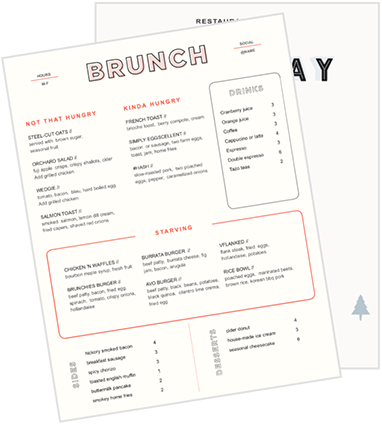
 Restaurant Menu Templates
Use these menu templates as a starting point for your menu design or to give your menus a refresh.
Get Free DownloadAt its core, successful boba shop ideas are all about creating a unique, customizable experience for guests. Most drinks fall into two categories: milk teas, which are rich and creamy, and fruit teas, which are lighter and more refreshing.
What makes each cup stand out, though, are the toppings and add-ins—whether it’s chewy tapioca pearls, playful popping boba, or silky pudding. As Anna Fields, owner of Bubble Love Boba Tea, put it:
“I remember my first cup. I was so shocked something had come up my straw. It was love at first chew! I was quickly obsessed and tried shop after shop. Coffee was hard to find in our island city, so bubble tea became my comfort beverage. I could customize it to my mood thanks to the wide variety of flavors.”
With so many possible combinations and types of boba, knowing where to get started can feel a little tricky. In this guide, we’ll break down the most popular types of boba toppings and variations so you can understand the options and pair them with the right drinks.
Key takeaways
Boba drinks can be customized with a wide range of toppings, from chewy tapioca pearls to creamy puddings and refreshing jellies.
Popping boba and flavored pearls add playful textures and fruity twists that appeal to adventurous customers.
Traditional add-ins like red beans or taro provide a nod to Asian dessert culture and balance out sweeter options.
Trendy variations such as cheese foam, crystal boba, and brown sugar pearls keep menus fresh and social-media ready.
1. Classic tapioca pearls
When most people think of bubble tea, they picture the classic black tapioca pearls. Made from cassava starch, these chewy pearls are cooked until they reach the perfect balance of softness and bounce. Sweetened with caramel or brown sugar syrup, they bring both flavor and texture to the drink.
Base ingredient: Cassava starch
Flavor profile: Mild and slightly sweet, often enhanced with caramel or brown sugar
Texture: Chewy with a soft outer layer and springy bite
Variations: Large vs. mini pearls; brown sugar–infused pearls
2. Flavored and specialty tapioca
Beyond the classic, many cafés now serve tapioca pearls infused with extra flavors and colors. These pearls add variety to menus and help shops stand out with trendy, seasonal, or regionally inspired offerings.
Base ingredient: Tapioca starch, often flavored or colored during cooking
Flavor profile: Honey, fruit, or extra-sweet brown sugar options
Texture: Same chewy consistency as classic pearls
Variations: Colored pearls for visual appeal; specialty flavors tied to local or seasonal trends.
3. Popping boba
Popping boba offers a very different experience from the traditional chewy pearls. These colorful spheres are made from fruit juice encased in a thin gel-like shell, which bursts in the mouth for a refreshing pop of flavor. They’ve become especially popular with younger audiences and for fruit-forward bubble tea variations.
Base ingredient: Fruit juice with a thin sodium alginate shell
Flavor profile: Sweet and fruity, available in tropical and berry flavors
Texture: Soft with a juicy burst instead of a chew
Variations: Mango, strawberry, lychee, passionfruit, and other seasonal flavors
4. Jelly toppings
Jelly toppings are another popular alternative to tapioca pearls, offering a lighter and sometimes refreshing option. They come in a wide variety of flavors and textures, making them versatile add-ins that can complement fruit teas or milk-based drinks.
Base ingredient: Agar, coconut, or grass extracts depending on the type of jelly
Flavor profile: Ranges from mildly sweet (aloe, coconut) to richer options (coffee jelly)
Texture: Chewy, slippery, or slightly firm depending on the jelly
Variations: Coconut jelly, aloe jelly, grass jelly, coffee jelly, and seasonal jellies
5. Pudding toppings
Pudding toppings add a creamy, custard-like layer to bubble tea, creating a smooth contrast to the chewiness of pearls. Popular options include egg pudding, taro pudding, or other custard-style variations that pair especially well with milk-based teas.
Base ingredient: Milk, eggs, or taro blended into a custard-style dessert
Flavor profile: Sweet, rich, and creamy
Texture: Soft, silky, and spoonable
Variations: Egg pudding, taro pudding, and seasonal flavors like matcha or chocolate
6. Red bean and other traditional add-Ins
For a more traditional twist, many bubble tea shops incorporate add-ins like azuki red beans, mung beans, or taro chunks. These toppings are rooted in Asian dessert culture and provide a hearty, earthy flavor profile compared to sweeter modern toppings.
Base ingredient: Cooked beans (azuki, mung) or taro root
Flavor profile: Mildly sweet, nutty, and earthy
Texture: Soft with a slight bite, depending on preparation
Variations: Azuki red beans, mung beans, taro chunks, and other regional specialties
7. Cheese foam and cream toppings
Cheese foam and cream toppings are newer additions that have quickly gained popularity in modern bubble tea shops. A layer of salted cheese foam or whipped cream sits on top of the drink, adding richness and balancing out the sweetness of the tea.
Base ingredient: Cream, milk, and sometimes cheese blended into a frothy topping
Flavor profile: Sweet and salty with a rich, creamy finish
Texture: Light, foamy, and smooth
Variations: Salted cheese foam, whipped cream, matcha or cocoa cream
8. Regional and trendy variations
Boba culture continues to evolve with creative twists that reflect regional tastes and café innovations. These trendy variations often go viral on social media, drawing in customers looking for something new.
Base ingredient: Varies by trend (tapioca, agar, flavored syrups)
Flavor profile: Depends on the variation—often sweeter, richer, or more visually striking
Texture: From chewy (crystal boba) to syrupy (brown sugar pearls)
Variations:
Brown sugar boba drinks, like Tiger Sugar’s Brown Sugar Boba Milk and Pearl with Cream Mousse
Crystal boba made with agar for a lighter chew, like E.T. Tea’s specialty matcha
Seasonal or limited-time flavors that highlight fresh fruit or holiday themes, like Gong Cha’s Pumpkin Spice offerings.
Let your creativity bubble up with new types of boba
The world of boba is endlessly customizable, with toppings that cater to every taste—from chewy tapioca pearls to refreshing jellies, creamy puddings, or trendy ingredients like crystal boba and cheese foam.
If you’re opening a boba shop, offering a mix of classics and creative add-ins helps appeal to both first-time customers and boba enthusiasts. For guests, it’s about building the perfect cup that balances flavor, texture, and fun!
FAQs
What’s the difference between boba and bubble tea?
“Boba” can refer to the chewy tapioca pearls themselves or the drink as a whole. “Bubble tea” usually describes the full beverage—tea base plus toppings.
Are tapioca pearls vegetarian?
Yes. Traditional tapioca pearls are made from cassava starch, which is plant-based. However, always check flavored or specialty pearls, as some may contain additives.
How long do cooked tapioca pearls last?
Cooked tapioca pearls are best within 4 hours at room temperature, but they can be stored in simple sugar syrup and refrigerated for up to 72 hours.
What makes popping boba different from regular boba?
Regular boba pearls are chewy, while popping boba has a thin gel shell filled with fruit juice that bursts when bitten. It’s a totally different texture and taste experience.
Can I make boba pearls at home?
Yes, though it takes practice. Homemade tapioca pearls require cassava starch and careful cooking. Many people opt for pre-made pearls to save time.
Menu Engineering Course
Take this course to make the most of your menu. Learn about menu psychology and design, managing your menu online, and adapting your menu to increase sales.

Is this article helpful?
DISCLAIMER: This information is provided for general informational purposes only, and publication does not constitute an endorsement. Toast does not warrant the accuracy or completeness of any information, text, graphics, links, or other items contained within this content. Toast does not guarantee you will achieve any specific results if you follow any advice herein. It may be advisable for you to consult with a professional such as a lawyer, accountant, or business advisor for advice specific to your situation.
 Trending


Subscribe to On the line
Sign up to get industry intel, advice, tools, and honest takes from real people tackling their restaurants' greatest challenges.
By submitting, you agree to receive marketing emails from Toast. We’ll handle your info according to our privacy statement. Additional information for California residents available here.