Your Guide to Reverse Happy Hour: Late-Night Drink Deals After Dark
Everything you need to know about reverse happy hour - late-night drink specials and bar deals that bring happy hour pricing to the nighttime crowd.

Author
 RESOURCE
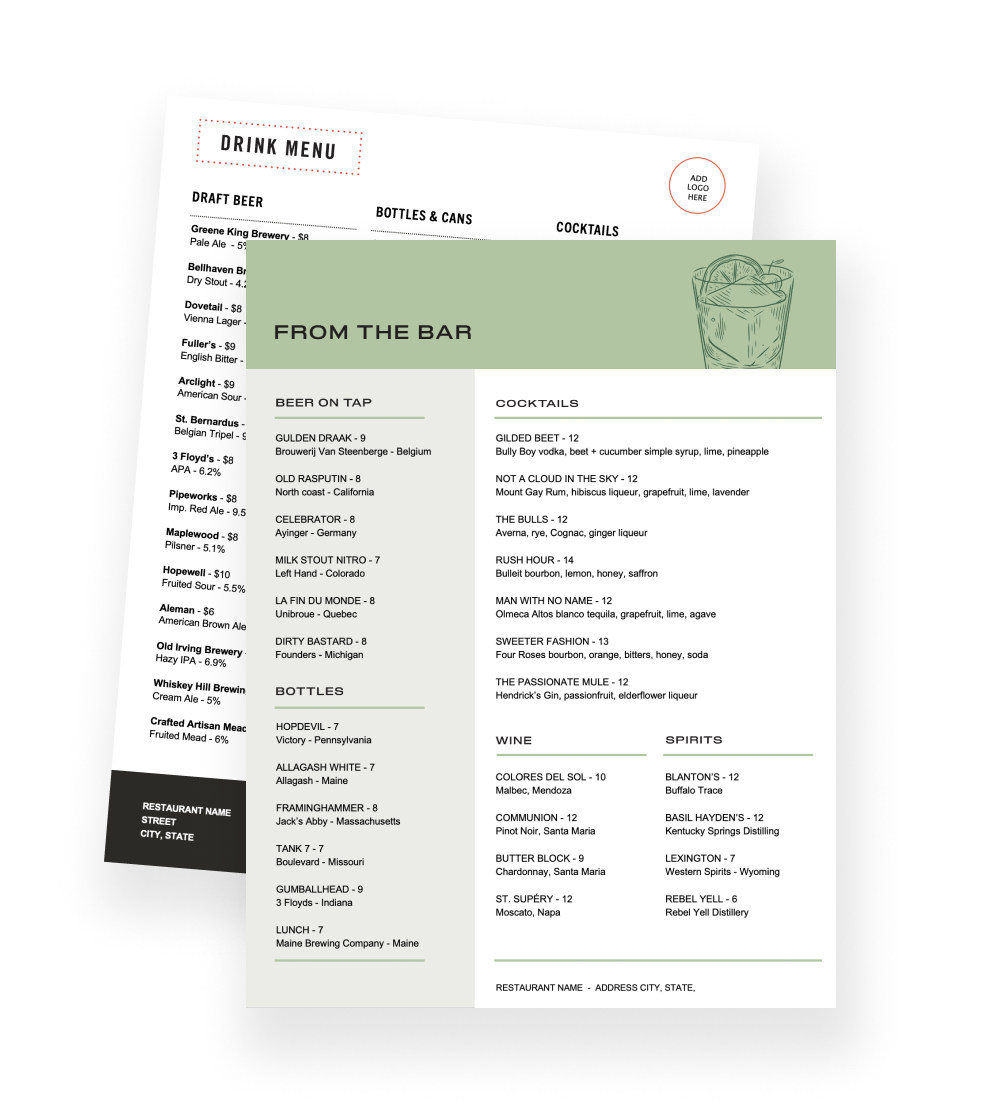
 Bar Menu Templates
Use these bar menu templates as a starting point for your menu design or to give your menu a refresh.
Get Free DownloadTraditional happy hour ends just when the night begins, but savvy bars and restaurants have discovered a way to keep the party going with better prices. Enter reverse happy hour: the late-night answer to afternoon drink specials that brings discounted cocktails, beer, and appetizers to the after-hours crowd.
Running typically from 10 PM to 1 AM (though times vary by establishment), reverse happy hour transforms the expensive late-night drinking scene into an affordable social experience. And according to Toast data, 47% of restaurant goers say reduced prices are the top promotion to convince them to go out late night.
Whether you're a night owl, late-shift worker, or someone who prefers the energy of nighttime socializing, reverse happy hour offers the perfect combination of late-night atmosphere with happy hour pricing.
In this article, you’ll find what reverse happy hour is, why it benefits both customers and bars, and how to make the most of late-night drink and food specials.
Key takeaways
Reverse happy hour flips the traditional model by offering late-night discounts, usually between 10 PM and 1 AM.
Customers—night owls, late-shift workers, and budget-conscious socializers—enjoy premium drinks and food at lower prices.
Bars benefit from increased late-night traffic, improved staff efficiency, and stronger customer loyalty.
Deals often feature premium cocktails, shareable appetizers, and bundled packages tailored to the nighttime crowd.
Successful reverse happy hours depend on strategic timing, clear marketing, and creating the right late-night atmosphere.
What is reverse happy hour?
Reverse happy hour flips the traditional happy hour concept by offering discounted drinks and food during late-night hours instead of the typical 4-7 PM window. Reverse happy hours tend to cater to night owls, obviously, but this trend isn’t just for them. It’s also for night shift workers ending their day, young professionals who prefer late-night socializing, and anyone looking to maximize their nightlife budget without sacrificing the authentic late-night bar experience.
“This provides another way to source traffic from guests looking to have dinner later or gather with friends after a movie or entertainment, when many restaurants are already putting up their chairs,” says Brian Glazer, senior director for customer development at Southern Glazer’s.
Most reverse happy hours run from 10 PM to 1 AM, though some establishments extend until 2 AM or later depending on local laws and their regular closing times. The concept recognizes that many people want to socialize and drink during prime nighttime hours but don't want to pay premium late-night prices for the privilege. This expanded promotion is great for people who work flexible hours, or people who just want more of an available discount time. While it’s still catching on, this concept is a part of the future of a workforce that is more and more flexible.
Why bars love reverse happy hour
From a business perspective, reverse happy hour solves several challenges that bars and restaurants face during late-night hours. Understanding these motivations helps explain why the trend continues growing and where you're most likely to find these deals.
Increased Late-Night Traffic: Many establishments experience a lull between dinner service and peak bar hours. Reverse happy hour fills this gap, maintaining steady customer flow and preventing the awkward quiet period that can hurt atmosphere and revenue. Bonus: not only does this increase revenue during off-peak periods, but also helps make your venue look more lively for subsequent passers-by.
Competition with Late-Night Options: As food delivery, streaming entertainment, and other home-based late-night options proliferate, bars need stronger incentives to draw customers out. Discounted drinks provide compelling reasons to choose going out over staying in.
Staff Efficiency: Rather than sending staff home early during slow periods, reverse happy hour maximizes labor efficiency by maintaining customer volume throughout the evening shift.
Customer Loyalty: Regular reverse happy hour offerings create loyal customer bases who plan their nights around these specials, providing predictable revenue streams for establishments. In fact, 46% of guests report going to happy hour because it allows them to enjoy all that’s special about going out for food and drink while still saving money, which helps you regain what may have been a lost visit.
Extended Revenue Windows: Instead of relying solely on peak weekend nights for late-night revenue, reverse happy hour makes weeknight late hours more profitable.
Best times and days for reverse happy hour
While reverse happy hour timing varies by location and establishment type, certain patterns emerge that help maximize your experience and savings.
Peak Days: Tuesday through Thursday often feature the best reverse happy hour deals, as bars work harder to attract weeknight crowds. Weekend reverse happy hours exist but may offer smaller discounts due to naturally higher demand.
Optimal Timing: The sweet spot typically falls between 10 PM and midnight, when establishments want to build momentum for later evening crowds. Deals often end around 1 AM as bars transition to peak late-night pricing.
Seasonal Variations: Winter months often feature more generous reverse happy hour offerings as establishments combat decreased foot traffic. Summer reverse happy hours may start later to account for extended daylight and outdoor dining preferences.
Local Factors: College towns, business districts with late-working professionals, and entertainment areas with varied nightlife options tend to offer more consistent reverse happy hour programs.
Holiday Adjustments: Many establishments extend or modify reverse happy hour timing around holidays, particularly during periods when people have altered work schedules or extended weekend celebrations.
Bar Menu Templates
Use these bar menu templates as a starting point for your menu design or to give your menu a refresh.

Who offers reverse happy hour deals
Different types of establishments embrace reverse happy hour for various reasons, creating diverse options for late-night deal seekers. Knowing where to look increases your chances of finding quality offerings that match your preferences.
Trendy bars:
Sports bars: Establishments that show late-night games, particularly West Coast sports for East Coast viewers or international matches, frequently offer reverse happy hour to attract viewing crowds during non-traditional hours.
Neighborhood pubs: Local bars in residential areas often use reverse happy hour to compete with chain restaurants and attract neighbors who want familiar, affordable late-night options close to home.
Hotel bars: Hotels cater to business travelers and guests in different time zones, making late-night drink specials natural fits for their diverse clientele's varied schedules.
Restaurant bars: Establishments that serve dinner until 9 or 10 PM often transition into reverse happy hour to maintain customer flow and encourage diners to stay longer rather than seeking entertainment elsewhere.
Music venues: Bars and clubs that feature live music or DJ sets use reverse happy hour to build crowds before performances begin, creating a better atmosphere for both artists and audiences.
Downtown and business district bars: Areas with late-working professionals, particularly those in finance, tech, or hospitality industries, cater to customers whose "after work" hours extend well past traditional happy hour timing.
What to include: drinks, food, and atmosphere
Reverse happy hour offerings vary significantly from traditional afternoon specials, reflecting both the different crowd and the late-night bar environment. Understanding these differences helps set appropriate expectations and enhance your experience.
Beverage Selection: Align your happy hour offerings (drinks, pricing, and timing) with your ideal customer profile, and stay true to the heart of your establishment. In other words, don’t start offering trendy cocktails if you run a sports bar.
Food Offerings: Reverse happy hour food tends toward substantial late-night fare rather than light afternoon snacks. Discounted appetizers often include shareable plates, sliders, wings, nachos, and other items that work well for groups and pair effectively with alcohol. Some establishments offer late-night breakfast items or comfort food that satisfies late-evening hunger.
Pricing Structure: Discounts during reverse happy hour may be less dramatic than traditional happy hour, reflecting the higher demand for late-night entertainment. Common structures include reduced prices on premium cocktails, percentage discounts on specific categories, or bundled deals combining drinks with appetizers.
Crowd and Energy: The reverse happy hour crowd differs markedly from afternoon patrons. And remember, a reverse happy hour is all about keeping people at the bar, not necessariliy getting them to show up in the first place. People who have already been drinking tend to relax into cheaper, easier drinks as time goes on.
Music and Entertainment: Unlike the background music typical of afternoon happy hour, reverse happy hour often features more prominent soundtracks, live music, or DJ sets that contribute to the nightlife atmosphere.
Marketing your reverse happy hour
Success in reverse happy hour requires different strategies than traditional happy hour. Here’s how to market it:
Target late-night audiences: Focus your efforts on night owls, shift workers, and younger crowds who stay out later.
Leverage social media: Use platforms like Instagram, TikTok, and Facebook to promote late-night deals with eye-catching visuals and short-form videos.
Partner with nearby businesses: Team up with late-night venues (like music venues, movie theaters, or gyms) for cross-promotion and shared clientele.
Use geo-targeted ads: Run location-based ads during late hours to reach people nearby looking for food or drinks.
Highlight convenience and atmosphere: Emphasize your venue’s vibe, whether it’s laid-back, energetic, or cozy, as a draw for post-event or post-shift crowds.
Create a sense of exclusivity: Brand your reverse happy hour as a “secret” or “VIP” experience to make it feel special and limited.
Promote through local event calendars: List your reverse happy hour on local entertainment or nightlife websites and apps.
Feature limited-time specials: Rotate menu items or offer late-night-only creations to keep the offerings fresh and exciting.
Encourage user-generated content: Incentivize customers to share their reverse happy hour experience online with hashtags or small rewards.
Optimize signage and lighting: Ensure your venue is well-lit and clearly advertises reverse happy hour times to attract foot traffic at night.
Popular reverse happy hour drink specials
Understanding common reverse happy hour offerings helps you identify good deals and choose establishments that match your preferences.
Premium Cocktail Discounts: Many bars offer $2-4 off signature cocktails or premium mixed drinks that would otherwise cost $12-16 during peak hours. This approach maintains profit margins while providing meaningful savings.
Beer and Wine Specials: Draft beer specials often focus on craft or imported options, while wine deals may feature premium bottles at reduced prices for groups or discounted glasses of higher-end selections.
Shot and Shooter Deals: Group-friendly options like discounted shot flights, buy-one-get-one shooter deals, or reduced prices on popular shots that encourage social drinking.
Bundled Packages: Combinations of drinks and food that provide better value than ordering separately, such as "cocktail and appetizer" deals or "pitcher and wings" packages designed for groups.
Extended Happy Hour Pricing: Some establishments simply extend their regular happy hour prices into late-night hours, offering familiar deals at non-traditional times.
Extend your reach with Toast’s marketing suite
Reverse happy hour represents the evolution of traditional bar promotions, adapting classic concepts to modern nightlife preferences and diverse schedules. By understanding timing, locations, and strategies for maximum enjoyment, you can take full advantage of this growing trend that brings happy hour savings to the prime hours of nightlife socializing.
What is reverse happy hour?
Reverse happy hour is a discounted special that begins later in the night instead of the beginning of the night. It encourages late-night guests to linger longer or come in later.
Is this article helpful?
DISCLAIMER: This information is provided for general informational purposes only, and publication does not constitute an endorsement. Toast does not warrant the accuracy or completeness of any information, text, graphics, links, or other items contained within this content. Toast does not guarantee you will achieve any specific results if you follow any advice herein. It may be advisable for you to consult with a professional such as a lawyer, accountant, or business advisor for advice specific to your situation.
 Trending

Subscribe to On the line
Sign up to get industry intel, advice, tools, and honest takes from real people tackling their restaurants' greatest challenges.
By submitting, you agree to receive marketing emails from Toast. We’ll handle your info according to our privacy statement. Additional information for California residents available here.