
Restaurant Dress Codes: How Operators Can Set and Enforce Standards That Work
Dress codes help define your restaurant’s vibe. This operator’s guide shows how to set and manage them the right way.

Author
 RESTAURANT RESOURCE
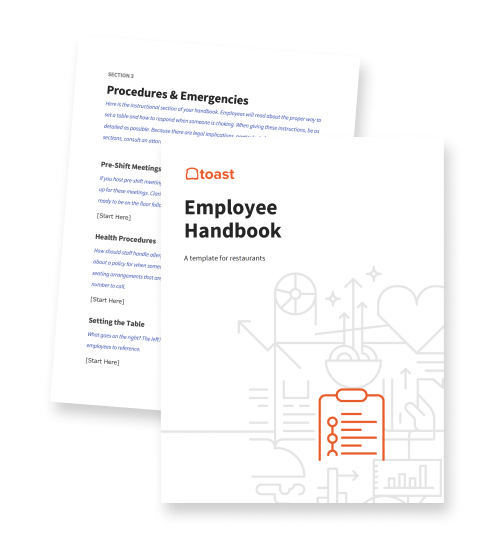
 Employee Handbook Template
Outline your restaurant’s staff policies in this customizable Word doc to help restaurant management and staff get on the same page.
Get Free DownloadFor restaurant operators, running a successful business isn’t just about great food and smooth service. Every detail contributes to the guest experience — and one of the most overlooked details is the dress code. A thoughtful approach to restaurant dress codes helps you shape your brand, set expectations for both staff and guests, and create a consistent atmosphere that keeps diners coming back.
In this guide, we’ll explore why dress codes matter, how they affect your business, and practical strategies for establishing policies that make sense for your concept and your team.
Key takeaways
Dress codes reinforce brand identity and signal professionalism.
Staff dress codes must balance brand alignment with functionality, safety, and comfort for employees.
Guest dress codes help preserve atmosphere in upscale venues but require clear communication to avoid confusion.
Communication must be clear and considerate.
Legal compliance matters when it comes to dress code.
SOPs Template
This template will help you create SOPs for your entire business, so you can create consistency and easily train employees.

Why dress codes matter for restaurants
Dress codes aren’t more than rules about clothing. A dress code serves as part of your restaurant’s culture. When handled thoughtfully, they can reinforce your brand identity. For example, a fine dining restaurant with white tablecloths sends a different message than a fast-casual taco joint. Dress codes help your staff reflect that identity as well as shape guest expectations. When the staff follows a clear dress code, it immediately signals professionalism and pride in the workplace--and guests pick up on that. And from a purely practical point of view, certain dress code elements (like closed-toe shoes) are essential for safety and hygiene.
The two sides of restaurant dress codes
Dress codes typically apply to two groups:
Staff dress codes.
Guest dress codes.
Both play important but different roles in your operation.
Setting staff dress codes
Your employees are the face of your restaurant. Their appearance impacts how customers perceive service quality, cleanliness, and professionalism.
Key considerations for staff dress codes
Brand alignment: Do you want a formal, uniformed look, or a casual, approachable vibe?
Functionality: Staff attire should allow for comfort, mobility, and safety. For example, aprons with pockets make servers’ jobs easier.
Consistency: Guests should be able to identify staff easily, especially in busy environments.
Durability: Clothing that can withstand stains and frequent washing will save costs in the long run.
Examples of staff dress codes
Fine dining: Black slacks, white button-down shirts, polished shoes, and ties or vests.
Casual dining: Branded t-shirts or polos, jeans, and clean sneakers.
Quick service: Standardized uniforms with hats or visors for brand recognition.
Grooming and personal presentation
Beyond clothing, many restaurants include expectations for grooming:
Hair neatly tied back if it’s long (especially in food prep).
Minimal jewelry for safety and hygiene.
Clean, pressed clothing at the start of each shift.
Setting guest dress codes
For some restaurants, guest dress codes are just as important as staff codes. While casual eateries may embrace a “come as you are” approach, upscale venues often rely on dress codes to maintain atmosphere.
Why set a guest dress code?
Preserve brand image: Upscale establishments may not want shorts, flip-flops, or sports jerseys disrupting the ambiance.
Create consistency: A clear standard ensures all guests feel part of the same elevated experience.
Set expectations: A dress code tells guests what type of evening they’re in for before they walk through the door.
Levels of guest dress codes
Formal: Jackets and dresses required.
Business casual: Collared shirts, slacks, or skirts.
Smart casual: Polished denim and neat attire.
Casual: Comfortable but clean and appropriate.
How to communicate restaurant dress codes
The biggest challenge with guest dress codes is communicating that there is, in fact, a dress code. “Dress codes go wrong all the time," according to professor Reuben A. Buford May, Ph.D. Guests can’t follow the rules if they don’t know what they are.
Best practices for communicating your dress code
You have a few ways you let guests know about the dress code.
Add a polite note about attire in emails or texts when confirming reservations.
Use signage at the door as a simple, respectful reminder.
Train your staff so that hosts and reservationists know how to explain the dress code.
Be sure to use clear, friendly language, and avoid vague terms like “dressy.” Instead, give examples:
“Business casual: collared shirts for men, dresses or slacks for women.”
“Smart casual: no ripped jeans, flip-flops, or athletic wear, please.”
Enforcing dress codes without alienating guests
Enforcement is where many restaurants struggle. Guests may feel embarrassed if told they don’t meet the dress code. The key is to balance firmness with hospitality.
Strategies for enforcement
Give hosts scripts for handling dress code issues politely.
Offer solutions, such as keeping spare jackets or wraps on hand for guests.
Be consistent and apply the dress code equally.
Set clear boundaries by focusing on what isn’t allowed rather than dictating every detail.
Legal and HR considerations for staff dress codes
When creating staff dress codes, remember there are legal boundaries.
Policies must not unfairly target gender, race, religion, or cultural expression.
Be prepared to adjust for religious attire, medical needs, or disability accommodations.
In some regions, employers must cover the cost of required uniforms.
Consult HR professionals or labor law resources when drafting policies to ensure compliance.
Adapting dress codes to your concept
Dress codes aren’t one-size-fits-all. The best policies reflect your restaurant’s unique positioning.
Fine dining
Guests expect elegance, and staff uniforms reinforce that. Dress codes help create an exclusive, special-occasion atmosphere.
Casual dining
Flexibility works better, but staff should still present a neat, coordinated look that supports a friendly vibe.
Fast casual and quick service
Uniforms are essential for branding and staff identification, but guest dress codes may not apply.
Trendy or themed restaurants
Here, dress codes can be playful. Think speakeasies that encourage vintage attire or beachside restaurants that allow flip-flops but ask guests to skip swimsuits.
The future of restaurant dress codes
As dining culture evolves, so do expectations around attire. Operators are increasingly balancing tradition with inclusivity and comfort. Trends to watch:
Relaxed formality: More restaurants are leaning toward “smart casual” instead of strict jackets-and-ties policies.
Inclusivity: Gender-neutral dress codes are becoming more common.
Brand-driven uniforms: Custom apparel with logos or unique designs that double as marketing.
Hybrid approaches: Flexible dress codes that adjust depending on time of day (casual at lunch, more formal at dinner).
From policy to atmosphere: making dress codes work for your restaurant
The right restaurant dress code does more than dictate clothing — it reinforces your concept, ensures professionalism, and creates the kind of environment you want guests to experience. Whether you run a fine dining institution or a casual neighborhood spot, your approach to dress codes should feel like an extension of your brand.
By setting clear expectations, training staff, and handling enforcement with care, you can use dress codes as a tool to elevate your restaurant while keeping both employees and guests comfortable.

Is this article helpful?
DISCLAIMER: This information is provided for general informational purposes only, and publication does not constitute an endorsement. Toast does not warrant the accuracy or completeness of any information, text, graphics, links, or other items contained within this content. Toast does not guarantee you will achieve any specific results if you follow any advice herein. It may be advisable for you to consult with a professional such as a lawyer, accountant, or business advisor for advice specific to your situation.
 Trending

Subscribe to On the line
Sign up to get industry intel, advice, tools, and honest takes from real people tackling their restaurants' greatest challenges.
By submitting, you agree to receive marketing emails from Toast. We’ll handle your info according to our privacy statement. Additional information for California residents available here.