
Low-Cost Business Ideas With High Profit
Want to start a business on a budget? These high-profit, low-cost ideas prove you don’t need big money to build a thriving business.
Author
 RESOURCE
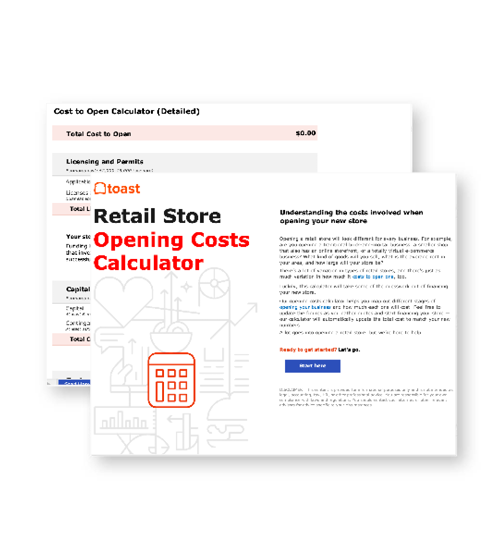
 Retail Store Opening Costs Calculator
This free calculator lays out some of the fundamental financial costs of opening a retail store, so you can start planning and bring your dream business to life.
Get Free DownloadStarting a profitable business doesn’t require a massive upfront investment — just the right idea and a smart plan. With startup costs for micro businesses averaging around $3,000 and many successful entrepreneurs launching ventures for under $1,000, strategic low-cost business ideas can generate substantial returns when executed properly.
Digital service businesses
Digital services offer exceptional profit potential with minimal startup costs — often just a laptop and Wi-Fi. Many of these businesses can be launched solo, from home, and scaled over time. Social media management businesses average $817,000 in annual revenue, with startup costs between $100 to $10,000 and profit margins of 6.9%.
Why it works
These businesses rely on specialized skills rather than physical products, which keeps overhead low and margins high. They're ideal for freelancers, solopreneurs, and anyone with digital expertise.
Profitable digital service ideas:
Search Engine Optimization (SEO) Consulting: Experienced consultants can charge $100 to $150/hour
Content creation & copywriting: From blog posts to marketing emails and ad scripts
Virtual assistant services: Focus on time-saving tasks for entrepreneurs and small businesses
Web design & development: High-demand services for local businesses or e-commerce startups
Email marketing campaign management: Set up automated sequences, segment lists, and track conversions
Industry outlook: The SEO services industry was valued at $46.7 billion in 2021 and is projected to grow 17.6% annually through 2030.
For example, a small agency offering SEO and content marketing services to local businesses can charge monthly retainers of $1,000 to $3,000 per client. With just five clients, that’s a potential revenue stream of $60,000 to $180,000 annually, while keeping overhead low by operating remotely.
E-commerce and online retail
Dropshipping represents one of the most accessible e-commerce models with profit margins typically ranging from 20% to 50%. This business model eliminates inventory costs and storage requirements, allowing entrepreneurs to focus on marketing and customer service.
Why It Works
E-commerce platforms like Shopify make launching a store simple and affordable. With models like dropshipping or POD, you don’t need to manage inventory or shipping — freeing you to focus on branding, marketing, and customer experience.
This low-risk, flexible model has helped many entrepreneurs replace or even exceed their previous income. Emily Odio-Sutton, a former educator, transitioned into print on demand and quickly found success. “I was hooked right away because I could do it from my laptop at any time. I didn’t have to have any actual products … I had a product take off for end-of-school-year teacher appreciation gifts. I hit my first six figures in October, then my second six figures in November and December. It was wild.”
Profitable E-commerce models:
Dropshipping: Sell trending products without ever holding inventory.
Print on Demand (POD): Sell custom designs on apparel, mugs, phone cases, etc. Once designed, products are made to order.
Income potential: With the right product and strategy, POD stores can generate $10,000+/month.
A print-on-demand store selling custom fitness apparel can be launched for under $300 using platforms like Shopify and Printful. With strong branding and targeted Instagram ads, a single viral product — like a motivational gym tank — can generate $10,000 or more in monthly sales with 70% profit margins.
E-commerce success tips
Mastering the basics of online selling and staying focused on customer experience can make even a small e-commerce shop highly profitable.
Make sure to:
Pick high-demand niches: Health, wellness, beauty, sustainable goods
Use tools like Shopify or Etsy: Simple platforms for storefront setup
Lean into social media & influencer marketing: Drive traffic and brand visibility
Prioritize customer service: Build trust and encourage repeat sales
Track your margins: Ensure sustainable profitability over time
Market outlook: The global e-commerce beverage market alone is expected to hit $343 billion by 2025, showing the wide scope for niche online stores.
Food service ventures
Food businesses can achieve impressive profit margins with strategic planning. Mobile bar operations can achieve profit margins as high as 88% for bartender-for-hire models, while traditional per-drink sales typically generate 20% to 40% margins.
Why it works
These ventures capitalize on people’s constant demand for food and convenience. With smart menu design, efficient operations, and niche targeting, you can turn simple ingredients into serious profits.
Profitable food business ideas:
Mobile bar services: Bartender-for-hire or pop-up bar models with high markup per drink
Ghost kitchens: Delivery-only restaurants without the dine-in costs
Coffee shops: Known for high margins on beverages and baked goods
Bakeries & dessert businesses: Low-cost ingredients, high markup items
Food trucks: Flexible and mobile, perfect for high-traffic events or locations
Catering services: Great for weddings, parties, and corporate events
Specialty food products: Package and sell sauces, snacks, or baked goods
Example: French toast can cost just $0.95 to make and sell for $12 to $15 at brunch spots — a massive markup with the right presentation.
Opening a Mobile Bar Checklist
So many things go into opening a mobile bar. With this free PDF checklist, you'll set your new business up for success.

Consulting and professional services
Consulting businesses leverage existing expertise with minimal startup costs. Consulting businesses average $364,000 in annual revenue with startup costs ranging from $1,000 to $3.5 million and profit margins of 6.4%.
Why it works
Consulting leverages skills you already have — meaning you can start quickly with minimal investment. And many consultants earn recurring income through retainers, which helps stabilize revenue over time.
In-demand consulting niches:
Business strategy and operations consulting: Help companies grow and streamline processes
Digital marketing & social media consulting: Guide brands on content, campaigns, and conversions
Financial planning & investment advisory: Offer budgeting, retirement, and portfolio advice
Technology consulting: Advise on software, IT systems, or implementation strategy
Human resources consulting: Support hiring, compliance, training, and organizational culture
A freelance digital marketing consultant offering services to small businesses can charge $1,500 to $3,000 per month per client. With just four clients, that’s an annual income of over $70,000 — all while working remotely and keeping startup costs low.
Pro tip: Many consultants begin by tapping into their existing network, then expand with a professional website, LinkedIn marketing, and thought-leadership content like blogs or webinars.
Creative and artisan businesses
For entrepreneurs with a creative streak, handmade and service-based artisan businesses offer a rewarding blend of passion and profit. With low material costs and high markup potential, these ventures can scale from side hustle to full-time income. Handmade product businesses can see profit margins of 50% to 75%, especially when paired with unique branding or custom designs.
Why it works
Most artisan businesses require only a small upfront investment — often less than $500 for materials. The real value comes from the personal touch, storytelling, and craftsmanship that can’t be easily replicated by mass production.
Profitable creative business ideas:
Custom jewelry design: Unique styles attract niche audiences and premium pricing
Handmade candles and soaps: Low-cost materials, high demand for scents and self-care items
Digital art & design services: Sell prints, logos, or custom illustrations
Photography services: Book events, portraits, or product shoots
Craft or hobby instruction: Teach classes online or in-person (knitting, painting, woodworking, etc.)
Example: Homemade candles and soaps can cost under $3 per unit to make, yet sell for $15 to $25 or more — especially when packaged with a compelling brand.
Local service businesses
Service-based businesses in local markets offer immediate revenue potential with low barriers to entry. Landscaping businesses can easily earn $10,000 or more monthly with average annual revenue of $272,790 and profit margins of 8.7%.
Why it works
These businesses fill essential everyday needs, which means steady demand. They also rely heavily on word-of-mouth, making them ideal for entrepreneurs who build trust through consistent service.
Residential and commercial cleaning: Low startup costs, scalable with systems
Pet sitting and dog walking: Great for animal lovers and flexible scheduling
Home maintenance & handyman work: High-value services with repeat business potential
Personal training & fitness coaching: Serve clients in homes, parks, or via video sessions
Tutoring & educational services: Growing demand for academic support and test prep
A residential cleaning business can be launched with less than $1,000 in supplies and marketing. By serving just three homes per day at $120 each, the business can generate over $90,000 annually — with opportunities to scale by hiring additional cleaners.
Bonus: These businesses often require minimal advertising — repeat clients and referrals do the heavy lifting when your service stands out.
Opening a Ghost Kitchen Checklist
So many things go into opening a ghost kitchen. With this free PDF checklist, you'll set your new business up for success.
Technology and software ventures
Software development offers exceptional scalability potential, though requiring technical expertise. Software companies average $10.6 million in annual revenue with startup costs around $55,000 and profit margins of 18.3%.
Why it works
Once built, software can be sold repeatedly with little added cost. Whether launching a mobile app or SaaS platform, successful tech businesses often turn a one-time investment into long-term recurring revenue.
Accessible tech business ideas:
Mobile app development: Build apps for niche markets, productivity, or entertainment
SaaS platforms: Offer monthly subscriptions for tools that solve business problems
Website & e-commerce development: Help small businesses establish their online presence
Tech support & IT consulting: Serve individuals or companies with setup, troubleshooting, or security
Digital marketing tools & analytics: Create or resell tools that help companies grow
A solo developer can create a niche Software-as-a-Service (SaaS) tool — like an appointment scheduler for personal trainers — for under $10,000. With a $25 monthly subscription and just 500 users, the business can generate $150,000 annually in recurring revenue with minimal ongoing costs.
Path to profit: Many tech founders start as freelance developers, gaining clients and capital before launching scalable software products or agencies.
Implementation strategies
Successful low-cost businesses require strategic planning and execution. As of 2024, startup costs for micro businesses average around $3,000, with 4% of small business owners spending less than $50,000 to start their ventures.
Key steps for success:
Validate market demand: Research and test before investing heavily
Start with a minimal viable product (MVP): Launch lean to gauge real customer interest
Prioritize high-margin offers: Focus on services or products with strong profit potential
Build for scalability early: Use systems, templates, and automation from the start
Retain over replace: Prioritize excellent customer service to boost retention and referrals
Reality check: Over 70% of small business owners reported making trade-offs in 2024 to stay profitable — highlighting the need for strategic, lean decision-making.
Final thoughts
You don’t need a massive budget to build a successful business — just a smart idea, a lean plan, and the commitment to follow through. Whether you’re launching a digital service, crafting handmade products, or building a scalable software solution, the opportunities are real and within reach.
Focus on what you can start today with the skills and resources you already have. Then, test, refine, and grow. With low startup costs and high-profit potential, these business models can help you create financial freedom, one smart decision at a time.
FAQ
What are the most profitable low-cost businesses to start?
Digital services like social media management, consulting, and e-commerce businesses like dropshipping offer the highest profit potential with minimal startup costs.
How much money do I need to start a profitable business?
Startup costs for micro businesses average around $3,000, though many successful businesses start with under $1,000, particularly in digital services and consulting.
What profit margins should I expect from a low-cost business?
Profit margins vary significantly: mobile bars can achieve 88% margins, dropshipping typically ranges 20% to 50%, and handmade products can reach 50% to 75%.
Which businesses can be started from home?
Most digital services, consulting, e-commerce, content creation, and many creative businesses can operate entirely from home, eliminating overhead costs and increasing profit margins.
How long does it take to become profitable?
Many profitable businesses achieve revenue within 1 to 3 months, though full profitability typically takes 6 to 12 months, depending on business model and market conditions.


Is this article helpful?
DISCLAIMER: This information is provided for general informational purposes only, and publication does not constitute an endorsement. Toast does not warrant the accuracy or completeness of any information, text, graphics, links, or other items contained within this content. Toast does not guarantee you will achieve any specific results if you follow any advice herein. It may be advisable for you to consult with a professional such as a lawyer, accountant, or business advisor for advice specific to your situation.
 Trending



Subscribe to On the line
Sign up to get industry intel, advice, tools, and honest takes from real people tackling their restaurants' greatest challenges.
By submitting, you agree to receive marketing emails from Toast. We’ll handle your info according to our privacy statement. Additional information for California residents available here.