
How to Season Hamburger Meat: Essential Spice Blends and Flavor Ideas
Author
 RESOURCE
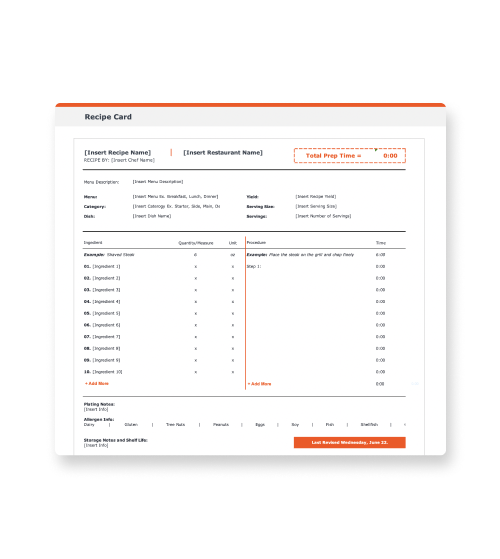
 Recipe Card Template
Train your team with this recipe card template, a customizable Excel sheet that outlines recipe requirements for chefs and back of house staff.
Get Free DownloadAmericans eat over 50 billion burgers each year, making seasoned ground beef a cornerstone of home cooking and casual dining alike. Ground beef is naturally mild in flavor — the right seasoning transforms this staple from ordinary to unforgettable. Whether you're grilling burgers for a weekend barbecue or preparing ground beef for a quick weeknight dinner, knowing how to season it well makes all the difference.
From classic all-purpose blends to internationally inspired combinations, mastering hamburger meat seasoning opens up countless culinary possibilities while ensuring every bite delivers maximum flavor impact.
Understanding seasoning fundamentals
The foundation of great hamburger seasoning lies in understanding when and how to apply spices for maximum flavor impact. The biggest question is when to season — before forming patties or after? Each has its advantages.
When to season
Timing affects moisture and flavor distribution. The best time to season burgers is right before they go on the grill or pan. Salt actually draws moisture out of the meat, so we want to add it at the last possible moment to ensure our burgers stay nice and juicy. This approach maintains optimal texture while allowing spices to create flavorful crusts.
Fat content matters
Fat content influences seasoning absorption.Fatty ground beef typically contains around 70% to 80% lean meat and 20% to 30% fat. This higher fat content adds rich flavor and juiciness to burgers. Higher fat content provides better flavor carriers for spices while maintaining moisture during cooking.
As Scott Groth, chef and founder of I’d Rather Be A Chef, puts it, “It’s all about the meat selection. It’s the higher fat content that makes for a really juicy burger.” Other chefs agree that the 80/20 ratio delivers the ideal balance for a bold beef flavor, juicy center, and crusty exterior.
Recipe Card Template
Train your team with this recipe card template, a customizable Excel sheet that outlines recipe requirements for chefs and back of house staff.

How much seasoning to use
Quantity guidelines ensure balanced flavor without overpowering the beef:
Start with 1 teaspoon of seasoning per pound of ground beef (about 3 to 4 burgers).
For more intense flavor, increase to 2 to 3 teaspoons per pound, depending on the spice blend’s strength and your taste preferences.
Classic all-purpose hamburger seasoning
This versatile blend works perfectly for burgers, meatloaf, and general ground beef applications, providing balanced flavor that complements rather than competes with beef's natural taste. While popular store-bought options like McCormick's Grill Mates Hamburger Seasoning offer a convenient shortcut, making your own gives you full control over salt content, spice level, and freshness.
Perfect basic burger blend
This go-to seasoning mix is quick to make, uses pantry staples, and delivers classic burger-shop flavor.
Ingredients:
1 teaspoon sweet paprika
1/2 teaspoon smoked paprika
1/2 teaspoon garlic powder
1/2 teaspoon onion powder
1/4 teaspoon freshly cracked black pepper
1/8 teaspoon cayenne pepper
1/2 teaspoon salt
This super simple homemade burger seasoning takes seconds to make, uses spices that you probably already have on hand, and really elevates a ground beef patty. The combination of sweet and smoked paprika adds depth, while garlic and onion powders lay down a savory foundation.
Restaurant-quality signature blend
Designed to mimic the depth and caramelization of a gourmet burger, this blend brings restaurant-style results to your home kitchen.
Ingredients:
2 tablespoons paprika
2 tablespoons brown sugar
1 tablespoon onion powder
2 teaspoons salt
2 teaspoons black pepper
2 teaspoons garlic powder
2 teaspoons cumin
1/2 teaspoon cayenne pepper
The addition of sugar helps trigger the Maillard reaction — the chemical process that gives browned meat its rich, savory flavor. This blend creates beautiful caramelization and adds complex, layered flavors that give your burgers that craveable, restaurant-style edge.
Smoky herb-enhanced mix
This smoky, herb-forward seasoning is perfect for adding depth and complexity without overpowering the meat.
Ingredients:
2 tablespoons smoked paprika
2 teaspoons onion powder
2 teaspoons dried oregano
2 teaspoons kosher salt
1 1/2 teaspoons garlic powder
1 teaspoon ground black pepper
Smoked paprika brings a subtle smokiness and sweetness, while dried oregano adds an earthy, herbaceous layer. This blend works especially well with both beef and turkey burgers, delivering depth without overpowering the meat.
International flavor profiles
Global cuisine inspirations transform hamburger meat into exciting international dishes, bringing authentic flavors from around the world to your dinner table.
Mexican-style taco seasoning
Bring bold, zesty flavor to your ground beef with this Tex-Mex favorite that works for everything from tacos to nachos.
Ingredients:
1 tablespoon chili powder
1 teaspoon ground cumin
1 teaspoon paprika
1/2 teaspoon oregano
1/2 teaspoon garlic powder
1/2 teaspoon onion powder
1/4 teaspoon cayenne pepper
1 teaspoon salt
Add-ins like ground adobo, chili powder, chipotle powder, or mustard powder can deepen the flavor even more. This blend is perfect for tacos, nachos, and Tex-Mex dishes, delivering bold, authentic south-of-the-border taste.
Mediterranean herb blend
This herbaceous blend infuses ground beef with classic Mediterranean flavors, perfect for Greek-inspired dishes, pasta sauces, and stuffed vegetables.
Ingredients:
1 tablespoon dried oregano
1 teaspoon dried basil
1 teaspoon garlic powder
1 teaspoon onion powder
1/2 teaspoon dried thyme
1/2 teaspoon dried rosemary
1 teaspoon salt
1/2 teaspoon black pepper
You can also add dried herbs, such as oregano, thyme, parsley, rosemary, sage, or basil, to the mix. Add 1 to 2 teaspoons of the herbs. This Mediterranean-inspired blend transforms ground beef into Greek-style dishes, pasta sauces, and stuffed vegetables.
Asian-inspired five-spice blend
This umami-packed blend adds warm, aromatic spice and savory depth — ideal for lettuce wraps, stir-fries, and Asian-style burgers.
Ingredients:
1 teaspoon Chinese five-spice powder
1 teaspoon garlic powder
1 teaspoon ground ginger
1/2 teaspoon sesame seeds
1/2 teaspoon salt
1/4 teaspoon red pepper flakes
1 tablespoon soy sauce (mixed into meat)
Add soy sauce, coconut aminos, or Worcestershire sauce to elevate the beef's natural savory and meaty taste. Use 1 to 3 tablespoons per pound. This blend brings authentic Asian flavors ideal for dishes like Asian ground beef lettuce wraps, which pair savory, spiced beef with crisp greens for a quick and flavorful weeknight meal.
Specialty seasoning applications
Different cooking methods and dish types benefit from tailored seasoning approaches that optimize flavor development and complement specific preparations.
Gourmet steakhouse burger
This rich, savory blend creates elevated burgers with deep, steakhouse-style flavor and a touch of sweetness.
Ingredients:
1 tablespoon garlic powder
1 tablespoon onion powder
1 tablespoon brown sugar
1 teaspoon smoked paprika
1 teaspoon black pepper
1 teaspoon salt
1/2 teaspoon dried thyme
2 tablespoons Worcestershire sauce (mixed into meat)
Worcestershire sauce pairs beautifully with beef, turkey, and lamb. Mix it into your meat or brush it onto the patties before cooking. This upscale blend creates steakhouse-quality burgers with sophisticated flavor depth.
Spicy Cajun kick
This bold, peppery blend channels authentic Louisiana flavor and creates a beautifully seasoned crust on grilled burgers.
Ingredients:
1 tablespoon paprika
1 teaspoon garlic powder
1 teaspoon onion powder
1 teaspoon oregano
1 teaspoon thyme
1/2 teaspoon cayenne pepper
1/2 teaspoon black pepper
1/2 teaspoon white pepper
1 teaspoon salt
Cajun spice and barbecue rubs work especially well with ground beef, helping form a flavorful crust while adding just the right amount of heat. Fans of Five Guys often recreate the chain’s popular Cajun-style flavor at home by using blends like this, not just for fries, but for burgers, too.
Italian seasoned ground beef
This herb-forward blend adds classic Italian flavor to ground beef, perfect for pasta dishes, pizza toppings, and comfort-food favorites.
Ingredients:
1 tablespoon dried basil
1 tablespoon dried oregano
1 teaspoon garlic powder
1 teaspoon onion powder
1/2 teaspoon dried thyme
1/2 teaspoon fennel seeds
1 teaspoon salt
1/2 teaspoon red pepper flakes
Omit the cayenne and substitute red pepper flakes if you like the heat. Use this seasoned ground beef for spaghetti, lasagna, or bolognese. Perfect for pasta dishes, pizza toppings, and Italian-American classics.
Application techniques and timing
Proper application methods ensure seasoning penetrates effectively while maintaining optimal texture and moisture throughout the cooking process.
Pre-mixing vs. surface seasoning
Each method has its strengths. For dishes like meatballs and meatloaf, it's best to mix the seasoning directly into the ground beef before forming. This ensures even distribution of flavor throughout the meat.
For burgers and steaks, surface seasoning works better. Sprinkling seasoning onto the outside just before grilling helps develop a flavorful crust without overworking the meat.
Timing matters
Timing considerations affect moisture retention. Always wait until your grill or pan is preheated before seasoning the burgers. This prevents salt from drawing out moisture too early and helps lock in juiciness during cooking.
Go easy on the mixing
Don’t overwork the beef — it can lead to tough, dense burgers. Gently fold in your seasoning using light hands for just 30 to 45 seconds to keep the texture tender.
Storage and preparation tips
Proper storage and preparation techniques ensure homemade seasoning blends maintain potency while remaining convenient for regular use.
Store in airtight containers
Keep blends in a cool, dark, dry pantry for up to 6 months. Mason jars or spice containers work best to maintain freshness and make them easy to grab when cooking.
Make larger batches
Save time by doubling or tripling your favorite blends. Store them the same way you would any spice mix — in airtight containers away from heat and light. Many home cooks incorporate seasoning prep into meal prep Sundays, portioning out blends in advance so they're ready to go on busy weeknights.
Label everything clearly
Always add a label with the date and blend name. This helps you keep track of freshness and avoid mix-ups when you have multiple seasonings on hand. For the best flavor, try to use your homemade blends within 6 months.
Use high-quality ingredients
Fresh, high-quality spices make a noticeable difference. Toss out old, flavorless spices, and consider grinding whole spices for maximum aroma and potency.
Mastering hamburger meat seasoning for every occasion
Understanding how to season hamburger meat effectively transforms ordinary ground beef into extraordinary meals that satisfy diverse tastes and cooking applications. According to a recent survey, 77% of Americans say burgers are their favorite cookout food. From simple salt-and-pepper classics to complex international blends, proper seasoning techniques ensure every dish delivers maximum flavor impact.
Burgers don’t need much — just a sprinkle of salt, preferably kosher salt, is enough to cook up juicy and delicious beef. Black pepper adds a welcome kick, and there’s no reason not to branch out with any number of burger-friendly spice blends. The key is balancing enhancement with restraint, letting the natural flavor of the beef shine through.
Whether you're preparing quick weeknight dinners or special occasion meals, these seasoning techniques and recipes provide the foundation for consistently delicious results that keep families gathering around the dinner table.
Final thoughts
Seasoning hamburger meat is more than just a step in the cooking process — it’s the key to unlocking flavor, texture, and versatility in every bite. Whether you stick with salt and pepper or explore bold spice blends from around the world, knowing when and how to season makes all the difference. With these techniques and recipes on hand, you can turn simple ground beef into something truly crave-worthy, no matter the meal, mood, or occasion.
Frequently asked questions
When should I season hamburger meat?
The best time to season burgers is right before they go on the grill or pan. Salt actually draws moisture out of the meat, so we want to add it at the last possible moment to ensure optimal juiciness.
How much seasoning should I use per pound of meat?
Use approximately 1 teaspoon for every pound of meat (or 3 to 4 burgers) as a baseline.Typically, use 2 to 3 teaspoons of seasoning per one pound of ground beef for a more intense flavor.
Should I mix seasoning into the meat or sprinkle it on top?
For dishes like meatloaf, mix the seasoning directly into the ground beef before forming your patties to ensure even flavor. For burgers, sprinkle the seasoning on top instead — this helps create a flavorful crust as they cook.
How long do homemade seasoning blends last?
Store in a dark, cool, dry pantry area for up to 6 months. Quality decreases over time, so use fresher blends for optimal flavor impact.
Can I use these seasonings on other proteins?
Many of the seasoning blends that work well for hamburger meat also pair nicely with whole cuts of chicken, pork, or seafood. They’re also a flavorful addition to ground salmon, turkey, or veggie burgers. Most blends can be easily adapted to other proteins with just minor adjustments.
Is this article helpful?
DISCLAIMER: This information is provided for general informational purposes only, and publication does not constitute an endorsement. Toast does not warrant the accuracy or completeness of any information, text, graphics, links, or other items contained within this content. Toast does not guarantee you will achieve any specific results if you follow any advice herein. It may be advisable for you to consult with a professional such as a lawyer, accountant, or business advisor for advice specific to your situation.
 Trending

Subscribe to On the line
Sign up to get industry intel, advice, tools, and honest takes from real people tackling their restaurants' greatest challenges.
By submitting, you agree to receive marketing emails from Toast. We’ll handle your info according to our privacy statement. Additional information for California residents available here.