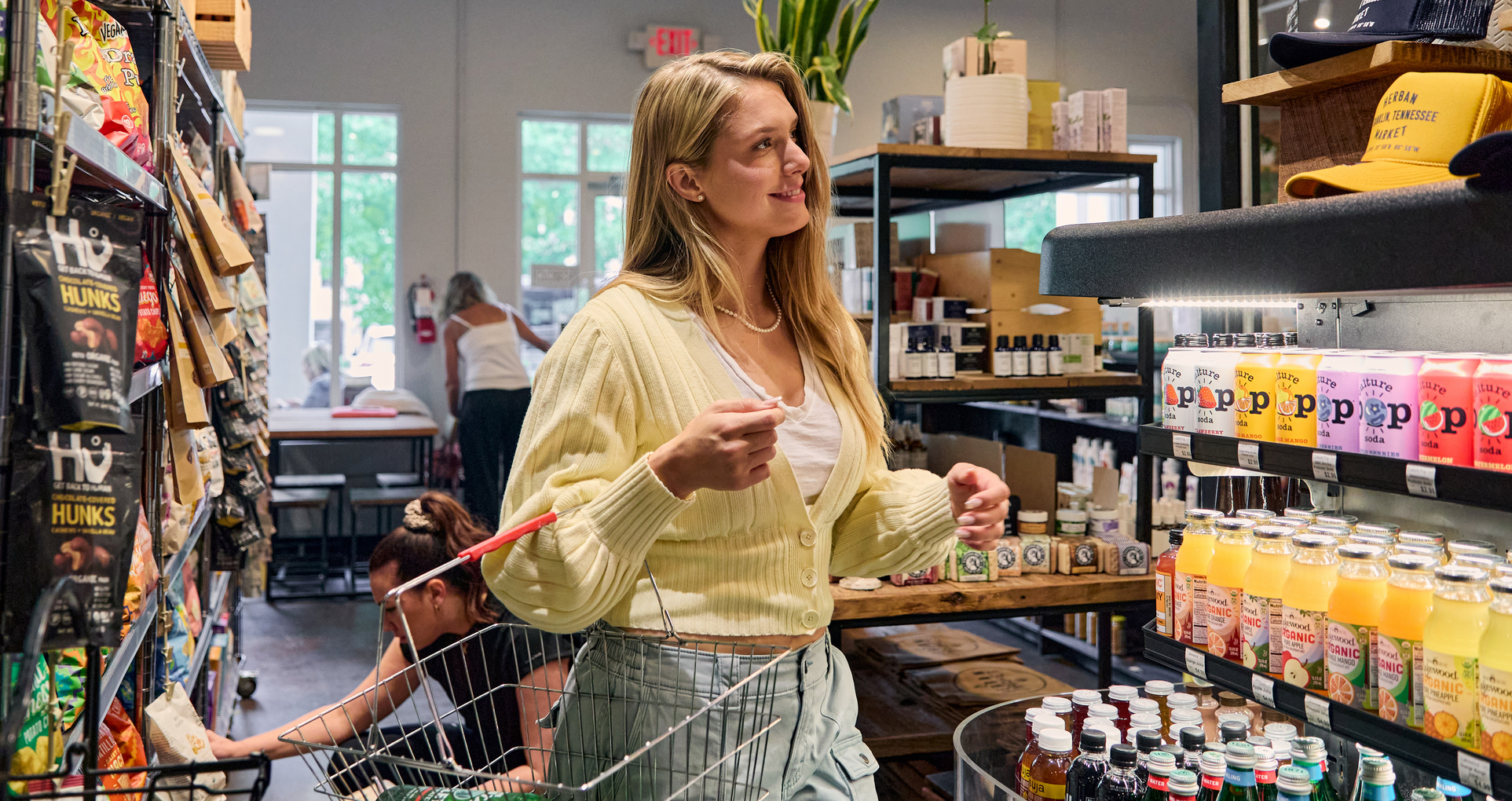
How to Increase Grocery Basket Size: 7 Effective Strategies
Practical strategies grocery store owners can use today to increase average basket size, from product placement and bundling to loyalty programs and staff upselling techniques.

Author

 RESOURCE
 Retail POS Comparison Tool
This customizable Retail POS Comparison Tool enables you to research, evaluate, and compare point of sale systems side by side in one Excel spreadsheet.
Get Free DownloadEvery grocery operator wants more customers. But what if the bigger opportunity is helping the customers you already have buy one more item?
A fun beverage with lunch. A fresh bakery item with a coffee. A prepared dish as an app with tonight’s groceries. Small additions can have an outsized impact on revenue when multiplied across hundreds—or thousands—of transactions.
That's the power of basket size. Modern retail technology now plays a critical role in surfacing recommendations, streamlining checkout, and helping shoppers discover products they'll genuinely value. For grocers looking to grow sales without growing square footage, basket size may be the metric worth watching most closely.
Whether you operate a single neighborhood grocery or a multilocation supermarket, the strategies below are actionable and grounded in how shoppers actually behave.
Key Takeaways
Basket size is often more valuable than new customer acquisition.
Store layout, bundling, and cross-merchandising are the highest-leverage physical tactics.
Loyalty programs and targeted promotions work best when tied to spend thresholds and purchase history.
Out-of-stocks and poor product visibility are silent basket killers.
Grocery Store Profit Margin Calculator
Use this free Grocery Store Profit Margin Calculator to help consistently capture and track your profit margin.

What is the average basket size, and why does it matter?
Average basket size refers to the average number of items (or total dollar value) a customer purchases in a single transaction. It's a core retail KPI because it reflects both shopper intent and how well your store environment, merchandising, and promotions are working together.
For independent grocers, optimizing basket size is often more cost-effective than acquiring new customers.
Basket size is also closely tied to customer satisfaction. Shoppers who find everything they need and discover items they didn't know they wanted are more likely to return. That makes basket-building strategies doubly valuable: they increase revenue today and improve retention over time.
7 Effective strategies for increasing grocery basket size
1. Optimize your store layout to encourage exploration
Store layout is one of the most powerful and underutilized tools for increasing basket size. The goal is to create a path through the store that exposes shoppers to more products without feeling manipulative or confusing.
Key layout principles that drive larger baskets:
Spread high-traffic staples throughout the store. Placing essentials like dairy, bread, and eggs in different areas of the store encourages shoppers to walk more of the floor and pick up additional items along the way.
Use end caps strategically. End-of-aisle displays are prime real estate. Feature complementary products, seasonal items, or high-margin goods that shoppers might not have planned to buy.
Create cross-merchandising zones. Placing pasta next to pasta sauce, or chips next to salsa and guacamole, prompts multi-item purchases that feel intuitive rather than forced.
Keep high-margin items at eye level. Shelf placement directly influences purchase rates. Premium and high-margin products should be positioned where they're most visible.
Thoughtful store design that guides the customer journey can be one of the most reliable ways to increase the number of items per transaction.
2. Use product bundling to increase perceived value
Bundling is a straightforward tactic: group related products together at a slight discount and present them as a complete solution. Done well, it increases basket size while giving customers the sense that they're getting a deal.
Effective bundling approaches for grocery:
Meal kit-style bundles: Group all the ingredients for a specific recipe, like protein, produce, pantry staples, and merchandise them together with a recipe card or signage.
Buy-more-save-more offers: "Buy 2, get 1 free" or "3 for $10" promotions encourage shoppers to add more units of a single product.
Seasonal and occasion bundles: Holiday meal bundles, game-day snack packs, or back-to-school lunch kits tap into shoppers' mindsets at the right moment.
Bundling works because it reduces decision fatigue. When a shopper sees a complete meal solution rather than individual ingredients, the path to a larger basket becomes easier.
3. Build a loyalty program that rewards basket growth
Loyalty programs are a proven driver of both visit frequency and basket size, but the design matters. Programs that reward total spend rather than just visit frequency can be more effective at encouraging shoppers to add items to their cart.
What makes a grocery loyalty program effective:
Points tied to spend thresholds: Reward customers when they hit spending milestones (e.g., earn bonus points on orders over $75) rather than just for showing up.
Personalized offers based on purchase history: Use transaction data to send targeted promotions on items a customer already buys or categories adjacent to their habits.
Exclusive member pricing: Give loyalty members access to deals that non-members don't see, creating a tangible reason to consolidate grocery shopping at your store.
For grocery operators, loyalty tools that connect purchase history to personalized offers, like Toast Loyalty, can build stronger customer relationships and drive more purchases, turning a one-time shopper into a weekly regular.
Grocery Store Marketing Plan
Create a marketing plan that'll drive repeat business with this customizable marketing playbook template and interactive calendar.
4. Train staff to upsell and suggest add-ons
In grocery, upselling doesn't look like a hard sell. It looks like a helpful suggestion. Staff who are knowledgeable about products and empowered to make recommendations can meaningfully increase basket size, particularly at specialty counters like deli, butcher, bakery, and prepared foods.
Practical staff-driven upselling tactics:
Suggest pairings at the point of service. A deli associate who recommends a specific mustard or cheese to go with a sliced meat is providing value, not pushing a sale.
Highlight new or seasonal items. Staff who proactively mention new arrivals or limited-time products create awareness that signage alone can't replicate.
Offer samples. Sampling at specialty counters consistently drives incremental purchases. When a customer tastes something they enjoy, the barrier to buying drops significantly.
5. Reduce out-of-stocks to protect basket integrity
Out-of-stocks are a silent basket killer. When a shopper can't find an item they came in for, they either leave without it or leave the store entirely. Both outcomes reduce basket size.
Steps to minimize out-of-stocks:
Implement real-time inventory tracking. Knowing what's on the shelf versus what's in the back room prevents gaps from going unnoticed.
Set reorder points for high-velocity SKUs. Fast-moving items should trigger automatic reorders before they run out, not after.
Audit shelves during peak hours. Gaps are most likely to appear when traffic is highest. Scheduling shelf checks during busy periods catches problems before they affect shoppers.
For grocery operators managing hundreds of SKUs across locations, real-time inventory tools like those built into Toast Retail can eliminate the guesswork and protect basket integrity. Features like PAR-level alerts, cycle counting, and low-stock notifications by SKU mean you always know what's in stock and never miss a sale.
6. Leverage promotions without eroding margins
Promotions drive basket size when they're structured correctly. The risk is running deals that increase volume but compress margins to the point where the revenue gain disappears.
Promotion structures that protect margins:
Threshold-based discounts: "Spend $100, save $15" encourages shoppers to add items to hit the threshold rather than simply discounting everything.
Category-specific promotions: Running deals in high-margin categories (prepared foods, specialty items, private label) generate basket growth where the margin can absorb it.
Limited-time offers: Urgency drives action. Weekly specials or flash sales on specific items create a reason to buy now rather than defer.
The key is using your transaction data to understand which promotions actually drive incremental spend versus simply pulling forward purchases that would have happened anyway.
7. Use signage and digital tools to surface suggestions
Shoppers can't buy what they don't notice. Clear, well-placed signage, both physical and digital, is one of the lowest-cost ways to surface products and prompt additional purchases.
Effective signage and digital tactics:
Recipe cards and meal inspiration displays near produce, meat, and seafood sections prompt multi-item purchases by giving shoppers a reason to buy complementary ingredients.
"Customers also bought" shelf tags replicate the logic of e-commerce recommendation engines in a physical store environment.
Digital screens at checkout can highlight add-on items, loyalty program benefits, or upcoming promotions at the moment when shoppers are most engaged.
SMS and email campaigns tied to loyalty data can remind customers of items they regularly buy, or introduce them to new products in categories they already shop.
Grocery Store Operations Manual Template
Use this free template to easily outline all of your operating procedures and make day-to-day operations as consistent as possible.
Using grocery POS technology to drive bigger baskets
Toast Retail connects loyalty data directly to email and SMS campaigns, helping operators put the right products in front of the right shoppers at the right time, without building a separate marketing stack. That means weekly specials, new arrivals, and seasonal promotions reach customers who are most likely to act on them.
And ultimately, that's what increasing basket size is all about. Not convincing shoppers to buy things they don't need, but making it easier for them to discover products they'll genuinely enjoy and value. For grocery operators looking to do more with the customers they already have, helping shoppers find just one more item may be the biggest opportunity in the store.
FAQs
What is the average basket size in grocery retail? Average basket size is the average number of items or dollar value in a single transaction; retailers use it to measure how effective merchandising, promotions, and store layout are at increasing per-visit spend.
What is the fastest way to increase grocery basket size? Cross-merchandising complementary products, implementing spend-threshold promotions, and training staff to make relevant suggestions at specialty counters typically deliver the quickest measurable lifts.
How does store layout affect basket size? Store layout influences how much of the store a shopper explores. Strategies like spreading staples, using end caps, and creating cross-merchandising zones increase the chance customers encounter additional items.
What role does inventory management play in basket size? Out-of-stocks reduce basket size by preventing shoppers from completing purchases. Accurate, real-time inventory management (PAR alerts, cycle counting, low-stock notifications) ensures shelves stay stocked and reduces missed sales.
Retail POS Comparison Tool
This customizable Retail POS Comparison Tool enables you to research, evaluate, and compare point of sale systems side by side in one Excel spreadsheet.
Is this article helpful?
DISCLAIMER: This information is provided for general informational purposes only, and publication does not constitute an endorsement. Toast does not warrant the accuracy or completeness of any information, text, graphics, links, or other items contained within this content. Toast does not guarantee you will achieve any specific results if you follow any advice herein. It may be advisable for you to consult with a professional such as a lawyer, accountant, or business advisor for advice specific to your situation.

Subscribe to On the line
Sign up to get industry intel, advice, tools, and honest takes from real people tackling their restaurants' greatest challenges.
By submitting, you agree to receive marketing emails from Toast. We’ll handle your info according to our privacy statement. Additional information for California residents available here.