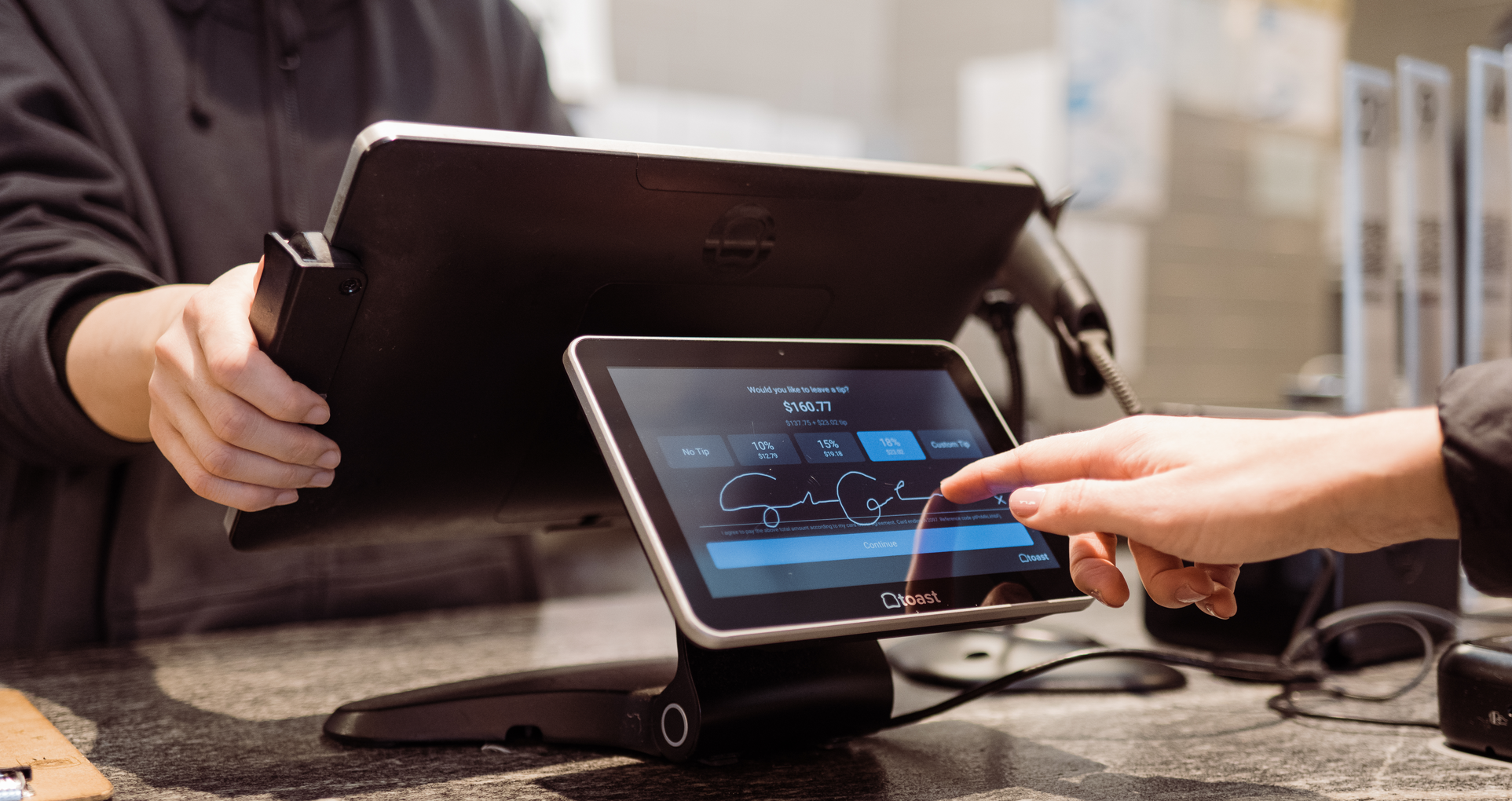
Do You Have to Pay Gratuity? Understanding Restaurant Policies
Learn whether you legally have to pay automatic gratuity at restaurants. Understand customer rights, service charge laws, and when gratuity is mandatory vs. optional.

Author

 Free Tools
 Tip Pooling Calculator
Calculate your restaurant's tip distribution instantly with Toast's free Tip Pooling Calculator.
Try our Tip Pooling CalculatorWhen dining out, many customers encounter automatic gratuity charges on their bills and wonder: "Do I actually have to pay this?" The answer depends entirely on how the charge is structured and communicated. Automatic gratuity is legally classified as a service charge, not a tip, which fundamentally changes your legal obligations as a customer.
Understanding the difference between mandatory service charges and voluntary tips is crucial for both diners and restaurant operators. The IRS has clear guidelines that distinguish between these payment types, and these classifications directly impact whether you can legally refuse to pay.
The legal distinction: service charges vs. tips
The key to understanding your payment obligations lies in the legal classification. According to IRS guidelines, automatic gratuity is classified as a service charge, not a tip. This means it's a mandatory fee set by the restaurant, similar to paying for food or beverages.
Service charges differ from voluntary tips in several important ways. Tips are discretionary payments where customers choose both the amount and the recipient. Service charges are predetermined fees that customers must pay regardless of their satisfaction with the service.
When restaurants add automatic gratuity to your bill, they're implementing what's legally considered a service charge. This classification means customers are legally obligated to pay it, just like any other charge on their bill.
When you must pay automatic gratuity
Properly disclosed charges
You must pay automatic gratuity when it's properly disclosed to customers before ordering. Restaurants typically communicate these policies through menu notations, entrance signage, or server announcements. Most commonly, automatic gratuity applies to parties of six or more guests and ranges from 18-20% of the pre-tax bill.
The legal principle is straightforward: if the restaurant clearly communicates the automatic gratuity policy before you order, you're agreeing to pay it by continuing with your meal. Not paying properly disclosed automatic gratuity is equivalent to not paying for your food.
Large party scenarios
Restaurants most commonly apply automatic gratuity to large parties because serving bigger groups requires significantly more time and coordination from staff. These policies help ensure servers receive fair compensation for the extra effort required when accommodating large groups who might otherwise split bills in ways that result in inadequate tips.
Special events and private dining
Many restaurants automatically add service charges for banquets, private events, and holiday dining. These situations often require additional setup, coordination, and service that justifies the automatic gratuity policy.
SOPs Template
This template will help you create SOPs for your entire business, so you can create consistency and easily train employees.

When you can refuse to pay
Inadequate disclosure
You may refuse automatic gratuity if it wasn't properly disclosed before you placed your order. State laws typically require restaurants to communicate service charges through visible menu notations, entrance signage, or verbal notifications from staff.
If you discover automatic gratuity on your bill without prior notification, you have grounds to dispute the charge. Texas law, for example, requires clear written disclosure of service charges before customers order.
Service quality issues
While legally complex, some jurisdictions allow customers to refuse automatic gratuity in cases of documented, significant service failures. However, this typically requires manager approval and clear documentation of the service issues.
A 2023 Illinois court case established that customers might decline automatic gratuity if they can demonstrate the policy wasn't adequately disclosed, service quality failed to meet reasonable standards, or the restaurant misrepresented the mandatory nature of the charge.
Misleading labeling
If restaurants label service charges as "tips" or "gratuity" without clarifying their mandatory nature, customers may have grounds to dispute these charges. Legal cases have addressed situations where restaurants misled customers about whether service charges were actual tips going to staff.
State-by-state variations
General federal guidelines
While federal law allows automatic gratuity as service charges, state laws vary significantly in their specific requirements for disclosure and implementation. Most states require some form of advance notification to customers.
California requirements
California has specific regulations about service charge disclosure and taxation. Restaurants must clearly communicate service charges to avoid misleading customers about their optional or mandatory nature.
Texas regulations
Texas law explicitly requires that restaurants clearly disclose service fees or mandatory tips before customers order. The notification must be in writing and easily visible on menus or prominent signage.
How restaurants must disclose automatic gratuity
Menu notifications
Restaurants should clearly state their automatic gratuity policies on menus, typically noting something like "An 18% service charge will be added to parties of 6 or more." This notification should be prominently placed and easily readable.
Multiple disclosure points
Best practices require disclosure in multiple locations: on menus, at restaurant entrances, during reservation processes, and on final bills. This comprehensive approach helps ensure customers understand the policy before dining.
Staff training requirements
Restaurant staff should be trained to inform customers about automatic gratuity policies, especially when seating large parties or during special events where these charges commonly apply.
Your rights as a customer
Right to information
You have the right to understand all charges before agreeing to pay them. If automatic gratuity appears on your bill without prior disclosure, you can request an explanation and ask to see where the policy was communicated.
Dispute process
If you believe automatic gratuity was improperly applied, speak with a manager immediately. Many restaurants will remove improperly disclosed charges to maintain customer satisfaction.
Payment method considerations
When automatic gratuity is properly disclosed and applied, you must pay it regardless of your payment method. This includes cash, credit cards, and digital payment platforms.
Should you tip on top of automatic gratuity?
Understanding the distinction
Automatic gratuity goes to the restaurant first as a service charge, then is distributed to staff through payroll. While restaurants often pass these charges to service staff, they're not required to do so in the same way as voluntary tips.
Additional tipping considerations
If you receive exceptional service, you can certainly tip beyond automatic gratuity. Many restaurants include tip lines on receipts even when automatic gratuity is applied, allowing customers to reward outstanding service.
Staff expectations
Service staff understand that automatic gratuity is different from voluntary tips. While they appreciate additional recognition for exceptional service, they don't expect customers to tip beyond properly applied automatic gratuity.
What happens if you refuse to pay
Legal consequences
Refusing to pay properly disclosed automatic gratuity is legally equivalent to not paying for your meal. Restaurants can involve law enforcement if customers refuse to pay mandatory service charges.
Practical resolution
Most disputes over automatic gratuity resolve through manager intervention. Restaurants typically prefer to maintain customer relationships rather than pursue legal action over service charges.
Documentation importance
If you dispute automatic gratuity, document your concerns and the restaurant's response. This information can be valuable if the situation escalates or if you need to file complaints with consumer protection agencies.
Best practices for customers
Review policies in advance
Before dining, especially with large groups, review restaurant websites and menus for service charge policies. This preparation helps avoid surprises when the bill arrives.
Ask questions
Don't hesitate to ask servers about service charge policies when making reservations or upon arrival. Clear communication prevents misunderstandings about payment expectations.
Understand your bill
Review your bill carefully before payment, ensuring you understand all charges including automatic gratuity, taxes, and any additional fees.
Frequently asked questions
Q: Can I negotiate automatic gratuity if I'm unsatisfied with service? A: While automatic gratuity is legally mandatory when properly disclosed, many restaurants will consider adjustments for documented service issues. Speak with a manager to discuss specific concerns.
Q: Is automatic gratuity the same as a tip? A: No, automatic gratuity is legally classified as a service charge, not a tip. This means it's mandatory and processed differently for tax purposes.
Q: What should I do if automatic gratuity wasn't mentioned until I received my bill? A: If automatic gratuity wasn't properly disclosed before ordering, you may dispute the charge. Ask to speak with a manager and request to see where the policy was communicated.
Q: Do I need to tip servers additional money when automatic gratuity is applied? A: Additional tipping is optional when automatic gratuity is applied. While servers appreciate extra recognition for exceptional service, it's not expected or required.
Q: Can restaurants add automatic gratuity to takeout orders? A: While legally possible, most restaurants don't add automatic gratuity to takeout since customers aren't receiving table service. However, delivery orders may include service charges or delivery fees.
Is this article helpful?
DISCLAIMER: This information is provided for general informational purposes only, and publication does not constitute an endorsement. Toast does not warrant the accuracy or completeness of any information, text, graphics, links, or other items contained within this content. Toast does not guarantee you will achieve any specific results if you follow any advice herein. It may be advisable for you to consult with a professional such as a lawyer, accountant, or business advisor for advice specific to your situation.
 Trending


Subscribe to On the line
Sign up to get industry intel, advice, tools, and honest takes from real people tackling their restaurants' greatest challenges.
By submitting, you agree to receive marketing emails from Toast. We’ll handle your info according to our privacy statement. Additional information for California residents available here.