Maximizing Butcher Shop Promotions: Trends and Strategies for 2025
Explore the top promotional tactics successful butcher shops use to boost revenue and build lasting customer relationships.
Author
 RESOURCE
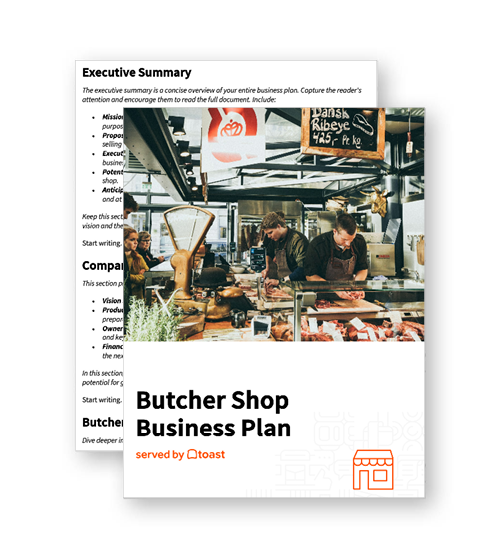
 Butcher Shop Business Plan Template
Use this free template to easily create a great business plan that organizes your vision and helps you start, grow, or raise funding for your butcher shop.
Get Free DownloadIn an era where consumers are increasingly mindful about the source and quality of their food, traditional butcher shops are experiencing a renaissance. The specialty meat market has shown remarkable resilience, supported by broader industry growth. According to Fortune Business Insights, the U.S. meat market is projected to grow from $172.94 billion in 2021 to $215.76 billion by 2028, reflecting a compound annual growth rate (CAGR) of 3.21%.
As we navigate through 2025, butcher shop operators face both exciting opportunities and significant challenges. This article explores the current state of butcher shop sales, emerging trends, and effective strategies to maximize revenue and customer loyalty in today's competitive landscape.
The state of butcher shop sales in 2025
The specialty meat retail sector has maintained its strong position in the food industry, with impressive sales figures despite economic fluctuations. The specialty meat retail sector continues to perform strongly, showing impressive sales even amid economic ups and downs. According to industry reports, independent butcher shops have seen consistent year-over-year growth, with premium meat sales continuing to rise as consumers prioritize quality over quantity.
More recent data shows even stronger performance among artisanal and specialty butcher shops. What's particularly noteworthy is the evolution of sales mix within butcher shops. While traditional cuts have historically dominated revenue streams, value-added products like marinated meats, prepared meals, and specialty sausages are capturing an increasingly larger slice of the pie.
This shift reflects changing consumer behaviors and highlights the growing importance of convenience, unique offerings, and expertise as profit drivers for meat retailers.
Butcher Shop Business Plan Template
Use this free template to easily create a great business plan that organizes your vision and helps you start, grow, or raise funding for your butcher shop.

Key trends shaping butcher shop sales in 2025
Several key trends are shaping how butcher shops attract, engage, and retain their customers in 2025. Below are some of the most impactful shifts currently driving change in the industry.
1. Enhanced loyalty programs driving repeat business
One of the most effective ways butcher shops are boosting customer retention in 2025 is by rethinking loyalty programs — not just rewarding purchases, but creating deeper, more personalized experiences.
Personalized offers through data analytics
In today's competitive specialty food retail environment, customer retention has become a critical focus area. Effective loyalty programs are no longer just about punch cards or basic point systems. Modern butcher shop loyalty strategies leverage sophisticated data analytics to create personalized offers based on purchasing behaviors.
Mobile integration and member perks
Mobile applications have become essential tools for implementation, allowing for seamless point accumulation and reward redemption. Some leading butcher shops offer programs that provide customers with exclusive access to limited cuts, early notification of special arrivals, or members-only events like butchery classes or tastings.
For example, The Butchery, a premium butcher shop chain in Southern California, runs a digital loyalty program that rewards repeat customers with points redeemable for discounts. Members also receive early access to limited seasonal cuts, surprise birthday perks, and exclusive invitations to tasting events — helping the brand foster deeper customer relationships and drive repeat visits.
Education as a loyalty driver
Successful butcher shop loyalty programs often emphasize the educational component, rewarding customers not just with discounts but with knowledge — cooking tips, recipe collections, and information about meat sourcing and production practices.
2. Expanding prepared food offerings
As consumer demand for convenience continues to rise, butcher shops are responding by offering more prepared foods, blending quality with ready-to-cook ease.
Boosting sales with meal solutions
The prepared food category has become increasingly important for butcher shops, with many locations evolving beyond traditional raw cuts to offer convenient meal solutions. Industry experts note that shops combining high-quality meats with ready-to-cook or fully prepared options are seeing meaningful increases in average transaction value.
Innovative offerings gaining traction
Prepared food offerings, in particular, have seen significant innovation. Heat-and-eat meals, marinated ready-to-grill options, and butcher shop-made stocks and sauces have all gained popularity. Consumers are increasingly seeking time-saving solutions that don't compromise on quality or taste.
Belcampo Meat Co., a once-popular California-based butcher shop and restaurant brand, exemplified this trend before shutting its doors in 2021. Known for its commitment to sustainable sourcing, Belcampo offered a wide range of prepared products — from bone broths and stocks to chef-crafted, ready-to-heat meals — which helped increase average order value and draw in health-conscious, convenience-driven customers.
Becoming a one-stop shop for dinner
This trend represents an opportunity for butcher shop retailers to differentiate themselves and capture additional sales through expanded prepared food offerings, transforming from simply a meat source to a complete meal solution provider.
3. Focus on sustainability and ethical sourcing
With consumers becoming more intentional about what they eat, sustainability and ethical sourcing are emerging as powerful differentiators for modern butcher shops.
Meeting the demand for transparency
Consumer preferences continue to shift toward ethically raised and sustainably sourced meats, and butcher shops are responding accordingly. In response to the increasing demand for transparency, many butcher shops are enhancing their sourcing practices and communication about those practices.
Ethical claims drive sales growth
Industry trackers report that products with clear provenance information and ethical production claims have shown faster growth compared with conventional meat sales. This signals greater awareness and interest among butcher shop customers and changing attitudes about where and how to buy meat products.
A leading example is Porter Road, a Nashville-based butcher shop and online retailer that offers 100% pasture-raised, hormone- and antibiotic-free meats. Porter Road is transparent about its sourcing and processing practices, partnering with small farms and handling its own butchering in-house. This commitment has helped the brand build trust with customers and grow beyond its local roots into a successful nationwide direct-to-consumer business.
Premium pricing through purpose
Butcher shops that successfully incorporate sustainable and ethical practices into their business model can attract new customer segments and increase their average transaction value through premium pricing on these sought-after products.
4. Technology integration for enhanced customer experience
As digital tools become more accessible and powerful, butcher shops are turning to technology to streamline operations, improve service, and boost customer retention.
Tech as a competitive advantage
Technology has become a crucial differentiator for butcher shops looking to streamline operations and improve the customer experience. Customer experience has become a significant trend as specialty retailers compete for customer loyalty.
Modern POS and online ordering tools
Modern point of sale (POS) systems with features like inventory management, customer relationship management (CRM), and loyalty program integration are becoming standard in successful butcher operations. Online ordering systems with pickup options are also gaining traction, with research indicating they can significantly increase sales and improve the shopping experience.
Choosing the right features
When choosing a butcher shop POS system, operators should look for features like built-in CRM capabilities to cultivate customer loyalty and drive repeat business. Key functionalities include loyalty programs, customer data capture at the point of sale, and targeted promotions based on purchase history to enhance customer engagement and retention.
5. Education and community engagement
In 2025, butcher shops are finding success not just by selling meat, but by becoming trusted sources of knowledge and hubs for local connection.
Why education matters to today’s consumer
Educational initiatives and community involvement are increasingly influencing consumer purchasing decisions, making these areas key considerations for butcher retailers. Today's consumers want to know not just where their meat comes from, but how to prepare it optimally.
As Polly Yakovich, co-owner of Seattle’s Beast & Cleaver, explains: “… in talking directly to customers at the butcher shop, seeing what they buy, asking what they like, and getting their feedback directly, I'm reminded how important it is to work with good information. How do we think we're going to create the right things for our audience without asking them? … The great news is that if we don't skip this step and do the research into what our customers (or our customers' customers) want, our jobs are 100x easier.”
This kind of direct customer engagement helps shops not only offer better services but also build stronger, trust-based relationships that drive loyalty and repeat business.
Tactics that build trust and loyalty
Strategies such as offering cooking classes, hosting meat-focused events, creating engaging social media content about meat preparation, and partnering with local chefs can help butcher shops position themselves as knowledge centers while building community connections.
One standout example is The Local Butcher Shop in Berkeley, CA, which regularly hosts whole animal butchery classes, educational demos, and community events. Their hands-on approach not only teaches customers how to prepare and understand cuts of meat but also fosters strong local ties and repeat business through trust and transparency.
Strategies to maximize butcher shop sales
To convert occasional shoppers into repeat customers and increase long-term revenue, butcher shops need to adopt targeted strategies that directly impact sales and customer loyalty. The following strategies offer practical, high-impact ways to drive growth:
Implementing an effective loyalty program
A well-designed loyalty program can significantly boost butcher shop sales by increasing customer retention and visit frequency. Loyal customers return to brands and spend 31% more than new customers. Marketing to new guests is important, but driving repeat business is what every butcher shop needs. In fact, 46% of loyal customers are likely to keep purchasing from a brand after a negative experience.
When creating a loyalty program, it's essential to make the process of earning and redeeming rewards simple and straightforward.
To maximize program effectiveness, consider these key strategies:
Provide a sign-up incentive like a free specialty sausage or marinade to encourage initial enrollment.
Leverage data analytics to create personalized offers based on customer purchasing patterns.
Implement a digital system for easy point tracking and reward redemption.
Include both published benefits (advertised perks) and unpublished benefits (surprise rewards) to delight customers.
Regularly communicate with program members about special cuts, limited availability items, and exclusive promotions.
According to research, loyalty programs not only drive repeat business but also lead to higher spending. Customers who participate in loyalty programs spend significantly more than non-loyalty guests. This makes investing in a robust loyalty platform a high-impact strategy for increasing butcher shop sales.
Optimizing your product mix
The merchandise assortment in your butcher shop plays a crucial role in driving sales and profitability. While traditional cuts remain the foundation, diversification into value-added products can significantly improve margins.
To optimize your product mix for maximum sales:
Analyze sales data regularly to identify top-performing items and categories.
Allocate prime display space to high-margin products like marinated meats and house-made sausages.
Incorporate trending items like specialty charcuterie, exotic game meats, or heritage breed offerings.
Adjust inventory based on seasonal demands and local preferences.
Consider creating meal bundles to increase average transaction value.
Remember that inventory costs typically account for a significant portion of revenue, making efficient inventory management essential for profitability.
Enhancing the customer experience
In a market where consumers have numerous options for purchasing meat, creating a superior customer experience can set your butcher shop apart. Creative marketing ideas can help you stand out, attract new customers, and engage your existing customer base. Strategies like seasonal promotions, cooking demonstrations, in-store sampling, and cross-promotions with complementary businesses like local wineries or bakeries can all drive foot traffic and increase sales.
Focus on these aspects of customer experience:
Keep your butcher shop clean and well-organized to create a welcoming environment.
Train staff in both cutting techniques and customer service to ensure friendly, helpful interactions.
Speed up checkout with efficient systems and online ordering options.
Use clear signage and information about meat sourcing and preparation.
Offer value-added services like custom cutting, special orders, or cooking advice.
According to industry experts, value-centric marketing that emphasizes both quality and expertise is particularly important in positioning your butcher shop effectively.
Leveraging technology for operational efficiency
The right technology infrastructure can dramatically improve both operational efficiency and the customer experience in butcher shops. Advanced POS systems help owners speed up everything from inventory to checkouts, providing more time to focus on meat preparation and customer service.
Key technology investments to consider include:
Install an integrated POS system with built-in inventory management.
Build an online ordering platform with pickup or local delivery options.
Use a digital loyalty platform to drive repeat business.
Adopt energy-efficient refrigeration monitoring systems to lower utility costs.
Leverage data analytics tools for smarter business decisions.
Refrigeration management is particularly important for butcher shops, both for food safety and energy efficiency. Smart technologies for refrigeration monitoring are becoming more affordable and can help shops maintain optimal conditions while controlling energy costs.
Adapting to changing consumer trends
Staying attuned to evolving consumer preferences is essential for maintaining relevance and driving sales growth. One notable trend is the rise of interest in international and ethnic meat preparations, with many butcher shops expanding their offerings to include cuts and preparations from various global cuisines.
To effectively capitalize on changing consumer trends:
Regularly survey customers to understand their evolving needs.
Monitor industry publications and research for emerging trends.
Test new product categories in small quantities before full implementation.
Stay flexible and willing to adjust your strategy based on performance data.
Watch industry leaders for innovative approaches that could be adapted to your shop.
Keeping your butcher shop aligned with customer expectations ensures relevance — and resilience — in a fast-moving market.
Moving forward: Action steps for butcher shop operators
To capitalize on the trends and strategies outlined in this article, butcher shop operators should consider taking these concrete steps:
Evaluate your current loyalty program (or implement one if you don't have one) to ensure it provides meaningful value to customers and leverages data effectively.
Review your product mix with special attention to expanding prepared food options and specialty items.
Invest in technology that enhances both operational efficiency and customer experience.
Train staff to deliver exceptional customer service and expert advice that builds loyalty.
Develop a sustainability plan that includes transparent sourcing and waste reduction initiatives.
By focusing on these areas, butcher shop operators can position themselves for sales growth and increased profitability in the competitive specialty food landscape of 2025 and beyond.
Frequently asked questions
What is the average profit margin for butcher shops?
While profit margins vary based on location, product mix, and operational efficiency, specialty butcher shops typically achieve higher margins than conventional grocery meat departments. Industry reports suggest that well-run independent butcher shops can achieve net profit margins between 8% to 15%, with premium products and value-added offerings driving higher profitability.
How important are loyalty programs for butcher shops?
Loyalty programs are highly effective for butcher shops. According to industry research, customers enrolled in butcher shop loyalty programs visit 20% more frequently and spend 25% more per transaction than non-enrolled customers. Well-designed programs that focus on exclusivity and education show particularly strong results.
What are the top-selling products in modern butcher shops?
While traditional steaks and roasts remain strong sellers, premium ground beef blends, house-made sausages, and marinated ready-to-cook items have seen the strongest growth in recent years. Specialty items like dry-aged beef, heritage breed pork, and game meats also command premium prices and strong sales in many markets.
How is technology changing butcher shop operations?
Technology is transforming butcher shops through integrated POS systems, online ordering platforms, advanced refrigeration monitoring, inventory management solutions, and data analytics. These technologies help streamline operations, enhance the customer experience, reduce waste, and provide valuable business intelligence for decision-making.
What role does prepared food play in modern butcher shops?
Prepared foods have become increasingly important and represent one of the fastest-growing categories for specialty butcher shops. Ready-to-cook marinated meats, heat-and-eat meals, stocks, and sauces not only increase average transaction values but also attract time-pressed customers seeking quality meal solutions.
How can butcher shops attract health-conscious consumers?
To attract health-conscious consumers, butcher shops should clearly communicate their sourcing practices, emphasizing attributes like grass-fed, organic, or hormone-free when applicable. Offering leaner cuts, portion-controlled options, and prepared items that align with popular dietary approaches (like paleo or keto) can help attract this growing customer segment.
What impact will plant-based and lab-grown meat alternatives have on butcher shop sales?
While plant-based alternatives and emerging lab-grown meat technologies continue to gain attention, traditional butcher shops that focus on quality, transparency, and expertise are well-positioned to maintain their customer base. Some forward-thinking butcher shops are even incorporating select plant-based items to complement their meat offerings and appeal to flexitarian customers.
Is this article helpful?
DISCLAIMER: This information is provided for general informational purposes only, and publication does not constitute an endorsement. Toast does not warrant the accuracy or completeness of any information, text, graphics, links, or other items contained within this content. Toast does not guarantee you will achieve any specific results if you follow any advice herein. It may be advisable for you to consult with a professional such as a lawyer, accountant, or business advisor for advice specific to your situation.
 Trending

Subscribe to On the line
Sign up to get industry intel, advice, tools, and honest takes from real people tackling their restaurants' greatest challenges.
By submitting, you agree to receive marketing emails from Toast. We’ll handle your info according to our privacy statement. Additional information for California residents available here.