
Restaurant Management Tips: Essential Strategies for Success in 2025
Master restaurant management in 2025 with proven tips and strategies. Learn staff retention, cost control, technology integration, and operational efficiency techniques for profitable operations.

Autor
 RESOURCE
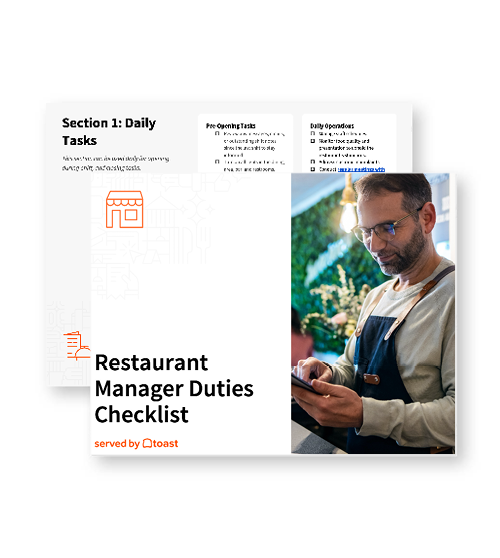
 Restaurant Manager Duties Checklist
Use this free checklist to help streamline daily tasks, make sure weekly duties get completed, and ensure your manager stays organized.
Obtener descarga gratisEffective restaurant management combines strategic leadership, operational efficiency, and financial acumen to create sustainable business success in an increasingly competitive marketplace. The foodservice industry is forecast to reach $1.5 trillion in sales in 2025, with successful restaurants requiring comprehensive management approaches that balance customer satisfaction, staff retention, and profitability.
Modern restaurant management encompasses everything from daily operations and staff leadership to technology integration and financial oversight. 51% of restaurant operators name staffing as their top challenge to success, making effective management practices essential for navigating labor shortages, rising costs, and evolving customer expectations.
In this article, you’ll find everything you need to run a profitable restaurant operation in today's competitive market.
Key takeaways:
Strong leadership requires consistency, leading by example, and cross-training to understand all positions.
Staff retention strategies are crucial with turnover rates near 80% and hiring costs up to $15,000 per manager.
Financial management demands systematic tracking of food costs (30-35% of revenue) and labor optimization.
Technology integration and inventory management reduce waste and improve operational efficiency.
Customer experience trumps price for most diners, making service quality essential for repeat business.
Regular performance monitoring and industry benchmarking drive continuous improvement and growth.
Restaurant Manager Resume Template
Get hired for that dream manager job with the restaurant manager resume template, a customizable Word doc that outlines skills, education, and more.

Building strong leadership foundations
Effective restaurant leadership begins with consistent management practices that create stability and trust among team members. Inconsistency creates anxiety among staff, and when team members never know what mood or expectations managers will have, morale drops and performance suffers, directly impacting guest experiences and operational efficiency.
Restaurant managers must lead by example, demonstrating the work ethic, attitude, and dedication they expect from their teams. Setting the standard through personal actions rather than just verbal instructions builds credibility and respect, creating a positive work environment where employees feel motivated to excel.
Cross-training in various restaurant positions helps managers understand operational challenges and build empathy with team members. Shadowing team members at least once per quarter provides realistic perspectives on workflow inefficiencies and helps managers write standard operating procedures that make practical sense, ultimately improving management effectiveness and staff relationships.
Staff hiring and retention strategies
Restaurant staffing remains one of the most significant management challenges, with turnover rates near 80% across the industry. Successful managers focus on creating positive work environments that attract and retain quality employees through competitive compensation, growth opportunities, and supportive workplace cultures.
It can cost up to $15,000 to hire and train a new manager, making retention strategies crucial for maintaining profitability. Effective retention approaches include flexible scheduling, performance recognition programs, clear advancement paths, and comprehensive benefits packages that address employees' diverse needs.
37% of restaurant workers cite poor management as a primary reason for leaving their jobs, emphasizing the importance of management training programs that focus on leadership development, communication skills, and conflict resolution techniques.
Financial management and cost control
Effective financial management requires systematic tracking of key performance indicators, including food costs, labor expenses, and overall profitability metrics. If you own a restaurant, be sure to have a concrete outline of your financial controls. It’s also important to conduct regular budget reviews to maintain healthy balances between expenditures and income.
Food cost management involves monitoring ingredient prices, tracking portion control, and analyzing menu item profitability. Cost of goods sold typically runs 30 to 35% of revenue, with most restaurants aiming for gross margins of 65 to 70%, making precise cost tracking essential for maintaining target margins.
Labor cost optimization requires balancing adequate staffing levels with operational efficiency. Toast's labor management features help restaurants match sales data with scheduling software, identifying when locations have excessive staffing and enabling more precise labor cost control.
Inventory management and waste reduction
Strategic inventory management reduces waste while ensuring product availability during service periods. Daily sales tracking for inventory purposes enables restaurants to respond to minute-by-minute changes, allowing timely adjustments to inventory planning and delivery schedules.
42% of restaurants are using software solutions to track and minimize food waste, with digital solutions providing real-time visibility into inventory levels and automated reordering capabilities that reduce human error and overstocking.
Seasonal planning helps restaurants optimize inventory levels based on predictable demand patterns. Know your menu inside and out so that you can be aware of how long to keep specific items on the menu. Planning your menus (or at least some items) with seasonal trends in mind prevents waste from items that don't move during off-seasons while ensuring adequate stock during peak periods.
Customer service and experience management
Customer experience management focuses on creating memorable dining experiences that encourage repeat visits and positive word-of-mouth marketing. 64% of full-service customers and 47% of limited-service customers say their dining experience is more important than meal price, emphasizing the importance of service quality over cost considerations.
Training programs should emphasize hospitality skills, product knowledge, and problem-resolution techniques that enable staff to handle various customer situations effectively. Regular team meetings and open communication policies encourage staff to share ideas and concerns, leading to improved service delivery and customer satisfaction.
Guest feedback systems provide valuable insights for operational improvements and staff training needs. Digital ordering platforms and customer data collection help restaurants understand preferences and behaviors, enabling personalized service approaches that enhance customer loyalty and increase lifetime value.
Health and safety compliance
Maintaining health and safety standards requires systematic approaches to cleanliness, food safety, and staff training. Schedule weekly cleaning audits with clear role assignments and automated tracking systems to ensure consistent compliance with health department requirements and prevent costly violations.
Use rotating cleaning checklist templates or management apps to schedule, assign, and verify deep cleaning tasks, ensuring accountability and preventing overlooked areas that could harm health inspection scores or guest experiences.
Staff training programs should cover food safety protocols, allergen awareness, and emergency procedures to maintain safe working environments. Regular training updates and certification renewals help ensure compliance with changing regulations and industry best practices.
Marketing and community engagement
Local marketing strategies build community connections that drive repeat business and word-of-mouth referrals.Deena McKinley, Managing Partner and Founder of Maverick Marketing Solutions, offers sage advice. “Whether you’re giving back to local organizations making a difference or partnering with a long-time community favorite, you’re making yourself a pillar of your community.” She goes on to add that when someone loves where they live, they tend to support businesses who feel similarly. 74% of diners use social media to decide where to eat, making digital marketing essential for attracting new customers and maintaining visibility in competitive markets. Consistent social media presence and engagement help restaurants stay top-of-mind for potential customers.
Customer loyalty programs and personalized marketing approaches increase retention rates and average spending per customer. Data-driven marketing strategies enable restaurants to target specific customer segments with relevant offers and communications that drive repeat visits.
Performance monitoring and improvement
Regular performance reviews help restaurants identify trends, address issues, and capitalize on opportunities for growth. Daily metric reviews, even brief five-minute check-ins, enable managers to track and respond to operational changes, allowing timely adjustments that prevent small issues from becoming major problems.
Short, structured team debriefs after busy periods keep staff sharp and connected while building habits of reflection and shared learning that help prevent recurring operational issues.
Benchmarking against industry standards and competitor performance helps restaurants understand their market position and identify improvement opportunities. Toast's benchmarking platform provides comparative insights on sales, volume, and pricing performance, helping restaurants optimize their strategies based on similar establishments' success metrics.
Plantilla del manual de capacitación
Usa esta plantilla de manual de capacitación para restaurantes, un documento de Word personalizable, para proporcionar a tu personal las reglas, pautas y claridad que necesitan para hacer su trabajo con eficiencia.
FAQ
What are the most important qualities for effective restaurant management? Effective restaurant managers need strong leadership skills, financial acumen, communication abilities, and operational knowledge. They should lead by example, maintain consistency in expectations, understand all restaurant positions, and create positive work environments that retain quality staff members.
How can restaurants improve staff retention in 2025? Improve retention through competitive compensation, flexible scheduling, growth opportunities, positive management practices, and comprehensive benefits. Focus on creating supportive work environments, providing regular feedback, and addressing employee concerns promptly to reduce the industry's typical 80% turnover rate.
What technology should restaurants prioritize for management efficiency? Prioritize integrated POS systems with scheduling, payroll, and inventory management capabilities. Consider automated systems for routine tasks, data analytics for performance insights, and customer management platforms. Start with core operational needs before expanding to advanced features like AI-powered forecasting.
How do restaurants balance food costs while maintaining quality? Monitor food costs daily, track portion control, analyze menu item profitability, and maintain supplier relationships for competitive pricing. Aim for 30-35% cost of goods sold while using inventory management systems to reduce waste and optimize ordering patterns.
What are key performance indicators for restaurant success? Track food cost percentages, labor cost ratios, average check sizes, table turnover rates, customer satisfaction scores, and profit margins. Monitor daily sales trends, inventory turnover, staff productivity, and customer retention rates to maintain operational efficiency and profitability.
How can small restaurants compete with larger chains? Focus on personalized customer service, community engagement, unique menu offerings, and local marketing strategies. Leverage technology for operational efficiency, maintain consistent quality standards, and build strong relationships with regular customers through exceptional dining experiences.



¿Es útil este artículo?
AVISO LEGAL: Esta información se proporciona solo con fines informativos generales y su publicación no constituye un aval. Toast no garantiza la precisión ni la integridad de la información, el texto, los gráficos, los enlaces y otros elementos que incluye este contenido. Toast no garantiza que alcanzarás ningún resultado específico si sigues los consejos que aparecen aquí. Te recomendamos consultar con un profesional, como un abogado, contador o asesor comercial, para recibir asesoramiento específico para tu situación.
 Tendencias

Subscribe to On the line
Sign up to get industry intel, advice, tools, and honest takes from real people tackling their restaurants' greatest challenges.
Al enviar, aceptas recibir correos electrónicos de marketing de Toast. Trataremos tu información de acuerdo con nuestra declaración de privacidad. Información adicional disponible para residentes de California aquí.