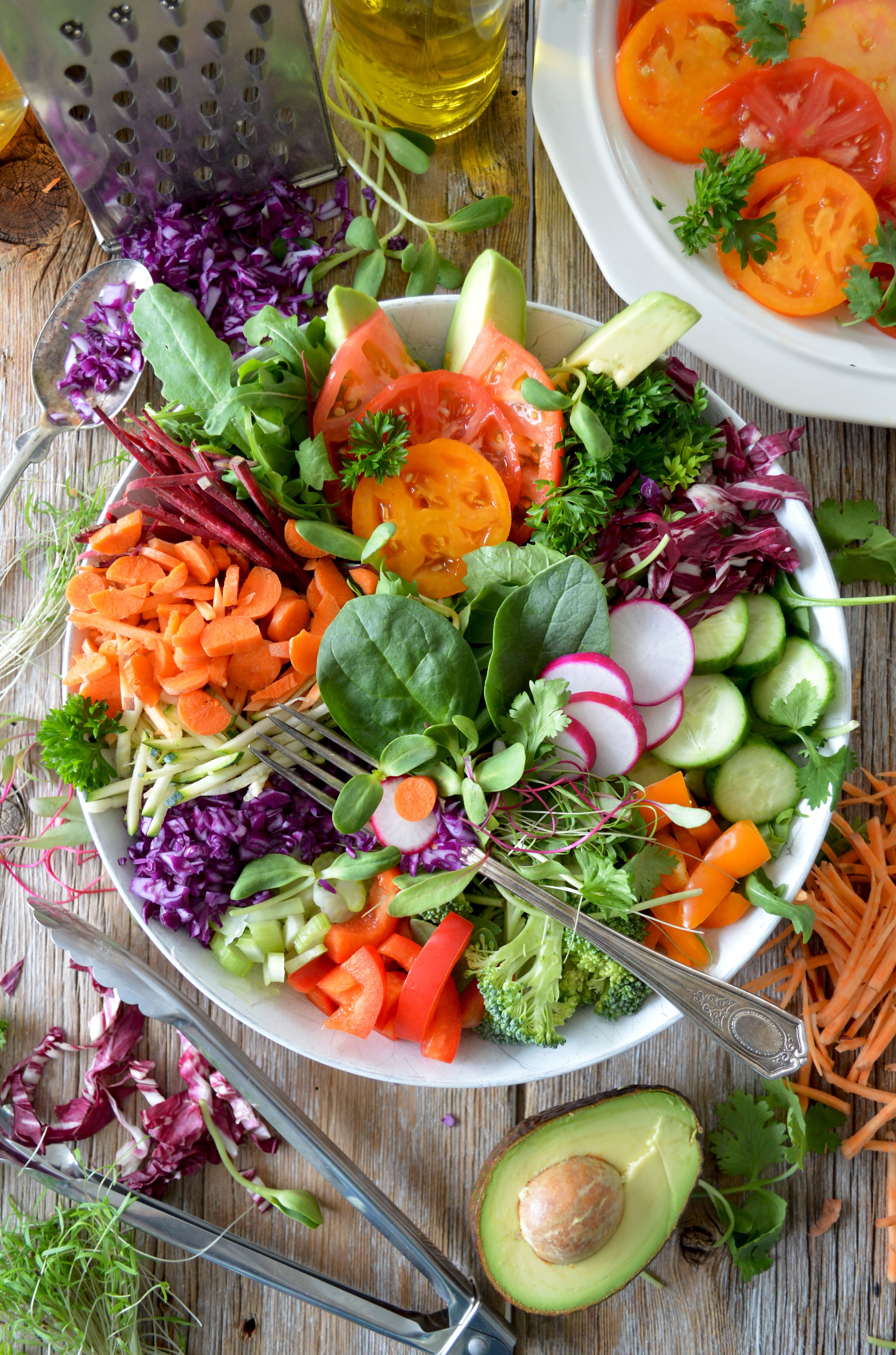
State of Lettuce Prices: Wholesale Restaurant Food Cost Trends
See trends and fluctuations for wholesale restaurant lettuce prices based on proprietary Toast data.

Autor

 RECURSO
 Guía de control de costos para restaurantes
Usa esta guía para obtener más información sobre los costos de los restaurantes, cómo realizarles un seguimiento y las medidas que puedes tomar para maximizar tu rentabilidad.
Obtener descarga gratisLettuce prices may not be top of mind when restaurant operators think of their food costs. But perhaps they should be, as price increases to lettuce can correlate with other produce prices.
Monitoring the restaurant supply chain can help operators forecast price fluctuations, plan their ingredient costs, and set strategic menu prices.
Informe de estadísticas para operadores de restaurantes
Consulta las estadísticas de operadores de restaurantes reales que pueden ayudarte a comparar la infraestructura tecnológica actual y planificada de tu restaurante con la de tus competidores de cara al 2024 y en adelante.


Subscribe to On the line
Sign up to get industry intel, advice, tools, and honest takes from real people tackling their restaurants' greatest challenges.
Al enviar, aceptas recibir correos electrónicos de marketing de Toast. Trataremos tu información de acuerdo con nuestra declaración de privacidad. Información adicional disponible para residentes de California aquí.
Toast is the point of sale system built for restaurants.
We're able to calculate the average monthly prices that eating establishments pay for lettuce by using proprietary data from xtraCHEF by Toast, our invoice automation and recipe costing tool.
The average national price that restaurants paid for a pound of lettuce is $1.46 in August.
Here's a breakdown of historical data on wholesale restaurant lettuce prices in the last year:
Restaurant lettuce prices have been steady over the past year — fluctuating no more than 5% month-over-month in either direction.
Here's a breakdown of recent month-over-month fluctuations in the price of lettuce for restaurants:
Types of lettuce and their uses for restaurants
Lettuce is a versatile ingredient in the culinary world, offering a range of textures and flavors that can enhance a variety of dishes. Here are some common types of lettuce and their uses for restaurants:
Iceberg lettuce: Known for its crisp texture and mild flavor, iceberg lettuce is widely used in classic salads, sandwiches, and burgers.
Romaine lettuce: With its elongated leaves and robust flavor, romaine lettuce is popular for Caesar salads, wraps, and as a base for heartier salads.
Red leaf lettuce: This vibrant lettuce variety adds color and a slightly bitter taste to salads and sandwiches. It can also be used as a decorative element in plate presentations.
Leafy greens: Including varieties like spinach, arugula, and mixed greens, leafy greens offer a range of flavors from mild to peppery. They are commonly used in salads, sandwiches, and as beddings for meat and fish dishes.
Boston bib: Tender, buttery, and slightly sweet, Boston Bibb lettuce is a popular choice for salads and sandwiches.
Understanding the characteristics and uses of different lettuce types can assist restaurant owners and operators in creating diverse and appealing menu options that cater to various customer preferences and dietary needs. Experimenting with different lettuce varieties can help bring freshness and visual appeal to your dishes.
California, New York, and other places that grow lettuce for US restaurants
When it comes to lettuce growers for US restaurants, California and Yuma, Arizona are two significant regions. California, particularly the coastal areas and the Salinas Valley, has a long-standing reputation for producing a large portion of the lettuce crops consumed in the United States. The favorable climate, fertile soil, and advanced agricultural practices contribute to their abundant supply. Yuma, located in southwestern Arizona, also plays a crucial role in lettuce production, especially during the winter months when other regions face colder temperatures.
In addition to California and Arizona, other states like New York, Florida, and Texas contribute to the domestic lettuce supply. These regions have specific growing seasons and microclimates that allow for lettuce cultivation throughout the year. Lettuce crops from these areas help meet the demand for fresh greens in local restaurants and reduce reliance on long-distance transportation.
Furthermore, Mexico plays a significant role in supplying lettuce to US restaurants, especially during the winter months when domestic production is limited. Mexican-grown lettuce is a popular choice due to its proximity and competitive pricing, providing an alternative source for restaurants to maintain a steady supply of fresh lettuce.
By understanding the sources of lettuce production and the seasonality of different regions, restaurant owners and operators can better plan their ordering and menu offerings, ensuring a consistent supply of high-quality lettuce for their customers.
Informe de estadísticas para operadores de restaurantes
Consulta las estadísticas de operadores de restaurantes reales que pueden ayudarte a comparar la infraestructura tecnológica actual y planificada de tu restaurante con la de tus competidores de cara al 2024 y en adelante.
Trending salads that use lettuce
Salads continue to be a popular and versatile menu item for many restaurants, offering a healthy and refreshing option for customers.
Here are some trending green leaf salads that prominently feature lettuce:
Caesar salad: This classic salad includes romaine lettuce or romaine hearts, croutons, Parmesan cheese, and a creamy Caesar dressing. It is often served as a side dish or main course with the addition of grilled chicken or shrimp.
Cobb salad: The Cobb salad combines chopped iceberg or romaine lettuce with grilled chicken, avocado, bacon, cucumbers, hard-boiled eggs, cherry tomatoes, and blue cheese. It is typically dressed with a vinaigrette or creamy dressing.
Asian-inspired salad: This salad incorporates mixed salad greens or Napa cabbage, accompanied by toppings such as mandarin oranges, apples, crispy wonton strips, slivered almonds, and a tangy Asian-inspired dressing.
Southwest salad: A Tex-Mex inspired salad featuring a base of mixed greens or romaine lettuce, topped with black beans, corn, diced tomatoes, avocado, shredded cheese, and a chipotle or ranch dressing.
As consumers increasingly prioritize healthy and flavorful options, these salads have gained popularity in restaurants across the country. Offering a variety of lettuce-based salads on your menu can provide customers with diverse choices, ensuring satisfaction and meeting their dietary preferences.
Incorporating different lettuce varieties, experimenting with unique dressings, and adding interesting toppings can elevate these salads and make them stand out in a competitive dining landscape. Keep up with the latest food trends to stay ahead and cater to evolving customer demands.
Restaurant Invoice Automation Guide
Use this guide to learn more about your restaurant invoices, the value within, and how to consistently and accurately tap into it to make smarter decisions.
Start tracking lettuce prices today
High prices of lettuce and other ingredients can wilt restaurant profits. That’s why restaurateurs should consider having a strong back-of-house foundation built on invoice automation.
Invoices are the single source of truth for restaurant costs — pinpointing prices and fluctuations for individual ingredients as well as paper goods, non-alcoholic beverages, and more.
With accurate and up-to-date ingredient prices from invoices, operators can start calculating plate costs. Plate costing is a detailed exercise that zooms into the recipes and/or individual ingredients that make up a dish — requiring detailed recipe costs and portion costs for ingredients.
Costing exercises can help show how each component is contributing to the overall profitability of a dish or drink. And recipe costing software can help make it easier to calculate and achieve an ideal balance between portions and profits.
Methodology
Toast analyzed monthly invoice items for lettuce from restaurants using xtraCHEF by Toast. Items are weighted by the frequency of orders, not quantity. A standard unit of measure is determined so that an average price can be calculated across all invoice inclusions of the ingredient.
Related Restaurant Opening Resources
¿Es útil este artículo?
AVISO LEGAL: Esta información se proporciona solo con fines informativos generales y su publicación no constituye un aval. Toast no garantiza la precisión ni la integridad de la información, el texto, los gráficos, los enlaces y otros elementos que incluye este contenido. Toast no garantiza que alcanzarás ningún resultado específico si sigues los consejos que aparecen aquí. Te recomendamos consultar con un profesional, como un abogado, contador o asesor comercial, para recibir asesoramiento específico para tu situación.
Subscribe to On the line
Sign up to get industry intel, advice, tools, and honest takes from real people tackling their restaurants' greatest challenges.
Al enviar, aceptas recibir correos electrónicos de marketing de Toast. Trataremos tu información de acuerdo con nuestra declaración de privacidad. Información adicional disponible para residentes de California aquí.