
How To Register a Business: A Simple 10-Step Guide
Starting a business requires the right legal setup from day one. Learn how to register a business step by step, from name to compliance.
Autor
 RESOURCE
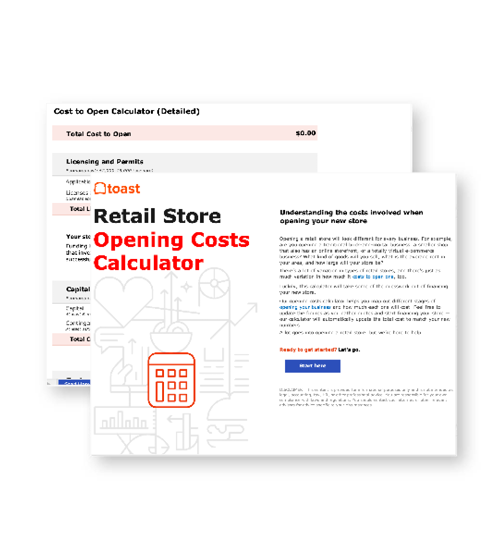
 Retail Store Opening Costs Calculator
This free calculator lays out some of the fundamental financial costs of opening a retail store, so you can start planning and bring your dream business to life.
Obtener descarga gratisRegistering a business means officially establishing your company as a legal entity with the appropriate state and federal agencies. This process allows you to operate legally, pay taxes, open business accounts, and protect yourself from potential liability.
In this guide, you’ll learn how to register a business step by step—from choosing a name and structure to setting up taxes, licenses, and ongoing requirements.
Key takeaways
Registering a business makes your company a legal entity, allowing you to operate, pay taxes, and protect yourself from liability.
Choosing the right business name and structure early impacts your branding, taxes, and legal protection.
Completing key registrations—like EIN, taxes, and licenses—ensures your business can operate legally from day one.
Setting up banking, accounting, and payroll systems helps you manage finances and stay compliant as you grow.
Ongoing compliance, including renewals and filings, is essential to keep your business in good standing.
Retail Marketing Plan
Create a marketing plan that'll drive repeat business with this customizable marketing playbook template and interactive calendar.

1. Choose your business name
Your business name is one of the first decisions you’ll make—and it affects branding, legal registration, and how customers find you. Before settling on a name, make sure it’s available and compliant with state and federal requirements.
Check availability: Search your state’s business registry to ensure the name isn’t already in use, and confirm the domain name and social handles are available.
Trademark considerations: Check the United States Patent and Trademark Office database to avoid infringing on an existing trademark.
DBA (“doing business as”): If you plan to operate under a different name than your legal business name, you may need to register a DBA with your state or local government.
Optional name reservation: Some states allow you to reserve a business name before officially registering, which can be helpful if you’re not ready to file yet.
Choosing the right name early helps you avoid legal issues and rebranding later.
2. Choose a business structure
Your business structure determines how your business is taxed, how much personal liability you have, and how you manage ownership. Choosing the right structure matters because it impacts your taxes, legal protection, and ability to raise capital.
Sole proprietorship: The simplest structure, where the business and owner are the same legal entity. Easy to set up, but offers no personal liability protection.
LLC (Limited Liability Company): A popular option that separates personal and business liability while offering flexible tax treatment.
Partnership: A business owned by two or more people, with shared responsibilities, profits, and liabilities (unless structured otherwise).
Corporation: A more complex structure that offers strong liability protection but comes with more regulations and administrative requirements.
Many business owners also create an operating agreement (for LLCs) or bylaws (for corporations) to define roles, ownership, and decision-making. These aren’t always required, but they’re often highly recommended.
3. Register your business with the state
Once you’ve chosen a name and structure, you’ll need to officially register your business with your state. This step makes your business a legal entity and allows you to operate under your chosen name.
File formation documents: Submit paperwork like Articles of Organization (for LLCs) or Articles of Incorporation (for corporations).
Secretary of State: Most businesses register through their state’s Secretary of State office, usually online.
Filing fees: Fees vary by state but typically range from $50 to a few hundred dollars.
Registered agent requirement: LLCs and corporations must designate a registered agent—a person or service that receives legal documents on behalf of your business.
Depending on your location, you may also need to register at the city or county level.
4. Apply for an EIN (Employer Identification Number)
An Employer Identification Number (EIN) is a unique number assigned to your business for tax purposes. It’s often required to open a business bank account, hire employees, and file taxes.
What it is: A federal tax ID issued by the Internal Revenue Service.
Who needs it: Most LLCs, corporations, partnerships, and any business with employees need an EIN. Sole proprietors may also need one in certain cases.
Free application: You can apply for an EIN online through the IRS at no cost, and approval is typically immediate.
Getting an EIN early helps streamline the rest of your setup, especially banking and payroll.
5. Register for state and local taxes
After registering your business federally, you’ll also need to register for any required state and local taxes. These vary based on your location and the type of business you run.
Sales tax: If you sell goods (and in some states, services), you’ll need a sales tax permit to collect and remit taxes.
Payroll tax: If you have employees, you must register for state payroll taxes, including unemployment insurance and withholding taxes.
State-specific requirements: Some states require additional registrations, such as franchise taxes or gross receipts taxes.
Check with your state’s tax authority to understand exactly what applies to your business.
6. Apply for licenses and permits
Most businesses need one or more licenses or permits to operate legally. Requirements vary widely depending on your industry and location.
General business license: Many cities or counties require a basic license to operate within their jurisdiction.
Industry-specific licenses: Certain businesses—like restaurants, retail shops, or salons—may need additional permits related to health, safety, or professional standards.
Local, state, and federal levels: Some licenses are issued locally, while others come from state or federal agencies, depending on your business activities.
Getting the right licenses upfront helps you avoid fines, delays, or disruptions once you start operating.
7. Open a business bank account
Opening a separate business bank account helps you keep your finances organized and protects your personal assets. It’s also essential for building credibility and managing your business professionally.
Separate finances: Keep personal and business transactions separate to simplify accounting and maintain liability protection (especially for LLCs and corporations).
Required documents: Most banks will ask for your EIN, business registration documents, and possibly an operating agreement or bylaws.
Why it matters: A dedicated account makes it easier to track expenses, file taxes, and present your business as legitimate to vendors and customers.
8. Set up accounting and recordkeeping
Good accounting practices help you understand your financial health and stay compliant with tax requirements. Setting this up early prevents problems later.
Track income and expenses: Monitor cash flow, costs, and revenue in real time.
Prepare for taxes: Keep accurate records to simplify tax filing and avoid penalties.
Use tools and systems: Accounting software or bookkeeping services can automate tracking and reporting.
Establishing a solid system from the start makes it easier to manage growth and make informed financial decisions.
9. Register for payroll (if hiring employees)
If you plan to hire employees, you’ll need to register as an employer and set up payroll systems to stay compliant with labor and tax laws.
State employer registration: Register with your state to handle payroll taxes, including income tax withholding.
Workers’ compensation insurance: Most states require this coverage to protect employees in case of workplace injuries.
Unemployment insurance: Employers must contribute to state unemployment programs that support workers between jobs.
Setting this up early ensures you can hire and pay employees legally and on time.
10. Stay compliant after registration
Registering your business is just the beginning—you’ll need to maintain compliance to keep your business in good standing.
Annual reports: Many states require businesses to file yearly reports to update ownership and contact information.
Renewals: Licenses, permits, and registrations often need to be renewed periodically.
Ongoing filings: Stay current with tax filings, payroll reporting, and any required state or local documentation.
Keeping up with these requirements helps you avoid penalties, maintain legal protections, and keep your business running smoothly.
From concept to company
Registering your business is a critical step in turning your idea into a legitimate company. While the process can feel complex at first, breaking it down into clear steps makes it manageable.
With the right setup in place, you’ll be better prepared to operate confidently, stay compliant, and focus on growing your business.
One Pager Template
Use this easy-to-edit template to create a polished one-pager that highlights the most important details about your business.
FAQ
How long does it take to register a retail business?
It depends on your state and business structure, but many registrations can be completed in a few days to a few weeks, with some online filings processed even faster.
Do I need a separate license to sell retail?
In most cases, yes—retail businesses typically need a general business license and a seller’s permit or sales tax permit to legally sell goods.
Can I register my retail business online?
Yes, most states allow you to register your business, apply for an EIN, and complete tax registrations online through official government websites.
What is a resale certificate and do I need one?
A resale certificate allows you to purchase inventory without paying sales tax, since you’ll collect sales tax from customers when you sell the items; most retail businesses need one.
What’s the difference between a business license and a seller’s permit?
A business license allows you to legally operate in a specific location, while a seller’s permit allows you to collect and remit sales tax on goods you sell.
Do online retailers need to register a business?
Yes, online retailers still need to register their business and comply with tax and licensing requirements, including sales tax rules based on where they operate and sell.
Retail Store Opening and Closing Checklist
Use this free PDF checklist to set your staff up for success, every shift.


¿Es útil este artículo?
AVISO LEGAL: Esta información se proporciona solo con fines informativos generales y su publicación no constituye un aval. Toast no garantiza la precisión ni la integridad de la información, el texto, los gráficos, los enlaces y otros elementos que incluye este contenido. Toast no garantiza que alcanzarás ningún resultado específico si sigues los consejos que aparecen aquí. Te recomendamos consultar con un profesional, como un abogado, contador o asesor comercial, para recibir asesoramiento específico para tu situación.
 Tendencias

Subscribe to On the line
Sign up to get industry intel, advice, tools, and honest takes from real people tackling their restaurants' greatest challenges.
Al enviar, aceptas recibir correos electrónicos de marketing de Toast. Trataremos tu información de acuerdo con nuestra declaración de privacidad. Información adicional disponible para residentes de California aquí.