
Starting a Business Checklist: How To Launch Yours in 10 Steps
Want to start a business but not sure where to begin? Use this starting a business checklist to learn the steps to get up and running.

Autor
 RESOURCE
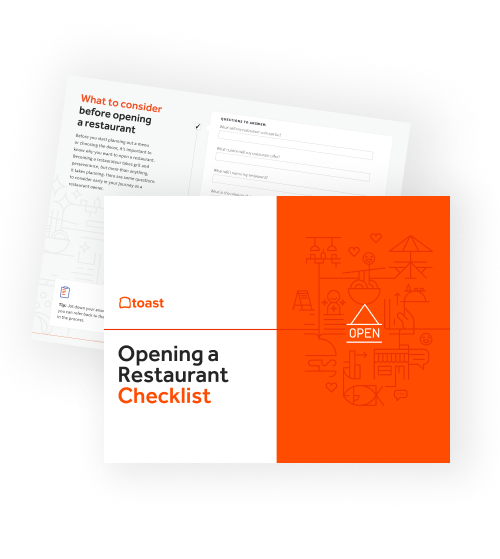
 Opening a Food Business Checklist
So many things go into opening a food business. Use this free PDF checklist to set your new business up for success.
Obtener descarga gratisStarting a business is one of the most exciting steps you can take — but it can also feel daunting. Between shaping your idea, figuring out finances, and handling paperwork, there’s a lot to juggle.
The good news? Breaking the process into smaller steps makes it much more manageable.
This checklist is designed to guide you from the spark of an idea to opening your doors (or launching your website). Whether you’re starting a retail shop, a restaurant, or a service-based business, these steps will help you stay organized, focused, and ready for what comes next.
Key takeaways
Define what you’re offering, who you’ll serve, and what sets you apart.
Use market research to understand competitors, customers, and opportunities.
Map out operations early — from supply chain and staffing to tools like POS and accounting.
Choose the right business structure, estimate startup costs, and outline funding needs.
Pull everything together in a business plan, handle legal basics, secure financing, and plan your launch.
1. Clarify your business idea
Having a clear business idea prevents you from spreading yourself too thin later. It gives your brand direction, makes marketing easier, and sets the stage for everything from operations to financing. As Glenn Gutek, CEO of Awake Consulting and Coaching, explained:
“In the words of Simon Sinek, ‘always start with why.’ In this process, it may be wise to differentiate between [whether] the business serves a personal ‘why’ or a marketplace ‘why.’ When your why is focused on meeting a need in the marketplace, the scope of your business will always be larger than a business that is designed to serve a personal need.”
Define what you’re offering. Be specific about the product or service at the heart of your business. Are you selling a physical product, offering a service, or running a hybrid model?
Identify your target customer. Who will buy from you, and what need are you meeting for them? Think about age, lifestyle, location, and buying habits.
Pinpoint the problem you’re solving. Businesses succeed when they provide real value. Ask yourself: what frustration, inconvenience, or gap in the market are you addressing?
Think about what makes you unique. Competition exists in every industry, so consider what differentiates your idea. It could be pricing, convenience, customer experience, design, or values.
2. Research the market
Market research helps you understand the landscape you’re entering. It shows whether your idea has real demand, what competitors are doing, and where opportunities exist. Skipping this step can leave you guessing. Strong research, on the other hand, makes your decisions informed and strategic. Stephen Chirello, owner of Steve Chirello Advertising, explained:
“Prospective business owners need to do an objective and thorough analysis of their competitors. This may sound obvious, but in some cases, it’s too easy to be so in love with your idea that you may disqualify or downplay your competition.”
Study your industry. Look into trends, growth potential, and common challenges in your field. Industry reports, trade publications, and even Google Trends can give you a snapshot of what’s happening now and what’s ahead.
Analyze competitors. Who else is offering something similar? Visit their websites, read reviews, and note their strengths and weaknesses. Competitor research can spark ideas for how to differentiate yourself.
Understand your customers. Go beyond demographics — think about your target audience’s motivations, pain points, and buying habits. Surveys, interviews, or even informal conversations can provide valuable insights.
Look for gaps or opportunities. Ask yourself: where are customer needs not being met? Is there a local shortage, a pricing gap, or a customer segment being overlooked?
Start thinking about positioning. Based on your research, consider where your business fits. Will you compete on price, convenience, quality, or niche focus? This early thinking will help you refine your strategy later.
3. Plan your operations
Strong operations ensure you can deliver on your promises to customers. By mapping them out early, you’ll be better prepared to scale smoothly and avoid costly bottlenecks later.
Decide on your business setup. Will you operate from a physical storefront, online, or both? A retail shop or restaurant might require a leased space, while service-based businesses may run primarily online.
Map out your supply chain. Identify the suppliers, wholesalers, or vendors you’ll rely on for products, ingredients, or materials.
Plan your technology stack. Think about the tools you’ll need to operate efficiently:
Point of sale (POS) system for transactions.
Accounting software to manage finances.
Inventory management tools to track stock levels.
Scheduling or project management software if you’ll be coordinating teams.
Think through staffing needs. Do you need employees right away, or can you start solo? If you’ll hire, consider roles, responsibilities, and training needs.
Outline daily workflows. From opening procedures to customer service protocols, think about what a “day in the life” of your business looks like. This will help you anticipate challenges and identify where systems or tools can create efficiency.
4. Build your brand foundation
Your brand is often the first impression people have of your business. A clear, consistent identity makes marketing easier, builds loyalty, and helps your business resonate with the right audience.
Brainstorm names and visuals. Choose a business name that’s easy to remember, legally available, and aligned with your mission. Start sketching ideas for logos, colors, and design elements that reflect your style and industry.
Define your brand values. Think about the principles you want your business to represent — affordability, quality, sustainability, innovation, hospitality, or community.
Develop your brand voice. How do you want to sound when communicating with customers — friendly, professional, playful, or bold? Consistency in tone across your website, social media, and in-person interactions helps build recognition.
Plan how you’ll connect with customers. Decide where your audience spends time and how you’ll reach them. That might mean social media platforms, local events, or community partnerships.
Outline early marketing tactics. Create a simple starter plan:
Launch a website or landing page.
Claim business profiles on Google and social platforms.
Spread the word locally with flyers, networking, or community involvement.
5. Choose your business structure
The structure you choose for your business affects everything from your taxes to your personal liability. It’s one of the most important early decisions you’ll make, and while you can change later, choosing wisely now can save headaches down the road.
Understand your options. Common business structures include Sole Proprietorship, Limited Liability Company (LLC), or Corporation (C Corp or S Corp).
Weigh liability and taxes. Consider how much personal protection you need and how you’d like your profits to be taxed. For example, an LLC separates personal and business liability, while a corporation may lower tax liability but involves stricter compliance.
Think about your long-term goals. If you’re starting small, a sole proprietorship or LLC may make sense. If you plan to seek investors, a corporation may be more appropriate.
Research local requirements. States and municipalities have different rules for registering each type of structure. Check your state’s website for filing details and fees.
6. Estimate startup costs and funding needs
Before you can launch, you need a realistic picture of what it will cost to get started. Estimating your expenses early helps you avoid surprises, decide whether outside funding is necessary, and build a roadmap for profitability.
List your expected expenses. Typical startup costs may include lease deposits, utilities, equipment and supplies, inventory, marketing, and professional services.
Separate one-time vs. ongoing costs. One-time costs (like renovations or licenses) are important to track, but ongoing costs (like rent, payroll, and inventory restocks) determine your long-term sustainability.
Consider your funding sources. Think about how you’ll cover expenses, whether with personal savings, small business loans, grants, investors, or crowdfunding
Sketch out your financial picture. Create a simple spreadsheet of costs and potential revenue. This will help you decide how much you need to raise and when you’ll likely break even.
7. Draft your business plan
Your business plan pulls everything together into one document. It’s both an internal roadmap to keep you on track and an external tool for showing lenders, investors, or partners that you’ve thought through the details.
Compile insights from earlier steps. Bring together your business idea, market research, operations plan, brand foundation, legal structure, and financial estimates into a single place.
Include key sections. A strong business plan typically covers:
Executive summary: a short overview of your vision and goals.
Business description: what you offer and who you serve.
Market analysis: highlights from your industry and competitor research.
Operations plan: how you’ll deliver your product or service.
Marketing plan: your brand identity and customer outreach strategy.
Financial plan: startup costs, revenue projections, and funding needs.
Tailor it to your needs. A simple one-page plan may be enough for a solo startup, while a detailed, multi-section plan may be necessary if you’re seeking outside financing.
Use it as a living document. Update your business plan as your business grows, your market changes, or your goals evolve.
Retail Store Opening Costs Calculator
This free calculator lays out some of the fundamental financial costs of opening a retail store, so you can start planning and bring your dream business to life.

8. Take care of legal and administrative basics
With your plan in place, it’s time to handle the paperwork that makes your business official. These steps may not be as exciting as branding or marketing, but they’re essential for staying compliant and protecting yourself.
Register your business name. Make sure your chosen name is legally available in your state. Depending on your structure, you may need to file a “Doing Business As” (DBA) name if your operating name differs from your legal name.
Apply for an EIN (Employer Identification Number). Issued by the IRS, this number functions like a Social Security number for your business. You’ll need it for hiring employees, paying taxes, and opening a business bank account.
Secure necessary permits and licenses. Requirements vary by industry and location. For example:
Restaurants may need health department approvals.
Retailers may need sales tax permits.
Service businesses may require professional licenses.
Look into business insurance. Policies like general liability, property, or workers’ compensation protect you from risks that could otherwise be devastating.
Set up financial systems. While not always required by law, opening a dedicated business bank account and setting up bookkeeping from day one will keep your finances clean and organized.
9. Secure financing (if necessary)
If your startup costs are more than you can cover on your own, financing can bridge the gap. By this stage, you’ll already have a business plan and cost estimates, which serve as powerful tools to present your case to lenders or investors.
Leverage your business plan. Use it to show potential lenders or investors that you’ve thought through your idea, researched your market, and mapped out your financials. A clear, professional plan builds credibility.
Explore different funding sources. Depending on your business and goals, options may include:
Small business loans from banks or credit unions.
SBA (Small Business Administration) loans, which often offer favorable terms.
Grants from government programs or nonprofits (especially for niche industries or underserved communities).
Investors (angel investors, venture capital, or community-based investors).
Alternative funding like crowdfunding platforms or peer-to-peer lending.
Compare terms carefully. Look at interest rates, repayment schedules, equity requirements, and eligibility criteria before committing.
Finalize your startup budget. With financing in place, revisit your cost estimates. Make sure your funding covers essential startup needs, with a buffer for unexpected expenses.
10. Prepare for launch
After months of planning, it’s time to bring your business to life! A thoughtful launch strategy ensures you don’t just open your doors (or website) but also generate buzz and attract your first customers.
Set realistic timelines and milestones. Map out your launch date and work backward to identify key tasks — finalizing permits, receiving equipment or inventory, training staff, testing systems, and setting up your space or site.
Decide on your launch style. Consider whether to:
Soft launch: open quietly with limited customers to test operations, gather feedback, and make adjustments.
Grand opening: host a larger event or campaign to build excitement and draw in the community right away.
Plan your early marketing. Start building anticipation before you launch:
Post teasers or behind-the-scenes updates on social media.
Send announcements through email or local press.
Offer promotions, discounts, or giveaways to encourage trial.
Engage your community. Partner with nearby businesses, host an opening event, or connect with local organizations to spread the word.
From checkmarks to checkouts
Starting a business is a big step, but it doesn’t have to feel overwhelming. By breaking the process into clear, manageable stages, you can move from idea to launch with confidence. As entrepreneur Neri Karra Sillaman puts it:
“True longevity is achieved when you strike the right balance between stability and adapting to changing customer needs and market conditions. Business longevity isn’t about constant sailing in calm waters but rather being able to survive fierce storms through course correction.”
Remember, you don’t need to have every answer from day one. Take it step by step, stay flexible, and keep learning along the way.
Retail Marketing Plan
Create a marketing plan that'll drive repeat business with this customizable marketing playbook template and interactive calendar.
¿Es útil este artículo?
AVISO LEGAL: Esta información se proporciona solo con fines informativos generales y su publicación no constituye un aval. Toast no garantiza la precisión ni la integridad de la información, el texto, los gráficos, los enlaces y otros elementos que incluye este contenido. Toast no garantiza que alcanzarás ningún resultado específico si sigues los consejos que aparecen aquí. Te recomendamos consultar con un profesional, como un abogado, contador o asesor comercial, para recibir asesoramiento específico para tu situación.

Subscribe to On the line
Sign up to get industry intel, advice, tools, and honest takes from real people tackling their restaurants' greatest challenges.
Al enviar, aceptas recibir correos electrónicos de marketing de Toast. Trataremos tu información de acuerdo con nuestra declaración de privacidad. Información adicional disponible para residentes de California aquí.