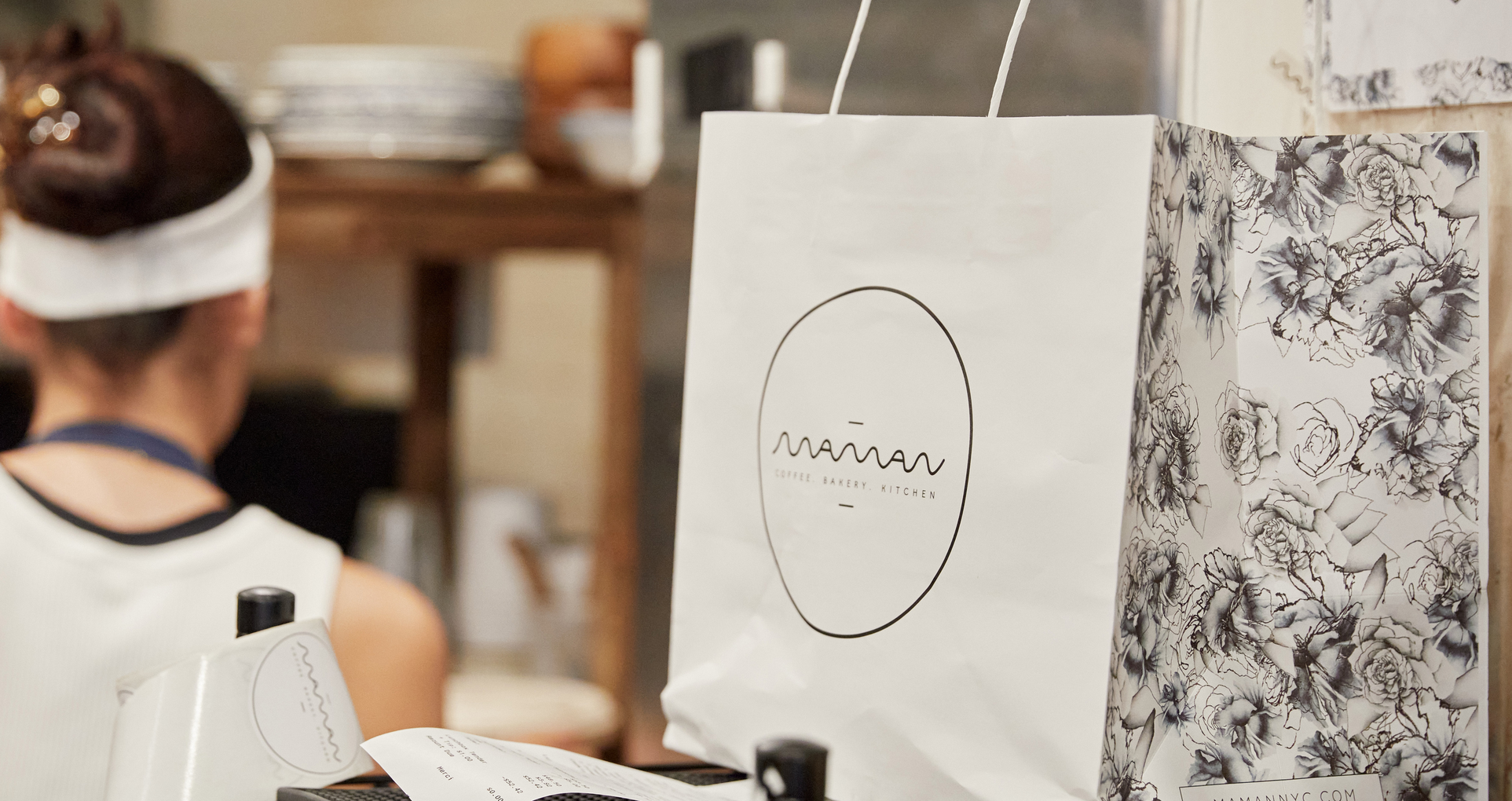
What Is Curbside Delivery? How It Works & Tips for Success
Learn what curbside delivery is and how it works. Discover why it can help your business, real-life examples, and tips for successful implementation.
Autor

 RECURSO
 La Guía de venta para restaurantes
En esta Guía de venta para restaurantes, aprenderás las métricas que necesitas para comprender el estado financiero de tu restaurante. Además, encontrarás muchísimas ideas geniales que te ayudarán a mejorar las ventas.
Obtener descarga gratisWhether you run a restaurant or a retail store, customers expect a frictionless purchasing experience. One of the best ways to meet them where they are—both figuratively and literally—is curbside delivery.
In fact, off-premise dining now accounts for 60% of all restaurant traffic, including takeout, delivery, and curbside pickup. That means curbside delivery isn’t just a nice-to-have—it’s a key part of how guests want to order.
Keep reading to learn what exactly curbside delivery is, how it works, and why it’s worth considering for your business.
Key takeaways
Curbside delivery offers a fast, contactless experience that meets modern customer expectations.
It’s a low-cost, in-house alternative to third-party delivery platforms.
Clear communication and designated parking zones are key to smooth curbside operations.
Businesses from restaurants to libraries have successfully implemented curbside delivery.
With the right tools and training, curbside delivery can improve efficiency and boost customer satisfaction.
What is curbside delivery?
Curbside delivery is a service where customers place orders in advance—typically online or by phone—and have their items brought directly to their vehicle upon arrival. It’s a popular option for restaurants and retailers looking to offer convenience without the need for third-party delivery apps or in-store foot traffic.
In some industries—like furniture, appliance, or freight delivery—curbside delivery refers to a different process: bringing large items to the curb or end of a driveway, but not inside the home or business. While that definition is common in logistics, the restaurant world uses the term differently.
In hospitality and food service, curbside delivery is all about enhancing the pickup experience by making it as fast, seamless, and contactless as possible. Customers pull up, notify the business, and staff walk the order out to the car. No waiting in line, no searching for parking, no hassle.
La Guía de venta para restaurantes
En esta Guía de venta para restaurantes, aprenderás las métricas que necesitas para comprender el estado financiero de tu restaurante. Además, encontrarás muchísimas ideas geniales que te ayudarán a mejorar las ventas.

Curbside delivery vs. curbside pickup
The terms curbside delivery and curbside pickup are often used interchangeably, but there are subtle differences worth noting, especially when it comes to setting customer expectations.
Curbside delivery is staff-initiated. A team member brings the order directly to the customer’s car once they arrive and check in. It’s proactive, convenient, and often feels more like a personalized service.
Curbside pickup is generally customer-initiated. The guest may park in a designated spot, then follow signage or use a phone number or app to notify the restaurant they’ve arrived. In some cases, they may even need to step out and grab their order from a designated pickup table or window.
In practice, many businesses blur the line between the two. What matters most is being consistent and clear in your messaging. Whether you call it pickup or delivery, ensure guests know exactly what to do when they arrive—and what kind of experience to expect.
How does curbside delivery work?
Curbside delivery starts before the customer ever pulls up to the curb. It’s a streamlined system that combines online ordering, clear communication, and fast handoff. Here’s how it typically works:
The customer places an order: Customers place orders online, through a mobile app, or by phone. During checkout, they select “curbside delivery” and provide vehicle details (like make, model, and color) to help staff identify them.
The customer drives to the restaurant: Once the order is ready, the guest receives a notification or estimated pickup time. They arrive and park in a designated curbside spot, usually marked with signage and instructions.
The customer checks in: Using a link, an app, or a phone call, the customer lets the restaurant know they’ve arrived.
A staff member brings out the order: With vehicle details in hand, a team member delivers the order directly to the car, either handing it through the window or placing it in the trunk or backseat for a contactless experience.
The customer drives off happy: No lines, no waiting inside, and no extra delivery fees. Just a fast, frictionless handoff that keeps the experience efficient for both guests and staff.
Why should your business use curbside delivery?
Curbside delivery may have gained popularity during the pandemic, but this restaurant industry trend is here to stay. It’s a smart, sustainable service model that continues to deliver value for restaurants, retail businesses, and their customers. Here’s why it’s worth considering:
Convenience keeps customers coming back: In today’s on-the-go world, guests appreciate options that save them time. Curbside delivery eliminates the need to park, wait in line, or even leave the car.
It’s a low-cost alternative to third-party delivery: By keeping orders in-house, you avoid third-party delivery fees that cut into your margins. Plus, you stay in control of the guest experience—from packaging to punctuality.
Improved order accuracy and customer satisfaction: Since there’s no middleman, your team handles the order from start to finish. That means fewer mistakes, faster service, and more opportunities to delight customers face-to-face (or car-to-car).
Competitive differentiation: Not every local restaurant offers curbside delivery, and that gives you an advantage. Promoting this service can attract busy families, office workers, and guests who want quick service without the fast food feel.
Examples of curbside delivery
Many restaurants have embraced curbside delivery to adapt to changing customer preferences and operational challenges. Here are a few notable examples:
Chick-fil-A: This fast-food chain has streamlined its curbside service by integrating it into its mobile app. Customers can place orders, select "curbside" as the pickup option, and park in designated spots. The app notifies staff upon arrival, ensuring a swift handoff without the need for customers to leave their vehicles.
CLICK2GO: The U.S. Military’s Defense Commissary Agency (DECA) rolled out Commissary CLICK2GO at Fort Rucker as part of a global curbside initiative. Eligible shoppers place their grocery orders online, select a pickup time, and park in designated spots where commissary workers bring the groceries to their vehicle—no need to step inside.
Insight: According to Store Director Marisol Hennessey, “This service really speaks to the needs of our customers who can now plan, order and pay... and then just drive to the store to get them without having to get out of their vehicle.”
UC Riverside Library: When in-person access was limited, UC Riverside became the first University of California campus to pilot a curbside delivery system for its library. Students, faculty, and community members ordered materials online, then parked outside the Tomás Rivera Library to receive books through a safe, contactless handoff.
Insight: Vincent Novoa, the university’s Head of Access Services, said, “We devised a workable solution that follows the campus model of putting patron and staff safety first, while still giving our community what they need as much as possible.”
Tips for implementing curbside delivery
Ready to roll out curbside delivery at your restaurant or retail store? Here are some tips to make it work:
Designate clear curbside pickup zones: Reserve a few convenient parking spots close to your entrance. Use bold signage to direct drivers where to park and how to check in.
Train staff for speed and accuracy: Make sure your team knows the handoff process inside and out—from checking order names and vehicle details to confirming everything is correct before walking it out.
Use tech to streamline communication: Leverage an online ordering platform to simplify everything from order placement to arrival check-ins.
Create a clear workflow: Establish who’s responsible for tracking arrivals, packing orders, and bringing them out. Assign roles so nothing slips through the cracks during busy times.
Keep customers informed: From your website to your confirmation emails, give customers clear, step-by-step instructions. The smoother it feels, the more likely they are to use the service again.
Ask for feedback and adjust: After a few weeks, check in with your team and your customers. What’s working? What’s not? Small tweaks can make a big difference in long-term success.
Curbside delivery drives results
Curbside delivery is a smart, scalable way to meet your customers where they are. Whether you’re running a full-service restaurant, a quick-service spot, or even a specialty retail store, offering curbside delivery can boost efficiency, increase customer satisfaction, and give your business a competitive edge!
¿Es útil este artículo?
AVISO LEGAL: Esta información se proporciona solo con fines informativos generales y su publicación no constituye un aval. Toast no garantiza la precisión ni la integridad de la información, el texto, los gráficos, los enlaces y otros elementos que incluye este contenido. Toast no garantiza que alcanzarás ningún resultado específico si sigues los consejos que aparecen aquí. Te recomendamos consultar con un profesional, como un abogado, contador o asesor comercial, para recibir asesoramiento específico para tu situación.
 Tendencias


Subscribe to On the line
Sign up to get industry intel, advice, tools, and honest takes from real people tackling their restaurants' greatest challenges.
Al enviar, aceptas recibir correos electrónicos de marketing de Toast. Trataremos tu información de acuerdo con nuestra declaración de privacidad. Información adicional disponible para residentes de California aquí.