
The London Restaurant Industry Insights & Predictions for 2026 You Cannot Miss
This blog key London restaurant industry trends & predictions for 2026.
Author
As 2026 takes shape, we’ve seen varying trends emerge within the UK restaurant industry, from financial challenges to shifts in consumer habits. But in London at least, things are off to a strong start, with Knife & Fork Media Founder Adam Hyman commenting that he has been “intrigued to see how busy some places have been in a notoriously quieter trading period for restaurants.”
Adam’s observation that Londoners still have an appetite for eating out, even during those cash strapped first months of the year, is hopefully a positive signal for the rest of 2026. Better still, restaurants are continuing to open in London, which is yet another sign that things aren't slowing down. In fact, 2025 saw the highest number of new restaurant openings since 2017 in London, despite the industry facing a range of pressures. And openings like Bethnal Green’s Tiella in January 2026 have brought real excitement to the industry, with Italian spot subsequently being named London’s best new restaurant.
So, as we move deeper into 2026, what does the landscape and trajectory look like for London's restaurants? To gain more insight, we spoke to those who know best - London’s hospitality thought leaders. For an overview of the trends and predictions for the London restaurant market in 2026, keep reading.
London Restaurant Market 2026 | 6 Macro Trends to Know
Staying agile is key as a London restaurateur. Here are some defining trends & predictions that’ll impact the future of London dining in 2026 and beyond.
1. Hospitality Will Continue to be Impacted by Economic Conditions
A recent Toast report revealed that over 50% of UK restaurant owners think that rising ingredient and energy costs will be the biggest challenge that restaurants face in 2026.
In the UK we know that for restaurants, 2025 was defined by turbulent markets, rising costs and labour challenges. And the impact of this has left its mark. A recent survey has revealed that one in five UK hospitality businesses fear collapse in the next 12 months.
In a city like London, everything from rent to the cost of ingredients is higher compared to the rest of the UK. So, the financial burden of running a restaurant in London is magnified for local operators. This reality hasn’t gone unnoticed by Restauranteur and Restaurant Consultant Jon Spiteri. He notes, “speaking with restaurateurs and management in a number of hospitality businesses in the last few weeks I fear everyone continues to have a difficult time with costs”.
Case in point is the closure of Bethnal Green’s much-loved and highly-regarded vegetarian pizza joint Flat Earth Pizza. The owners cited “ever spiralling operating costs” as their reason for shutting up shop, bringing into sharp focus the harsh financial realities of running a restaurant in London’s economy.
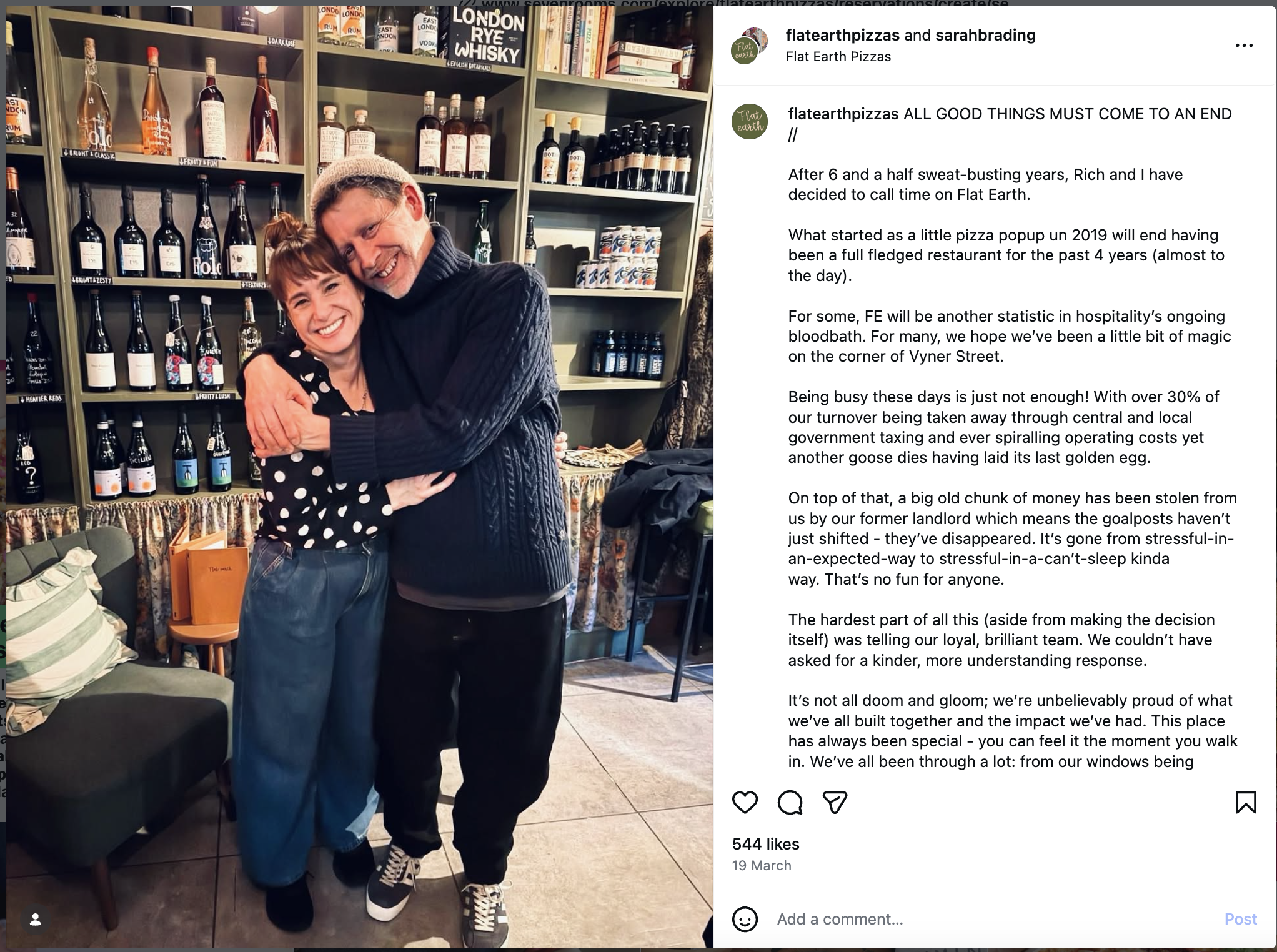
But it’s not all doom and gloom. Despite the turbulent financial headwinds, in what remains of 2026, Jon foresees that “hospitality will adapt to the situation and keep nimble.” Whether that involves using seasonal ingredients to keep menu costs down, cross-training staff to cover multiple roles during quiet shifts to save on staff costs, or leveraging POS data to reduce waste, there are many ways to reduce restaurant running costs.
2. Diners Will Increasingly Focus on Affordability & Value for Money
According to Jon Spiteri, “value for money and exceptional service and generosity will be key to a successful 2026.” It’s all about “low expectation, high satisfaction” this year.
As the cost of living continues to bite, research has shown that diners are making promotions and discounts a default part of their dining experience. The reality is, the value play is becoming key to how and where people choose to dine out nowadays.
In practical terms, this could mean leaning into price-focussed meal deals that entice customers, which is how east London burger pop up Patty and Pickle do it:
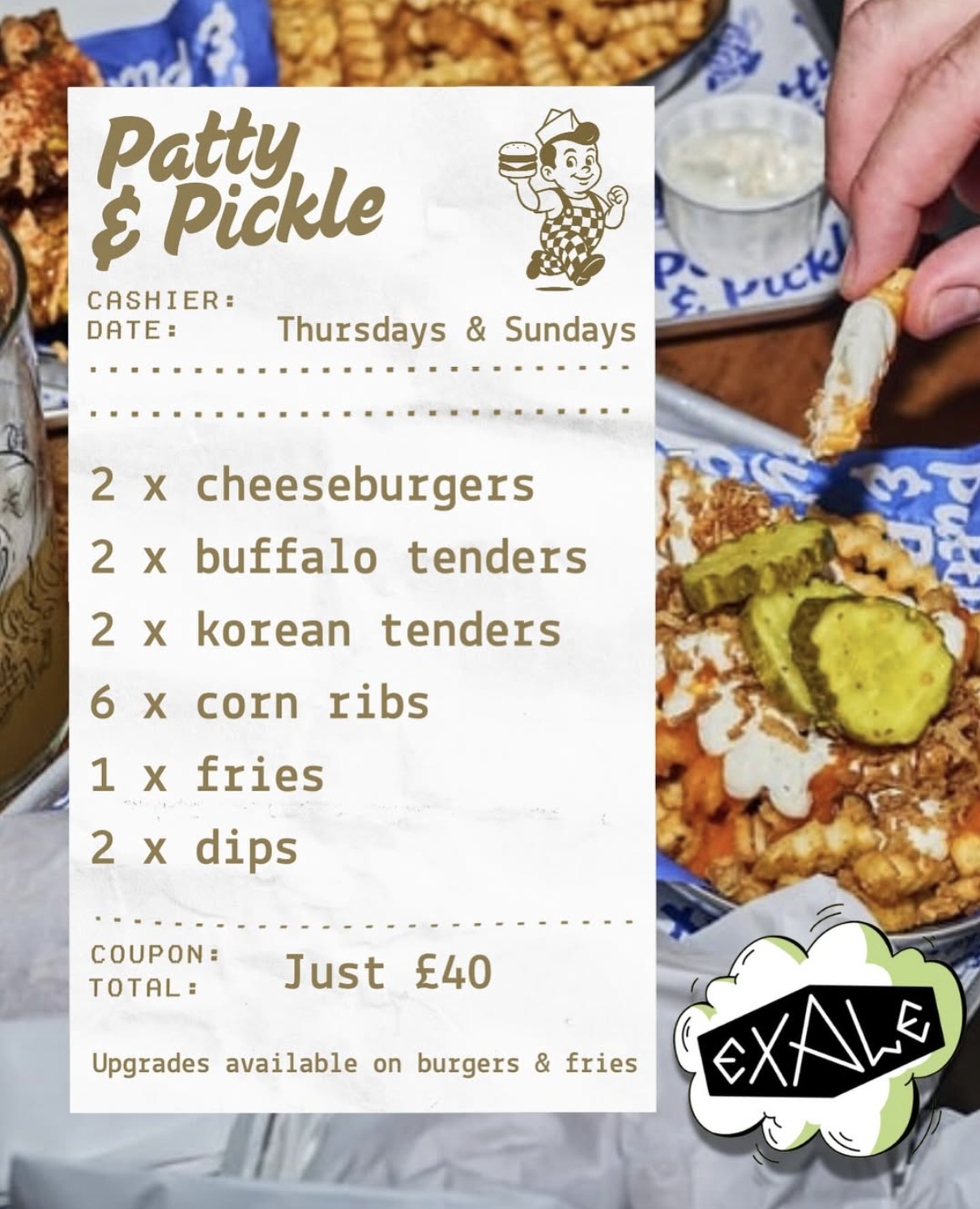
Image source As long as value for money is king, Adam Hyman has predicted the increased prevalence of the set menu - “a lot of restaurants are doing set menus today and I feel like this will continue in 2026”. And indeed, plenty of London restaurants have rolled out set menus to keep costs down and encourage customers to come back. Bibi in Mayfair, Sushi Atelier and Noble Rot Soho are some of the best-rated examples.
Restaurant Metrics Calculator
Use this free calculator to calculate the key restaurant metrics needed to understand the health and success of your business.

3. AI in Restaurants Will be a Consistent Theme
The AI buzz hasn’t spared the hospitality industry. From London’s AI waiters that encourage diners to spend 5% to 10% more per sitting, to inventory software that reduces food waste, there are now AI tools that can help with every area of running a restaurant. That includes demand forecasting and inventory to labour scheduling, menu design, marketing and guest experience.
For Amir Shahin the Digital Transformation Manager at Noble Restaurant Group, AI adoption is key to his strategy this year - “In 2026, my main priority is creating a scalable restaurant tech stack, which includes tech that works with AI.”
Amir’s experience tracks with research by Toast, which revealed that 80% of restaurant operators were at least “somewhat ready” to adopt new technologies in 2026. Six out of ten operators have reported that they want to use AI to enhance the customer experience. But, what's becoming clear is that AI will change the way restaurant work is performed and how the restaurant experience is delivered, perhaps sooner than we thought.
4. The Customer Experience Continues to be Central
London restaurants are famed for how they create unique experiences for their guests. From the 50 year old steak house Rowleys in Soho that oozes old school, fine-dining charm, to Cahoots, the 1940s bar experience set in an immersive underground station, London has it all.
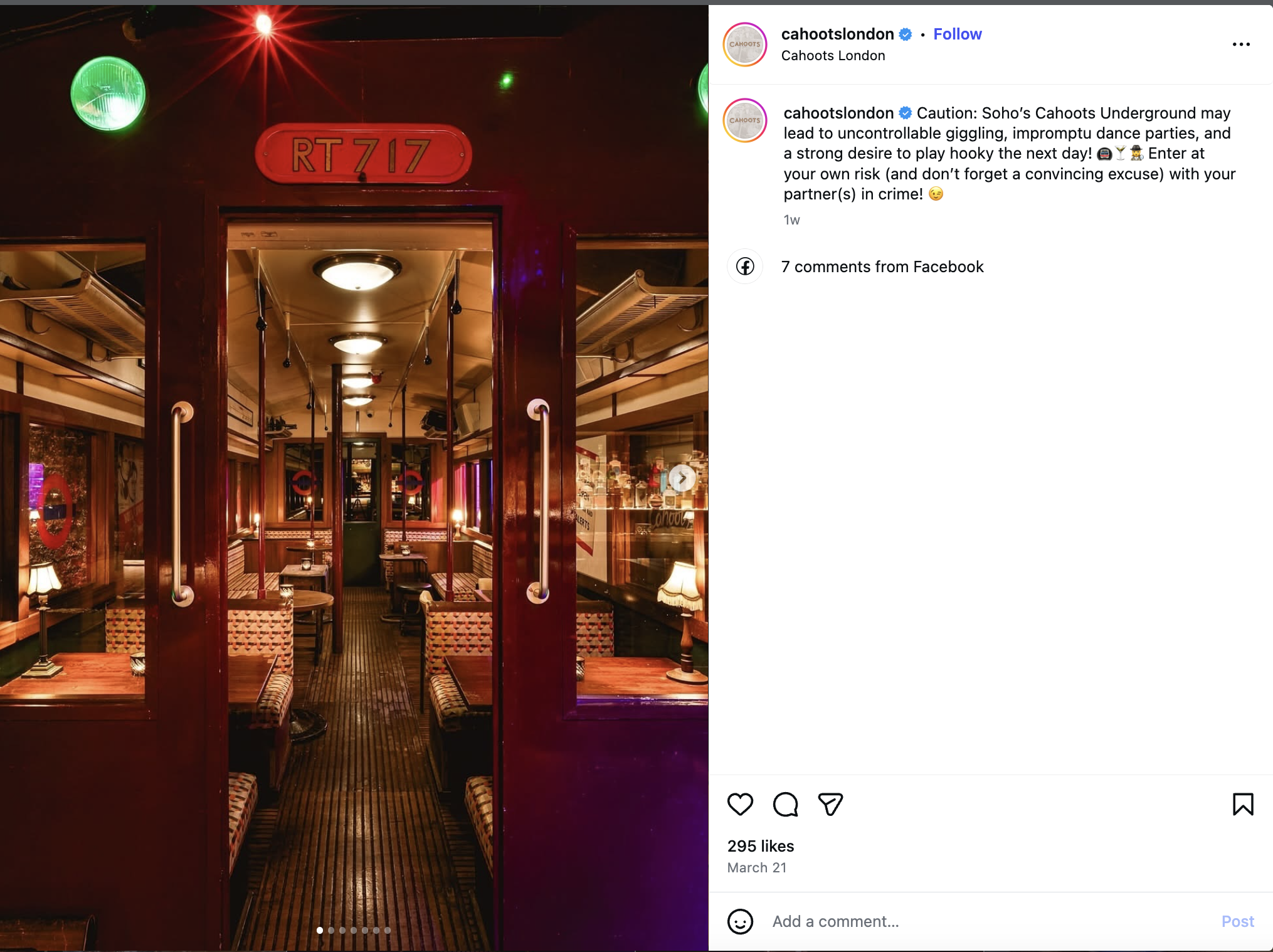
But the reality is, in today’s age of quick-delivery services and fast food, diners want exceptional experiences that keep pace with their busy schedules. Impeccable service, from food to payments, are non-negotiable in the mission to turn one-time visitors into repeat customers.
This hasn't gone unnoticed by operators. Katherine Hanel-Thomson, General Manager at Michelin starred Thai-European culinary concept Anglothai, told us, “In 2026, it’s all about the guest experience. Driving repeat customers is our top priority. Tech data from sources like our POS system are vital to forming the overall picture.”
A recent toast survey revealed that in 2026, 31% of operators said they would be making improvements to the customer experience, while 21% wanted to improve speed and efficiency at their restaurant. Achieving this starts by putting your customers at the centre of everything you do.
Step 1: Choose a POS system that leverages loyalty programmes, marketing, and real-time analytics to help your restaurant understand its customers, encourage repeat visits, and support strategic decisions. The reality is, as Adam Hyman notes, that, “this year will continue to reward the independent operators who offer the best hospitality, service and experience.”
5. Social Hours are Evolving
The post-pandemic London economy has created many new challenges for restaurant owners. According to Ratnesh Bagdai, Co-Founder and Co-owner of Brindisa Kitchens and Bar Krokteta, “Since the pandemic, the way that people socialise on weekday evenings has changed. People just don’t seem to be staying out as late at all, and the fund factor is missing.”
If Londoners are eating out earlier, there are steps that restaurant operators can take to meet diners where they are, whilst still maximising revenue per cover. For example, by training staff to upsell and offer add-ons like aperitivo before the meal or coffee after.
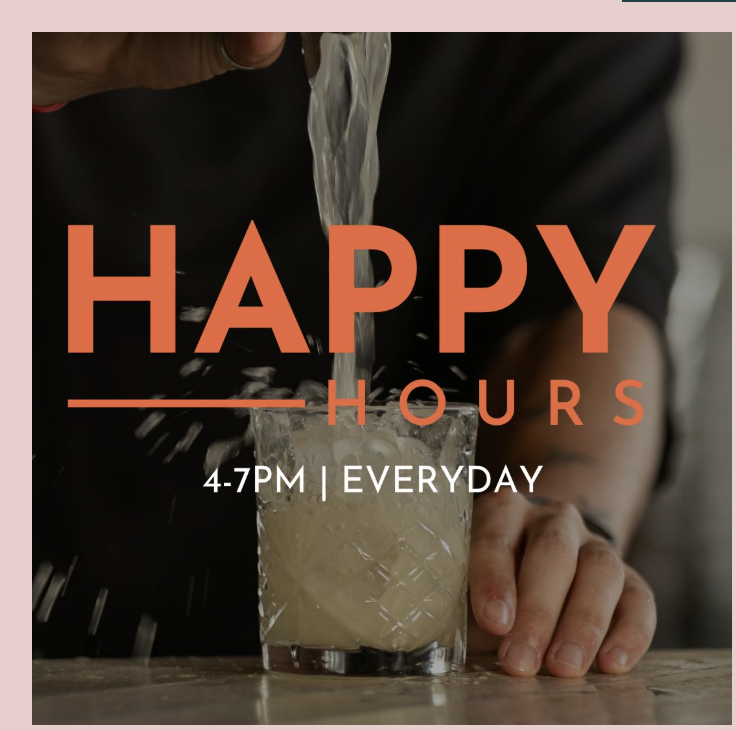
Offering a daily happy hour like Exhibit Balham is also a sure-fire way to get customers through the door at a time that suits them.
6. There’s an Increased Focus on Sustainability
According to Toast data, 80% of UK restaurant operators said they’re going to be focusing on sustainable and ethical sourcing in 2026. And, London’s consumers increasingly paying attention to ethical ingredients and business practices, too. In fact, 41% of consumers are likely to choose a restaurant or pub based on its sustainability practices.
If you need inspiration on what a sustainable restaurant model can look like, you should take a look at restaurants like Fallow in London’s West End that grow and serve their own produce. They follow a practice called ‘conscious gastronomy’ which is an intentional approach the restaurant takes while sourcing, preparing, and serving food.
Nose-to-tail concepts like Peckham’s Whole Beast, which opened in 2025 and London dining institution St John are also notable for their commitment to zero-waste.
London Restaurant Market 2026 | 3 Micro Trends to Look Out For
The return of the 6.30 reservation - [Adam Hyman] “The shift towards earlier dining is going to remain a thing in 2026 with 6.30pm being the popular slot now.”
Italian restaurants are trending - [Adam Hyman] “Italian restaurants are in the spotlight at the moment with the likes of Martino’s in Sloane Square, Tiella in Bethnal Green and Osteria Vibrato in Soho.”
Pub dining is in - [Jon Spiteri] “As for trends I'd say restaurants with bargain prices and the growing pub dining scene. Low expectation, high satisfaction.”
The Future of London Restaurants
The future of London dining 2026 relies on adaptability, as well as the ability of operators to persevere through change. And, despite economic difficulties and unpredictable social factors, London's restaurant culture and the joy of eating out prevails.
As the year moves forward, restaurant owners and operators must find strategic ways of balancing costs with the consumer demand for a great experience. But the magic that happens when they do, makes it all worthwhile.

Your restaurant data, anytime, anywhere
Toast Reporting & Analytics gives you real-time access to sales, labour, and menu performance data. Track trends, compare locations, and make smarter decisions from any device.
Is this article helpful?
DISCLAIMER: This information is provided for general informational purposes only, and publication does not constitute an endorsement. Toast does not warrant the accuracy or completeness of any information, text, graphics, links, or other items contained within this content. Toast does not guarantee you will achieve any specific results if you follow any advice herein. It may be advisable for you to consult with a professional such as a lawyer, accountant, or business advisor for advice specific to your situation.

Subscribe to On the line
Sign up to get industry intel, advice, tools, and honest takes from real people tackling their restaurants' greatest challenges.
By submitting, you agree to receive marketing emails from Toast. We’ll handle your info according to our privacy statement. Additional information for California residents available here.