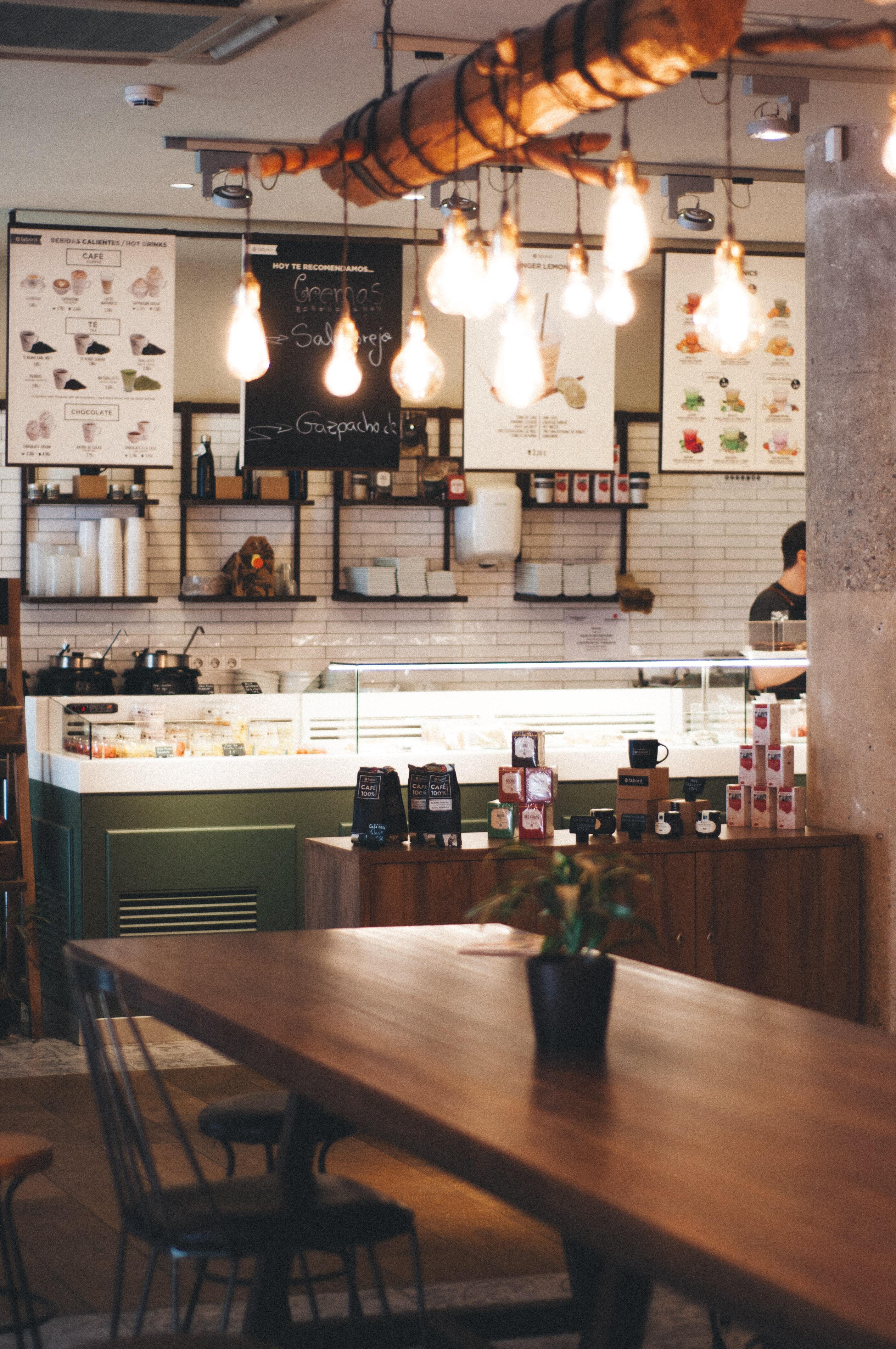
How to Design a UK Coffee Shop Floor Plan
Here’s how to design the UK coffee shop floor plan of your dreams.
Author
Designing a coffee shop floor plan is one of the most important steps in creating a welcoming, functional space for both staff and customers. Whether you’re setting up your first café or reimagining an existing space, a thoughtful layout can improve speed of service, reduce bottlenecks, and improve your customer experience.
What is a Coffee Shop Floor Plan?
A coffee shop floor plan maps out the physical space — including the ordering area, kitchen, dish station, storage, toilets, seating, and any outdoor space. It determines how easily your customers move through the café and how efficiently your staff can work behind the scenes.
According to the Toast Voice of the Restaurant Industry UK report, increasing operational efficiency and improving the customer experience are top priorities for local restaurateurs.
Why Does Layout Matter?
The design of your café plays a major role in building loyalty. According to the Toast Consumer Preferences Survey 2025, in which 200 consumers from the UK were polled on their restaurant design preferences, 71% of UK diners said that design and layout are important or extremely important factors in their decision to return to a venue.
Guests also value accessible restrooms (33%), clear signage (25.6%), and wide pathways (24%) — essential considerations for modern, inclusive floor plans.
Get inspired by some of the most exciting coffee shop concepts in the UK. Watch this London Coffee Shop Tour from The Global Coffee Festival’s Coffee Cities series and see how leading cafés are redefining design, experience, and innovation across the capital.
Floor Plan Design Best Practices
When designing your coffee shop layout, aim to balance customer flow, comfort, and operational needs. Here’s how:
1. Prioritise Seating Comfort
More than half of UK respondents (54%) selected seating comfort as the most valued aspect of the seating area. Consider using a mix of private tables and casual lounge areas with comfortable sofas to cater to solo workers and social groups alike.
2. Create an Intuitive Ordering Flow
Clear, visible ordering queues are considered “important” or “very important” by 81.2% of UK consumers. Your layout should guide customers through the space without confusion — from entrance to counter to pickup.
3. Make Space for Accessibility
Beyond regulatory requirements, it’s crucial to design for inclusivity. In the UK, your café should meet the accessibility standards outlined in the Equality Act 2010, including wide doorways, accessible toilets, and clearly marked exits.
Key Areas to Plan for in a UK Café Layout
The Coffee Bar
This is your café’s heart. Ask your baristas to help map out an ergonomic service area that allows for smooth movement, quick drink handoffs, and eye contact with customers.
Toast Tip: Use tools like SmartDraw to experiment with bar configurations digitally before committing to a layout.
Staff & Admin Areas
Back-of-house space is often limited in UK cafés. Allocate areas for staff breaks and manager tasks. When staff feel looked after, they stick around - and in an industry still wrestling with staffing shortages, that matters. According to the Toast Voice of the Restaurant Industry UK report, keeping good people on your team has become a top-five priority for restaurant owners across the country.
Toilets
Don’t overlook the layout and cleanliness of toilets — they’re a dealbreaker for many. A global survey conducted by Excel Dryer and MetrixLab found that 100% of respondents agreed a dirty restroom reflects poorly on a business — and 80% said they would not, or might not, return to a restaurant with one.
The top contributor to perceived uncleanliness? Paper towels on the floor or overflowing bins. With heightened awareness of hygiene, especially after the pandemic, your café’s toilets aren’t just a utility — they’re a reflection of your brand.
How Much Seating Should Your Café Have?
The typical industry ratio is 60/40 — 60% of your space for customers and 40% for kitchen and prep. In a 3,200 square foot space, that’s roughly 1,920 square feet for seating — enough for around 100 people, depending on spacing.
But quality beats quantity. Our UK Consumer survey found that guests prefer comfort over density. Spacing out tables improves flow and encourages longer stays, especially if you provide add-ons like:
Comfortable sofas
Outdoor heaters or fire pits
Board games or books
Restaurant Business Plan Template
No matter where you’re at in your restaurant ownership journey, a business plan will be your north star. Organise your vision and ensure that nothing is overlooked with this free template.

Outdoor & Entrance Design
First impressions really do count. Your entrance sets the tone before customers have even tasted your coffee. It's fascinating that 39% of people say the overall vibe or ambience is the first thing they notice when walking in, even before they register staff or cleanliness.
Technology and Flow of Service
As Toast Voice of the Restaurant Industry UK report shows, more than 1 in 4 restaurateurs are prioritising new tech adoption to boost efficiency. Consider:
Handheld POS devices to reduce queues
Digital signage to simplify ordering
Kitchen display systems (KDS) to reduce delays between front and back of house
Want to see how this works in action? Riding House Café boosted operational efficiency across three London locations by switching to Toast. With integrated KDS, seamless multi-location menu management, and real-time reporting, their team is delivering faster service with fewer errors.
Final Touches
Great design isn't about blowing your budget on Instagram-worthy decor. It's about creating spaces where everything just works. Even with limited funds, thoughtful lighting, consistent branding touches, and a layout that puts customers first will make your café somewhere people want to return to again and again
 TOAST TECH
 Built for restaurants just like yours.
Toast’s restaurant technology includes point of sale, kitchen display screens, online ordering and more.
Is this article helpful?
DISCLAIMER: This information is provided for general informational purposes only, and publication does not constitute an endorsement. Toast does not warrant the accuracy or completeness of any information, text, graphics, links, or other items contained within this content. Toast does not guarantee you will achieve any specific results if you follow any advice herein. It may be advisable for you to consult with a professional such as a lawyer, accountant, or business advisor for advice specific to your situation.

Subscribe to On the line
Sign up to get industry intel, advice, tools, and honest takes from real people tackling their restaurants' greatest challenges.
By submitting, you agree to receive marketing emails from Toast. We’ll handle your info according to our privacy statement. Additional information for California residents available here.