Best Kitchen Display Systems for Restaurants in the UK
Explore what makes the best kitchen display systems for UK restaurants, how they improve service flow, and what to look for when choosing the right setup.
Author
In a busy restaurant kitchen, clarity matters more than almost anything else. When orders are flying in from multiple channels and service is running at full pace, even small breakdowns in communication can ripple outward, slowing service and frustrating both staff and guests.
That’s why more UK restaurants are rethinking how orders move from front of house to back of house. Instead of relying solely on paper tickets or verbal call-outs, many operators are turning to kitchen display systems to bring structure, visibility, and calm to the heart of their operation.
This guide looks at what defines the best kitchen display systems for restaurants, how they support day-to-day service, and what UK operators should consider when evaluating their options.
What is a kitchen display system?
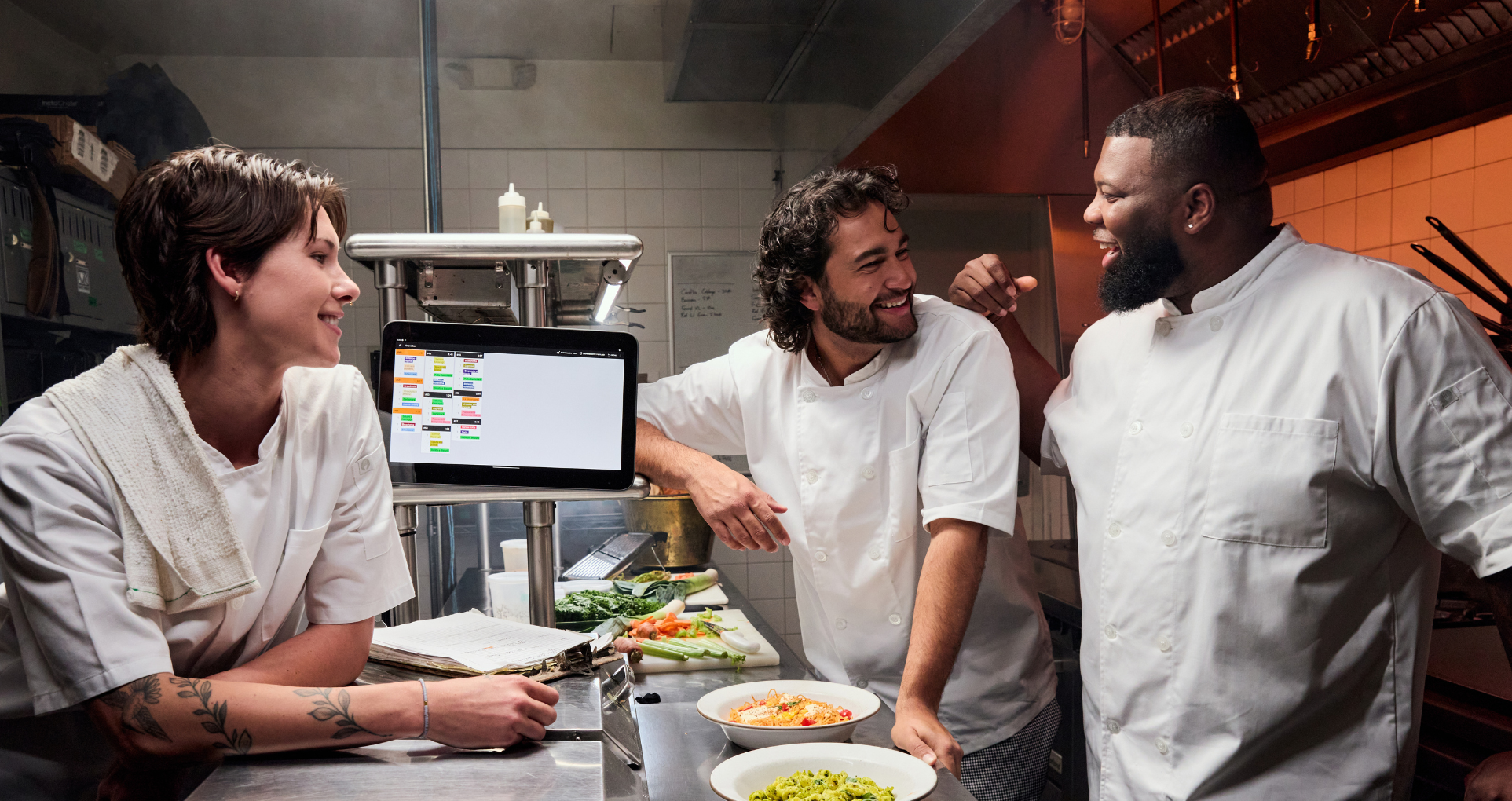
A kitchen display system or KDS replaces or complements printed tickets with digital order screens in the kitchen. Orders appear automatically as soon as they’re placed, giving chefs and kitchen teams a live, shared view of what needs to be prepared.
Unlike paper chits that can pile up, tear, or go missing during a rush, a KDS keeps orders organised on screen. Items can be grouped by station, timed, prioritised, and marked as complete, helping the whole kitchen stay aligned without relying on memory or shouted updates.
For restaurants handling dine-in, takeaway, delivery, or all three at once, a kitchen display system becomes a central source of truth. Everyone sees the same information, updated in real time.
Why kitchen display systems matter in modern restaurants
UK hospitality teams are operating under real pressure. Rising labour costs, tighter margins, and increasingly value-conscious diners mean there’s less room for inefficiency than ever before.
In a kitchen like that, the goal isn’t more tech for the sake of it. It’s tools that help your team get through service with less stress, using the people you already have. A well-designed kitchen display system does that by quietly removing friction, not by adding more steps to think about.
Chefs spend less time sorting tickets or double-checking modifiers and more time doing what they do best: cooking. Front-of-house staff don’t need to keep popping into the kitchen to ask how long something will be, because everyone’s looking at the same, up-to-date view of service. On a busy shift, those small moments saved here and there are often what keep service feeling under control rather than chaotic.
Kitchen display systems also support consistency. Orders arrive in a clean, readable format every time, which helps reduce errors caused by handwriting, noise, or rushed communication.
Core features that define the best kitchen display systems
Not all kitchen display systems are created equal. The best systems for restaurants are designed around how kitchens actually work during live service, not just how they look in a demo.
First and foremost, orders need to show up immediately. When a ticket is placed, it should appear on the screen straight away, without refresh buttons or delays. In peak moments, even a few seconds of lag can knock timing out of sync across the line.
Clear station routing matters just as much. In most kitchens, not everyone needs to see everything. Starters, grill, pass, dessert, and bar all have their own flow. A good KDS sends the right items to the right screens, so each team can focus on their section while still understanding how the rest of service is shaping up.
Timing and pacing are where a KDS really earns its keep. Being able to see how long an order has been open helps kitchens decide what needs attention now and what can wait a moment. For managers, that visibility also makes it easier to spot patterns, like where tickets tend to slow down during the busiest parts of the day.
Ease of use is just as important as features. In a hot, noisy kitchen, screens need to make sense at a glance. If staff have to stop and think about what they’re looking at, or if training takes longer than it should, the system is getting in the way instead of helping.
And finally, reliability isn’t optional. A kitchen display system has to hold up during your busiest services, not just on quiet afternoons. When a screen goes down mid-rush, the impact is immediate, and that pressure lands straight on the team. The best systems are the ones you barely have to think about because they just work when it matters most.
How kitchen display systems impact day-to-day operations
The real value of a kitchen display system becomes obvious on a Saturday night, when every table is full and orders are coming in from the floor, the bar, and online all at once.
Because everyone in the kitchen is looking at the same live view of service, coordination across stations feels more natural. Chefs can see what’s just come in, what’s already being worked on, and what’s waiting to be fired, without having to stop and ask. That shared awareness cuts down on constant call-outs and helps the kitchen stay calmer when the pressure’s on.
Front-of-house teams feel the difference too. When order status is clear and consistent, servers don’t need to keep ducking into the kitchen to ask how long something will be. They can stay on the floor, focus on guests, and keep service moving, without adding extra staff just to manage communication.
Managers get a clearer picture as well. Instead of trying to piece things together from memory or end-of-day reports, they can see how service is flowing in real time and step in early if something starts to slow down.
Over time, that kind of visibility tends to lead to better decisions, from staffing levels to menu pacing. While every restaurant is different, many operators find that clearer kitchen communication makes service feel more controlled and predictable, even on the busiest shifts.
How to evaluate kitchen display systems for your restaurant
Choosing the best kitchen display system isn’t about finding the most feature-heavy option on paper. It’s about finding the system that fits how your restaurant actually runs.
Start by thinking about your service model. A quick-service operation handling high volumes may prioritise speed and simplicity, while a full-service restaurant may need more nuanced pacing and course management.
Consider how orders enter the kitchen today. If you’re managing dine-in, takeaway, and delivery simultaneously, a system that brings all those channels into one view can reduce confusion during peak periods.
It’s also worth looking beyond the kitchen itself. A kitchen display system rarely exists in isolation. When it’s tightly connected to ordering, payments, and reporting, information flows more cleanly across the entire operation. When systems are fragmented, teams often end up reconciling gaps manually.
Finally, think about change management. Even the best technology needs to be adopted by real people. Systems that are intuitive and easy to learn tend to see faster buy-in from both front- and back-of-house teams.
Where Toast fits into the picture
Toast is built as an all-in-one restaurant platform, bringing point of sale, handhelds, kitchen display systems, payments, and reporting together in one connected setup. Instead of juggling separate tools that don’t always talk to each other, orders move through a single system from the moment they’re taken to the moment they’re cooked.
In the kitchen, that connection really matters. Toast’s kitchen display system gives teams a real-time view of orders across stations, so everyone stays on the same page during busy services. As our KDS is designed to work directly with Toast POS, menu updates, modifiers, and changes flow through automatically, without manual syncing or workarounds.
UK operators have shared how that kind of integration can make day-to-day service feel more manageable. At Riding House Café Group, which runs multiple London locations, moving to an integrated KDS helped reduce issues they’d previously seen with missed or duplicated orders. The team found that having the POS and kitchen screens working together made service feel more controlled and made menu updates far easier to roll out across sites.
At Le Bab, a multi-site London restaurant group, pairing kitchen display systems with handheld ordering helped tighten the connection between front and back of house. The team noted that clearer kitchen visibility supported faster table turns at certain locations during peak periods, while also giving managers better insight into how the kitchen was performing.
Every restaurant is different, but these experiences show how an integrated kitchen display system can support smoother, calmer service in high-pressure environments, especially when all parts of the operation are working from the same source of truth.
A practical takeaway for UK operators
The best kitchen display systems don’t necessarily change how your kitchen works, but rather they simply make it easier for your team to do what they already do well. They support the natural rhythm of service rather than getting in the way of it.
For UK restaurants dealing with rising costs and tighter margins, that kind of clarity can be a quiet but meaningful advantage. Fewer interruptions, fewer avoidable errors, and better visibility across the kitchen help teams stay focused on cooking and service, even when things get busy.
If you’re thinking about whether a kitchen display system makes sense for your restaurant, the most useful next step is imagining it in your own space. How it fits into your existing workflows, how your team would use it on a busy shift, and whether it supports the way you already like to run service.
Is this article helpful?
DISCLAIMER: This information is provided for general informational purposes only, and publication does not constitute an endorsement. Toast does not warrant the accuracy or completeness of any information, text, graphics, links, or other items contained within this content. Toast does not guarantee you will achieve any specific results if you follow any advice herein. It may be advisable for you to consult with a professional such as a lawyer, accountant, or business advisor for advice specific to your situation.

Subscribe to On the line
Sign up to get industry intel, advice, tools, and honest takes from real people tackling their restaurants' greatest challenges.
By submitting, you agree to receive marketing emails from Toast. We’ll handle your info according to our privacy statement. Additional information for California residents available here.