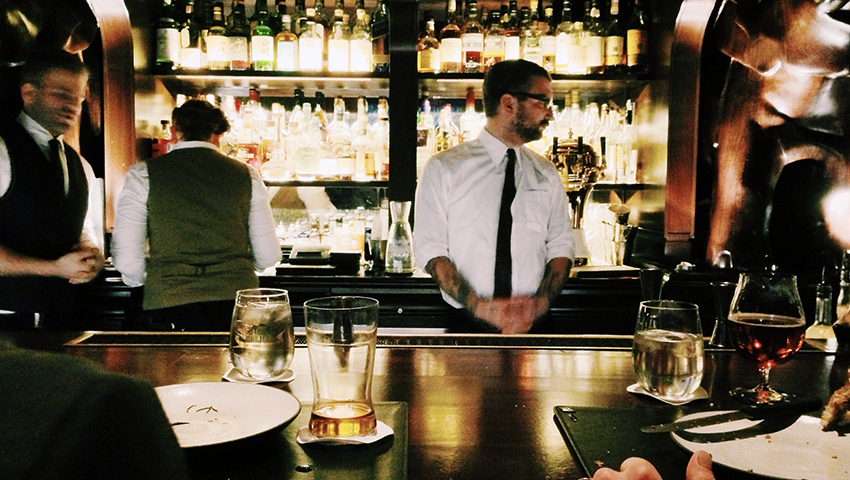
15 Popular Types of Bars and What Makes Each Unique
Wine bars and nightclubs offer very different nights out. Learn how popular types of bars compare in drinks, atmosphere, and service.

Autor
 RECURSO
 Herramienta de comparación de puntos de venta (POS) para bares y lounges
Una herramienta gratuita de comparación de POS para bares y lounges, que permite investigar y comparar sistemas de puntos de venta en una hoja de Excel.
Obtener descarga gratisCommon types of bars include cocktail bars, wine bars, sports bars, pubs, dive bars, nightclubs, and brewery taprooms. Each offers a different mix of drinks, atmosphere, entertainment, and service.
Those differences shape how the business runs, too. A brewpub may coordinate meals and beer flights, while a nightclub needs to keep drink orders moving during a busy DJ set. Toast’s bar POS system supports ordering, tabs, and payments across those settings, helping teams organize service around their concept.
Here are 15 common types of bars, what makes each distinct, and what it takes to run them well.
Key takeaways
Cocktail bars, wine bars, and specialty spirits bars are defined by their drink selection.
Sports bars, live music bars, and nightclubs build the experience around entertainment.
Hotel, rooftop, and mobile bars are distinguished primarily by their setting.
One venue can combine several types, such as a rooftop cocktail bar inside a hotel.
Plantilla de plan de negocio para bares
Usa esta plantilla de plan de negocio para bares gratuita a fin de crear fácilmente un plan de negocio eficaz que te permita organizar tu visión y te ayude a abrir o ampliar tu bar o a recaudar fondos para llevarlo a cabo.

15 types of bars to know
Some bars are defined by what they serve, others by where they operate or what guests do while they’re there. These categories can overlap: a hotel might have a rooftop cocktail bar, while a neighborhood pub might also host live music.
1. Cocktail bars
A cocktail bar specializes in mixed drinks, often emphasizing original recipes, quality ingredients, and presentation.
Menu: Balance distinctive drinks with recognizable options that help guests find something they’ll enjoy.
Preparation: Plan for ingredients, garnishes, glassware, and equipment before service begins.
Service: Train bartenders to explain flavors and make recommendations without slowing down orders.
2. Wine bars
A wine bar centers its menu and guest experience on wine, often accompanied by small plates, tastings, or flights.
Selection: Give guests useful choices across styles and price points.
Storage: Protect wine quality through appropriate storage and open-bottle preservation.
Staff knowledge: Help employees describe wines clearly and suggest suitable pairings.
3. Sports bars
A sports bar combines drinks and casual food with live sports viewing.
Layout: Provide clear screen views without blocking walkways or service areas.
Menu: Choose food and drinks the team can prepare efficiently during busy periods.
Staffing: Build schedules around major games, overlapping events, and predictable ordering rushes.
4. Dive bars
A dive bar is an informal, unpretentious drinking spot known for its character, familiar atmosphere, and regular customers.
Drinks: Keep the selection straightforward and dependable.
Hospitality: Welcome newcomers while maintaining the relationships that bring regulars back.
Identity: Preserve the details guests value without neglecting maintenance or comfort.
5. Pubs and taverns
Pubs and taverns are traditional drinking establishments that often combine a neighborhood gathering place with food service.
Atmosphere: Create a comfortable setting for conversation and repeat visits.
Food and drinks: Build menus that work together and suit the kitchen’s capacity.
Service: Coordinate bar orders, table service, and food preparation.
For pubs with a full kitchen, Toast’s casual dining POS system connects table-side ordering with kitchen workflows, helping employees keep meals and drinks moving together.
6. Brewpubs and brewery taprooms
Brewpubs and brewery taprooms both showcase a brewery’s beer, but brewpubs also operate as restaurants.
Beer selection: Keep menus current as batches, seasonal releases, and keg availability change.
Product knowledge: Teach employees to explain styles and guide guests through tasting flights.
Retail sales: Plan for packaged beer, glassware, clothing, and other merchandise where offered.
When guests purchase a meal, a pint, and merchandise, Toast’s restaurant-and-retail POS system lets the business manage menu items and retail products together rather than requiring separate checkouts.
7. Lounges
A lounge emphasizes comfortable seating, atmosphere, and a relaxed drinking experience.
Environment: Use lighting, music, and furniture that support the intended mood.
Service: Make it easy to order another drink without interrupting conversation.
Seating: Account for longer visits when planning capacity, staffing, and revenue expectations.
8. Live music bars
A live music bar makes live entertainment a central part of its drinking and social experience.
Sound: Balance the performance with employees’ ability to hear orders and communicate.
Space: Keep stage access, guest movement, and service routes clear.
Timing: Prepare for orders before the show, between sets, and after the final performance.
9. Nightclubs
A nightclub centers its experience on dancing, DJs, or other late-night entertainment, with beverage service supporting the event.
Ordering: Keep popular drinks easy to find and enter.
Coordination: Define responsibilities across bartenders, floor staff, security, and event teams.
Guest flow: Plan for arrivals, queues, service areas, and closing-time departures.
Toast’s bar and nightclub POS supports quick order entry and card preauthorization, helping staff manage tabs without holding guests’ cards behind the bar.
10. Hotel bars
A hotel bar serves drinks within a hotel, often welcoming both overnight guests and local customers.
Guest needs: Accommodate solo travelers, business meetings, groups, and local visitors.
Coordination: Align service with hotel events, dining hours, and other food-and-beverage outlets.
Payments: Make room charges and other payment options straightforward.
Toast’s hotel restaurant POS system connects food-and-beverage operations and supports room charges through compatible property-management integrations.
11. Rooftop bars
A rooftop bar uses an elevated outdoor or partly enclosed setting as a defining part of its guest experience.
Weather: Prepare for changing temperatures, wind, rain, and seasonal demand.
Supplies: Plan how ice, glassware, ingredients, and waste move between floors.
Layout: Balance desirable views with practical service routes and guest comfort.
Lista de verificación para abrir un bar
Abrir un bar implica un montón de cosas. Con esta lista de comprobación en PDF, podrás preparar tu nuevo negocio para que tenga éxito.
12. Specialty spirits bars
A specialty spirits bar builds its identity and drink menu around a particular spirit, such as whiskey, rum, tequila, or gin.
Selection: Offer approachable starting points alongside premium or unusual bottles.
Portions: Define pour sizes and tasting-flight quantities consistently.
Education: Help employees explain differences without overwhelming guests with terminology.
13. Themed bars
A themed bar carries a central concept through its décor, drinks, entertainment, and service.
Consistency: Connect the menu, setting, music, and service to the same idea.
Practicality: Make sure decorative features do not interfere with ordering or movement.
Repeat appeal: Give customers reasons to return after the novelty of a first visit.
14. Mobile bars
A mobile bar brings beverage service to events or temporary locations using a portable setup, cart, trailer, or vehicle.
Setup: Confirm access, available space, arrival times, and the scope of service.
Equipment: Plan for refrigeration, ice, water, power, and payment connectivity.
Inventory: Pack for the guest count and menu, including glassware or cups and other supplies.
15. Alcohol-free bars
An alcohol-free bar focuses on nonalcoholic drinks in a social setting.
Flavor: Build balanced drinks with satisfying texture, aroma, and presentation.
Pricing: Account for ingredients, preparation time, and service.
Clarity: Describe ingredients and any trace alcohol content accurately so guests can make informed choices.
Other names for bars (and what they mean)
Bar names often overlap, but they haven’t always meant the same thing. In an interview with Smithsonian, author Christine Sismondo explains that early American taverns provided food and lodging, while later saloons focused more on drinks. As she puts it, “Now of course we call bars all of the above.”
When choosing a bar name, consider what guests will expect when they walk through the door, and whether the business delivers it.
Name | What it generally means |
Pub | Short for “public house”; a neighborhood gathering place serving drinks and often food. |
Tavern | A traditional name for a drinking establishment that may also serve food. |
Lounge | A venue emphasizing comfortable seating, atmosphere, and relaxed socializing. |
Saloon | A historical name for a bar, often used today to suggest an Old West or traditional American setting. |
Watering hole | An informal expression for a familiar place to get a drink. |
Gastropub | A pub with a particular emphasis on high-quality food. |
Make great service part of your bar’s identity
A sports bar needs to handle the halftime rush, while a lounge needs to make another round easy without interrupting conversation. Whatever type of bar you run, the way your team takes orders and serves guests should fit the experience you want to create.
Toast’s bar POS system supports ordering at the counter or tables, tab management, and payments in one connected system. That lets your team serve guests in the way that suits your concept, while shared reporting helps you see which drinks sell and when you need more coverage.
Bar Opening Calculator
This calculator lays out some of the fundamental financial costs of opening a bar, so you can start planning and bring your dream bar to life.
FAQ
What are the different types of bars?
Common types of bars include cocktail bars, wine bars, sports bars, dive bars, pubs, brewery taprooms, lounges, nightclubs, rooftop bars, and alcohol-free bars.
What are the five types of bars?
There is no universal five-type classification, but five common examples are cocktail bars, wine bars, sports bars, dive bars, and pubs.
What are the 14 different types of bars?
14 types of bars include cocktail bars, wine bars, sports bars, dive bars, pubs and taverns, brewpubs and brewery taprooms, lounges, live music bars, nightclubs, hotel bars, rooftop bars, specialty spirits bars, themed bars, and mobile bars.
What's the difference between a pub and a bar?
A pub is a type of bar associated with a relaxed, community-focused atmosphere and often food, while “bar” is the broader term for a drinking establishment.
What is the most profitable type of bar to open?
No bar type guarantees the highest profit; earnings depend on customer demand, pricing, sales volume, and operating costs such as rent, staffing, and ingredients.
What type of bar is best for first-time owners?
The best fit is a focused concept that matches the owner’s experience, budget, and local market, with a menu and service model the team can manage consistently.
What's the difference between a cocktail bar and a specialty bar?
A cocktail bar focuses on mixed drinks, while a specialty bar concentrates on a particular beverage category, such as whiskey or tequila, which may be served neat, in tasting flights, or in cocktails.
¿Es útil este artículo?
AVISO LEGAL: Esta información se proporciona solo con fines informativos generales y su publicación no constituye un aval. Toast no garantiza la precisión ni la integridad de la información, el texto, los gráficos, los enlaces y otros elementos que incluye este contenido. Toast no garantiza que alcanzarás ningún resultado específico si sigues los consejos que aparecen aquí. Te recomendamos consultar con un profesional, como un abogado, contador o asesor comercial, para recibir asesoramiento específico para tu situación.
 Tendencias

Subscribe to On the line
Sign up to get industry intel, advice, tools, and honest takes from real people tackling their restaurants' greatest challenges.
Al enviar, aceptas recibir correos electrónicos de marketing de Toast. Trataremos tu información de acuerdo con nuestra declaración de privacidad. Información adicional disponible para residentes de California aquí.