
Small Business Tips: 12 Practical Strategies That Actually Work
Success starts with strong fundamentals. Use these practical small business tips to make smarter decisions and build good habits.
Autor
 RESOURCE
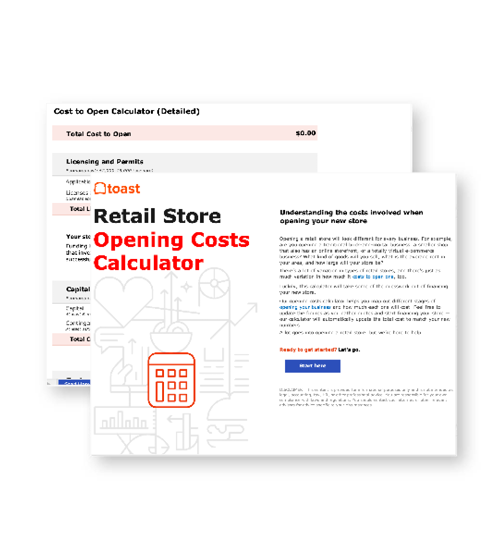
 Retail Store Opening Costs Calculator
This free calculator lays out some of the fundamental financial costs of opening a retail store, so you can start planning and bring your dream business to life.
Obtener descarga gratisRunning a small business is both exciting and challenging. Every day brings new decisions, new opportunities, and new ways to improve how things operate. While there’s no single shortcut to success, steady progress and smart habits can make a powerful difference over time.
The strongest small businesses don’t rely on luck—they focus on the fundamentals. They protect their cash flow, understand their numbers, build simple systems, and look for small ways to improve each week.
In this guide, you’ll find practical small business tips designed to help you strengthen operations, support your team, and build long-term growth.
Key takeaways
Strong fundamentals—like managing cash flow and knowing your margins—create long-term stability.
Simplifying offerings and building repeatable systems improves efficiency and reduces costly mistakes.
Consistent use of data leads to smarter decisions around staffing, inventory, and pricing.
Sustainable growth depends on operational readiness, not just increased sales.
Small, steady improvements in visibility, training, and processes compound over time.
Retail Marketing Plan
Create a marketing plan that'll drive repeat business with this customizable marketing playbook template and interactive calendar.

1. Protect your cash flow above all else
You can be profitable on paper and still struggle if you don’t have enough cash available to cover payroll, rent, or supplier invoices. Strong cash flow management gives you flexibility and stability, especially during slower seasons or unexpected expenses.
One American Express CFO Survey found that 81% of CFOs consider improving cash flow strategically important, while 64% report a growing focus on increasing working capital.
Monitor expenses weekly: Review outgoing costs regularly so small increases don’t go unnoticed.
Track cash on hand, not just revenue: Sales numbers matter, but what’s available in your account determines what you can actually pay.
Build a financial cushion: Set aside reserves to handle slow periods, equipment repairs, or sudden cost increases.
2. Know your margins, not just your revenue
Sales volume alone doesn’t determine success. If your margins are thin, high revenue can still translate into limited profit. Understanding what you actually earn per product or service is essential for long-term sustainability. Clear visibility into profit margins helps you make smarter decisions about pricing, purchasing, and promotions.
Calculate true product-level margins: Know how much profit each item generates after accounting for its direct costs.
Factor in labor and overhead: Include staffing, rent, utilities, and other operating expenses when evaluating profitability.
Review pricing regularly: Adjust prices when supplier costs rise or margins shrink to protect profitability.
3. Simplify your offerings
More options don’t always mean more sales. In many cases, an oversized menu or product catalog creates operational complexity, slows service, increases inventory waste, and makes purchasing harder to manage. Simplifying your offerings can improve efficiency, protect margins, and make decision-making easier for both staff and customers.
Identify top sellers: Review sales data to determine which products consistently drive revenue.
Cut underperforming items: Remove items that sell infrequently or generate weak margins.
Focus on what drives profit: Prioritize the products or menu items that are both popular and profitable.
4. Build simple, repeatable systems
Without systems, daily operations rely too heavily on memory and improvisation. Clear, repeatable processes reduce errors, improve consistency, and make training new employees much easier. Strong systems don’t have to be complicated—they just need to be documented and followed.
Document key workflows: Write down step-by-step processes for tasks like opening, closing, inventory counts, and customer service.
Standardize onboarding: Create structured training materials so every employee learns the same procedures.
Create clear daily routines: Establish predictable workflows that keep operations running smoothly.
5. Use data to make decisions
Guesswork leads to inconsistency. When decisions are based on assumptions instead of real performance data, it’s easy to overspend, overstaff, or overorder. Even basic reporting can provide valuable insights that guide smarter choices. Making data part of your routine helps you stay proactive instead of reactive.
Review weekly sales reports: Identify trends, peak periods, and performance shifts before they become problems.
Track slow-moving inventory: Spot items that aren’t selling and adjust purchasing or promotions accordingly.
Monitor labor performance: Compare staffing levels to sales trends to ensure labor costs stay aligned with revenue.
6. Treat inventory like cash
Inventory isn’t just stock on a shelf—it represents money that’s already been spent. When inventory sits too long or gets wasted, it ties up capital and reduces flexibility. Managing inventory carefully helps protect cash flow and improve profitability.
Avoid overordering: Purchase based on demand trends rather than assumptions.
Set low-stock alerts: Use inventory thresholds to reorder at the right time without overstocking.
Review purchasing trends: Regularly analyze what sells consistently and adjust buying patterns accordingly.
7. Make checkout fast and frictionless
The checkout experience shapes customer perception. Long lines, confusion, or payment issues can undermine an otherwise positive visit. A smooth checkout process improves satisfaction and increases the likelihood of repeat business. Small operational improvements can make a noticeable difference.
Accept multiple payment types: Offer flexible payment options to reduce friction and meet customer preferences.
Train staff for speed and accuracy: Ensure employees understand the system and can process transactions confidently.
Reduce manual steps: Streamline workflows to minimize unnecessary clicks, overrides, or hand-written adjustments.
8. Train and retain good employees
High turnover drains time, money, and operational consistency. Replacing and retraining employees repeatedly slows momentum and increases costs. Investing in your team supports stability and long-term growth.
According to Gallup, only one in three employees strongly agree they’ve received recognition or praise for good work in the past week, and employees who don’t feel adequately recognized are twice as likely to say they’ll quit within the next year.
Provide clear expectations: Outline job responsibilities and performance standards from the start.
Offer structured training: Use documented processes and hands-on practice to build consistency.
Recognize performance: Acknowledge strong work to improve morale and encourage retention.
9. Don’t grow faster than your systems
Rapid growth can feel like success—but without strong systems in place, it can create operational strain. Expanding too quickly may lead to inventory issues, staffing shortages, inconsistent service, or cash flow pressure. Sustainable growth happens when your processes are ready to support it.
Strengthen processes before expansion: Make sure workflows, training, and reporting systems are running smoothly.
Ensure staffing capacity: Confirm you have the right team in place before increasing volume or adding locations.
Confirm financial stability: Review cash flow and margins to ensure expansion won’t create unnecessary risk.
10. Invest in local visibility
Small businesses typically win locally before they scale more broadly. Building strong visibility in your immediate community helps create repeat customers and word-of-mouth momentum. Consistent local engagement builds long-term loyalty.
Optimize online listings: Keep business information accurate across search platforms and directories.
Encourage reviews: Invite satisfied customers to leave feedback to strengthen credibility.
Engage in community events: Participate in local partnerships or events to increase awareness and trust.
11. Plan for slow periods in advance
Seasonal dips are predictable. Most small businesses experience slower weeks or months throughout the year, whether due to weather, holidays, or broader economic shifts. Planning ahead helps reduce stress and protect profitability.
For example, golf apparel brand Sunday Swagger boosts sales during slower stretches by launching themed polos tied to events or holidays, such as the Winter Olympics or National Bloody Mary Day.
Targeted campaigns and selective discounting around key moments—like Black Friday—help maintain momentum throughout the year instead of relying on unpredictable spikes. As Mark Carmona, Founder and President of Sunday Swagger, advises:
“Always learn [and] stay on top of things… [If] you're not, your competitors are, and you'll be left in the dust.”
Forecast based on past data: Review previous sales trends to anticipate slower stretches.
Adjust staffing proactively: Align labor schedules with expected demand to control costs.
Develop targeted promotions: Create timely offers or campaigns to maintain momentum during slower periods.
12. Revisit and refine regularly
Small improvements compound over time. Successful small businesses don’t rely on one big breakthrough—they refine processes, pricing, and operations consistently. Regular evaluation keeps your business adaptable and competitive.
Review goals quarterly: Assess progress and adjust targets as conditions change.
Evaluate performance metrics: Monitor sales, margins, and operational efficiency to spot improvement areas.
Adjust strategies intentionally: Make changes based on data and clear priorities rather than impulse decisions.
Simple systems, serious results
These small business tips aren’t flashy, but they compound over time. Improvements in inventory management, staffing, pricing, and customer experience can create meaningful results when applied consistently. Focus on strengthening your operations, refining your processes, and staying disciplined with your numbers.
Purchase Order Template
Use this template to create standardized purchase orders for requesting goods or services from vendors.
FAQ
What’s the most important metric for small retail businesses?
There isn’t a single metric that determines success, but many small retailers prioritize cash flow, gross margin, and inventory turnover. These indicators provide insight into profitability and operational efficiency.
How much should small retailers spend on marketing?
Marketing budgets vary depending on goals, competition, and revenue. Small retailers should focus on measurable efforts, such as local advertising and digital visibility, and adjust spending based on performance and return on investment.
Should I offer discounts to compete with larger retailers?
Discounts can attract customers, but competing solely on price may reduce margins. Instead, focus on customer experience, product selection, and community engagement while using targeted promotions strategically.
How often should I update my inventory?
Inventory should be reviewed regularly—weekly for fast-moving items and monthly for slower-moving stock. Frequent reviews help prevent overordering and reduce the risk of stockouts.
What technology investments deliver the best returns?
Technology that improves efficiency and visibility often delivers strong returns. Integrated POS systems, inventory management tools, and reporting platforms can streamline operations and support better decision-making.

¿Es útil este artículo?
AVISO LEGAL: Esta información se proporciona solo con fines informativos generales y su publicación no constituye un aval. Toast no garantiza la precisión ni la integridad de la información, el texto, los gráficos, los enlaces y otros elementos que incluye este contenido. Toast no garantiza que alcanzarás ningún resultado específico si sigues los consejos que aparecen aquí. Te recomendamos consultar con un profesional, como un abogado, contador o asesor comercial, para recibir asesoramiento específico para tu situación.
 Tendencias

Subscribe to On the line
Sign up to get industry intel, advice, tools, and honest takes from real people tackling their restaurants' greatest challenges.
Al enviar, aceptas recibir correos electrónicos de marketing de Toast. Trataremos tu información de acuerdo con nuestra declaración de privacidad. Información adicional disponible para residentes de California aquí.