
Restaurant Waste Log: How To Track & Reduce Food Waste
No restaurant wants to waste food, but it happens. Discover how to use a restaurant waste log to turn losses into learning opportunities.
Autor
 RESOURCE
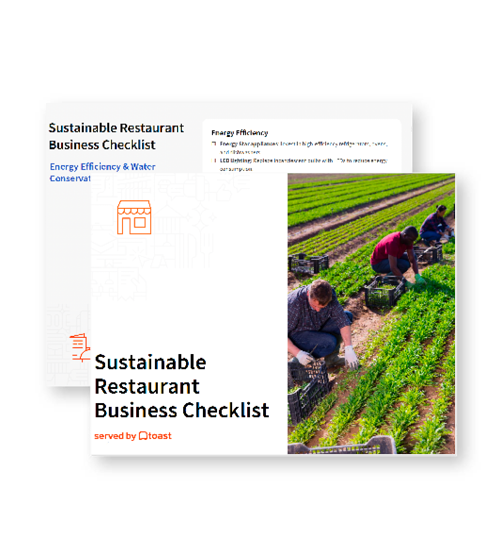
 Sustainable Restaurant Business Checklist
Use this free checklist to help your restaurant run efficiently while minimizing its environmental impact.
Obtener descarga gratisEvery restaurant deals with food waste — the key is knowing where, when, and why it happens. A restaurant waste log gives you that visibility, turning everyday throwaways into data you can use to save money, tighten up operations, and cut your environmental footprint.
With food costs often making up 28% to 35% of sales, even small reductions in waste can have a big impact on profitability. In fact, according to Nation’s Restaurant News, for every dollar invested in food-waste reduction, restaurants can see about $8 in cost savings.
In this guide, you’ll learn what a restaurant waste log is, what to include in yours, and how to use it to turn waste into actionable insights.
Key takeaways
A restaurant waste log turns daily food waste into actionable data that can save money and improve efficiency.
Tracking what’s wasted, why, and how much helps pinpoint recurring issues like over-ordering or prep mistakes.
Key log fields include date, item name, quantity, reason for waste, responsible station, estimated cost, and notes.
Consistent use makes it easier to refine menus, improve ordering, and train staff more effectively.
Regular reviews reveal patterns, support sustainability goals, and turn losses into operational wins.
Guía de control de costos para restaurantes
Usa esta guía para obtener más información sobre los costos de los restaurantes, cómo realizarles un seguimiento y las medidas que puedes tomar para maximizar tu rentabilidad.

What is a restaurant waste log?
A restaurant waste log is a simple but powerful tool for tracking food and beverage waste. It’s typically a document where staff record what’s being thrown away, how much, and why.
Waste logs can cover everything from spoiled produce in the walk-in to overcooked steaks that never make it to the table. By documenting this information, you create a clear picture of where waste is happening, which makes it easier to address issues like over-ordering, prep mistakes, or inconsistent portioning.
Why should your restaurant use a waste log?
Every ingredient that ends up in the trash represents lost revenue, higher ordering costs, and missed opportunities. A waste log turns that loss into actionable data, helping you pinpoint problems and make smarter inventory decisions. Here are some of the key benefits:
Cut costs: Identify and fix recurring waste issues to protect margins.
Improve ordering: Use real data to fine-tune purchasing and avoid overstocking.
Boost efficiency: Spot workflow problems that lead to avoidable waste.
Support sustainability goals: Reduce your restaurant’s environmental footprint.
Enhance training: Give staff concrete examples to prevent future waste.
What to include in your restaurant waste log
A good waste log should be quick to fill out, easy to understand, and detailed enough to reveal patterns over time. The goal is to capture the “what, how much, and why” for every discarded item so you can take targeted action. Here are the essential fields to include:
Date and time: Helps spot trends tied to specific shifts or service periods.
Item name: Be specific — “Romaine lettuce” is more useful than just “lettuce.”
Quantity wasted: Record in consistent units (pounds, ounces, portions, etc.).
Reason for waste: Examples include spoilage, overcooking, incorrect orders, or dropped items.
Employee/station: Helps identify training needs or process improvements.
Estimated cost: Turns waste into a tangible dollar amount for easier tracking.
Notes: Space for context — e.g., “Freezer malfunction” or “Customer returned dish.”
Restaurant waste log example
Your restaurant’s waste logs make it easy to see where and why waste is occurring so you can fix it before it becomes a costly habit. The key is keeping it consistent and accessible so staff can update it in real time.
Date | Time | Item name | Quantity | Reason | Station | Estimated cost | Notes |
8/5/25 | 6:30p | Ribeye steak | 1 portion | Overcooked | Grill station | $18.00 | Re-fired order for table 14 |
8/6/25 | 9:15a | Romaine lettuce | 2 lbs | Spoiled | Prep station | $3.50 | Found wilted in walk-in |
8/6/25 | 12:45p | Tomato soup | 1 quart | Customer return | Expo line | $4.25 | Too spicy for guest |
8/7/25 | 4:10p | Salmon filet | 2 portions | Dropped | Pantry station | $22.00 | Slipped while plating |
How to use your restaurant waste log
A waste log only works if it’s part of your daily routine. The goal is to make recording waste fast, consistent, and second nature for your team.
Integrate with inventory: Link your waste log to inventory software for more accurate stock counts and ordering.
Refine your menu: Spot underperforming dishes or seasonal items that consistently generate waste.
Tie to ordering and prep: Use your findings to adjust order quantities, storage practices, and prep lists.
Keep it within reach: Place clipboards in prep areas or use a shared digital sheet accessible from a tablet or POS.
Record waste immediately: Waiting until the end of a shift leads to inaccurate details and forgotten entries.
Capture the “why”: Always include the reason for waste — from spoilage to overcooking — to spot patterns.
Train all staff: Everyone who handles food should know how and when to log waste.
Review regularly: Go over logs weekly to identify trends and prioritize fixes.
Share wins: Show your team when changes reduce waste to reinforce good habits.
For example, Hilton Hotels used AI-powered waste tracking and discovered their breakfast pastries were too large and that baked beans often went uneaten. These insights led to menu adjustments, and ultimately less waste.
Similarly, research from ReFED found that 70% of restaurant food waste comes from unfinished plates, showing how detailed waste logs can highlight portion size issues and guide practical changes.
Plantilla de inventario de alimentos para restaurantes
Utiliza esta plantilla gratuita de inventario de alimentos para ayudar a tu empresa a mantenerse organizada y gestionar el inventario con facilidad.
From bin to win
A restaurant waste log isn’t just about tracking what goes in the trash — it’s about uncovering ways to save money, improve processes, and operate more sustainably. When your team uses it consistently, you gain the insight to make smarter ordering decisions and train staff more effectively.
In the end, a good waste log turns losses into lessons, helping you run a restaurant that’s leaner, greener, and more profitable.
FAQ
How often should I track restaurant waste?
Ideally, waste should be logged in real time as it happens. This ensures accuracy and helps capture details that might be forgotten if recorded later.
What's the target waste percentage for restaurants?
There’s no set industry standard, but keeping overall food costs between 28% and 35% of sales can help maintain profitability. Reducing waste is a key part of staying within that range.
Should I track prep waste separately from plate waste?
Yes — separating these categories helps you identify whether waste is coming from storage/prep errors or from portion sizes and customer returns.
How do I handle staff resistance to waste logging?
Explain the “why” behind tracking, keep the process quick and simple, and share wins with the team to show how logging reduces stress and costs.
What should I do with waste log data?
Review it regularly to adjust ordering, improve storage practices, refine recipes, and train staff. The goal is to turn patterns into process improvements.
Más información

¿Es útil este artículo?
AVISO LEGAL: Esta información se proporciona solo con fines informativos generales y su publicación no constituye un aval. Toast no garantiza la precisión ni la integridad de la información, el texto, los gráficos, los enlaces y otros elementos que incluye este contenido. Toast no garantiza que alcanzarás ningún resultado específico si sigues los consejos que aparecen aquí. Te recomendamos consultar con un profesional, como un abogado, contador o asesor comercial, para recibir asesoramiento específico para tu situación.
 Tendencias

Subscribe to On the line
Sign up to get industry intel, advice, tools, and honest takes from real people tackling their restaurants' greatest challenges.
Al enviar, aceptas recibir correos electrónicos de marketing de Toast. Trataremos tu información de acuerdo con nuestra declaración de privacidad. Información adicional disponible para residentes de California aquí.