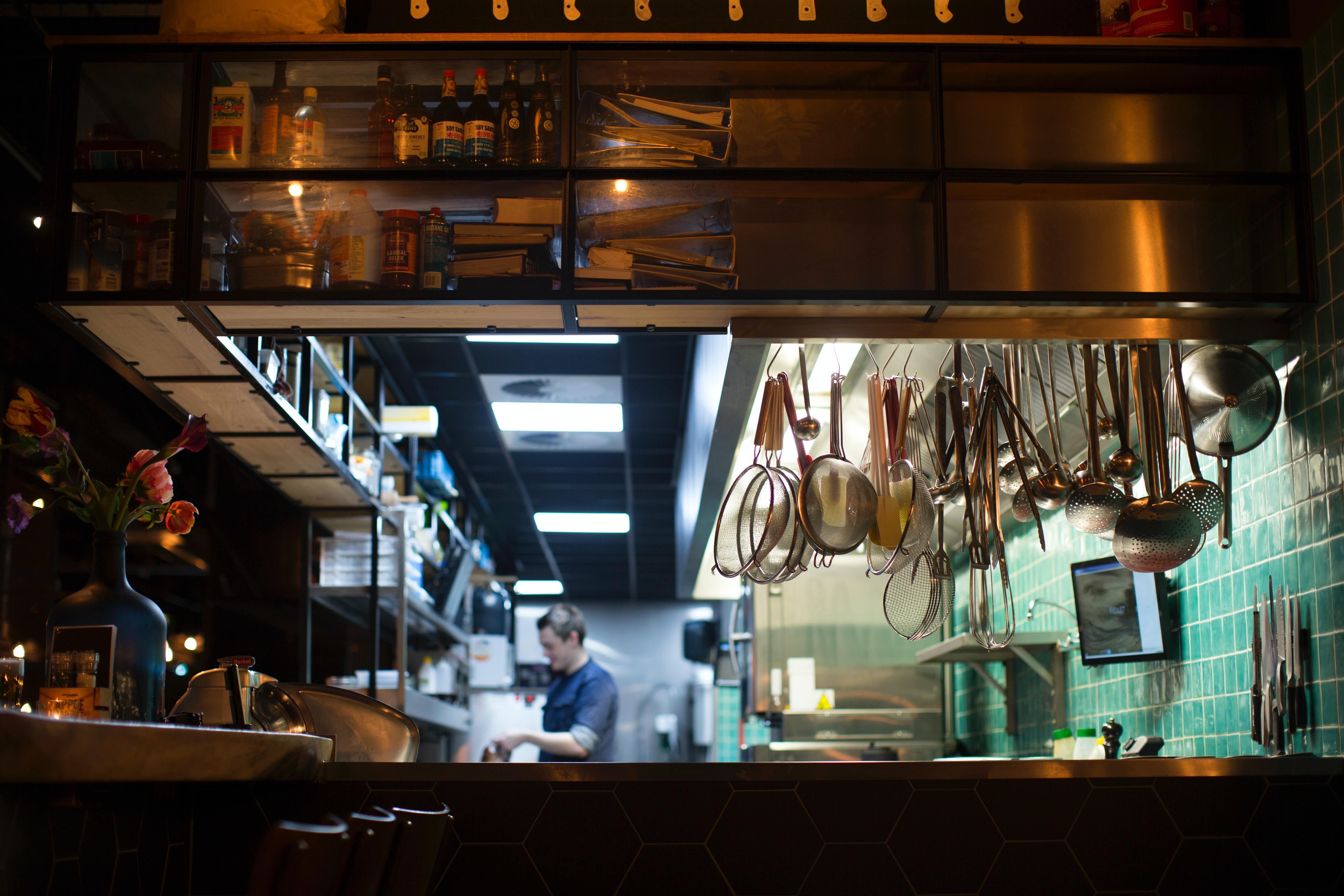
Restaurant Kitchen Equipment List: Essentials for Every Station
Every kitchen station needs the right tools. Build your restaurant kitchen equipment list, from food prep and storage to cooking and cleanup.
Autor
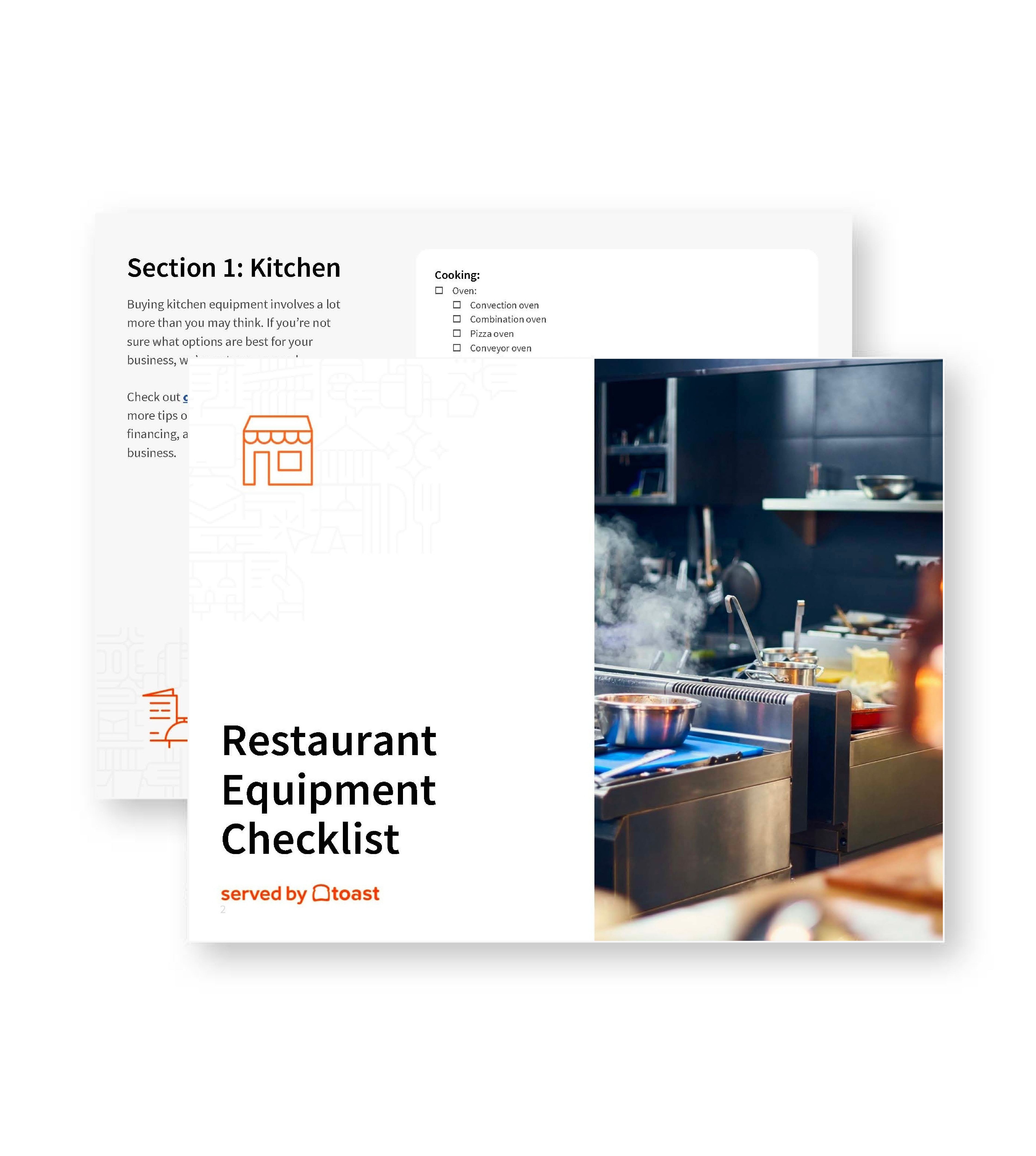
 RESOURCE
Restaurant Equipment Checklist
Opening or upgrading a restaurant? Don't miss any essential equipment! Download our free, comprehensive restaurant equipment checklist.
Obtener descarga gratisA restaurant kitchen equipment list includes cooking appliances, refrigeration, prep tools, storage, smallwares, cleaning equipment, and safety systems. The right mix depends on your menu, available space, and how much food you need to prepare during busy periods.
As orders come in, employees also need a clear way to see what to prepare and coordinate their stations. Toast hardware connects order entry, kitchen communication, and payments, helping your team keep service organized.
Here’s what to include on your equipment list, how needs vary by restaurant type, and what to consider before buying.
Key takeaways
Choose equipment around your menu, available space, and busiest service periods rather than buying everything on a standard checklist.
Plan complete workstations so storage, preparation, cooking, and cleanup support one another without creating bottlenecks.
Confirm installation requirements, utility capacity, and local approvals before purchasing, even when taking over an existing restaurant.
Budget for delivery, installation, energy, cleaning, and maintenance alongside the equipment’s purchase price.
Lista de verificación de equipos para bares
¿Estás por abrir o renovar un bar? ¡Que no te falte ningún equipo esencial! Descarga nuestra lista de verificación de equipos para bares gratuita.

Restaurant kitchen equipment list
Start by following food through your kitchen: receiving, storage, preparation, cooking, service, and cleanup. Each stage needs enough equipment and workspace to keep the next one moving.
Use an equipment checklist to organize purchases and identify gaps. The table below provides a starting point, not a requirement to buy every item.
Kitchen station or function | Equipment to consider | Main purpose |
Cooking and holding | Ovens, ranges, grills, griddles, fryers, holding equipment | Cook food and hold it appropriately before service |
Refrigeration and freezing | Reach-ins, freezers, refrigerated prep tables, walk-ins where needed | Store ingredients and keep prepared items accessible |
Food preparation | Worktables, mixers, processors, slicers, blenders | Prepare ingredients consistently and efficiently |
Storage and receiving | Shelving, containers, racks, carts | Organize deliveries, ingredients, and supplies |
Smallwares | Knives, cookware, utensils, scales, thermometers | Support preparation, portioning, and cooking |
Beverages and ice | Coffee equipment, ice machines, dispensers, filtration | Produce and serve drinks |
Dishwashing and cleaning | Appropriate sinks, dishwashers, drying racks, cleaning tools | Clean and sanitize utensils, equipment, and work areas |
Ventilation and safety | Appropriate exhaust systems, fire protection, protective equipment | Manage cooking emissions and workplace risks |
Orders and fulfillment | POS terminals, handhelds, kitchen displays or printers, pickup shelving | Communicate orders and organize preparation and handoff |
1. Cooking and holding equipment
Choose cooking equipment around what you serve and how quickly you need to produce it. A restaurant roasting vegetables and baking bread needs a different setup from one serving burgers and fried chicken.
Think beyond individual appliances, too. In Foodservice Equipment & Supplies’ reporting on fry stations, kitchen-design consultant Marcin Zmiejko explains: “In addition to the menu and volume, the proper equipment lineup will depend on the necessary turnaround time.”
For example, a fryer may also need nearby ingredient storage, breading space, and somewhere to drain or hold finished food. Your kitchen layout should make these tasks easy to move between without employees repeatedly crossing the room.
Ovens: Match convection, deck, combination, or other oven types to the cooking methods your menu requires.
Ranges and induction equipment: Consider the number of cooking positions, cookware compatibility, and available utilities.
Grills, griddles, and fryers: Choose capacity around expected demand for the dishes they produce.
Holding equipment: Provide appropriate space for food waiting between preparation and service.
Supporting workspace: Leave room for ingredients, utensils, plating, and safe cleaning access.
2. Refrigeration and freezing equipment
Cold storage needs to accommodate deliveries, prepared ingredients, and the products employees reach for during service. A walk-in may suit bulk storage, while a refrigerated prep table keeps ingredients close to the station using them.
Follow each model’s installation requirements and plan for maintenance. Managing food-safety and equipment risks includes protecting stored food when equipment needs attention.
Reach-in refrigerators and freezers: Provide accessible storage for everyday ingredients.
Undercounter units: Keep frequently used products near workstations.
Refrigerated prep tables: Combine ingredient access with preparation space.
Walk-ins: Consider them when inventory volume, delivery schedules, and available space justify the investment.
Specialized cooling equipment: Evaluate equipment designed for chilling cooked food when your production process requires it.
Temperature monitoring: Include suitable tools and procedures for checking storage conditions.
3. Food preparation equipment
Preparation equipment should support your recipes, batch sizes, and kitchen prep system. Start with the tasks employees repeat most often, then decide which machines can meaningfully help.
Worktables: Provide suitable surfaces and enough room for planned preparation tasks.
Mixers: Compare manufacturer capacity charts with your recipes and batch sizes.
Food processors, slicers, and blenders: Prioritize equipment that supports recurring menu preparation.
Preparation sinks: Confirm what your food-handling processes and local requirements call for.
Attachments and accessories: Allow space to store, remove, and clean them.
4. Storage and receiving equipment
Deliveries need somewhere to go before ingredients reach the cooking line. Smart storage organization helps employees put products away, find what they need, and see what’s running low.
Confirm applicable storage and clearance requirements with your local authority rather than assuming one rule applies everywhere.
Shelving: Organize dry ingredients, packaging, and other supplies.
Food containers and labels: Make contents easier to identify, date, and rotate.
Pan racks: Hold trays and prepared products where appropriate.
Carts and dollies: Help employees move deliveries and supplies through the kitchen.
Separate chemical storage: Keep cleaning products appropriately separated from food and food-contact items.
5. Smallwares and everyday kitchen tools
Smallwares are easy to underestimate until several stations need the same tool at once. Plan around mise en place: the ingredients and tools each employee needs ready before cooking begins.
Knives and cutting boards: Cut, trim, and prepare ingredients.
Mixing bowls and measuring tools: Support consistent recipe preparation.
Scales: Measure ingredients and portions.
Thermometers: Check food and equipment temperatures as appropriate.
Tongs, turners, ladles, and spatulas: Handle, cook, portion, and serve food.
Whisks, peelers, can openers, and strainers: Complete everyday preparation tasks.
Pots, pans, sheet pans, and food pans: Support cooking, baking, and holding.
Heat-resistant gloves and mitts: Help employees safely handle hot cookware.
6. Beverage and ice equipment
A simple coffee service needs less equipment than a menu featuring espresso drinks, smoothies, fountain beverages, and cocktails. Include drainage, cleaning access, and maintenance in the plan.
Coffee and espresso equipment: Match coffee brewing equipment, grinders, and accessories to your drink menu and busiest periods.
Ice machines and bins: Consider how much ice you’ll need available during service.
Blenders and dispensers: Include them when frozen drinks, fountain beverages, or other offerings justify the space.
Water filtration: Check equipment specifications and local water conditions.
Beverage refrigeration: Keep milk, juices, and other relevant ingredients accessible.
Plantillas de planos de planta de restaurantes
Usa estas plantillas de planos de planta de restaurantes para inspirarte o como un mapa para orientarte. También puedes reimaginar el diseño y la configuración de los espacios de tu restaurante.
7. Dishwashing, sinks, and cleaning equipment
Handwashing, food preparation, warewashing, and janitorial tasks serve different purposes, so confirm the appropriate setup with your local health authority before purchasing. Match your purchases to a cleaning checklist so employees have the supplies needed to maintain each area.
Sinks: Verify the required types, configurations, and locations.
Commercial dishwashers: Match capacity to your dishes, cookware, and service volume.
Drainboards and drying racks: Provide space for handling and air-drying cleaned items.
Cleaning and sanitizing supplies: Include appropriate products, tools, and testing supplies.
Waste handling: Plan suitable bins and storage arrangements.
Running costs matter, too. ENERGY STAR estimates that certified commercial dishwashers can save businesses an average of $360 annually on energy bills and more than 5,600 gallons of water per year compared with standard models, depending on product type.
8. Ventilation and safety equipment
Cooking equipment and building systems should be planned together. Moving into a former restaurant doesn’t automatically mean its existing ventilation will suit your menu and equipment. Use a safety checklist to connect equipment inspections with training and everyday routines.
Hoods and exhaust: Have a qualified professional evaluate the system against the proposed cooking equipment.
Air supply: Include the building’s replacement-air needs in ventilation planning.
Fire protection: Confirm required suppression systems and suitable extinguishers with the correct authorities.
Protective equipment: Consider heat, slips, and other task-specific hazards.
Inspection and access: Leave room for cleaning, servicing, and emergency procedures.
9. POS hardware, kitchen communication, and order fulfillment
Even a well-equipped cooking line needs clear order information. Employees must know what to prepare, which modifications apply, and how completed items should come together. Choose technology around how orders enter your restaurant and move through the kitchen.
The right combination depends on your service model. Not every restaurant needs every device.
Toast Flex: Gives employees a fixed station for entering and managing orders.
Toast Go® 3 handhelds: Let employees take orders and payments near guests.
Toast Kitchen Display System: Sends order information to kitchen screens, helping teams coordinate stations and monitor preparation times.
Kitchen printers: Support operations that prefer printed tickets or need them alongside screens.
Expediting and pickup space: Provides room to check, package, and hand off completed orders.
How equipment needs change by restaurant type
The core categories are similar, but priorities change with the menu and service experience. Use these examples to adapt your list rather than treating them as complete equipment setups.
Pizza restaurants: Ovens, mixers, dough storage, refrigerated preparation space, and pizza tools support production. A pizza POS system helps communicate sizes, toppings, and other order details to the kitchen.
Bars: Ice production, beverage refrigeration, and glass washing often take priority, with cooking equipment determined by the food menu. A bar POS system helps employees manage drink orders, tabs, and payments.
Cafes and bakeries: Coffee equipment, mixers, ovens, cooling racks, displays, and proofing equipment where needed support the menu. Toast for cafes and bakeries connects counter orders with preparation and payment.
Food trucks: Compact equipment, secure storage, utility capacity, and vehicle limitations shape the setup. A food truck POS system supports ordering and payments in a mobile service environment.
How to choose and budget for restaurant kitchen equipment
The purchase price is only part of the budget. Equipment also needs to be delivered, installed, connected, cleaned, maintained, and eventually replaced. Give each proposed purchase a clear job, then compare what it will cost to do that job over time.
If you’re taking over an equipped space or upgrading an existing kitchen, evaluate what can stay. In FE&S’s repair-or-replace reporting, service specialist Scott Hester recommends weighing replacement cost against the current repair bill and likely future repairs.
Explore equipment financing alongside the purchase decision, comparing repayment obligations with your budget.
Start with the menu: Identify the preparation, cooking, storage, and service tasks each item supports.
Plan for peak demand: Check whether preparation, cooking, holding, and washing capacity can keep up during your busiest periods.
Measure the full installation: Include doorways, delivery routes, operating clearances, and access for maintenance.
Confirm utilities and approvals: Review electrical, plumbing, gas, and ventilation needs before placing orders.
Compare new, used, and leased options: Consider condition, warranty, service availability, expected life, and contract terms.
Budget beyond the appliance: Include delivery, installation, utility work, accessories, and training.
Account for ongoing costs: Estimate energy, water, cleaning, maintenance, and relevant software expenses.
Separate essentials from later purchases: Equip the opening menu before spending on possible future additions.
Coordinate equipment delivery and installation with staff training and the wider opening schedule. Toast’s tools for opening a new restaurant can help with the ordering, payment, and kitchen systems your team will use from the start.
Build a kitchen that’s ready for service
Your equipment should help employees move easily from prep to cooking to handing off a finished dish. Planning around your menu and busiest shifts gives each station the tools it needs, while clear order information helps the team work together.
Toast hardware connects the people taking orders with the kitchen preparing them. With order details and guest requests reaching kitchen screens, your team can stay organized and focus on getting good food to guests.
Restaurant Prep List Template
Use this free template to organize daily tasks for prep cooks, keep your team aligned, and make sure your kitchen runs smoothly from open to close.
FAQ
What is restaurant kitchen equipment?
Restaurant kitchen equipment includes the appliances, tools, and systems used for food storage, preparation, cooking, service, and cleanup.
What is the most important piece of restaurant kitchen equipment?
The most important piece depends on your menu, such as an oven for a pizza restaurant or a griddle for a burger concept.
How much does restaurant kitchen equipment cost?
Costs vary by menu, capacity, equipment condition, and installation needs. Build an itemized budget that includes delivery, installation, and ongoing operating expenses.
Should I buy new or used restaurant equipment?
New equipment may offer stronger warranty protection, while used equipment can reduce upfront costs if its condition, capacity, and expected repair needs suit your operation.
What should I look for when choosing a restaurant equipment supplier?
Look for a supplier who understands your menu and space, provides clear pricing and warranty terms, and offers dependable delivery and service support.


¿Es útil este artículo?
AVISO LEGAL: Esta información se proporciona solo con fines informativos generales y su publicación no constituye un aval. Toast no garantiza la precisión ni la integridad de la información, el texto, los gráficos, los enlaces y otros elementos que incluye este contenido. Toast no garantiza que alcanzarás ningún resultado específico si sigues los consejos que aparecen aquí. Te recomendamos consultar con un profesional, como un abogado, contador o asesor comercial, para recibir asesoramiento específico para tu situación.

Subscribe to On the line
Sign up to get industry intel, advice, tools, and honest takes from real people tackling their restaurants' greatest challenges.
Al enviar, aceptas recibir correos electrónicos de marketing de Toast. Trataremos tu información de acuerdo con nuestra declaración de privacidad. Información adicional disponible para residentes de California aquí.