
How Much Does A Burger Cost?
Breaking down the true cost of a burger in 2025, from beef patty to bun—plus how restaurants price this American staple to stay profitable.

Autor
 RECURSO
 Calculadora de margen de ganancia para restaurantes
Esta calculadora gratuita de margen de ganancia para restaurantes te ayudará a determinar con qué nivel de eficiencia estás transformando tus ingresos por ventas en ganancias.
Obtener descarga gratisWalk into any restaurant in America today, and you'll pay a median of $14.39 for a burger. That figure reflects complex ingredient costs, supply chain pressures, and restaurant economics that most diners never see.
The sticker shock is real. McDonald's Quarter Pounder with cheese now costs $5.39, up 20% from $4.49 in 2019, while menu prices across major chains have risen 39% to 100% from 2014 to 2024—far outpacing the overall inflation rate during that period.
But what exactly goes into that $14.39? Let’s dive in.
The beef patty
The beef patty is the main character, both in flavor and cost. At roughly 60-65% of total ingredient expenses, that quarter-pound of ground beef represents the burger's biggest investment. Restaurant operators currently pay around $4.54 per pound for beef, translating to approximately $1.14 for a standard 4-ounce patty.
Here's where it gets interesting: not all beef is created equal. The 80/20 lean-to-fat ratio costs more than leaner alternatives, yet delivers the flavor that keeps customers returning.
Supply chain disruptions have pushed beef prices higher in recent years. The USDA data shows thatground beef prices increased 16.2% year-over-year, rising by 21 cents between May 2024 and May 2025. This increase is attributed primarily to tight supply in the beef cattle industry, along with decreasing herd sizes, labor shortages at meatpacking plants, and export demands.Labor costs in particular remain "ahead of historical averages" according to industry analysts, with some states requiring restaurant chains to pay $20 per hour minimum wage. Some restaurants have responded by slightly reducing patty sizes or adjusting their meat blends—subtle changes that help them maintain flavor profiles while protecting margins.
The bun
Often overlooked, the bun represents roughly 15-20% of ingredient costs. According to USDA data,2 ounces of bread costs approximately $0.19 for home preparation, though restaurant-quality buns typically cost more at $0.35-$0.45 each. This seemingly simple component carries outsized importance—the wrong bun collapses under a juicy patty or overwhelms the burger's flavors.
Premium brioche buns can double costs while elevating perceived value significantly. Artisanal bakeries come with higher prices, yet many restaurants find the investment worthwhile for differentiation.
The rise of specialty dietary needs has created new cost categories. Gluten-free buns typically cost 2-3 times more than traditional options, creating menu engineering challenges for restaurants trying to accommodate all customers profitably.
Cheese
American cheese remains the classic choice, costing restaurants roughly $0.35-$0.50 per burger. Cheese selection dramatically impacts both cost and character. While basic processed cheese keeps expenses manageable, artisanal varieties like aged cheddar, Gruyère, or locally-sourced options can triple cheese costs.
The cheese choice reflects restaurant positioning. Fast-casual operations might splurge on premium Wisconsin cheddar to justify higher prices, while quick-service restaurants optimize for consistency and cost control with processed options.
Portion control matters enormously here. An extra half-ounce of cheese might seem negligible to customers while adding $0.15-$0.20 per burger, but that is meaningful money when multiplied across thousands of monthly sales.
Vegetables and condiments
Fresh vegetables contribute approximately 10-15% of ingredient costs while facing significant volatility. The USDA data shows that vegetables have actually decreased in cost recently, with iceberg lettuce (1 ounce) and tomatoes (2 ounces) each dropping 1-2 cents between May 2024 and 2025. However, California's drought conditions and labor shortages continue to create supply chain pressures, with produce prices facing seasonal fluctuations.
These items also carry high waste risk—wilted lettuce or overripe tomatoes directly impact profitability. With their relatively small cost contribution,bread, iceberg lettuce, and tomatoes account for a comparatively small proportion of the cheeseburger's total cost.
Condiments present their own calculations. House-made sauces differentiate restaurants while increasing labor costs and complexity. Standard ketchup, mustard, and mayonnaise might add only $0.10-$0.15 per burger, while signature sauces requiring multiple ingredients and preparation time can triple condiment costs.
Calculadora de margen de ganancia para restaurantes
Esta calculadora gratuita de margen de ganancia para restaurantes te ayudará a determinar con qué nivel de eficiencia estás transformando tus ingresos por ventas en ganancias.

Hidden costs
Beyond ingredient costs lurk the expenses customers never see. Labor represents the largest non-food cost, with burger preparation, cooking, and assembly requiring skilled coordination. A single burger might require 3-4 minutes of kitchen labor, translating to $2-$3 in labor costs depending on local wage rates. Rising labor costs have become a major factor driving menu price increases across the industry.
Overhead expenses—rent, utilities, insurance, equipment maintenance—typically account for another 20-30% of the menu price. That $14.39 burger needs to generate enough gross profit to cover these fixed costs while leaving room for actual profit.
Food waste quietly erodes margins. Spoiled ingredients, overcooked patties, or incorrect orders create invisible costs that restaurants must absorb. Industry data suggests food waste can account for 4-10% of total food costs, making inventory management crucial for profitability.
Regional variations
Geography dramatically influences burger costs. Hawaii tops the nation with ingredient costs of $2.75 per homemade burger, while Arizona maintains the lowest at $2.16. These variations reflect local supply chains, labor costs, and market dynamics.
Restaurant pricing
Restaurants typically target 28-35% food cost percentages, meaning a $14.39 burger should cost roughly $4-$5 in total ingredients. This formula allows operators to cover labor, overhead, and generate profit while maintaining competitive pricing.
Menu engineering plays a crucial role. Restaurants might accept lower margins on signature burgers to drive traffic, compensating with higher-margin sides and beverages.
The burger's enduring popularity stems partly from this economic sweet spot—substantial enough to justify premium pricing, yet familiar enough to maintain broad appeal. Rising prices haven't diminished demand, suggesting customers accept higher costs for quality experiences. However, 78% of consumers now consider fast food a "luxury" purchase due to increasing costs, forcing restaurants to reintroduce value menus to recapture price-conscious diners.
FAQ
How much profit do restaurants make on burgers? Restaurants typically aim for 40%+ gross profit margins on burgers after food costs, though net profit varies significantly based on labor and overhead expenses.
Why are restaurant burgers so much more expensive than homemade? Restaurant pricing includes labor, rent, insurance, equipment, utilities, and profit margins—costs that don't exist for home cooking. A $2.22 homemade burger becomes $14+ in restaurants due to these operational expenses.
What's the most expensive ingredient in a burger? The beef patty represents 60-65% of ingredient costs, typically costing restaurants $1.14 for a quarter-pound portion before cooking loss.
How do restaurants control burger costs? Operators track ingredient prices closely, adjust portion sizes, negotiate supplier contracts, minimize waste, and use menu engineering to balance high and low-margin items.
Why do burger prices keep rising? Rising beef prices, labor shortages, supply chain disruptions, increased minimum wages, and general inflation all contribute to higher burger prices. Median burger prices increased 3.2% year-over-year in 2025. Some chains have raised prices by more than double the actual inflation rate since 2014.
¿Es útil este artículo?
AVISO LEGAL: Esta información se proporciona solo con fines informativos generales y su publicación no constituye un aval. Toast no garantiza la precisión ni la integridad de la información, el texto, los gráficos, los enlaces y otros elementos que incluye este contenido. Toast no garantiza que alcanzarás ningún resultado específico si sigues los consejos que aparecen aquí. Te recomendamos consultar con un profesional, como un abogado, contador o asesor comercial, para recibir asesoramiento específico para tu situación.
 Tendencias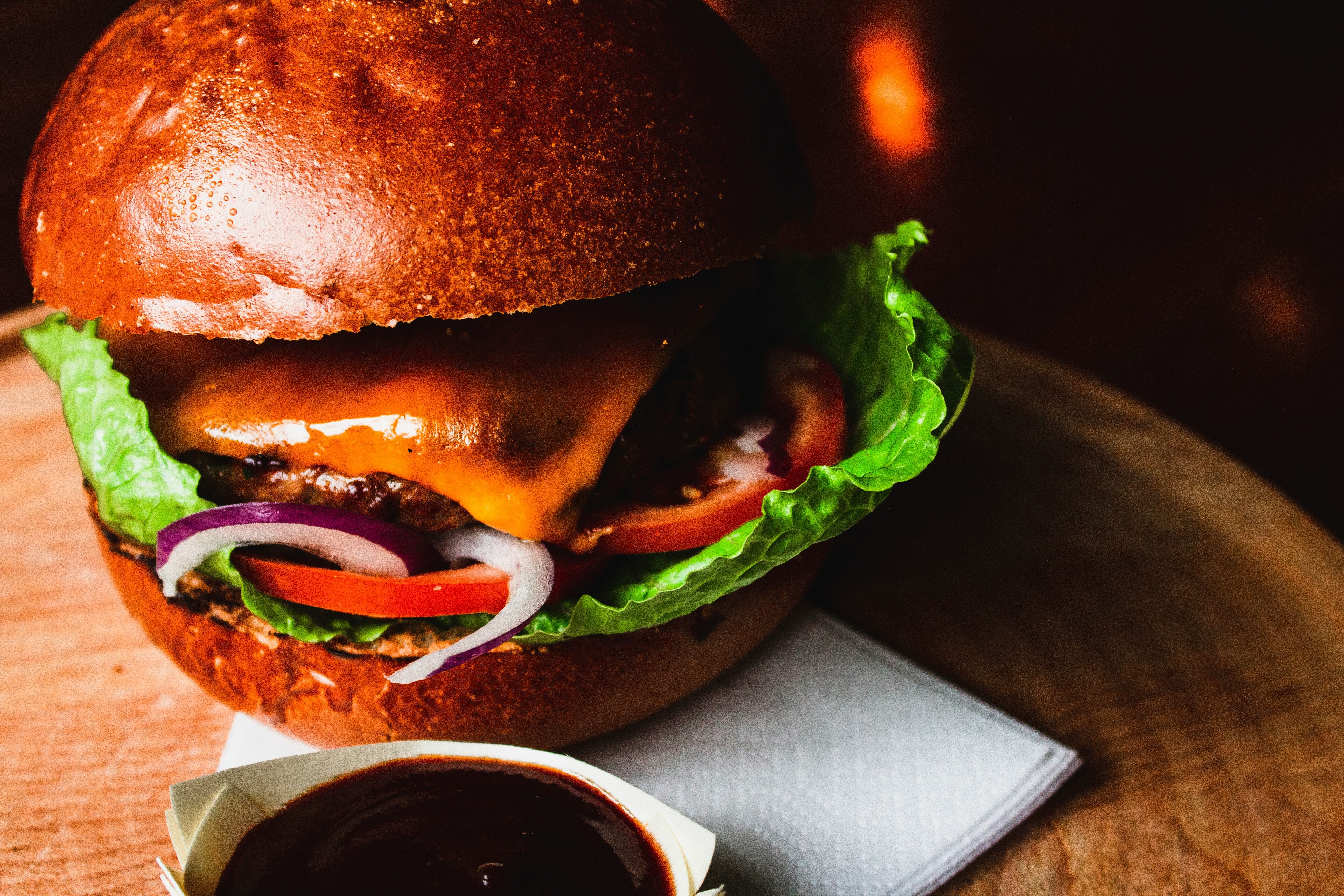


Subscribe to On the line
Sign up to get industry intel, advice, tools, and honest takes from real people tackling their restaurants' greatest challenges.
Al enviar, aceptas recibir correos electrónicos de marketing de Toast. Trataremos tu información de acuerdo con nuestra declaración de privacidad. Información adicional disponible para residentes de California aquí.