
Freezer Inventory Sheet: How To Manage Frozen Food Like a Pro
Organized freezers improve food safety, cut waste, and support smooth service. Learn how to set up a freezer inventory sheet for your restaurant.
Autor
 RECURSO
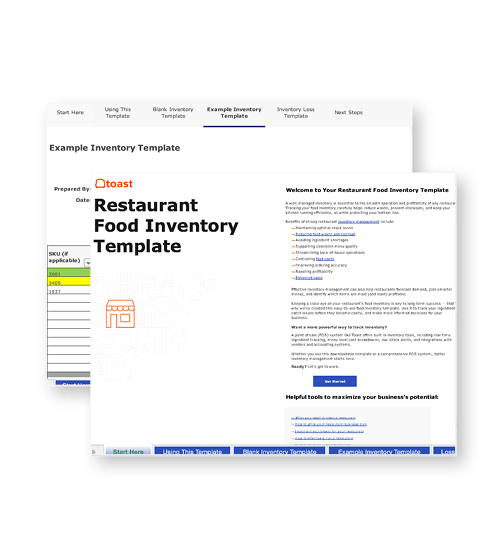
 Plantilla de inventario de alimentos para restaurantes
Utiliza esta plantilla gratuita de inventario de alimentos para ayudar a tu empresa a mantenerse organizada y gestionar el inventario con facilidad.
Obtener descarga gratisFreezers play a bigger role in restaurant inventory than many people realize. According to service industry expert Emily M. Alexander, frozen foods—from chicken wings and mozzarella sticks to shrimp, stuffed pasta, and cheesecake—are staples in bars, diners, and even many sit-down restaurants. And for good reason: frozen ingredients are cost-effective, reduce spoilage, and help keep service fast and consistent.
But without a system in place, those time-saving ingredients can quickly turn into a disorganized mess. A freezer inventory sheet helps your team track what’s in stock, what’s expiring, and what needs to be used—before it gets buried behind a bag of frozen fries.
In this guide, we’ll break down what to include, how to use it, and how a simple freezer sheet can help your kitchen stay efficient, compliant, and waste-free.
Key takeaways
A freezer inventory sheet reduces waste by helping staff track stock levels, use-by dates, and storage locations.
Clear labeling and consistent updates make it easier to rotate inventory and follow FIFO practices.
Organized layouts and labeled bins improve kitchen efficiency and prevent forgotten ingredients.
Proper freezer tracking supports food safety, cost control, and smoother day-to-day operations.
Plantilla de inventario de alimentos para restaurantes
Utiliza esta plantilla gratuita de inventario de alimentos para ayudar a tu empresa a mantenerse organizada y gestionar el inventario con facilidad.

What is a freezer inventory sheet?
A freezer inventory sheet is a simple tool that helps you keep track of everything stored in your freezer—what it is, how much you have, and when it needs to be used. It acts as a real-time snapshot of your frozen stock, making it easier to manage food prep, prevent waste, and avoid running out of key ingredients.
Unlike dry storage or fridge inventory sheets, a freezer inventory focuses specifically on frozen goods, which tend to be bulkier, harder to access, and easier to forget about.
Why should you use a freezer inventory sheet?
Running a kitchen without a freezer inventory sheet is like flying blind. It’s easy to lose track of what’s in stock, forget about ingredients buried in the back, or accidentally let items expire. That leads to unnecessary waste, higher food costs, and stressful last-minute prep scrambles. According to Chef Thomas Reynolds, culinary director at a regional restaurant group:
“Every minute spent on food preparation directly impacts your labor costs… Frozen products that arrive pre-cut, portioned, and sometimes even pre-cooked can reduce prep time by 25–40% for certain menu items.”
But to take full advantage of those time-saving ingredients, you need a system that keeps everything organized and visible. That’s where a freezer inventory sheet comes in. It helps you:
Keep customers safe by preventing expired or improperly stored food.
Support FIFO (first in, first out) stock rotation.
Avoid over-ordering or duplicate purchases.
Save time during prep and restocking.
Simplify health inspections with clear labeling and documentation.
Improve communication and accountability across shifts.
What to include on your freezer inventory sheet
A freezer inventory sheet should be easy to scan, easy to update, and tailored to the way your kitchen operates. Here are the key fields include:
Item name: Be specific (e.g., “5 oz salmon filets” vs. “fish”).
Quantity: Include units (pounds, trays, portions, etc.).
Date frozen: When the item was added to the freezer.
Use-by date: Based on quality guidelines or your kitchen’s standards.
Storage location: Shelf number, bin label, or section (especially useful for chest freezers).
Notes: Thawing instructions, prep steps, or supplier details.
Other fields you may want to include in your freezer inventory sheet are:
Category: Helps group items by type (protein, produce, pastry, etc.).
Unit cost: Useful for cost control and ordering decisions.
Barcode or SKU: Great if you’re integrating with digital inventory systems.
How to use your freezer inventory sheet
An inventory sheet only works if it’s used consistently. Build it into your routine by assigning ownership, setting a regular schedule, and making the sheet easily accessible to everyone on staff. Here’s how to get the most out of it:
Designate a point person: Assign someone on each shift—or weekly—to update the sheet and cross-check items during prep or restocking.
Update it regularly: Add new items as they’re frozen, cross off what’s been used, and adjust quantities as needed.
Keep it visible or digital: Post a printed copy near the freezer or use a shared digital sheet in Google Sheets, Excel, or your inventory software.
Sync with your ordering system: Use the sheet to guide restocks, reduce overordering, and track usage trends.
Tie it to your prep routine: When pulling frozen items for the day, check the sheet to ensure you're using the oldest items first.
Remember, the goal isn’t to create more work—it’s to make sure the work you’re already doing is smarter and more efficient!
Freezer inventory sheet template
A good inventory sheet should be simple to fill out, easy to update, and tailored to the way your team works. You can use a printed version on a clipboard near the freezer, or create a digital copy in Google Sheets or Excel for real-time collaboration. Here’s a basic example layout:
Item name | Quantity | Date frozen | Use-by-date | Storage location | Notes |
Chicken thighs | 2 trays | 7/30/25 | 9/15/25 | Bottom drawer | Thaw overnight before prep |
Broccoli florets | 5 lbs | 7/25/25 | 10/25/25 | Top left bin | Pre-blanched, ready to use |
Pie crusts (uncooked) | 12 shells | 8/1/25 | 11/1/25 | Middle shelf | N/A |
You can also add optional columns for unit cost, supplier, or category tags if you’re using the sheet for purchasing or food cost tracking.
Tips for organizing and labeling your freezer
A little upfront organization goes a long way in saving time, reducing spoilage, and keeping your team on the same page. Pairing a good layout with strong labeling practices makes your inventory sheet even more effective. Here are some practical tips to keep your freezer clean, efficient, and easy to navigate:
Use labeled bins by protein or ingredient type: Grouping items into categories like seafood, vegetables, and desserts keeps things easy to find.
Label and date everything: Use waterproof pens or freezer-safe labels to make sure key info doesn’t fade or smudge.
Use clear containers when possible: This allows staff to quickly identify what’s inside without opening everything.
Maintain a consistent layout: Assign fixed zones or shelves to specific categories so your team always knows where to look.
Use sorting functions in digital sheets: If you’re tracking inventory in Excel or Google Sheets, use filters to sort by expiration date, storage location, or quantity.
Ice cold inventory control
With simple inventory sheets and a few smart organization habits, you can keep your frozen goods visible, trackable, and ready to use. No more forgotten ingredients in the back or guessing what needs to be reordered.
Whether you go digital or stick with pen and paper, the key is consistency. Take a few minutes to set up your system now, and you’ll save hours (and dollars) down the line.
FAQ
How often should freezer inventory be counted?
Most restaurants do inventory check-ins 1-2 times per week. For high-volume kitchens, a quick daily check and weekly full count can help catch errors, prevent spoilage, and keep your inventory sheet accurate.
What temperature should restaurant freezers maintain?
Restaurant freezers should maintain a temperature of 0°F (-18°C) or lower to keep food safely frozen and prevent bacterial growth. Regularly check and log temperatures to stay in compliance with health codes.
How does FIFO apply to freezer inventory management?
FIFO stands for First In, First Out. It means using the oldest frozen items first to prevent spoilage and reduce waste. A freezer inventory sheet helps you track dates and rotate stock properly.
What information should be included on freezer inventory sheets?
A good freezer inventory sheet should include:
Item name
Quantity (with units)
Date frozen
Use-by or expiration date
Storage location
Notes (e.g., thawing instructions or prep details)
How can technology improve freezer inventory management?
Using digital inventory sheets or restaurant software makes it easier to update inventory in real-time, sort by expiration date, and share updates across shifts. Many platforms also integrate with ordering systems for smarter restocking.
What are the main benefits of systematic freezer inventory management?
Tracking your freezer inventory helps you reduce waste, avoid over-ordering, save time during prep, and stay compliant with health inspections. It also improves communication between shifts and gives managers better visibility into food usage and costs.
¿Es útil este artículo?
AVISO LEGAL: Esta información se proporciona solo con fines informativos generales y su publicación no constituye un aval. Toast no garantiza la precisión ni la integridad de la información, el texto, los gráficos, los enlaces y otros elementos que incluye este contenido. Toast no garantiza que alcanzarás ningún resultado específico si sigues los consejos que aparecen aquí. Te recomendamos consultar con un profesional, como un abogado, contador o asesor comercial, para recibir asesoramiento específico para tu situación.
 Tendencias

Subscribe to On the line
Sign up to get industry intel, advice, tools, and honest takes from real people tackling their restaurants' greatest challenges.
Al enviar, aceptas recibir correos electrónicos de marketing de Toast. Trataremos tu información de acuerdo con nuestra declaración de privacidad. Información adicional disponible para residentes de California aquí.