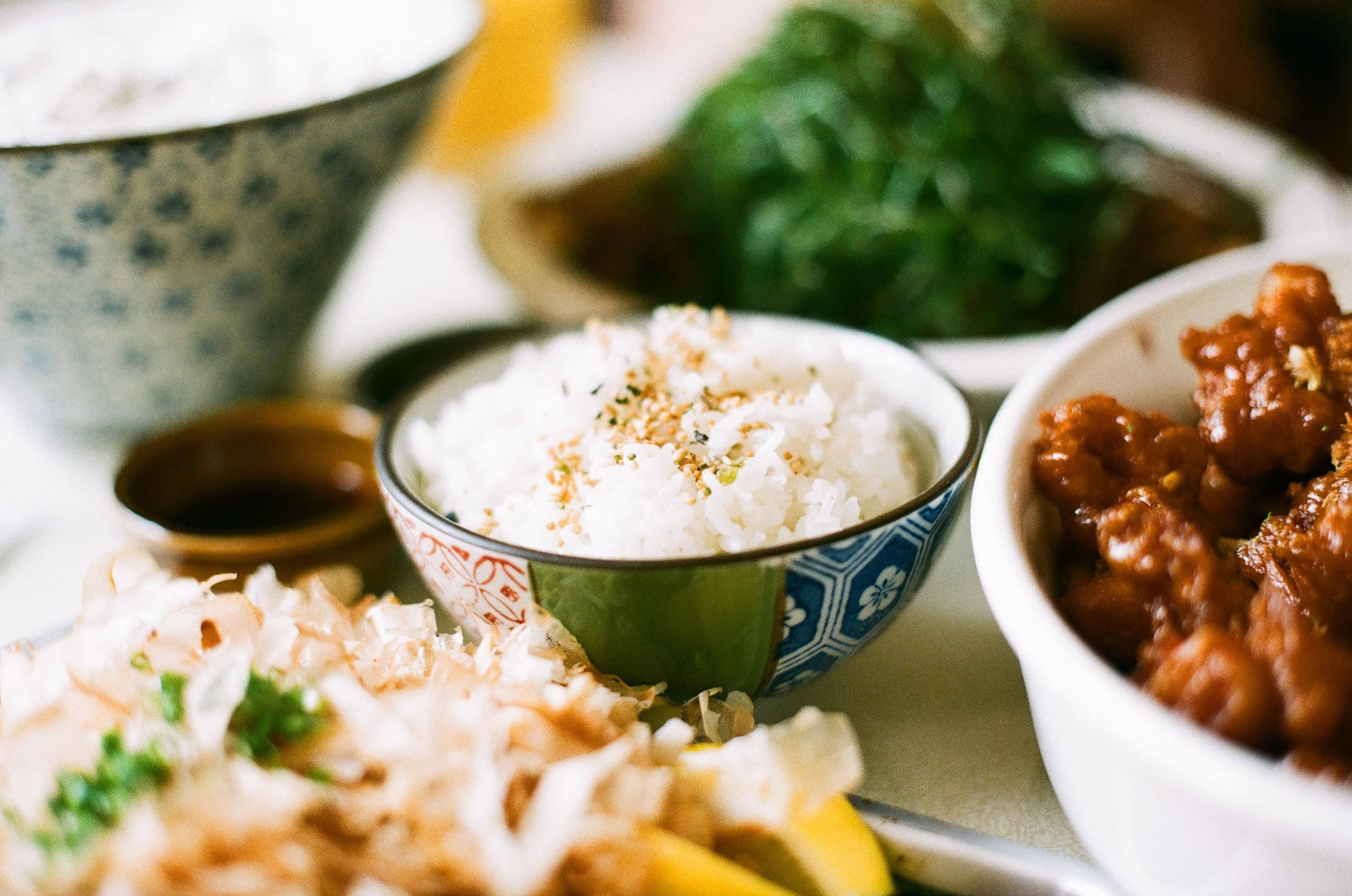
Different Types of Rice Explained
Rice is sometimes called “the world’s staple” because it is nutritious and abundant, and there are many different types of rice to work with.
Autor
Rice is an ubiquitous staple of food cultures across the world. Whether cooking with wild rice, Asian rice, or African rice, the grain is an ideal vessel for stews, sauces, and stir-frys.
Types of Rice
Rice plants belong to one of two genus – Oryza and Zizania – but most of the rice grown for commercial and consumer use is Oryza. Rice is further categorized by its flavor, color, aroma, and glutinousness (stickiness), as well as by the length of the grain.
Asian Rice
Asian rice – Oryza sativa – is part of a grass that was first cultivated in China over 8,200 years ago. There are over 40,000 different varieties of Asian rice, which are broken into four major subspecies: indica, japonica, aromatic, and glutinous.
The two major subspecies are the long-grained indica and the short-grained japonica. Oryza japonica is grown mostly in China but is cultivated across the world. Oryza indica is grown in the Asian subtropics, like the Philippines, India, Indonesia, and some African countries.
African Rice
African rice – Oryza glaberrima -- is a domesticated rice species from about 2,000 years ago. It’s largely grown in West Africa. African rice has been shown to have smaller yields than O. sativa, but the plants are also more resistant to pests and disease.
Wild Rice
Another plant gets credit for producing what Americans call “wild rice” – Zizania aquaticais. It’s the product of a grass like Oryza, but is native to North America. The growing conditions for the plant are similar to those of O. sativa.
Curso sobre ingeniería de menús
Realiza este curso para sacar el máximo provecho a tu menú. Obtén información sobre psicología y diseño aplicados a los menús, cómo administrar tu menú en línea y cómo adaptar tu menú para aumentar las ventas.


Subscribe to On the line
Sign up to get industry intel, advice, tools, and honest takes from real people tackling their restaurants' greatest challenges.
Al enviar, aceptas recibir correos electrónicos de marketing de Toast. Trataremos tu información de acuerdo con nuestra declaración de privacidad. Información adicional disponible para residentes de California aquí.
Characteristics of Rice
Types of rice are categorized by their unique flavors, scents, or biological structure. There are even certain types of rice that are used to make commercial products like paper.
Flavor
The flavor of rice is often described as neutral, but especially flavorful rice might be subtly nutty or floral, depending on the variety and the region in which it was grown.
Color
All rice starts off as brown or “unpolished” rice. Brown rice can be preserved for consumption or “polished” to create white rice. White rice is milled to remove the brown bran layer of the grain – this is the case for every variety of rice. Brown rice is often considered healthier because the bran layer adds fiber and nutrition, but it takes longer to soften when cooking.
Aroma
Certain types of rice are cultivated for the floral aroma they release when cooking, as well as similar notes they contribute to the dish.
Grain Length
The varieties of Oryza sativa are also often characterized by the length and circumference of the grain. The grain-to-length ratio is measured after the rice is cooked, determining if the variety is long, medium, or short-grain rice.
Long-grain rice is about 4 to 5 times longer than it is wide after being cooked, while medium-grain rice is 2 to 3 times longer than it is wide. Short-grain rice is round, being about as wide as it is long.
Stickiness or Glutinousness
Certain varieties of rice are cultivated to increase the amount of gluten in the rice, in order to make it stickier. Sticky rice has various culinary uses, especially in Asian cuisine.
Types of White Rice
White rice is incredibly versatile, highly popular, and widely available. It often has a slightly floral flavor profile or nutty notes.
Parboiled
Parboiled rice is pre-cooked in a pressure process that gelatinizes the starch in the grain, and allows it to cook quickly. The process also increases the shelf life of the grain.
Arborio
Arborio is a variety of short-grained and starchy rice that's popular in Italian cooking. Risotto is a dish traditionally made with Arborio.
Valencia Rice
Valencia is a short-grain round rice that is excellent at absorbing liquids. It’s traditional in Spanish cooking, and used in the preparation of paella.
Calrose Rice
Calrose rice is a medium-grain variety that’s cultivated and grown in California, and a staple of American cooking.
Sushi Rice
Sushi rice (or sticky rice) is made from glutinous medium or short-grain rice. A common practice is to wash the starch from the rice before preparing, and to add seasonings or sauces —such as sugar and vinegar—to make the rice hold together when shaped.
Jasmine
Jasmine is a long-grain white rice named for its floral aroma and taste. It’s popular in Thai and other Southern Asian culinary traditions.
Basmati
Basmati is another variety of floral rice that is cultivated, grown, and eaten in India. The long-grain white rice is steamed dry so that it can release its aroma when served.
Brown Rice
Brown rice is more chewy, fibrous, and pungently nutty than white rice. It’s offered as an alternative to white rice in health food stores and restaurants across the US. Since it’s unprocessed, most of the rice varieties mentioned above have a brown rice counterpart.
Black Rice
Black rice is sometimes called “forbidden rice,” because the working classes in China couldn’t afford to buy or eat it. Black rice is a glutinous, long-grain variety of O. Sativa that is native to Southern Asian countries like the Philippines and Thailand.
Types of Wild Rice
Wild rice comes in all shades of brown and is usually sold after minimal drying and processing. Black, brown, or beige wild rice is nutty and sometimes sulfurous, and is prized for its nutritional value and unique taste.
From accurate orders to real-time inventory, Toast supports the fast, detail-driven world of sushi, so you can drive revenue and delight guests. Learn more here.
¿Es útil este artículo?
AVISO LEGAL: Esta información se proporciona solo con fines informativos generales y su publicación no constituye un aval. Toast no garantiza la precisión ni la integridad de la información, el texto, los gráficos, los enlaces y otros elementos que incluye este contenido. Toast no garantiza que alcanzarás ningún resultado específico si sigues los consejos que aparecen aquí. Te recomendamos consultar con un profesional, como un abogado, contador o asesor comercial, para recibir asesoramiento específico para tu situación.
 Tendencias

Subscribe to On the line
Sign up to get industry intel, advice, tools, and honest takes from real people tackling their restaurants' greatest challenges.
Al enviar, aceptas recibir correos electrónicos de marketing de Toast. Trataremos tu información de acuerdo con nuestra declaración de privacidad. Información adicional disponible para residentes de California aquí.