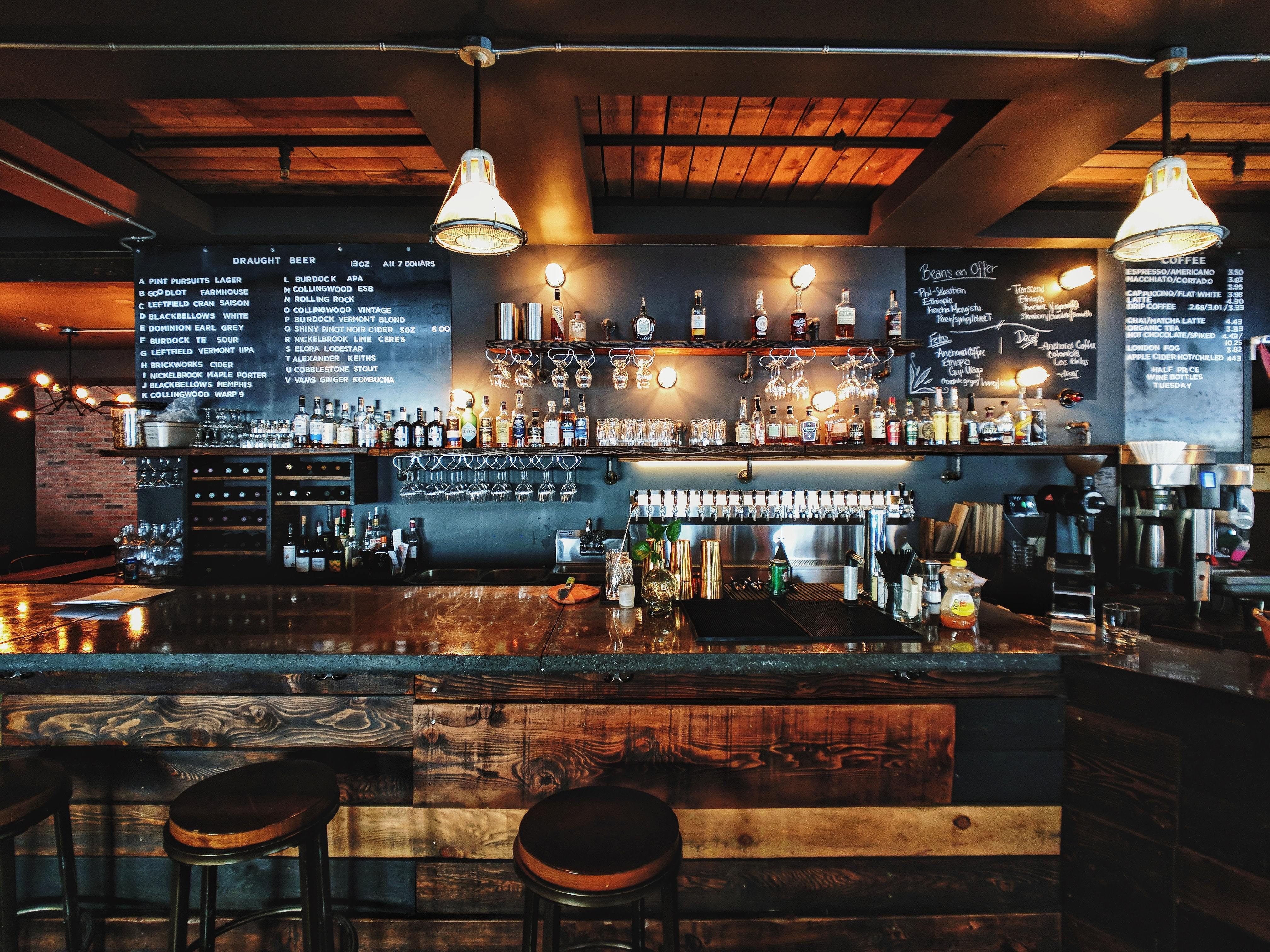
A Crash Course in Restaurant Music Licensing Laws
Check out our crash course on everything you need to know about restaurant music licensing laws and fees in your restaurant.
作者
So you want to play music in your bar or restaurant? Let’s face it. Every restaurant needs it. We have all experienced that moment when the music shuts off and silence blankets the room, leaving private conversations vulnerable to public ears.
The development of new technology has changed the music industry from the inside out. The way artists both sell their music and make their living from it is completely different. With this change came additional needs for restaurant music licensing laws and regulations.
Here's your crash course in restaurant music licensing, including fees and laws.

The United States Copyright Act of 1976
The United States Copyright Act of 1976 protects original works of authorship. The author has exclusive rights and the option to retain, license, or sell exclusive rights to others interested in owning or commercially exploiting them.The actual copyright allows the owner or holder to prevent the use of material without the expressed consent of the owner. Unauthorized use of copyrighted work results in copyright infringement, and the party in question could be subjected to major fines and immediately need to cease use of the work.
Here is where music licensing comes in. Music licensing, is essentially, the process of getting permission to use a copyrighted work in specific contexts. The context relevant here is the licensing you need to play copyrighted music, to a public audience, in the location of your restaurant or bar.
Public Performance Right and License
A “public performance” is one that occurs either in a public place where people gather or a transmission to the public, for example, radio or TV broadcasts, and via the internet.
Performance Rights Organizations (PROs) usually control these public performance licenses. Their role is to represent songwriters and publishers and negotiate “blanket” licenses to television and radio stations, retail stores, restaurants and bars, music venues -- anywhere that would be playing background music that a public audience can listen to. They are also in charge of monitoring this space and making sure all of these organizations are complying with the correct laws. They then pay performance royalties to the songwriters and publishers based on the frequency of usage of each copyrighted work.
Common Misconception:
A common misconception we find is that restaurant and bar owners think that because they personally pay for a subscription to a streaming service such asSpotify or Pandora, that means you are paying the appropriate fees. This is false information. You must pay a fee to a PRO or to a music service that has paid the appropriate fees on your behalf, to be able to play your music legally. You cannot play copyrighted music (basically any song by an artist that is signed by a label) in your restaurant or bar unless you do so.
How to Manage a Restaurant
Improve the way you manage your restaurant's staff, operations, technology, finances, and everything else in between.

The PROs
So, who are these PROs? There are three main companies in the United States: SESAC, ASCAP and BMI. These three companies represent millions of artists and musical works. They are able to create “blanket” pricing which means that you can pay one fee which will cover licensing for all of the artists and musical works represented by the PRO.
Restaurant Music Licensing Fees
Licensing fees are generally paid yearly and can vary depending on a number of factors including: whether you charge a cover charge, if the music is live or or audio only, the size of your location, how many nights a week you offer music, and whether you include visuals as well.
What if I don't pay?
The short answer? Do the right thing and pay your licensing fees. You are supporting artists and allowing them to continue doing what they do best. As technology has developed, the ability for artists to receive fair payment has diminished, a lot. If you are thinking it’s not worth the yearly cost, here is what you are risking.
It is possible to avoid paying licensing fees due to the sheer fact that there are too many businesses in the United States to keep track of every single one at all times. However, if you are caught playing unlicensed music you could face federal penalties of $750 to $30,000. It is a better business decision to play it safe and pay your licensing fees or to use a company that does it for you.
What are my options for paying?
So you’ve decided to pay your licensing fees! You have 2 main options:
1. Pay PROs directly. Your first option is to pay ASCAP, BMI or SESAC directly. The biggest issue with this route is that you are only legally able to play music from artists the company you are paying represents. While each company has a searchable database of covered musical works on their site, it is not always updated, leaving you exposed. Your safest bet would be to pay licensing fees to all 3 companies which is an expensive endeavor.
2. Pay a licensed music solution. There are multiple music solutions that operate by paying these companies licensing fees on your behalf. You pay the music solution a monthly or yearly fee and can feel safe knowing that all of the music they are allowing you to play is completely covered. Always check with your music provider, but for the most part, this does not include any live music or music not played through the streaming device they provide.
We hope this was helpful in understanding how music licensing works, why it’s important, and what steps you should take to make sure you are covered. If you are looking to use a music solution that takes care of all fees for you, check out Rockbot's licensed music product by clicking here!
Related Restaurant Licensing Resources
这篇文章有帮助吗?
免责声明:此信息仅作为一般性参考,发布并不构成认可。Toast 不保证本内容中包含的任何信息、文本、图形、链接或其他项目的准确性或完整性。Toast 不保证如果您遵循本文的任何建议,就能取得任何特定结果。您可能需要咨询专业人士,如律师、会计师或商业顾问,以获取针对您情况的具体建议。
 趋势
趋势