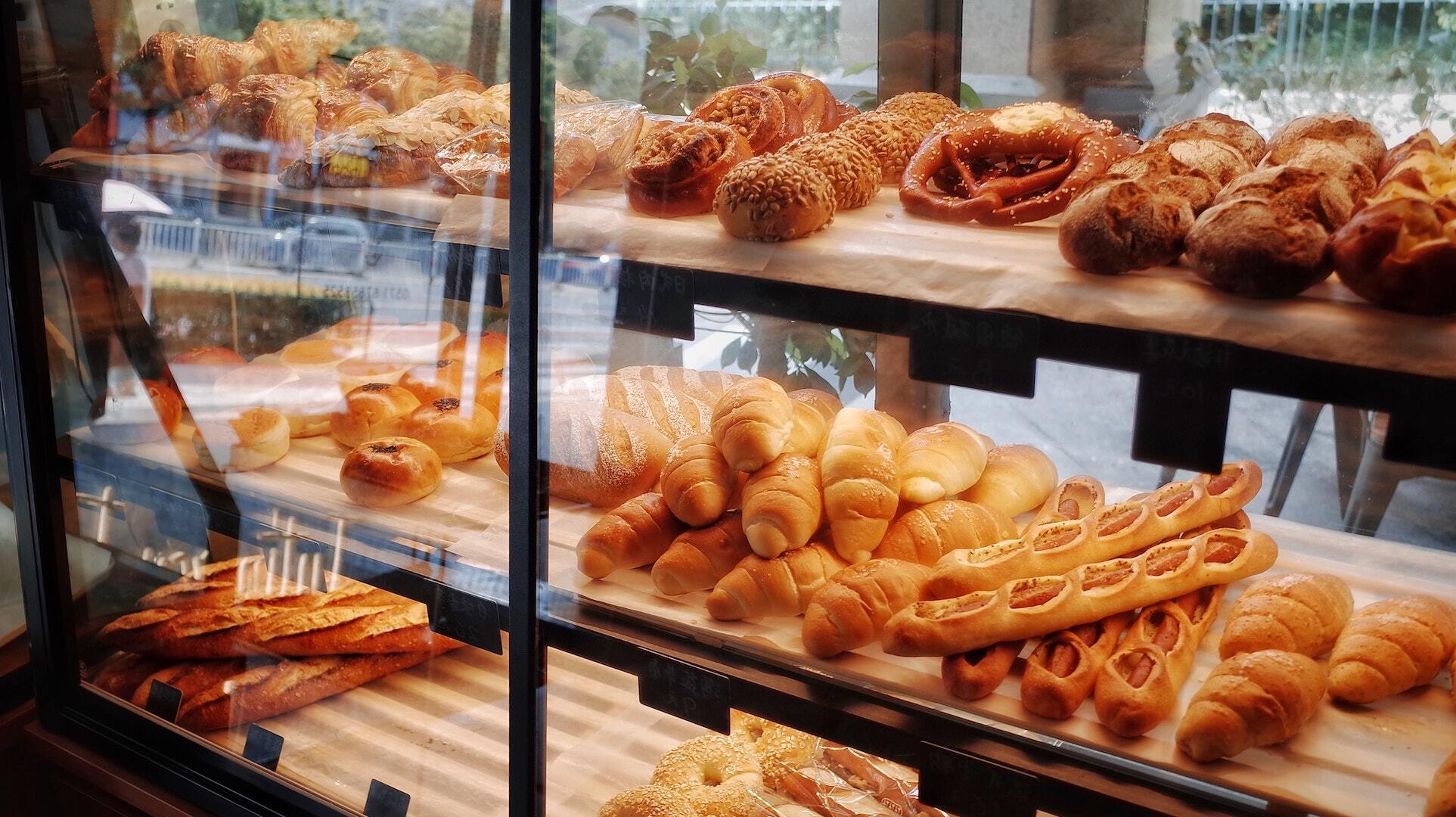
Most Profitable Bakery Items in the UK
Discover which bakery items deliver the strongest margins in the UK and the pricing, product, and operational strategies you should use to protect your profitability.
Author
Costs have moved quickly over the past two years. Ingredients are more expensive, and energy bills are still sitting high. At the same time, guests have not lowered their expectations around freshness or quality. They are spending more carefully, but they still expect the same standard when they walk through the door.
That gap is forcing changes. The Toast Voice of the UK Restaurant Industry 2025 reports that 80% of restaurateurs are dealing with inflation pressures, with 36% calling it extremely challenging. Many have responded by tightening their menus. Around 60% have reduced the number of items they offer as a way to manage costs without compromising standards.
Every bakery feels the same pressure. You need to control costs, but you cannot let quality slip. Customers notice small changes. A croissant that looks smaller, a sourdough that tastes different, a display that feels a bit sparse. It does not go unnoticed.
Profitability comes from handling that balance properly. The strongest menus are built around items where production stays efficient and the end product still feels worth paying for.
TL;DR: Pastries, croissants, artisan bread, and celebration cakes consistently deliver the strongest margins for UK bakery operators. Profitability comes from understanding what each item actually costs to produce, pricing to reflect the craft behind it, and using your sales data to reduce waste and guide production decisions.
What UK Consumers Are Actually Buying
Menu decisions become easier when you understand what customers are choosing most often. It gives you a practical starting point.
According to the Toast Consumer Preferences Survey 2025, pastries lead the way in the UK, with 43.5% of consumers buying them most frequently. Cakes follow at 26%, then bread at 17%, with savoury items at 9.5%. That gap is worth paying attention to when you are deciding what to prioritise.
That pattern matters because pastries tend to offer strong margin potential alongside their popularity. They are labour-intensive to produce well, which creates a meaningful quality ceiling that customers will pay to reach. But they are also relatively flexible in terms of batch size, seasonal variation, and upsell pairing — all of which give operators more levers to pull.
Equally telling is how often UK consumers visit bakeries. The same survey found that 42% buy from bakeries at least weekly. That frequency creates something valuable: a habit. Habitual customers are easier to retain and more likely to try new items if they trust the quality they have already experienced. The question is what keeps them coming back — and on that, the data is clear. Product freshness ranked first by a considerable distance as the most important bakery loyalty factor among UK consumers, ahead of price, product variety, and atmosphere.
Freshness is not just a quality signal. It is the foundation of the commercial relationship. Operators who treat it as a minimum standard rather than a differentiator are leaving money on the table.
The Most Profitable Bakery Items for UK Operators
What makes a bakery item profitable is not simply a low ingredient cost. It is the combination of reasonable input cost, the ability to command a premium price, strong repeat demand, and manageable labour requirements relative to the output value. With that framework in mind, several categories consistently emerge as strong performers.
Artisan Bread and Sourdough
Bread still defines how many bakeries are judged. Sourdough, in particular, carries weight across the UK. A well-made loaf can sell for £5 to £8 or more at markets, delis, and destination bakeries.
The ingredients are simple. Flour, water, salt, and time. The price comes from how well it is made. Customers are paying for consistency, texture, and the depth of flavour that comes from a long ferment.
It also works as a starting point for the rest of your menu. Once someone buys your bread, they are more likely to look around. That is an opportunity. Position your pastries so they sit alongside the bread people came in for, not off to the side.
Croissants and Viennoiserie
A well-made croissant shows its quality straight away. The lamination takes time, and there is no way to cover up mistakes. It either has the right lift and flake, or it does not. Customers can see that, which makes the price easier to accept.
Once the base is strong, it is easy to build on it. Almond, chocolate, or ham and cheese versions add range without changing your process too much. Seasonal fillings help keep things interesting. Rhubarb in spring or spiced apple in autumn works well and does not require a full rethink in production.
Across many UK bakeries, croissants tend to outperform standard bread on margin. The ceiling on price is higher, while the core costs stay under control.
Cakes and Celebration Items
Custom cakes and celebration orders represent some of the highest per-transaction values available to a bakery operator. A bespoke celebration cake priced at £60 to £150 or more carries a very different margin conversation than a sausage roll. The inputs are not cheap, as high-quality butter, real chocolate, and fresh fruit add up, but the price customers are prepared to pay reflects both the occasion and the irreplaceable nature of the product.
The operational challenge with celebration items is capacity management. They require advance orders, a reliable production schedule, and careful communication with the customer. Operators who invest in even a basic digital booking or deposit system find that this category becomes much more predictable and therefore much more profitable. It is also worth noting that UK consumers increasingly use reviews and social media to choose where they place celebration orders, which means presentation matters as much as flavour.
Pastries: Danishes, Tarts, and Seasonal Specials
Pastries make up a big part of bakery sales in the UK, which puts them at the centre of your margin decisions. How you shape that range influences what customers go for.
A Danish with a seasonal filling, priced around £3.50 to £4.50, sits comfortably as a regular purchase. It moves steadily, supports margin, and looks appealing on the counter and online.
Tarts add depth to the offer. Fruit and custard tarts feel more crafted, which makes higher pricing easier to justify, especially later in the day. They travel well and tend to signal that the bakery takes its product seriously. When you produce them in volume, margins stay strong because the base ingredients are straightforward, even if the finish needs to be right.
Cookies, Brownies, and Traybakes
Cookies and brownies sit at the more accessible end of the range, which makes them easy to sell on impulse. A tray of fresh bakes near the till often does more work than people expect, yet many bakeries leave that space underused.
They are straightforward to produce. Ingredient costs stay low, portion sizes are easy to control, and they appeal to a wide mix of customers throughout the day.
Traybakes are especially efficient. One bake gives you multiple portions from a single run. When you cost them properly, the return per portion is often stronger than it first appears. Breaking it down by portion makes that clear in a way that a rough view of ingredient spend does not.
Savoury Items: Sausage Rolls, Quiches, and Pastry Cases
Savoury items make up around 9.5% of UK bakery purchases, but that number does not tell the full story. These products often carry higher prices per item, especially at lunchtime, and they bring in a different type of customer. Someone looking for a quick lunch might not have come in for a pastry at all.
A well-made sausage roll priced at £3 to £4 fits neatly into that moment. It feels fair, sells quickly during the morning and lunch rush, and makes good use of your production time.
The challenge is waste. Anything left unsold by mid-afternoon starts to work against you. If that loss is not built into your pricing, it eats into your margin quietly. Tracking what sells, and when it sells, helps you stay ahead of that. With clear point of sale data, you can adjust production volumes and avoid overproducing items that will not move.
The Operational Side of Bakery Profitability
Knowing which items carry the best margins is only part of the challenge. Sustaining that profitability day after day requires the kind of operational discipline that is easy to underestimate when you are focused on the product itself.
Batch costing is where control starts. If you do not know what each item actually costs to produce, including ingredients, packaging, labour, and energy, pricing becomes guesswork.
Many UK bakeries still rely on instinct or copy nearby competitors. That makes it hard to see whether a popular item is helping your margin or quietly working against it. A clear costing approach across your range gives you a more reliable way to set prices.
Production scheduling is the next piece. Waste tends to come from making too much of the wrong things. By tracking how quickly products sell and at what time of day, you can adjust your output more accurately. That helps reduce waste and keeps your top products available when demand is highest.
For a bakery running a fast-changing display of perishable items, synchronisation between what is on the shelf and what customers can order is not a minor detail. It is the difference between a professional operation and one that haemorrhages small losses across every shift.
Upselling does not need to feel forced. In many cases, customers already want something alongside their pastry. They just need a small nudge.
That is where the setup matters. If ordering is smooth and the suggestion fits the moment, adding a coffee or another item feels like part of the experience. Handheld POS helps make that happen at the counter. Those small additions build up over time and have a clear impact on how much each customer spends.
Pushing Forward with Strong Margins for Your Bakery
The most profitable bakery items in the UK are rarely the most complex or the most expensive. They are the ones that balance proper craft with manageable costs and make their value clear to customers. Pricing follows from that. It reflects the product itself, not what the bakery down the road happens to charge.
The operators who handle this well stay close to their numbers. They track what sells, when it sells, and how each item performs. They are willing to adjust the range when something is not pulling its weight. Over time, that kind of discipline makes the difference between a bakery that looks busy and one that is actually making money.
FAQ
What is the most profitable item to sell in a bakery?
Celebration cakes and custom orders tend to generate the highest per-transaction value, with bespoke cakes selling for £60 to £150 or more. That said, high-volume items like croissants and pastries often deliver the strongest consistent margins across a week because they combine reasonable ingredient costs with a price point customers accept readily.
What is a good profit margin for a bakery in the UK?
A typical net profit margin for a UK bakery sits between 4% and 9%, with the strongest operators reaching around 9% gross profit. Margins vary significantly depending on product mix, waste levels, and how well costs are tracked at item level.
Why are pastries more profitable than bread?
Pastries carry a higher price ceiling relative to their ingredient cost, and customers are generally more willing to pay a premium for something that feels indulgent or crafted. Bread is a staple product where price sensitivity tends to be higher, which makes it harder to raise prices without losing volume.
How do I reduce waste and improve bakery margins?
Tracking sell-through rates by product and by time of day is the most practical starting point. Knowing when specific items stop selling allows you to adjust production volumes and avoid overproducing goods that will not move before close.
How should I price bakery items to stay profitable?
Start with a full batch cost for each item, including ingredients, packaging, energy, and labour, then set your price to cover those costs and leave a healthy margin. Avoid simply matching nearby competitors, as their pricing may not reflect their actual costs or yours.
Is this article helpful?
DISCLAIMER: This information is provided for general informational purposes only, and publication does not constitute an endorsement. Toast does not warrant the accuracy or completeness of any information, text, graphics, links, or other items contained within this content. Toast does not guarantee you will achieve any specific results if you follow any advice herein. It may be advisable for you to consult with a professional such as a lawyer, accountant, or business advisor for advice specific to your situation.

Subscribe to On the line
Sign up to get industry intel, advice, tools, and honest takes from real people tackling their restaurants' greatest challenges.
By submitting, you agree to receive marketing emails from Toast. We’ll handle your info according to our privacy statement. Additional information for California residents available here.