How to Design a Coffee Shop Menu in the UK
Deign a coffee shop menu in the UK that will keep customers coming back.

Author
Your coffee shop menu is more than a list of drinks — it’s a reflection of your brand. Whether you’re launching a new café in Brighton or updating your signage in Manchester, the way you present your menu can shape the customer experience, drive upsells, and define your business identity.
In this guide, we’ll walk you through the essentials of UK coffee shop menu design — from layout inspiration and pricing strategies to top industry insights.
Restaurant Menu Templates
Use these menu templates as a starting point for your menu design or to give your menus a refresh.

Why Menu Design Matters
Good design makes your menu easy to read, guides your customers toward high-margin items, and helps you stand out in a competitive market.
A study from Cornell University found that removing currency symbols from menus encouraged higher spending — a psychological trick that can improve your bottom line (source: Cornell Hospitality Quarterly).
UK diners also have specific preferences. According to the Toast Consumer Preferences Survey 2025, where 200 UK restaurant-goers were polled on their restaurant design and menu preferences:
57.5% of UK diners still prefer printed menus over QR or digital versions
52% say bold fonts and colours are fine as long as they’re readable
33% say photos are very important, and 40.5% say they’re somewhat important
Step 1: Choose the Right Format
Printed menus are still dominant in the UK, but hybrid options are growing. Consider:
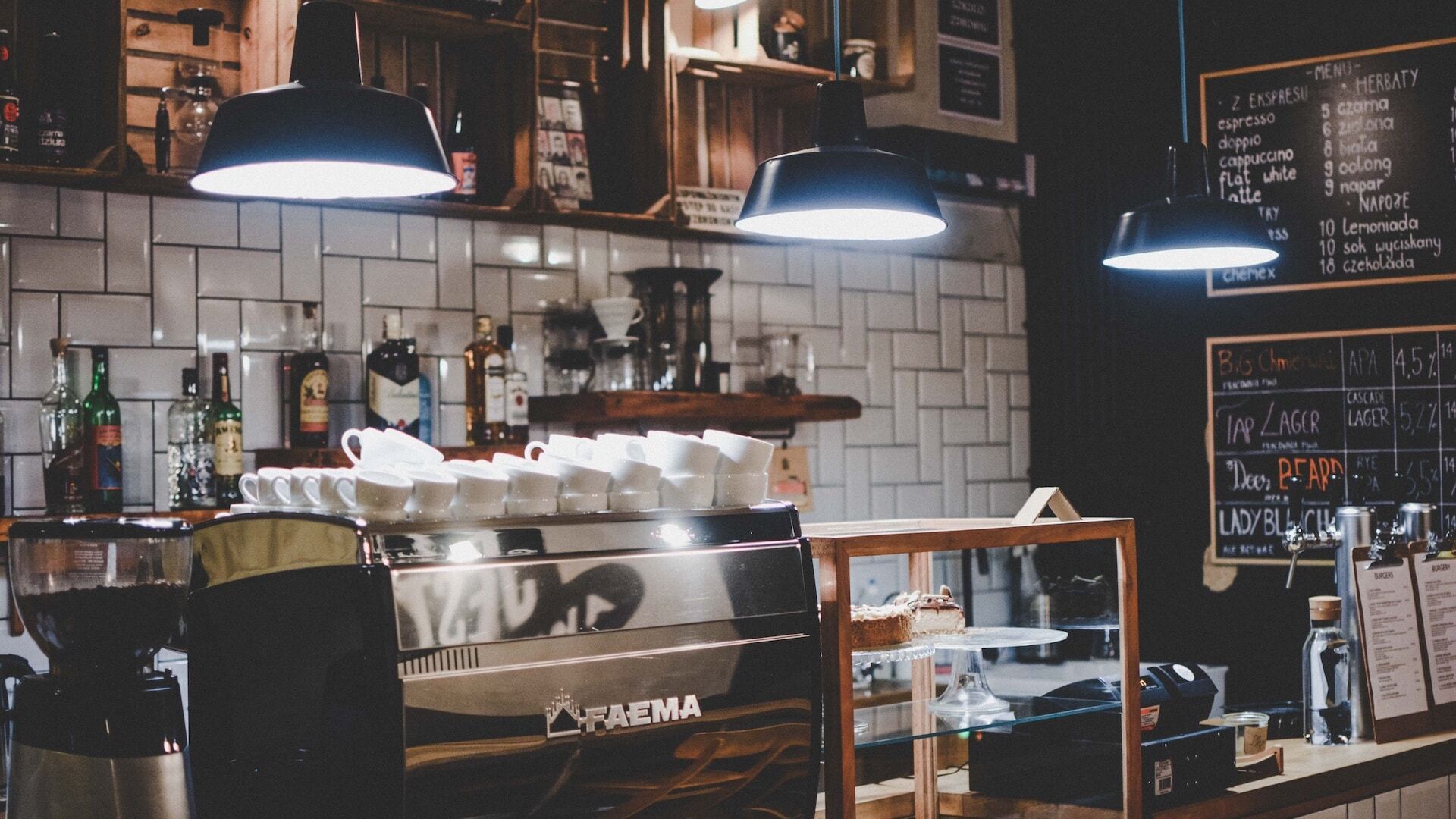
Chalkboard or wall menus for casual, counter-service cafés
Tabletop printed menus for dine-in spaces
Digital screens or QR options for fast-paced or mobile setups
Online menus that match your branding and support takeaway/delivery options
UK businesses are increasingly moving towards integrated digital solutions. According to the Voice of the Restaurant Industry in the UK report, 1 in 4 UK restaurateurs plan to adopt new tech to streamline operations and improve customer experience.
Step 2: Create a Smart Menu Layout
Organise your menu logically. Group items by:
Drink type (Espresso, Iced Coffee, Teas)
Size and customisation (e.g. small, regular, large; dairy-free options)
Add-on opportunities (e.g. syrups, extra shots, plant milks)
Use layout tricks like:
Top-left corner placement for best-sellers
Boxes or callouts for “House Specials” or “Most Popular”
Icons for vegan, gluten-free, or organic items
UK diners notice placement: 51.5% say they sometimes notice strategic item positioning, and 48% are more likely to order items labelled as best sellers or house favourites.
Step 3: Use Language That Sells
Your menu tone should match your shop’s brand. Are you cheeky and playful? Or elegant and minimalist? Reflect that in your descriptions.
Use persuasive words like:
“House-made”
“Seasonal”
“Locally sourced”
“Award-winning”
Words like “house-made” and “local” were shown to influence UK customers significantly — with 28% and 16% respectively choosing these terms over alternatives.
Step 4: Price Intentionally
When it comes to price, UK customers prefer:
Whole numbers (£2, £4.50) — preferred by 39% of people surveyed
No currency symbols — helps reduce price sensitivity (source: Cornell Hospitality).
Ensure VAT is included in your pricing. The UK legally requires that all menu prices are VAT-inclusive where applicable (source: GOV.UK).
Step 5: Add Visual Appeal
Photos can increase sales by up to 30% when used well — but poor-quality images can hurt your brand. Instead:
Use professional photography if possible
Consider linking to your Instagram or TikTok for daily specials or drink reels
Step 6: Showcase Seasonal and Sustainable Options
UK diners are increasingly motivated by sustainability. According to the Voice of the Restaurant Industry in the UK:
70% want restaurants to adopt more sustainable practices
39% have switched to environmentally conscious brands in the last year
Include:
Seasonal menus (e.g. iced drinks in summer, spiced lattes in winter)
Sourcing info for local ingredients
Eco symbols (e.g. compostable cups, Rainforest Alliance beans)
Final Thoughts
A well-designed coffee shop menu is part strategy, part storytelling. With the right layout, smart pricing, persuasive language, and appealing visuals, your menu can do more than inform — it can sell, inspire, and build loyalty.
Use the tools, insights, and templates available to build a menu that’s both beautiful and effective. And remember: your menu is never “finished.” It’s a living part of your café that can evolve with the seasons, your specials, and your customers’ tastes.
 TOAST TECH
 Built for restaurants just like yours.
Toast’s restaurant technology includes point of sale, kitchen display screens, online ordering and more.
Is this article helpful?
DISCLAIMER: This information is provided for general informational purposes only, and publication does not constitute an endorsement. Toast does not warrant the accuracy or completeness of any information, text, graphics, links, or other items contained within this content. Toast does not guarantee you will achieve any specific results if you follow any advice herein. It may be advisable for you to consult with a professional such as a lawyer, accountant, or business advisor for advice specific to your situation.

Subscribe to On the line
Sign up to get industry intel, advice, tools, and honest takes from real people tackling their restaurants' greatest challenges.
By submitting, you agree to receive marketing emails from Toast. We’ll handle your info according to our privacy statement. Additional information for California residents available here.