
How Much Does It Cost to Open a Restaurant in Manchester? [Restaurant Startup Costs]
Let's take a look at all of the financial costs that go into opening a restaurant in Manchester.

Author
 RESOURCE
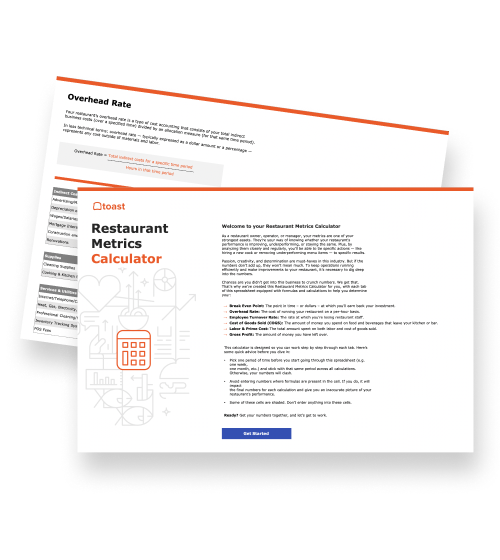
 Restaurant Metrics Calculator
Use this free calculator to calculate the key restaurant metrics needed to understand the health and success of your business.
Get Free DownloadStarting your new restaurant business in Manchester can be exciting, but it is incomplete without proper planning for your potential customers. And if you’re someone who wants to be a part of the hospitality industry in this melting pot, there’s no better time than now. Before you begin, you need to gauge the workings of the restaurant world. This article elaborates on the fixed, upfront costs vs. the variable financial commitments that might show up in your restaurant business.
It’s no surprise that the UK hospitality industry is valued at USD 61.23 billion in 2025 and is forecast to reach USD 72.76 billion by 2030, expanding at a 3.51% CAGR. A plethora of restaurants and cafés have popped up to meet the combined demands of an increase in inbound tourism and the curiosity to explore foods from different cultures.
But it’s essential that you create a system and plan that works for your business. This guide helps you zero in on everything from figuring out the location of the establishment to the people you’d serve.
Restaurant Business Plan Template
No matter where you’re at in your restaurant ownership journey, a business plan will be your north star. Organise your vision and ensure that nothing is overlooked with this free template.

Jump to your preferred section
How much does it cost to open a restaurant in Manchester?
On average, starting a restaurant might cost anywhere between £150,000 and well over £1 million. In the end, the total cost to get your Manchester restaurant going will hinge on things like how much you pay for rent, the type of furniture you pick, the construction costs, and any permits you need to open and run your new restaurant.
Evaluating Small Startup Costs
Manchester, the melting pot of cultures that it is, has a lot to offer in terms of food and aesthetics. This also makes it difficult to have a one-size-fits-all solution when it comes to your restaurant business. That’s why having a business strategy specific to your business with a financial breakdown comes in handy. When you have a detailed overview of how you’re going to be parking your money, you’ll feel more prepared while investing in everything from equipment to hiring.
Your entrepreneurial journey must also account for failures and hiccups. Even before you bring in the funding, you should dedicate efforts to strategising and envisioning a business where almost every aspect is detailed out.
Whether you’re planning to start a fine-dining restaurant or a cosy food truck, you’d still have to go through the same process of planning for the business. The other aspect of the restaurant startup is planning about profit margins, designing the space, focusing on the cuisines you’d serve, and how you can manage the footfall in your restaurant. While you can still plan for equipment and design, it’s harder to plan for people.
These intricate, moving parts can make running your business more difficult. Don’t forget about the one-off costs like talking kitchen gadgets, kitchen display systems, restaurant POS software, those pesky credit card processing fees, receipt printers, cash drawers and all the bits and bobs like chairs and tables.
Restaurant Metrics Calculator
Use this free calculator to calculate the key restaurant metrics needed to understand the health and success of your business.
Restaurant Opening Cost by Square Foot
As per restauranttimes.com, the restaurant retail rent prices average at £220 per square foot. This cost depends on a plethora of factors like the size and design of the venue, its location, the equipment and the restaurant point of sale system needed, and whether you're moving into an existing establishment or starting from the ground up.
A cosy diner or a compact, fine-dining restaurant typically needs between 1,000 and 2,000 square feet to operate smoothly, including the kitchen, dining, and bar areas. Setting up a franchise restaurant should cost you approximately £42,000, which includes initial fees, setup costs, and legal assistance. However, if you’re thinking of starting an independent venture at a prime location, your restaurant startup could cost you anywhere between £200,000 and £1 million.
Please note that all the figures mentioned here are approximate costs for starting up a restaurant. While budgeting, ensure that you’re taking into account the location of your establishment, your target audience, and external socio-economic factors in your area. Having a Manchester business plan can work as a solid foundation before you put your money into the market.
Restaurant Opening Calculator
This calculator lays out some of the fundamental financial costs of opening a restaurant, so you can start planning and bring your dream restaurant to life.
Restaurant Startup Costs You Should Expect
Ready to start your journey as a restaurant business owner in Manchester? You’re at the right place! This handy guide highlights everything from figuring out utilities to marketing.
1. Utilities
Even if your Manchester restaurant hasn’t opened its doors to the customers, you’ll need your basics to keep the restaurant running. While you may not need all the equipment and services when you’re starting out your restaurant, utilities like gas, water, and electricity are needed to ensure a smoother process. The initial phase will entail creating an exciting dining experience, ensuring smooth test runs, and making significant changes to the systems.
According to energycosts.co.uk, UK restaurants spend between £1,000 and £3,200 per month on energy depending on the size of the restaurant and the cuisine it serves.
Energy consumption in restaurants can be bifurcated on the basis of:
Food Preparation: Up to 45%
HVAC: Heating and cooling use up to 20%
Sanitation: Sanitation and water usage are responsible for around 10%
Lighting: Lighting takes up between 3% and 8%
Refrigeration: Keeping your produce chilled uses up to 22%
Price Range: Plan to allocate £1,000 to £3,200 per month of your gross operational costs to utilities; bear in mind that larger venues might find themselves at the higher end of this spectrum.
2. Location
Choosing the right spot for your new restaurant is the first step after you’ve evaluated your funds. For foodie-lover’s fare, Altrincham Market could be a perfect match. But if you're going for current and contemporary, consider areas like the Northern Quarter and Ancoats. Generally, it's a wise move to invest in a location with plenty of people walking by, instead of just depending on ads to bring people into your new Manchester restaurant.
Consider any of these options before you come to a decision:
Building from the ground up and investing in new construction
Opening in an existing building and purchasing an operating restaurant
Converting an existing commercial space into a restaurant space
Each choice comes with its own advantages and disadvantages, and this will impact your initial expenses. There aren't definitive right or wrong choices — but with thorough research, you can make a well-informed decision about which option is the best fit for your needs.
3. Kitchen Equipment and Interior Design
Your restaurant design is another thing that’ll keep attracting new patrons for the aesthetics. When you bring your culinary and aesthetic vision to life, your restaurant startup gets a higher chance at visibility in the market. Don’t forget about the efficient appliances for your Manchester restaurant for a quick turnaround on food.
It's really easy to go over budget here, so careful planning is key to avoid blowing through your initial funds. The big-ticket items affecting your budget will mostly be your kitchen equipment and furniture, which will depend on the size of your kitchen and dining space.
Price Range: According to restauranttimes.com, the expected average cost is about £40,000 for furniture and about £80,000 for kitchen equipment.
4. Pre-opening Expenses
Your expenses start incurring the day you sign off on the lease or your deed. From the get-go, you need to plan for the expenses that include the menu for the day, front and back office staff, marketing efforts, and any tech tests, if needed.
Training your employees and starting with a comprehensive training programme so they’re prepared for the big day. Don’t forget to maintain a well-stocked inventory in your kitchen and freezer to cover the early days following the launch. This includes an assortment of food, utensils, drinks, glassware, water pitchers, and any additional necessities for providing a memorable experience to your visitors.
It might be wise to consider an inventory management system to help you keep track of everything. You can automate your inventory management system and connect it to your restaurant POS system via restaurant integrations.
Price Average: As per restauranttimes.com, you’re recommended to have an opening inventory of about £50,000, including food, other essentials, and £3,000 per hire.
5. Marketing and PR Strategy
It is impossible to run a Manchester restaurant startup without a streamlined marketing and PR strategy. You could save up on some time and money if you’re a part of the franchise. But if your establishment is new, you’ll have to start with a clean slate.
Kicking things off with social media is the obvious choice in today’s world. This serves the dual purpose of brand recall and SEO. However, you don’t have to go all in with paid ads early on. Generally, social media platforms are optimised for organic content, and consistently showing up can put you at the forefront.
For an upscale restaurant in Manchester, partnering with a PR firm to gain some visibility could be a smart move, or you might end up in the spotlight thanks to media interest in your venue.
Price Range: restauranttimes.com suggests setting aside 3 - 6% of total sales for marketing.
Restaurant Marketing Plan
Create a marketing plan that'll drive repeat business with this customizable marketing playbook template and interactive calendar.
6. Capital and Contingency
If you fail to plan, you’re bound to set yourself up for disappointment. Even if your Manchester restaurant quickly becomes an overnight hit, remember that it will take some time before things run seamlessly. You can anticipate a slow climb during the early stage of your restaurant, so it only makes sense you have some contingent funds.
The new patrons will take time to convert into regulars, and it’s essential you keep your business up and running during that time. This will support you in making payments to your employees, expenses, and any debts you might have to start paying off.
Price Range: Set aside six months’ total startup expenses for contingency purposes.
7. Exterior Finishes
For a Manchester restaurant startup, you need to entice your consumers with an enticing and charming exterior. This could mean investing in appealing lighting, tasteful landscaping, and, if space allows, charming outdoor seating can significantly enhance your small restaurant's kerb appeal. As people have started chasing aesthetic venues to spend their time out, it’s important you spend enough time and money on the exterior design as well.
Even if altering the outside of the building isn't an option, clear signs are crucial for letting people know you're open and ready to welcome them. The cost of these enhancements depends on the area of your restaurant, but something simple like a handmade artwork in front of your quaint café could be a great starting point.
Price Range: Anticipate expenditures ranging between £3,000 and £10,000 per square metre with possible additional costs for zoning permits according to restauranttimes.com.
8. Organisational and Developmental Costs
This might be the part you’re dreading while you’re running your business, especially as it’s easy to miss out on the other finer details. You need to ensure that all necessary restaurant licences and permits are acquired and fees paid, insurance premiums deposited, and covered utility deposits for services such as gas, electricity, and water.
These expenses aid the orderly operation and growth of your restaurant. They also give your establishment credibility.
Price Average: According to restauranttimes.com, you’d spend approximately £100-£1,905 for premise licences and £100 extra for serving alcohol.
9. Professional Services
In order to run your Manchester restaurant with consistent sales, you’ll need the support of experts. You don’t need to hire full-time employees for professional services during the first few months, but consultants can guide you and strategise with you.
Solicitors, consultants, architects, designers, accountants, bookkeepers, marketing agencies, and PR firms all play vital roles in the restaurant industry, offering expertise that can help your business thrive from the get-go.
Price Range: As professional services are the overhead expenses in your business, you’re expected to allocate 10-15% of your revenue to them, as per accountantsilkeston.co.uk.
10. Technology & Point of Sale Systems
Leveraging restaurant operations technology in your establishment can significantly enhance your operational efficiency. Seamless communication between the front-of-house and back-of-house kitchen staff ensures that your restaurant operates without hiccups, distinguishing your business from competitors. The right tech integrations not only streamline service but can also improve the dining experience for your customers.
For instance, full-service restaurants could really use handheld POS devices to speed up customer service, while quick-service places might do well with a kitchen display system and data tracking to help understand the business better. You can learn more about each here.
Price Range: Get a quote
11. Food Cost
Food is at the heart of your restaurant – the cuisines you serve and the experience you create influence the kind of patrons you’d attract. No matter the stage of business, your food needs to meet several standards at all times. Your Manchester restaurant should perfect its food first and foremost, as that’s what will keep your customers coming. A well-supplied inventory means your kitchen team has what they need to provide seamless service. Just like everything else in the restaurant business, the typical monthly cost for food will vary depending on your restaurant, including the type of cuisine you serve and what's on the menu.
Keeping a complete inventory guarantees that your kitchen team have everything they need for continuous service. Plus, keep in mind that the average monthly cost for food will vary depending on your restaurant's cuisine type and menu choices.
Price Range: The estimated costs range between £10,000 and £50,000 depending on the size of the restaurants.
Bonus Cost: Franchise Fees
Needless to say, this cost won't apply if your Manchester restaurant is not a franchise business. But if it is, be ready to invest a significant sum. Here is a list of typical initial costs for established restaurant franchises*:
McDonald’s: Between £500k and £1.85mn
Pret a Manger: Approximately £450,000
Costa Coffee: £250,000 to £800,000
Five Guys: Approximately £300,000
Domino’s: Between £120,000 and £350,000
Subway: Starting at £150,000
Assembling Your Restaurant Dream Team
It’s obvious that restaurants might face some difficulties early on if they don’t have adequate funding. But shortcomings of funds can be mitigated by creating a dream team with professional consultants and employees along the way. They bring expertise, loyalty, and newness to your restaurant startup, which supports the functioning of your establishment.
Here is a list of trades and professionals that you should consult as you plan to open your restaurant:
Real estate agents
Solicitor
Accountants
General construction contractors
Marketing firms
Architects
Whenever you can, look for specialists who have specific experience with restaurant and hospitality businesses.
Opening a Small Restaurant without Breaking Your Bank
Before you make any big decisions during your experience as an entrepreneur in the hospitality industry, you need to assess your current financial standing. For example, you might want to spend on marketing early on if you’re not in a popular locality.
Be precise with your budget planning and spending. While your final costs may end up being more or less accurate, it’s crucial you account for that in your planning. When starting a small restaurant startup in Manchester, being judicious with your finances can go a long way.
Related Resources
Is this article helpful?
DISCLAIMER: This information is provided for general informational purposes only, and publication does not constitute an endorsement. Toast does not warrant the accuracy or completeness of any information, text, graphics, links, or other items contained within this content. Toast does not guarantee you will achieve any specific results if you follow any advice herein. It may be advisable for you to consult with a professional such as a lawyer, accountant, or business advisor for advice specific to your situation.

Subscribe to On the line
Sign up to get industry intel, advice, tools, and honest takes from real people tackling their restaurants' greatest challenges.
By submitting, you agree to receive marketing emails from Toast. We’ll handle your info according to our privacy statement. Additional information for California residents available here.